
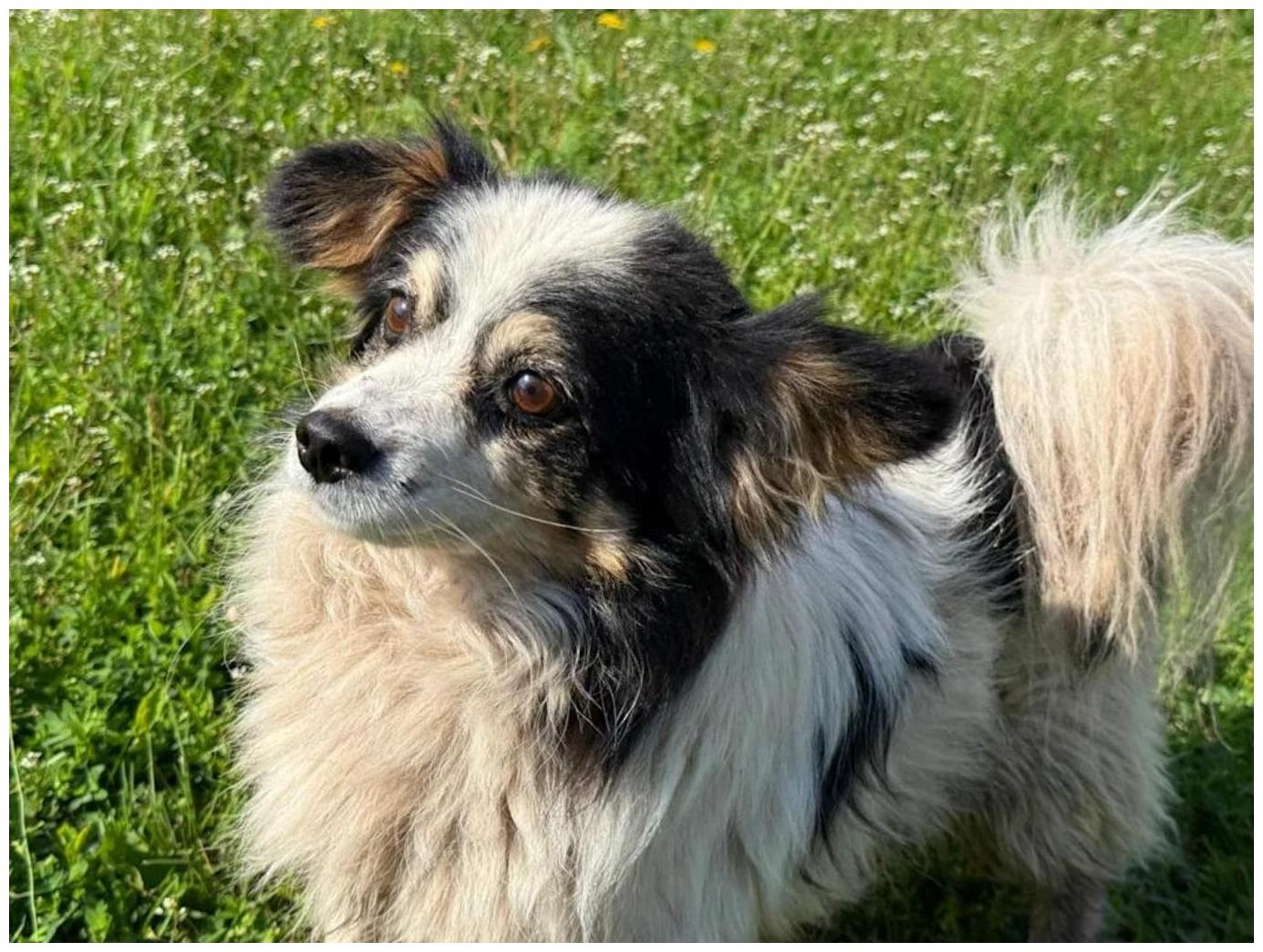
Explore the top problem-solving dog breeds for agility and obedience. Get expert tips to nurture their intelligence and build a bond for a joyful companion.
Complete Guide to Problem-Solving Dog Breeds: 9 Smart Picks for Owners
If you’re looking for a canine companion who can think on their paws and tackle puzzles alongside you, you might wonder which problem-solving dog breeds fit the bill. From border collies who herd sheep with laser focus to poodles who solve complex obedience routines, these dogs are wired to solve problems. The right breed can turn daily walks into brain games, making life more rewarding for both you and your pup.
Picture this: you come home to find your border collie already figured out how to open the latch on the backyard gate, all while keeping its tail wagging. That’s the magic of a problem-solving dog breed—quick thinking, strong instincts, and an eagerness to please. Whether you’re a first-time dog parent or a seasoned handler, understanding which breeds excel in this area helps you choose a partner that will keep you on your toes.
Below, we’ll dive into nine top contenders, discuss how to identify them, and give you a step-by-step training plan to nurture their mental agility. Ready? Let’s explore the world of problem-solving dog breeds and discover why they’re the perfect match for modern lifestyles.
Why Problem-Solving Dog Breeds Matter for Modern Pet Parents
In today’s fast-paced world, our pets are more than just companions—they’re family members who help us unwind after a long day. Problem-solving dog breeds bring a unique blend of intelligence, energy, and adaptability that can transform routine walks into interactive sessions. They’re especially valuable for owners who enjoy dog sports, obedience trials, or simply want a pet that can entertain itself when left alone.
These breeds often excel at learning new commands faster than others, making them ideal for households that want a responsive, well-behaved canine. They also tend to thrive in environments where mental stimulation is a priority, reducing boredom-related behaviors like chewing, barking, or digging. For caring modern dog parents, a problem-solving dog breed can be a reliable ally in both everyday challenges and special adventures.
Beyond practicality, owning a problem-solving dog breed offers emotional benefits. The mutual sense of accomplishment you feel when your dog masters a new puzzle reinforces your bond and boosts confidence in both of you. So, whether you’re looking for a loyal partner for agility competitions or a clever companion for weekend hikes, these breeds are worth a serious look.
Top 9 Problem-Solving Dog Breeds You Should Consider
Border Collie – The Ultimate Herding Brain
Border collies exemplify what makes problem-solving dog breeds so special. They consistently rank as the most intelligent dog breed, often solving complex tasks within minutes. Their natural herding instinct drives them to organize livestock, which translates into a knack for tackling puzzles at home. If you enjoy canine agility or interactive toys, a border collie will likely become your go-to problem-solver.
Key traits that make them exceptional problem-solving dogs include a laser-focused attention span, strong work ethic, and an innate desire to please. Typical training challenges involve channeling their high energy into focused tasks rather than spontaneous herding of household items. Regular mental stimulation such as scent games and obstacle courses prevents boredom and keeps their problem-solving abilities sharp.
Health considerations for border collies are generally good, but they can be prone to hip dysplasia and eye conditions if not screened. Grooming is moderate—weekly brushing keeps their double coat manageable. They thrive in active homes with plenty of outdoor space, making them ideal for families who love long walks, hikes, or farm environments.
[internal link: /what-dog-am-i/]
Australian Shepherd – The Adaptive Herding Champion
Problem-solving dog breeds like Australian shepherds combine herding prowess with an uncanny ability to read human cues. They excel in training scenarios that involve pattern recognition, making them excellent candidates for clever tasks. Their loyalty and stamina make them perfect for active families and farm settings alike.
Typical training challenges for Australian shepherds include managing their strong protective instincts and ensuring they don’t become overly dominant. Health issues such as deafness, hip dysplasia, and epilepsy are common, so regular veterinary check-ups are essential. Grooming requires brushing 2-3 times per week to maintain a dense, weather-resistant coat. Their adaptability shines in both indoor and outdoor lifestyles, provided they receive daily mental challenges and physical exercise.
[internal link: /are-puppies-prey/]
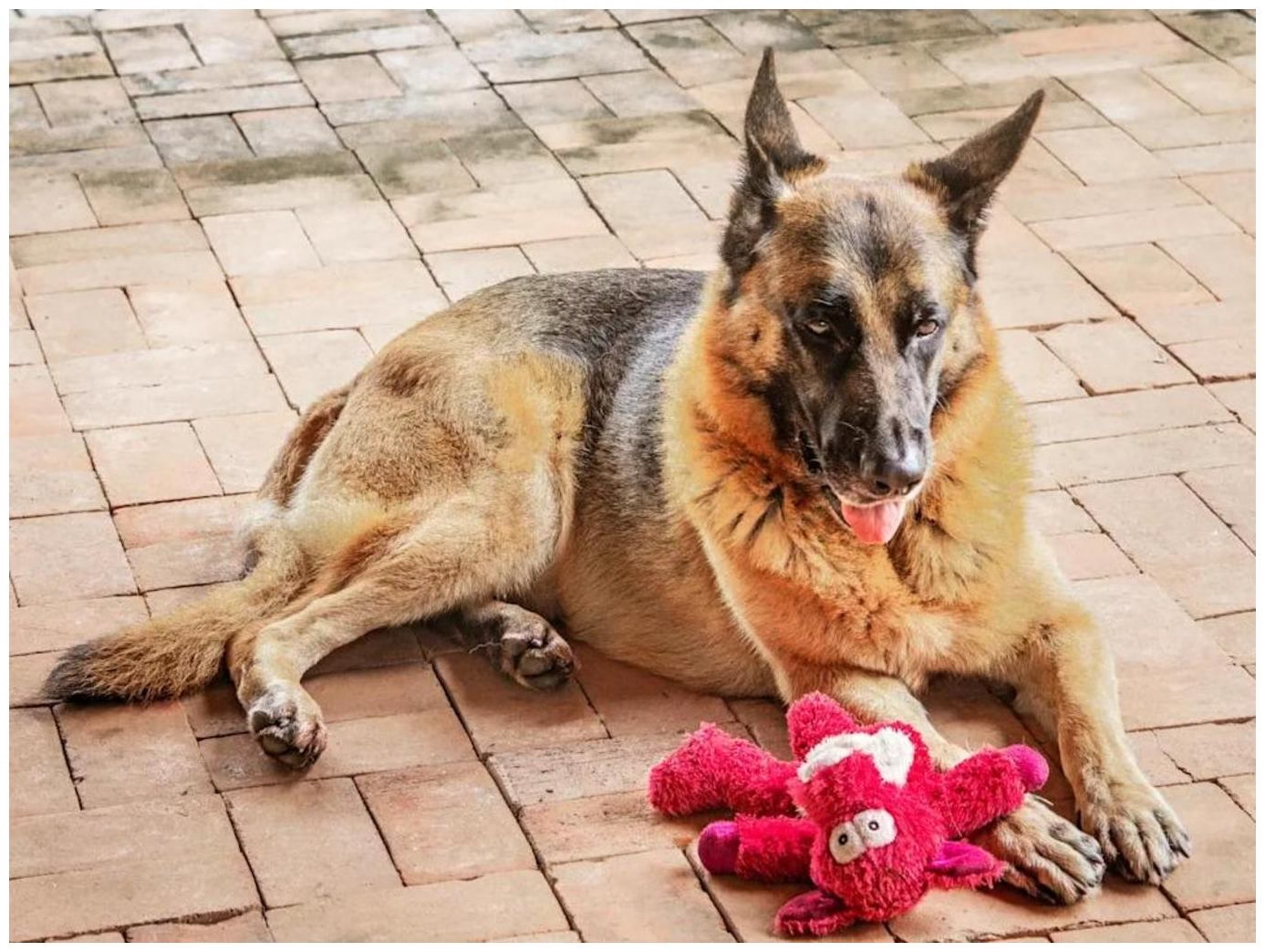
German Shepherd – The Versatile Working Superstar
Problem-solving dog breeds such as German shepherds are renowned for their versatility in police work, search-and-rescue, and guide dog roles—all tasks that demand high problem-solving abilities. Their keen sense of smell and strong drive to please make them adept at figuring out new commands and complex situations.
Training challenges for German shepherds often revolve around channeling their protective nature into balanced behavior. They may become overly territorial if not properly socialized. Common health concerns include hip and elbow dysplasia, bloat, and degenerative myelopathy. Grooming involves brushing weekly and occasional baths to keep their double coat healthy. Their ideal environment is a household that values structure, obedience training, and regular mental puzzles.
[internal link: /are-bears-canine/]
Labrador Retriever – The Friendly Working Genius
Problem-solving dog breeds like Labradors bring a sociable nature with strong problem-solving skills that shine in hunting, service, and therapy work. Their eagerness to learn means they can master puzzle toys and interactive training drills faster than most breeds.
Training challenges for Labradors include preventing them from becoming too dependent on food rewards, which can lead to overeating. They are prone to joint problems such as hip dysplasia, so low-impact exercise and proper diet are crucial. Grooming is easy—weekly brushing and occasional baths keep their coat in top condition. Labradors thrive in active families that enjoy water activities, fetch games, and scent work, as long as they receive consistent mental stimulation.
[internal link: /can-dogs-eat-mayo/]
Golden Retriever – The Intelligent Companion
Problem-solving dog breeds like golden retrievers offer a gentle temperament with a surprisingly sharp mind. They excel in obedience, agility, and therapy settings, where they must quickly interpret cues and adapt to new tasks. Their problem-solving abilities are evident when they learn multi-step commands or retrieve specific items.
Training challenges for golden retrievers include maintaining their calm demeanor while preventing boredom. They are prone to obesity, which can hinder their physical performance, so balanced meals and regular exercise are vital. Grooming requires brushing 2-3 times per week to manage shedding. Their ideal environment is a loving household that values consistent routines, interactive play, and occasional scent work to keep their brains active.
[internal link: /can-dogs-eat-okra/]
Poodle – The Adaptive Problem Solver
Problem-solving dog breeds such as poodles are often overlooked as pure problem-solving breeds, yet their history as circus performers highlights their remarkable adaptability. Poodles thrive on mental challenges, whether it’s learning advanced tricks or solving puzzle toys.
Training challenges for poodles involve managing their high intelligence, which can lead to stubbornness if they become bored. Common health concerns include hip dysplasia, eye disorders, and progressive retinal atrophy. Grooming is intensive—regular clipping or trimming is essential to maintain their low-shedding coat. They adapt well to apartments if mental stimulation is provided, making them a good fit for city dwellers seeking a clever companion.
[internal link: /can-dogs-eat-kale/]
Doberman Pinscher – The Alert Protective Thinker
Problem-solving dog breeds like Dobermans are known for their protective instincts and quick decision-making, making them excellent choices for families seeking a vigilant companion. Their strong drive to please, paired with a high energy level, leads them to master complex commands and anticipate tasks.
Training challenges for Dobermans include curbing excessive guarding behavior and ensuring they receive ample socialization from a young age. Common health concerns such as cardiomyopathy and hip dysplasia are notable, so regular cardiac screenings are recommended. Grooming is low-maintenance—weekly brushing keeps their short coat clean. They thrive in homes that appreciate structure and consistent training sessions that challenge their intelligence.
[internal link: /can-dogs-eat-figs/]
Siberian Husky – The Curious Pack Player
Problem-solving dog breeds like Siberian huskies may be famed for their sled-pulling heritage, but they also excel at problem-solving activities that involve tracking and navigating. Their strong pack mentality encourages collaboration, and they love to figure out how to open doors or retrieve items.
Training challenges for Siberian huskies involve their independent streak and tendency to wander. They are prone to hip dysplasia, eye cataracts, and hypothyroidism, so routine vet checks are important. Grooming demands heavy brushing during shedding seasons to manage their thick coat. These dogs adapt well to active households that can provide daily outdoor adventures and mental enrichment through scent trails and puzzle challenges.
[internal link: /can-dogs-eat-figs/]
Rottweiler – The Confident Working Powerhouse
Problem-solving dog breeds such as Rottweilers combine confidence with a solid work ethic, making them standout choices in protective roles and obedience competitions. They quickly learn to follow cues, protect their family, and adapt to new tasks with impressive reliability.
Training challenges for Rottweilers include managing their strong guarding instincts and ensuring they receive ample socialization early on. Common health concerns include hip dysplasia, elbow dysplasia, and certain cardiac issues. Grooming is minimal—brushing once a week keeps their short coat tidy. They excel in families that value clear leadership, regular mental challenges, and consistent physical activity to channel their energy constructively.
[internal link: /can-dogs-eat-figs/]
How to Identify a Problem-Solving Dog Breed in Your Lifestyle
Before you pick a breed, ask yourself: does your family enjoy outdoor adventures, daily mental challenges, or structured training sessions? Problem-solving dog breeds thrive in environments where they can channel their energy into tasks.
Look for clues such as high curiosity, quick learning, and a strong desire to please. If you notice your prospective pup trying to manipulate objects or follow complex commands within a few training sessions, you may have a natural problem-solver on your hands.
[internal link: /what-dog-am-i/]
Step-by-Step Guide to Training a Problem-Solving Dog Breed Effectively
Step 1: Build a Mental Stimulation Routine
Begin each day with a short puzzle or scent game. Use treat-dispensing toys or hide objects around the house to give your dog a taste of problem-solving early on. This habit sets the tone for a problem-solving dog breed that expects mental engagement.
[internal link: /can-dogs-eat-mayo/]
Step 2: Use Positive Reinforcement Consistently
Reward attempts, even if they’re incomplete, with praise and treats. Positive reinforcement encourages a problem-solving mindset because dogs learn that persistence pays off. Keep rewards varied to maintain excitement.
Step 3: Introduce Real-World Challenge Toys
Tools like KONGs, interactive ball dispensers, and homemade obstacle courses mimic everyday problems. Rotating these toys prevents boredom and keeps your problem-solving dog breed eager to discover new solutions.
Step 4: Incorporate Socialization Sessions
Social interactions teach dogs to interpret human cues and adapt to novel situations. Arrange playdates, group obedience classes, or trips to dog parks to broaden their problem-solving repertoire.
Step 5: Practice Consistency and Clear Commands
Dogs benefit from predictable routines. Use short, clear commands and repeat them regularly. Consistency helps your problem-solving dog breed understand expectations and reduces confusion.
Step 6: Celebrate Small Wins and Adjust Complexity
When your dog solves a puzzle, give a high-value treat and a brief play session. Gradually increase the difficulty of tasks to keep mental growth steady. This incremental approach prevents overwhelm.
Common Mistakes to Avoid When Working with Problem-Solving Dog Breeds
One frequent error is overlooking mental fatigue. Even the brightest problem-solving dog breeds need downtime; over-training can lead to burnout and reduced performance.
Another mistake is relying solely on physical exercise. While these breeds love activity, mental stimulation is equally essential. Ignoring brain games can result in destructive behavior.
Finally, inconsistent rewards confuse dogs and stifle their problem-solving drive. Always pair a command with a predictable outcome—whether it’s a treat, praise, or play. This consistency fuels their eagerness to solve new challenges.
Expert Advice: Maximizing the Intelligence of Problem-Solving Dog Breeds
Experienced trainers recommend rotating toys weekly to spark curiosity. A fresh challenge keeps a problem-solving dog breed interested and prevents habituation.
They also suggest mixing obedience drills with scent work. Combining tasks forces your dog to use different brain pathways, deepening overall intelligence.
Finally, schedule brief “thinking breaks” during long training sessions. Letting your dog pause and process information improves retention and reduces frustration.
Conclusion: Embracing Problem-Solving Dog Breeds in Your Home
Choosing a problem-solving dog breed can transform everyday life into a partnership of mental challenges and joyous discoveries. By understanding their traits, training wisely, and avoiding common pitfalls, you’ll nurture a canine that’s not just loyal but also a true thinking companion.
Remember, the key to success lies in consistent mental stimulation, positive reinforcement, and a clear training roadmap. With the right approach, your problem-solving dog breed will become the brightest member of your family, ready to tackle any puzzle you set before it.
Tips
- Tip Title Here: Tip content here. Second sentence adding detail or context.
- Tip Title Here: Tip content here. Second sentence adding detail or context.
- Tip Title Here: Tip content here. Second sentence adding detail or context.
- Tip Title Here: Tip content here. Second sentence adding detail or context.
- Tip Title Here: Tip content here. Second sentence adding detail or context.
- Tip Title Here: Tip content here. Second sentence adding detail or context.
- Tip Title Here: Tip content here. Second sentence adding detail or context.
- Tip Title Here: Tip content here. Second sentence adding detail or context.
Tips
- Tip Title Here: Tip content here. Second sentence adding detail or context.
- Tip Title Here: Tip content here. Second sentence adding detail or context.
- Tip Title Here: Tip content here. Second sentence adding detail or context.
- Tip Title Here: Tip content here. Second sentence adding detail or context.
- Tip Title Here: Tip content here. Second sentence adding detail or context.
- Tip Title Here: Tip content here. Second sentence adding detail or context.
- Tip Title Here: Tip content here. Second sentence adding detail or context.
- Tip Title Here: Tip content here. Second sentence adding detail or context.
