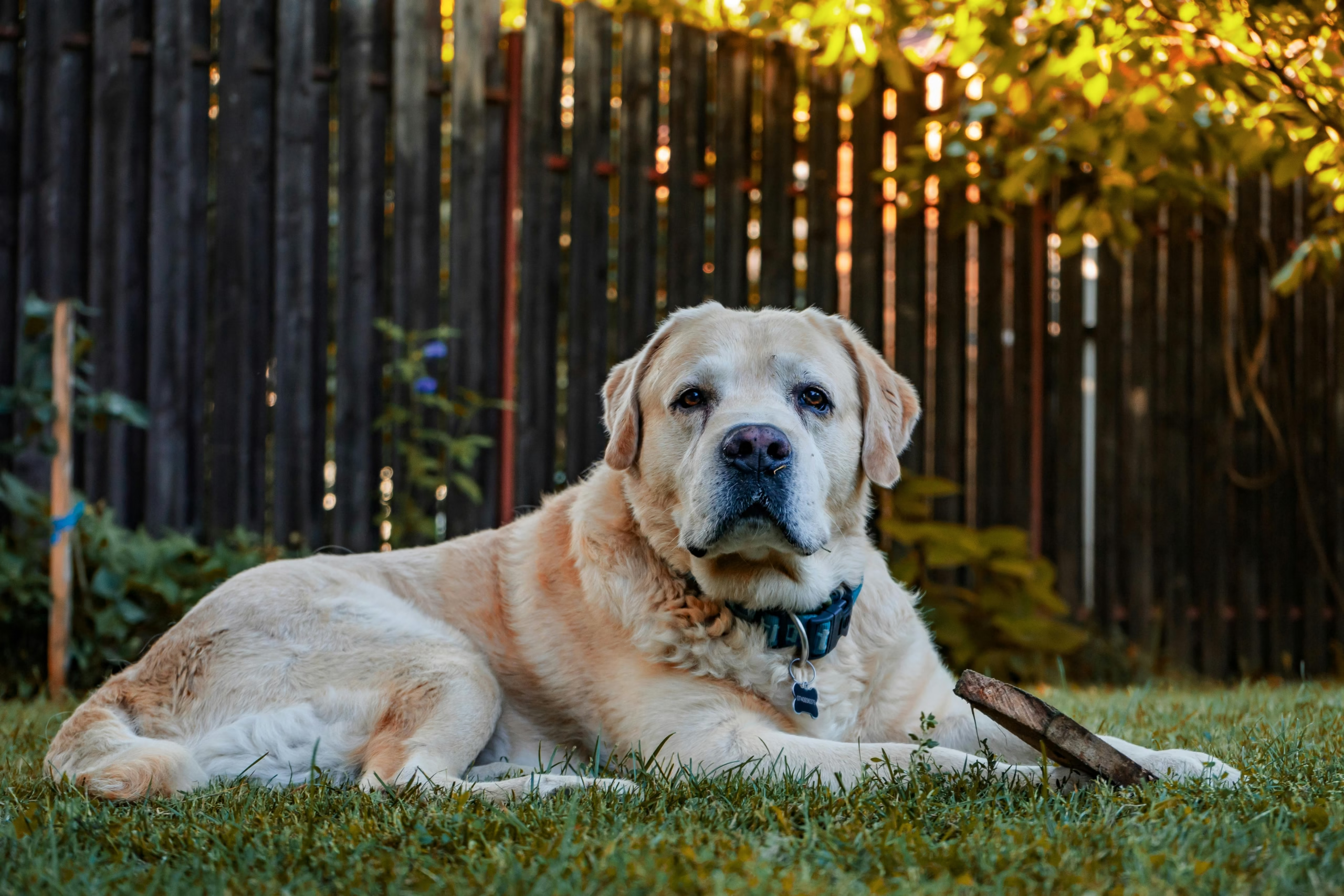
Can Dogs Get Poison Ivy? Learn dog poison ivy symptoms & treatment options. Find out how to protect your furry friend from this irritating plant! Get expert advice now!
Can Dogs Get Poison Ivy? A Comprehensive Guide to Symptoms and Treatment
Many pet owners worry about their furry friends encountering various hazards, and a common concern is: Can dogs get poison ivy? The short answer is yes, although it’s less common than in humans. Dogs, unlike some other mammals like certain rodents, aren’t immune to the urushiol oil that causes the allergic reaction in poison ivy, oak, and sumac. This article will delve into the specifics of dog poison ivy symptoms, treatment for poison ivy in dogs, and how to best protect your canine companion.
Understanding the Urushiol Culprit
The culprit behind the itchy rash is urushiol, an oily resin found in poison ivy, oak, and sumac plants. It’s crucial to understand that contact isn’t the only way your dog can be exposed. The urushiol can stick to their fur, paws, or even your clothes and then be transferred to them later. This is why even if you don’t see your dog directly interacting with the plant, they can still experience a reaction. Think of it like the way a playful canine might inadvertently transfer mud from a walk into your house; the urushiol works similarly.
Can Dogs Get Poison Ivy? Identifying the Symptoms
While dogs can react to poison ivy, the presentation might differ from human reactions. Their symptoms are often less visually striking than a classic human poison ivy rash. This difference often leads to delayed diagnosis and treatment. Therefore, being able to recognize the signs is critical.
Dog Poison Ivy Symptoms:
- Itching and scratching: This is usually the first and most prominent sign. Your dog might excessively lick, chew, or scratch at specific areas of their body, possibly showing signs of discomfort and restlessness.
- Skin redness and inflammation: Affected areas may appear red, inflamed, and swollen. This redness might not be as intensely defined as in humans, but persistent scratching can lead to secondary infections.
- Blisters and sores: In severe cases, blisters or sores can develop, particularly if the dog continually irritates the affected skin. These can become infected, requiring additional veterinary care.
- Hair loss: Consistent scratching and rubbing can lead to hair loss in the affected areas.
- Vomiting and diarrhea: If your dog ingests the urushiol by licking themselves excessively, gastrointestinal symptoms such as vomiting and diarrhea can occur. This is less common but warrants immediate veterinary attention.
How to Confirm if Your Dog Has Poison Ivy
If you suspect your dog has been exposed to poison ivy, taking your dog to the vet is the best course of action. While you might not initially see a clear rash, it is vital to address the symptoms. A veterinarian can perform a thorough examination, considering the symptoms your dog shows and possible exposure history. They can also rule out other skin conditions that share similar symptoms. Your veterinarian may conduct additional tests to rule out more complex issues, particularly when addressing a canine’s health concerns. Considering preventative healthcare is crucial; you might want to understand the importance of routine vaccinations, such as the canine DHPP vaccine or canine DA2PP vaccine, to maintain your canine’s overall health and well-being. Moreover, understanding other canine health issues, such as canine bordetella, will help you be a responsible pet owner. These factors could be affecting your pet, and professional advice is needed for a better understanding. If you want to know more about your dog’s family history and lineage, learning that bears are not part of the canine family and that a fox is canine, not feline, can aid you to better understand the broader picture.
Treatment for Poison Ivy in Dogs
Treatment for poison ivy in dogs primarily focuses on alleviating symptoms and preventing complications. Your veterinarian will likely recommend one or a combination of the following:
- Antihistamines: These can help reduce itching and inflammation.
- Corticosteroids: These powerful anti-inflammatory medications are often prescribed for severe cases to reduce swelling and irritation.
- Antibiotics: If a secondary bacterial infection develops due to scratching, antibiotics will be necessary.
- Medicated shampoos or creams: These can help soothe the irritated skin and reduce itching.
- Bathing: A thorough bath with a mild, oatmeal-based shampoo can help remove urushiol from the fur and ease discomfort. However, remember to avoid harsh chemicals or scented products.
Preventing Poison Ivy Exposure in Dogs
Prevention is always better than cure. Here are some effective ways to prevent your dog from getting poison ivy:
- Avoid high-risk areas: When walking your dog, stay away from areas known to have poison ivy, oak, or sumac.
- Regularly check your dog’s fur: After walks in potentially risky areas, carefully inspect your dog’s fur for any signs of plant contact.
- Wash your dog thoroughly: If you suspect contact, immediately wash your dog with a mild shampoo to remove any lingering urushiol oil.
- Keep your yard clear: Regularly inspect and remove any poison ivy plants from your garden to protect your dog.
- Use protective clothing: When handling your dog after a walk in potential high-risk areas, wear gloves to prevent urushiol transfer.
Additional Resources
For further information on canine allergies and skin conditions, you might find these resources helpful:
- American Kennel Club (AKC): A comprehensive resource on canine health – This link provides access to various health-related resources and information from a reputable source.
- American Veterinary Medical Association (AVMA): Information on canine care and health – This website provides valuable resources, including information about pet health and well-being from veterinary professionals.
Sharing Your Experiences
We hope this detailed guide has provided a comprehensive understanding of can dogs get poison ivy and how to manage the situation effectively. We encourage you to share your experiences, tips, or any questions you have in the comments below. Have you had a dog experience a reaction to poison ivy or other similar plants? How did you treat the situation? Let’s help each other learn and protect our beloved canine companions!

Frequently Asked Questions: Can Dogs Get Poison Ivy?
1. Can dogs get poison ivy?
Yes, dogs can get poison ivy. Unlike humans, they don’t necessarily get a rash immediately, but they can still suffer from an allergic reaction to urushiol, the oil in poison ivy plants. The symptoms might be different from human reactions, leading to the question: What are the dog poison ivy symptoms?
2. What are the dog poison ivy symptoms?
Dog poison ivy symptoms can vary, but commonly include intense itching, redness, swelling, and blisters, primarily on areas of direct contact like paws, legs, and face. Severe cases might require treatment for poison ivy in dogs. If you suspect your dog has come into contact with poison ivy, consult your veterinarian immediately.
3. How is poison ivy transmitted to dogs?
Dogs usually get poison ivy through direct contact with the plant. They may rub against it, roll in it, or even ingest leaves while playing. The urushiol oil is easily transferred to their fur, and then to their skin.
4. What is the treatment for poison ivy in dogs?
Treatment for poison ivy in dogs depends on the severity of the reaction. Mild cases might only require a thorough washing with soap and water to remove the urushiol. More serious cases may require medications prescribed by a veterinarian, such as antihistamines or corticosteroids to alleviate itching and inflammation. Never self-medicate your pet.
5. Are some dog breeds more susceptible to poison ivy?
While all dogs can be affected, dogs with sensitive skin might be more prone to experiencing severe reactions to poison ivy. There’s no specific breed that’s inherently more resistant or susceptible.
6. Can I catch poison ivy from my dog?
Yes, it’s possible to catch poison ivy from your dog. The urushiol oil can transfer from your dog’s fur to your skin. Therefore, it’s important to wash your hands thoroughly after handling your dog if they have been exposed to poison ivy.
7. My dog is licking his paws excessively. Could it be poison ivy?
Excessive paw licking can be a sign of many things, including allergies or injuries, but it is a common symptom of dog poison ivy. Consult your vet if you notice this behavior alongside any other symptoms.
8. What preventative measures can I take to prevent my dog from getting poison ivy?
Avoid walking your dog in areas where poison ivy is known to grow. Regularly check your dog’s fur for any signs of contact. Consider using a tick and flea preventative shampoo. While this won’t prevent poison ivy directly, it can help with other potential skin irritations. Note that the canine bordetella vaccine (https://pupquotes.com/blog/what-is-canine-bordetella/) or other vaccines like the canine DHPP vaccine (https://pupquotes.com/blog/what-is-canine-dhpp-vaccine/) or canine DA2PP vaccine (https://pupquotes.com/blog/what-is-canine-da2pp-vaccine/) do not protect against poison ivy.
9. Is poison ivy the only plant that can cause a reaction in my dog?
No, there are several other plants that can cause skin reactions in dogs. It is important to understand what plants are toxic to your pet.
10. Are foxes or bears related to dogs, increasing the chance of sharing similar plant allergies?
While foxes are canids (https://pupquotes.com/blog/is-a-fox-canine-or-feline/) and dogs share some genetic similarities, and bears are not in the canine family (https://pupquotes.com/blog/are-bears-in-the-canine-family/), this doesn’t necessarily mean they share the same plant allergies. The allergic reaction to poison ivy is related to the urushiol oil and the individual dog’s immune response.

Can Dogs Get Poison Ivy? A Guide for Pet Owners
While dogs aren’t as susceptible to poison ivy as humans, they can still experience an allergic reaction. Unlike humans, they typically don’t develop the characteristic rash immediately. Instead, the reaction might manifest as skin irritation, redness, swelling, or intense itching. These symptoms often appear in areas where the dog has come into contact with urushiol, the oily resin in poison ivy, poison oak, and poison sumac. This oil can easily transfer from their fur to your skin as well, so caution is advised.
Understanding the Urushiol Reaction
The allergic reaction isn’t triggered by direct contact with the plant itself; it’s the urushiol oil that causes the problem. Your dog could come into contact with urushiol through direct contact with the plant or indirectly through contact with contaminated objects or another animal. Remember, even seemingly innocuous items like hiking boots, gardening tools, or even another pet who has encountered the plant can carry the urushiol.
Symptoms to Watch For
If you suspect your dog has come into contact with poison ivy, look for these signs:
- Excessive licking or chewing: This is often an early indicator of irritation.
- Redness and inflammation of the skin: Pay close attention to paws, legs, and areas of the body prone to contact with plants.
- Blisters or raised bumps: These indicate a more severe reaction.
- Hair loss: Intense itching can lead to hair loss in affected areas.
- Vomiting or diarrhea: In rare cases, a severe reaction can affect the gastrointestinal system.
What to Do If Your Dog Has a Reaction
If you notice any of these symptoms, it’s crucial to act quickly:
- Thoroughly wash your dog: Use lukewarm water and a mild soap to gently remove any remaining urushiol from their fur and skin. Avoid harsh chemicals, as these may further irritate the skin.
- Keep them from licking or scratching the affected area: This can help prevent the spread of urushiol and further skin damage. Consider using an Elizabethan collar (e-collar) if necessary.
- Contact your veterinarian: They can assess the severity of the reaction and recommend appropriate treatment, which might include antihistamines, corticosteroids, or other medications. It is especially important to contact them if your dog is exhibiting symptoms beyond skin irritation, such as vomiting or diarrhea, as this may indicate a more severe systemic reaction. Note that while your dog is undergoing treatment, regular vaccination against illnesses like Canine Bordetella (see more on canine bordetella) and those covered by the Canine DHPP vaccine and the Canine DA2PP vaccine) will not directly aid with poison ivy but are important for overall canine health.
Prevention is Key
The best way to deal with poison ivy is to avoid it altogether. When walking your dog in areas where poison ivy is common, keep them on a leash and be vigilant about where they are walking and sniffing. Regularly check their fur for any signs of plant contact, and wash their paws after walks.
A Note on Canine Family:
While discussing allergic reactions in dogs, it’s worth noting that dogs are not related to bears, as explained in this article about are bears in the canine family. Likewise, a clarification on the feline vs. canine family is provided here. Understanding the canine family helps us better understand canine health and susceptibility to various environmental factors.
Can Dogs Get Poison Ivy, dog poison ivy symptoms, treatment for poison ivy in dogs