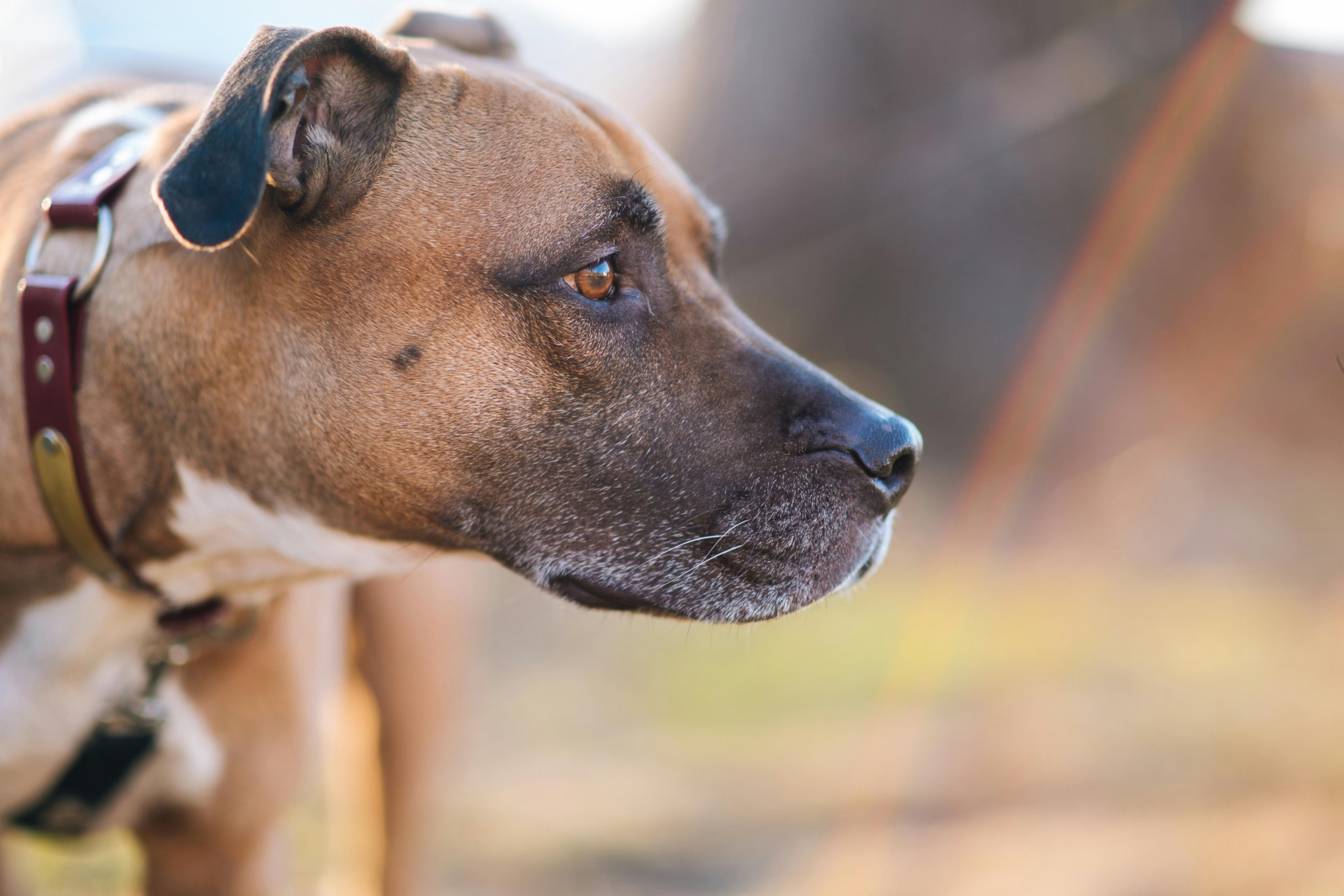
Why Do Dogs Eat Cat Poop? Understand Dog Coprophagia & Canine Poop Eating. Discover the reasons behind this behavior & find solutions! Learn now!
Why Do Dogs Eat Cat Poop? Understanding and Addressing Dog Coprophagia
Coprophagia, the consumption of feces, is a behavior seen in various animals, including dogs. While it might seem disgusting to us, understanding why do dogs eat cat poop requires delving into the potential underlying causes. This comprehensive guide explores the various reasons behind dog coprophagia, specifically focusing on the consumption of cat feces, offering practical solutions, and highlighting the potential health risks involved.
Understanding the Mystery: Why Do Dogs Eat Cat Poop?
The act of a dog eating cat poop, often referred to as cat poop eating dog behavior, is a complex issue. While there isn’t one single answer, several factors contribute to this peculiar habit. These factors can range from nutritional deficiencies to underlying medical conditions, and even ingrained behavioral patterns. Let’s unpack some of the most common explanations.
Nutritional Deficiencies: A Potential Culprit in Dog Coprophagia
One of the primary reasons behind why do dogs eat cat poop is a lack of essential nutrients in their diet. Dogs, like humans, need a balanced intake of vitamins and minerals to thrive. If a dog’s diet is lacking in certain nutrients, they might instinctively seek them out in unusual places, including cat litter boxes. This is particularly true if the cat food itself is nutrient-rich. A diet lacking in fiber can also contribute to this behavior. Consult your veterinarian to ensure your dog’s food provides all necessary nutrients, and consider supplements if advised.
Pancreatic Insufficiency: A Medical Perspective on Dog Coprophagia
A less common but serious cause of dog coprophagia is pancreatic insufficiency. The pancreas plays a crucial role in digestion, and when it doesn’t function properly, it can lead to malabsorption of nutrients. This malabsorption can, in turn, lead to dogs seeking out additional nutrients from sources like cat feces. If you suspect this might be the case, a veterinary checkup is crucial. Early detection and treatment are vital for managing pancreatic insufficiency. The condition can impact overall health, potentially making your dog vulnerable to other illnesses such as canine distemper, requiring vaccination like the canine DHPP vaccine. Prevention through proper vaccination is always advisable, including the canine Bordetella vaccine for respiratory protection.
Stress and Anxiety: The Psychological Dimension of Cat Poop Eating Dog
Stress and anxiety can manifest in various ways, and cat poop eating dog behavior could be one of them. Just as humans might engage in comfort eating when stressed, dogs might exhibit unusual behaviors. A change in environment, the introduction of a new pet, or even separation anxiety can trigger this behavior. Addressing underlying anxiety is crucial; it might require professional help from a veterinarian or animal behaviorist. Furthermore, stress can suppress the immune system making your dog susceptible to illnesses such as canine pneumonia, highlighting the importance of proactive care.
Learned Behavior: Habit Formation in Dog Coprophagia
In some cases, why do dogs eat cat poop can be simply due to learned behavior. If a dog accidentally eats cat feces and doesn’t experience negative consequences, they might repeat the action. This is particularly true if they find the taste or smell appealing (surprisingly, to some dogs). Breaking this habit requires consistent and firm training.
Parasites and Other Medical Conditions: Hidden Factors Behind Dog Coprophagia
Various parasites and other medical conditions can also contribute to dog coprophagia. Intestinal parasites can cause nutritional deficiencies, leading to the same nutritional seeking behaviors discussed earlier. Therefore, regular vet check-ups, including fecal examinations, are essential. Untreated parasites can sometimes lead to more severe illnesses, including those that can affect humans such as canine distemper. Getting your dog vaccinated with the canine distemper vaccine can significantly reduce this risk.
Addressing the Issue: How to Stop a Dog from Eating Cat Poop
Dealing with dog coprophagia, especially when it involves cat feces, requires a multifaceted approach. Here are some strategies:
Dietary Adjustments:
- High-quality food: Ensure your dog is consuming a balanced, high-quality diet that meets all their nutritional needs. This is a crucial first step.
- Dietary fiber: Adding fiber to their diet can help improve their digestion and reduce the likelihood of them seeking nutrients elsewhere.
- Enzyme supplements: Your veterinarian might recommend enzyme supplements to help with digestion, particularly if pancreatic insufficiency is suspected.
Environmental Modifications:
- Litter box placement: Placing the litter box in an inaccessible location for your dog can prevent easy access to the cat’s waste.
- Litter box enclosures: Consider using a covered litter box to further limit access.
- Frequent cleaning: Keeping the litter box clean and scooped regularly can significantly reduce the appeal.
Behavior Modification Techniques:
- Positive reinforcement: Reward your dog for not eating cat poop with treats and praise.
- Negative reinforcement: Use a deterrent spray on the litter box area to make it less appealing. However, be cautious about the safety of any sprays around your pets.
- Supervision: Closely supervise your dog, especially during times when the cat is using the litter box.
Veterinary Intervention:
- Consult a veterinarian: If dietary changes, environmental modifications, and behavior modification techniques fail to resolve the issue, consult your veterinarian to rule out underlying medical conditions. They can run tests to identify any potential causes and recommend appropriate treatment.
The Health Risks Associated with Dog Coprophagia
Why do dogs eat cat poop is a question with serious implications. Eating cat feces poses several health risks:
- Parasites: Cat feces can contain harmful parasites that can infect your dog, leading to various health problems. Toxoplasmosis is a particularly serious concern for both dogs and humans.
- Bacteria: Various bacteria present in cat feces can cause gastrointestinal upset and other infections.
- Toxins: Some cats are given medication that can be harmful to dogs if ingested through their feces.
Conclusion: Understanding and Tackling Dog Coprophagia
Understanding why do dogs eat cat poop is the first step in addressing this unpleasant habit. Whether it’s due to nutritional deficiencies, stress, medical conditions, or learned behavior, a comprehensive approach involving dietary adjustments, environmental modifications, behavior modification, and veterinary intervention is often necessary. Ignoring the problem can lead to serious health risks for your dog.
We encourage you to share your experiences with dog coprophagia, particularly concerning cat poop eating dog situations, in the comments below. What strategies have you found successful? What challenges have you encountered? Let’s learn from each other’s experiences and help create a healthier and happier environment for our canine companions.
External Links:
- The American Kennel Club: https://www.akc.org/ – Offers a wealth of information on dog health and behavior.
- The American Society for the Prevention of Cruelty to Animals (ASPCA): https://www.aspca.org/ – Provides resources on animal health, behavior, and welfare.
- Veterinary Partner: https://veterinarypartner.vin.com/ – A comprehensive resource for pet owners and veterinary professionals.
Frequently Asked Questions: Why Do Dogs Eat Cat Poop?
1. Why does my dog eat cat poop? Is this normal behavior?
No, it’s not normal behavior. This is a condition called dog coprophagia, and while it’s common, it’s not healthy. Several factors can contribute to why your dog eats cat poop, from nutritional deficiencies to attention-seeking behavior. It’s crucial to consult a vet to rule out underlying medical issues.
2. What are the health risks of a dog eating cat poop?
Eating cat feces exposes your dog to parasites and bacteria potentially causing intestinal upset, vomiting, diarrhea, and even more serious illnesses. Toxoplasmosis is a concern; cats are often carriers. Your dog could also contract diseases like canine distemper, which is preventable with vaccines (see information on the canine distemper vaccine at https://pupquotes.com/blog/what-is-the-canine-distemper-vaccine/).
3. My dog only eats cat poop, not their own. Why?
This is still considered dog coprophagia. The reason often isn’t related to the origin of the feces but possibly to scent or taste differences. Cat poop can be higher in nutrients than dog poop, but this isn’t a justification for the behavior. This still requires veterinary attention.
4. Could a lack of nutrients cause my dog to eat cat poop?
Yes, a nutritional deficiency could be a factor in why your dog engages in cat poop eating dog behavior. Ensure your dog receives a balanced diet. However, this should always be investigated and addressed by a vet, not solely by dietary changes.
5. Can I prevent my dog from eating cat poop?
Yes, diligent cleaning of litter boxes and using enzyme cleaners that eliminate odor are vital. Training with positive reinforcement can deter this behavior. Consistent supervision is also key, especially during litter box access times.
6. Is my dog eating cat poop because of stress or anxiety?
Stress or anxiety can contribute to coprophagia in dogs. Identifying and addressing any stressors through training, environmental changes, or potentially medication (if recommended by your veterinarian) is important.
7. My dog seems obsessed with cat poop – is this a sign of a serious problem?
Obsessive behavior around cat poop can indicate an underlying psychological issue or medical problem. This requires immediate veterinary evaluation. Ignoring the behavior could lead to more severe health concerns. Is your dog showing other behavioral changes?
8. What if my dog has eaten cat poop and is now sick?
Contact your veterinarian immediately. Canine pneumonia, for example, while not directly transmitted through feces, can be exacerbated by a weakened immune system potentially caused by parasites from the cat’s waste. Information on the contagiousness of canine pneumonia can be found at https://pupquotes.com/blog/is-canine-pneumonia-contagious/.
9. My dog had all its vaccines, including the DHPP vaccine (https://pupquotes.com/blog/what-is-canine-dhpp-vaccine/) and Bordetella vaccine (https://pupquotes.com/blog/what-is-canine-bordetella-vaccine/), but still eats cat poop. Why?
While vaccines protect against many diseases, they do not eliminate all risks associated with consuming feces. Parasites and other pathogens can still be present. The vaccines are crucial for overall health, but they don’t prevent this specific behavioral issue.
10. Can humans get sick from handling a dog that eats cat poop?
Indirectly, yes. If the dog carries parasites from the cat feces, those parasites could potentially be transmitted to humans through contact with the dog’s feces or even indirectly. Thorough handwashing after handling your pet is always advised. Learn more about the potential for human transmission of canine diseases at https://pupquotes.com/blog/can-humans-get-canine-distemper/.

Why Do Dogs Eat Cat Poop? Practical Tips and Health Considerations
Coprophagia, the eating of feces, is a common behavior in dogs, including the consumption of cat feces. While it might seem disgusting to us, understanding the reasons behind it is crucial for addressing the problem and mitigating potential health risks.
Potential Reasons for Cat Poop Consumption
Several factors can contribute to a dog’s attraction to cat poop:
Nutritional Deficiency: A lack of essential nutrients in a dog’s diet can lead them to seek out alternative sources, including feces. This is often linked to low-quality food or unbalanced diets. Supplementing their diet with appropriate nutrients might help.
Pancreatitis: This inflammatory condition affecting the pancreas can affect nutrient absorption. If your dog is exhibiting other symptoms like vomiting or diarrhea, it’s crucial to consult your veterinarian.
Underlying Medical Conditions: Certain health problems can also drive this behavior. Always consult your veterinarian to rule out anything more serious.
Behavioral Issues: In some cases, coprophagia is a learned behavior or a simple quirk. Puppies might learn it from their mother or littermates. Consistent training and management can help address this.
Stress or Anxiety: Dogs experiencing stress or anxiety may engage in coprophagia as a coping mechanism. Addressing the underlying cause of stress is vital.
Health Risks Associated with Eating Cat Poop
Consuming cat feces carries significant health risks for dogs, including:
Parasites: Cats can carry various parasites, such as Toxoplasma gondii, which can cause toxoplasmosis. This is especially dangerous for pregnant women. Other parasites can also cause gastrointestinal upset or more serious infections.
Infectious Diseases: While less common, cats can be carriers of infectious diseases. Exposure through feces increases the chance of contracting such illnesses. Ensure your dog is up-to-date on its core vaccinations, including the Canine DHPP vaccine, which protects against Canine Distemper, a potentially fatal disease. You should also ensure they have received the Canine Bordatella vaccine to prevent kennel cough. Canine distemper is highly contagious, and understanding its prevention through the Canine Distemper vaccine is essential.
Bacterial Infections: Cat feces can harbor various bacteria that can cause gastrointestinal problems in dogs.
Practical Tips to Prevent Cat Poop Consumption
Cleanliness is Key: Regularly cleaning up cat litter boxes is essential. Consider using enclosed litter boxes to make access more difficult.
Dietary Changes: Consult your vet about adjusting your dog’s diet to ensure it’s balanced and nutritious. A high-quality dog food can address potential nutritional deficiencies.
Enzyme Cleaners: Use enzyme-based cleaners to thoroughly remove the scent of cat feces, reducing your dog’s attraction to the area.
Positive Reinforcement Training: Reward your dog when they avoid the cat’s litter box area.
Veterinary Check-up: Schedule a visit to your veterinarian to rule out any underlying medical conditions and address potential deficiencies.
Monitoring and Supervision: Keep a close eye on your dog’s behavior, especially around the litter box. Supervise interactions between the cat and dog.
Important Note: If your dog frequently eats cat poop despite your efforts, it’s crucial to seek veterinary advice. They can diagnose any underlying medical issues and recommend the best course of action. In some cases, canine pneumonia, while not directly linked to coprophagia, can worsen the dog’s health if a secondary infection occurs from the ingested feces. A veterinarian can help determine and address the primary cause of the problem.
Why Do Dogs Eat Cat Poop, Dog Coprophagia, Canine Poop Eating