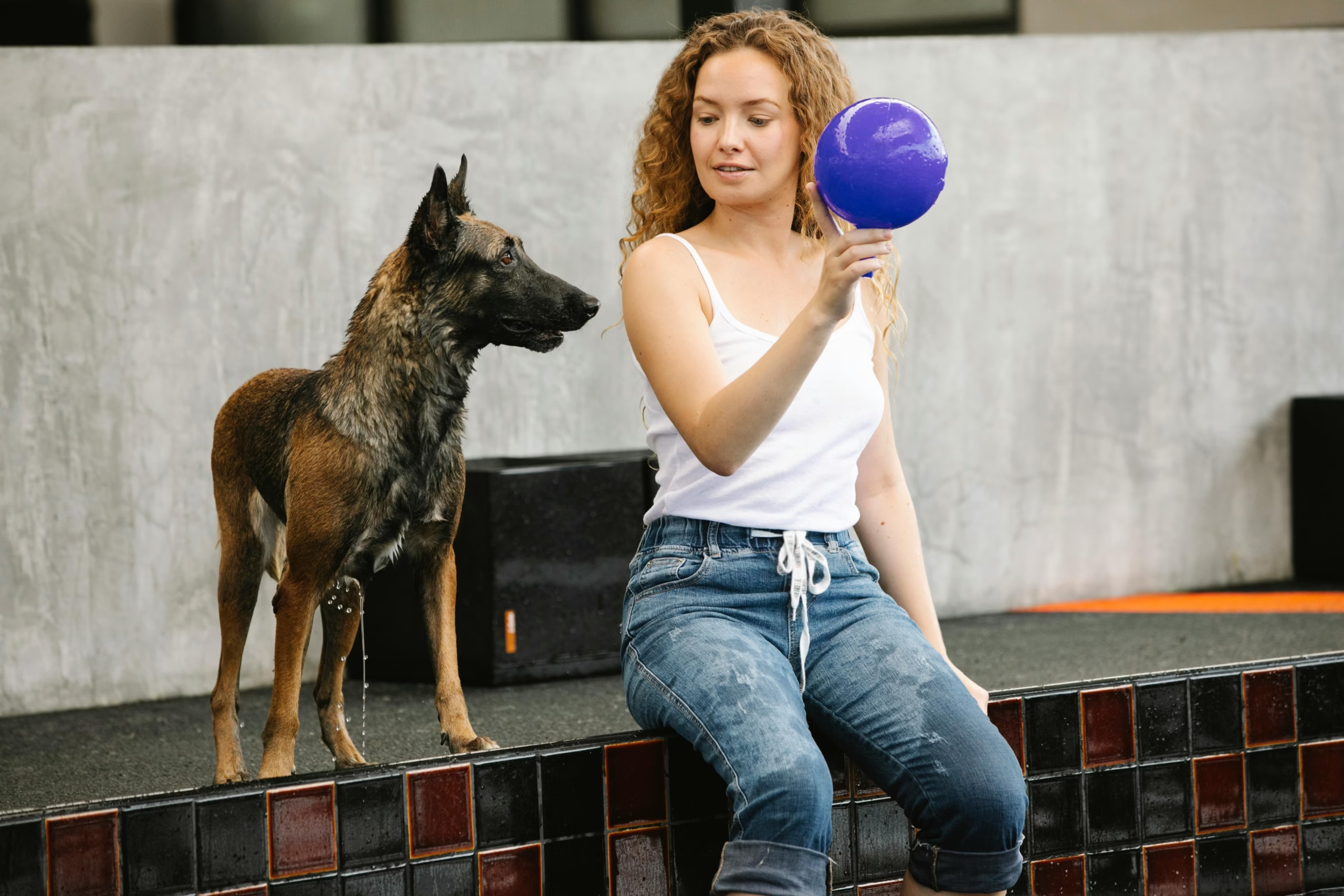
Can Adult Dogs Eat Puppy Food? Find out the risks & benefits of feeding puppy food to adult dogs. Is Puppy Food for Adult Dogs a good idea? Learn the truth about adult dog eating puppy food! Discover expert advice now.
Can Adult Dogs Eat Puppy Food? A Comprehensive Guide
Many pet owners wonder, “Can adult dogs eat puppy food?” The short answer is: it’s generally not recommended, but there are some nuanced situations where it might be considered. This comprehensive guide will delve into the nutritional differences between puppy and adult dog food, the potential consequences of feeding adult dogs puppy food, and when a temporary switch might be appropriate. Understanding these factors will help you make informed decisions about your dog’s diet and overall health.
Why Puppy Food is Different: Nutritional Needs of Growing Dogs
Puppy food is formulated to meet the specific nutritional needs of rapidly growing puppies. Puppies require a higher calorie density to support their bone and muscle development, as well as a higher concentration of certain nutrients like protein and calcium. These crucial nutrients are essential for proper skeletal development and overall growth. A puppy’s rapid growth phase is a critical period in its life, and the right nutrition is paramount to their healthy future. For instance, ensuring proper canine teeth eruption is vital, and a balanced diet plays a key role (check out this related article on when canine teeth erupt in horses, though the principles apply more broadly: https://pupquotes.com/blog/when-do-canine-teeth-erupt-in-the-horse/). This contrasts sharply with the needs of an adult dog.
Adult dogs, on the other hand, require a different balance of nutrients. Their growth has plateaued, and their energy requirements are generally lower. Feeding an adult dog puppy food can lead to a variety of health problems. While it might seem like you’re giving them a boost of nutrients, you’re actually risking their well-being.
Puppy Food for Adult Dogs: Potential Health Risks
Can adult dogs eat puppy food consistently? The answer is a resounding no. Long-term consumption of puppy food by adult dogs can lead to several issues, including:
Obesity: Puppy food’s higher calorie density can easily lead to weight gain in adult dogs, increasing their risk of obesity-related diseases like diabetes and joint problems. Obesity places unnecessary stress on their joints and organs.
Digestive Issues: The richer, higher-fat content of puppy food can upset the digestive system of adult dogs, leading to diarrhea, vomiting, or other gastrointestinal distress. It’s important to note that even occasional upset stomachs can impact your dog’s overall wellness. A healthy gut is essential for proper nutrient absorption, contributing to their overall health and wellbeing.
Nutritional Imbalances: The excess of certain nutrients in puppy food, such as protein and calcium, can lead to long-term health problems in adult dogs. An excess of calcium, for example, can contribute to urinary tract issues.
Increased Risk of Canine Diseases: While a healthy diet is not a guarantee of preventing all diseases, providing your dog with the correct nutrition can significantly reduce the risks. Maintaining a good diet helps your dog in fighting against diseases like Canine Bordetella (https://pupquotes.com/blog/what-is-canine-bordetella/) or ensuring a successful Canine DHPP vaccine response (https://pupquotes.com/blog/what-is-canine-dhpp-vaccine/). An unhealthy diet puts undue pressure on the immune system.
When Might Adult Dog Eating Puppy Food Be Considered?
While generally not recommended, there are very limited situations where briefly feeding an adult dog puppy food might be considered under strict veterinary guidance:
Recovery from Illness or Surgery: In certain cases, a veterinarian may recommend a higher-calorie, nutrient-dense food like puppy food to help an adult dog recover from illness or surgery. This is a temporary measure and should only be done under professional supervision.
Severe Weight Loss: If an adult dog has experienced significant weight loss due to illness or other factors, a veterinarian might temporarily suggest a higher-calorie diet to help them regain weight. Again, this is a short-term solution and requires veterinary oversight.
It is crucial to remember that this should only be done with explicit veterinary approval and monitoring. The potential risks far outweigh the benefits in most cases.
Choosing the Right Food for Your Adult Dog
Selecting appropriate adult dog food is crucial for maintaining their health and longevity. Look for food that’s formulated for your dog’s age, breed, size, and activity level. Read labels carefully, paying attention to the guaranteed analysis, which shows the percentages of protein, fat, and fiber. The American Veterinary Medical Association (AVMA) and the Association of American Feed Control Officials (AAFCO) are valuable resources that provide information on nutrition and feed standards. Always consult with your veterinarian to determine the best diet for your dog. They can assess your dog’s individual needs and recommend appropriate food options. They can also advise on managing issues like potential canine carry-outs, ensuring your dog receives the best care possible (https://pupquotes.com/blog/are-canine-carry-outs-good-for-dogs/). Remember, a balanced diet plays a crucial role in your dog’s oral health, including knowing when canine teeth fall out (https://pupquotes.com/blog/when-do-canine-teeth-fall-out/).
Understanding the Differences: A Closer Look at Nutritional Composition
Puppy food and adult dog food differ significantly in their macronutrient profiles. Puppy food generally contains a higher percentage of protein and fat to fuel their rapid growth, while adult dog food offers a balanced ratio to maintain a healthy weight and energy levels. The higher calcium content in puppy food is crucial for developing bones in puppies, but excessive calcium in adult dogs can lead to health problems. Understanding these fundamental differences is key to making informed decisions about your dog’s diet. Consulting reputable resources like the AVMA and AAFCO websites can provide further insights into recommended nutrient levels for dogs of different life stages. These organizations offer valuable information and guidelines to help dog owners make informed choices.
The Bottom Line on Can Adult Dogs Eat Puppy Food?
In conclusion, while there are rare exceptions under veterinary supervision, the answer to “Can adult dogs eat puppy food?” is generally no. The long-term health risks associated with feeding adult dogs puppy food significantly outweigh any potential benefits. The best way to ensure your adult dog thrives is to feed them a high-quality, age-appropriate food formulated to meet their specific nutritional needs. Always consult with your veterinarian to create a personalized nutrition plan for your canine companion. Understanding your dog’s dietary needs is crucial for their health and happiness.
For further information, you can consult these reputable sources:
- American Veterinary Medical Association (AVMA)
- Association of American Feed Control Officials (AAFCO)
- The Waltham Centre for Pet Nutrition
Now we want to hear from you! Have you ever accidentally given your adult dog puppy food? Share your experiences and insights in the comments below, using keywords like “Adult Dog Eating Puppy Food,” “Puppy Food for Adult Dogs,” or “Can Adult Dogs Eat Puppy Food?” to help other readers. Your experiences can be invaluable to others!

Frequently Asked Questions: Can Adult Dogs Eat Puppy Food?
1. Can adult dogs eat puppy food?
While an adult dog can eat puppy food, it’s generally not recommended for long-term feeding. Puppy food is formulated with higher calorie and nutrient levels to support rapid growth, which an adult dog doesn’t need. Feeding an adult dog Puppy Food for Adult Dogs consistently can lead to weight gain and other health problems.
2. What happens if my adult dog eats puppy food?
A small amount of puppy food likely won’t cause serious harm. However, long-term consumption of Puppy Food for Adult Dogs can result in obesity, diarrhea, vomiting, and potentially pancreatitis. It’s best to stick to food formulated for their life stage.
3. Is puppy food better for my adult dog than adult dog food?
No. Puppy food is designed for puppies’ specific nutritional needs during their growth spurt. Adult Dog Eating Puppy Food might seem beneficial in the short term, but the higher calorie content isn’t necessary for a fully grown dog and can be detrimental to their health. Check out our article on canine vaccines, such as the canine DHPP vaccine, to ensure your dog receives appropriate preventative care.
4. My adult dog is picky; will puppy food make them eat better?
While a change in food might temporarily increase your dog’s appetite, this isn’t a long-term solution. Switching to puppy food will only address the symptom, not the cause. It is vital to consult your vet to find out why your dog has suddenly become a picky eater. Don’t forget to check our blog on Canine Bordetella for potential underlying health concerns: What is Canine Bordetella.
5. My senior dog is losing weight; should I switch to puppy food?
No. Weight loss in senior dogs often indicates underlying health issues, and switching to Puppy Food for Adult Dogs will not solve the problem. Consult your veterinarian immediately. They can determine the cause and recommend a suitable diet, possibly one with a higher calorie count specifically designed for senior dogs.
6. Can puppy food help my adult dog gain weight?
While puppy food has higher calories, it’s not the best solution for weight gain in adult dogs. The increased fat and protein can exacerbate health problems. Your vet can recommend a weight-gain formula better suited to your dog’s needs.
7. How long can my adult dog eat puppy food before it’s harmful?
There’s no set timeframe. The longer your adult dog eats puppy food, the higher the risk of health problems. Even a short period of consistent consumption of Puppy Food for Adult Dogs can lead to negative consequences.
8. My dog accidentally ate some puppy food. Should I worry?
A small accidental ingestion of puppy food is unlikely to cause harm. Monitor your dog for any unusual symptoms like vomiting or diarrhea. If you’re concerned, consult your veterinarian.
9. Is there a specific type of puppy food better for adult dogs?
No. All puppy foods are formulated for growing puppies, and no variety is better suited for adult dogs. Sticking to food specifically designed for adult dogs is always the safest choice. If you are concerned about your dog’s teething process, you can learn more about when canine teeth fall out.
10. Are canine carry-outs a good alternative to puppy food for my adult dog?
No. While canine carry-outs might seem like a convenient option, they often lack the nutritional balance required for an adult dog’s needs. Similarly, it’s important to remember that canine teeth development differs in other species, such as understanding when canine teeth erupt in horses. Always choose a food specifically formulated for adult dogs.

Can Adult Dogs Eat Puppy Food? A Practical Guide
While it might seem harmless to feed your adult dog puppy food, it’s crucial to understand the potential implications for their health. Puppy food is formulated to meet the higher nutritional demands of rapidly growing puppies. Adults have different needs, and consistently feeding them puppy food can lead to several health problems.
Nutritional Differences: Why Puppy Food Isn’t Ideal for Adults
Puppy food is typically higher in calories, fat, and protein than adult dog food. This is essential for puppies developing bones, muscles, and immune systems. However, for adult dogs, this increased calorie density can contribute to:
- Weight gain and obesity: Excess calories are stored as fat, increasing the risk of obesity and associated health issues like diabetes, arthritis, and heart disease. This is especially concerning for less active adult dogs.
- Digestive upset: The higher fat content in puppy food can cause diarrhea or vomiting in some adult dogs, leading to discomfort and potential dehydration. This is particularly important given how crucial proper digestion is for preventing other illnesses such as canine bordetella. (https://pupquotes.com/blog/what-is-canine-bordetella/)
- Nutrient imbalances: Adult dogs require a different balance of nutrients than puppies. While puppy food provides ample nutrients for growth, it may not have the right ratio for the maintenance needs of an adult dog. This could lead to deficiencies or excesses of certain vitamins and minerals over time.
When Puppy Food Might Be Appropriate
There are limited exceptions where supplementing an adult dog’s diet with puppy food might be considered, always under veterinary supervision:
- Recovery from illness or surgery: A veterinarian may recommend a higher-calorie diet temporarily to help a dog regain weight and strength after a serious illness or surgery. This should be a short-term solution tailored to the individual dog’s needs.
- Underweight or malnourished dogs: If an adult dog is significantly underweight due to poor appetite or other health problems, the vet might suggest a temporary transition to a higher-calorie food like puppy food. The underlying cause of their weight issues needs to be addressed.
Health Concerns and Considerations
Feeding your adult dog puppy food long-term can lead to various health issues. Regular veterinary check-ups are essential to monitor their weight, monitor for any signs of illness, and address any concerns related to canine DHPP vaccine (https://pupquotes.com/blog/what-is-canine-dhpp-vaccine/) which are essential preventative measures even with a balanced diet.
Feeding your dog table scraps or questionable “canine carry-outs” (https://pupquotes.com/blog/are-canine-carry-outs-good-for-dogs/) should also be avoided, as these can create further nutritional imbalances and health problems. It’s important to know your dog’s diet and understand that dental health is vital. Understanding when canine teeth erupt (https://pupquotes.com/blog/when-do-canine-teeth-erupt-in-the-horse/) and when they fall out (https://pupquotes.com/blog/when-do-canine-teeth-fall-out/) helps in monitoring overall oral hygiene and potentially related dietary needs.
Conclusion
While there are exceptions, it is generally not advisable to feed adult dogs puppy food regularly. Adult dogs need a balanced diet specifically formulated for their life stage to maintain their health and well-being. Always consult your veterinarian before making significant changes to your dog’s diet. They can help determine the best nutritional plan based on your dog’s age, breed, activity level, and overall health.
Can Adult Dogs Eat Puppy Food, Puppy Food for Adult Dogs, Adult Dog Eating Puppy Food