
When Can You Give A Puppy A Bath? Find the perfect puppy bathing schedule & learn how often to bathe a puppy. Get expert tips for a clean, happy pup!
When Can You Give A Puppy A Bath? A Comprehensive Guide to Puppy Bathing
Bringing a new puppy home is an exciting time, filled with playful moments and endless cuddles. However, maintaining your puppy’s hygiene is crucial for their health and well-being. One common question new pet parents ask is: When Can You Give A Puppy A Bath? This comprehensive guide will delve into the intricacies of puppy bathing, providing you with a clear understanding of when, how often, and how to bathe your furry friend safely and effectively.
Puppy Bathing Schedule: Establishing a Routine
Determining the right Puppy Bathing Schedule is essential. Over-bathing can strip your puppy’s skin of its natural oils, leading to dryness, irritation, and potential skin problems. Under-bathing, on the other hand, can result in a build-up of dirt, bacteria, and unpleasant odors. The frequency of bathing depends largely on your puppy’s breed, coat type, and activity level.
Generally, most puppies don’t require frequent baths. Waiting until they are at least eight weeks old and have completed their core vaccines (like the Canine DHPP vaccine – learn more about its importance here: https://pupquotes.com/blog/what-is-canine-dhpp-vaccine/, the Canine DA2PP vaccine – read more here: https://pupquotes.com/blog/what-is-canine-da2pp-vaccine/, and the Canine Bordetella vaccine – find out more here: https://pupquotes.com/blog/what-is-canine-bordetella-vaccine/) is recommended. This allows their immune system to strengthen, reducing their vulnerability to infections. Before eight weeks, spot cleaning with a damp cloth is usually sufficient.
How Often To Bathe A Puppy? A Breed-Specific Approach
How Often To Bathe A Puppy is heavily influenced by their breed. Short-haired breeds like Labradors typically require less frequent baths than long-haired breeds like Shih Tzus. Long-haired puppies are prone to matting and tangles, requiring more frequent grooming and occasional baths to prevent these issues. Even within a breed, individual puppies may have varying needs. Observe your puppy’s coat and skin; if it appears clean and healthy, less frequent baths are ideal. If you notice excessive dirt, odor, or matting, a bath might be necessary.
When Can You Give A Puppy A Bath? Age and Vaccination Considerations
As mentioned earlier, waiting until your puppy is at least eight weeks old is generally advisable. Before this age, their immune system is still developing, making them more susceptible to infections. Furthermore, ensure your puppy has completed their core vaccinations. Exposure to other dogs at a groomer’s or even during a bath at home could pose risks before they are fully vaccinated. This is especially true if they haven’t had their full course of vaccinations, including protection against canine parvovirus and distemper.
Moreover, consider your puppy’s overall health. If they are experiencing illness, diarrhea, or any other health concerns, postpone the bath until they have recovered. Bathing a sick puppy could worsen their condition.
Preparing for Your Puppy’s First Bath: A Step-by-Step Guide
Once your puppy is old enough and healthy, preparing for their first bath is crucial for a stress-free experience. Gather all necessary supplies beforehand, including:
- Puppy shampoo designed for sensitive skin – avoid human shampoos as they can disrupt your puppy’s skin pH balance.
- Several soft towels
- A non-slip mat for the bathtub or sink
- A warm-water pitcher or detachable shower head (avoid using a spray nozzle that might frighten your puppy)
- Optional: Puppy treats to reward good behavior
- Optional: A grooming glove to help with brushing and removing loose hair.
Before the bath, gently brush your puppy to remove loose hair and mats. This will prevent them from matting during the bath and make it easier to wash them thoroughly.
The Bathing Process: Keeping Your Puppy Calm and Comfortable
The bath itself should be a positive experience. Start by slowly introducing your puppy to the water, allowing them to explore the bathtub or sink without being submerged. Use lukewarm water – never hot water – and gently wet their coat, avoiding their eyes and ears.
Apply a small amount of puppy shampoo and gently massage it into their fur. Pay particular attention to areas that tend to accumulate dirt, such as their paws, tail, and underbelly. Rinse thoroughly to remove all traces of shampoo. Use a detachable showerhead or a jug to rinse effectively and make sure to rinse under their legs and belly. Failure to rinse completely can lead to skin irritation.
After rinsing, wrap your puppy in a towel and gently dry their coat. You can use a hairdryer on a low setting, but be cautious to avoid burning your puppy’s skin. Positive reinforcement, such as treats and praise, throughout the entire process will make it a more positive experience. Reward them frequently, and try to create a calm and comfortable environment for them.
Post-Bath Care: Maintaining Your Puppy’s Healthy Coat
After the bath, ensure your puppy is completely dry to prevent them from getting chilled. Depending on your puppy’s breed, you may need to brush them again to prevent matting. Regular brushing is crucial, regardless of whether they’ve been bathed, to maintain a healthy coat and prevent shedding.
Remember to trim your puppy’s nails regularly as well. It’s usually advisable to start this process early to acclimate them to nail trimming. As puppies grow, their deciduous teeth fall out. Learning when these when do canine teeth fall out is part of responsible pet ownership. And knowing when the adult teeth erupt, for example, when do canine teeth erupt in the horse, will help you understand the overall growth of their jawline.
Addressing Specific Concerns: Allergies and Skin Conditions
Some puppies have sensitive skin or allergies that may require a more specialized approach to bathing. If your puppy exhibits signs of skin irritation, such as excessive scratching, redness, or hair loss, consult your veterinarian. They can diagnose any underlying conditions and recommend appropriate shampoos and treatments. Using the wrong shampoo can exacerbate skin conditions.
Beyond Bathing: Maintaining Overall Hygiene
Bathing is only one aspect of maintaining your puppy’s hygiene. Regular brushing, nail trimming, and ear cleaning are equally important. Provide your puppy with fresh water at all times and maintain a clean environment to minimize the need for frequent baths.
Furthermore, monitor your puppy’s coat and skin for any abnormalities. Early detection of potential issues can significantly improve the prognosis. Remember to observe your pet closely and address any problems you notice early on.
External Resources for Further Information
For more in-depth information on canine hygiene, you can refer to these reputable resources:
- The American Kennel Club (AKC): [Insert AKC link related to puppy care here – replace with a real link]
- The American Veterinary Medical Association (AVMA): [Insert AVMA link related to puppy care here – replace with a real link]
Conclusion: Sharing Your Puppy Bathing Experiences
Understanding when can you give a puppy a bath, establishing a suitable puppy bathing schedule, and knowing how often to bathe a puppy are all critical aspects of responsible pet ownership. Remember, every puppy is unique; adapt these guidelines to your individual puppy’s needs and always prioritize their health and well-being.
We encourage you to share your experiences and tips on puppy bathing in the comments below. What are your favorite puppy shampoos? What strategies have you found helpful in making bath time a positive experience for your furry friend? Let’s learn from each other!
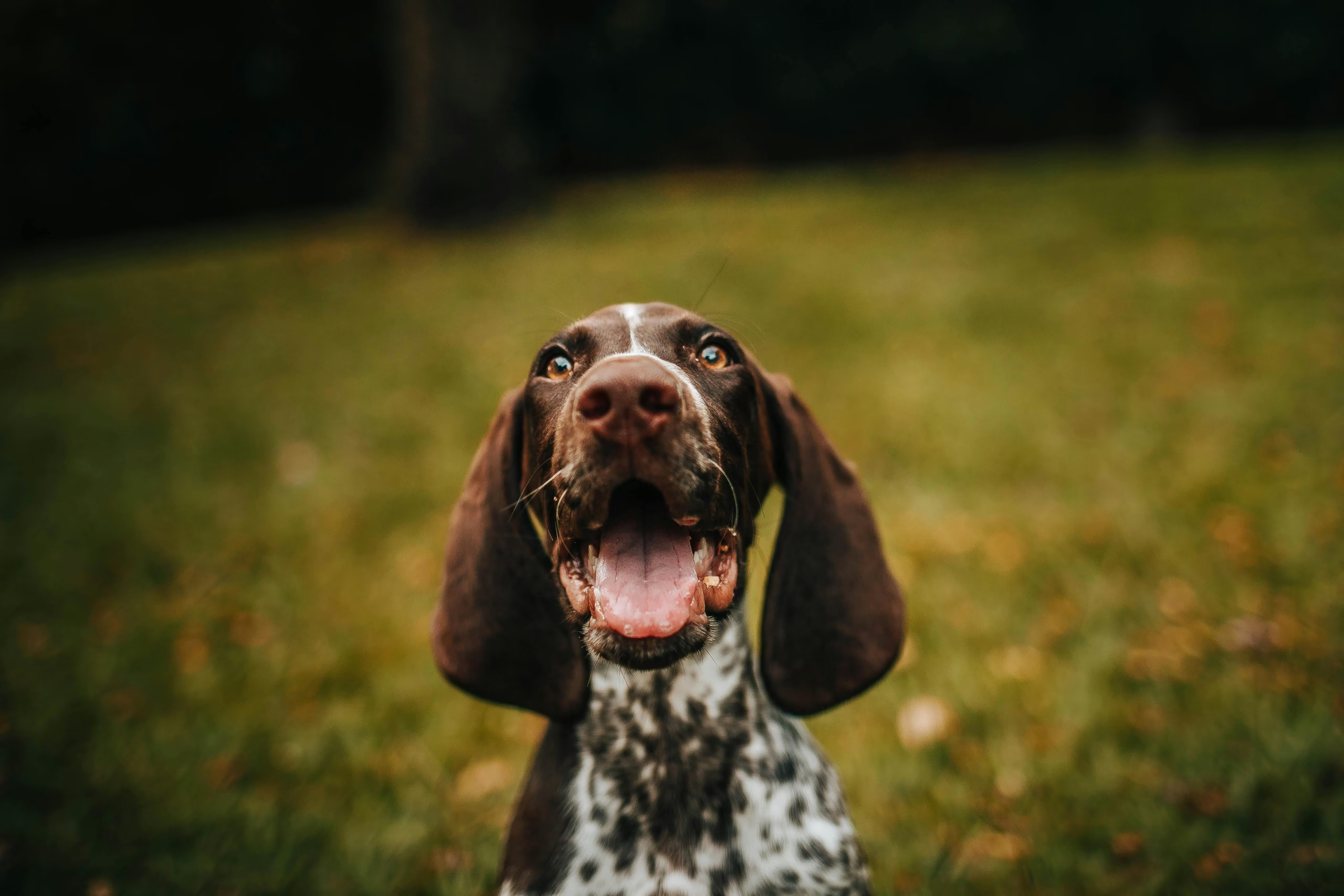
Frequently Asked Questions: When Can You Give a Puppy a Bath?
1. When can I give my puppy their first bath?
Generally, you should wait until your puppy is at least 8 weeks old and has received their initial vaccinations, including the Canine DHPP vaccine (https://pupquotes.com/blog/what-is-canine-dhpp-vaccine/), and the Canine DA2PP vaccine (https://pupquotes.com/blog/what-is-canine-da2pp-vaccine/). Before this, their immune systems are still developing, making them vulnerable to infections. This timing also often coincides with the completion of their Canine Bordetella vaccine (https://pupquotes.com/blog/what-is-canine-bordetella-vaccine/). This ensures a safer and healthier first bath experience. Your vet can provide specific guidance for your puppy’s Puppy Bathing Schedule.
2. How often should I bathe my puppy?
Over-bathing can strip your puppy’s skin of its natural oils. A good Puppy Bathing Schedule involves bathing only when necessary, typically every 4-8 weeks. More frequent baths might be needed if your puppy gets particularly dirty, but avoid excessive washing.
3. My puppy is only 6 weeks old and is very dirty. Can I bathe them?
It’s best to avoid bathing your puppy before 8 weeks old due to their underdeveloped immune system. Try spot cleaning with a damp cloth instead. Consult your veterinarian for advice on cleaning your puppy safely before their vaccinations are complete.
4. What is the best Puppy Bathing Schedule for a small breed puppy?
The Puppy Bathing Schedule remains similar for small and large breeds: every 4-8 weeks unless they get exceptionally dirty. However, small breeds may dry quicker, making it slightly easier to manage the bathing process.
5. My puppy hates baths! How can I make bath time less stressful?
Make bath time a positive experience. Use warm (not hot) water, puppy-specific shampoo, and plenty of treats and praise. Introduce your puppy to the bath gradually, allowing them to explore the tub before introducing water.
6. What kind of shampoo should I use for my puppy’s first bath?
Use a mild, puppy-specific shampoo. Avoid human shampoos as these can irritate your puppy’s sensitive skin.
7. Can I use regular human shampoo on my puppy?
No, avoid using human shampoos. They have different pH levels and can dry out your puppy’s skin and lead to skin irritation. Always opt for a puppy-specific shampoo.
8. When does a puppy’s immune system fully develop?
While some aspects of their immune system strengthen through the initial vaccination process, it takes several months before your puppy’s immune system is fully developed. The timing of when can you give a puppy a bath should consider this.
9. My puppy has just gotten their adult teeth. Does this impact their How Often To Bathe A Puppy?
No, the eruption of adult teeth (https://pupquotes.com/blog/when-do-canine-teeth-erupt-in-the-horse/) or the falling out of puppy teeth (https://pupquotes.com/blog/when-do-canine-teeth-fall-out/) doesn’t directly affect How Often To Bathe A Puppy. Maintain a consistent Puppy Bathing Schedule based on their cleanliness, not dental development.
10. What should I do if my puppy gets sick after a bath?
If your puppy becomes unwell after a bath, contact your veterinarian immediately. This could be unrelated, but it’s crucial to rule out any complications. Ensure the water temperature was appropriate and that you used a safe shampoo.

When Can You Give a Puppy a Bath?
Bathing your new puppy is important for hygiene, but doing it too early or too often can be harmful. Here’s a guide to help you determine the right time and ensure a safe and positive experience.
Timing is Key
Generally, you shouldn’t bathe a puppy until they are at least 8 weeks old and have received their initial series of core vaccines, including the Canine DHPP vaccine https://pupquotes.com/blog/what-is-canine-dhpp-vaccine/. This is because puppies have underdeveloped immune systems before this age, making them vulnerable to infections. Waiting until after the completion of the Canine DA2PP vaccine https://pupquotes.com/blog/what-is-canine-da2pp-vaccine/ series and the Canine Bordetella vaccine https://pupquotes.com/blog/what-is-canine-bordetella-vaccine/ also helps mitigate risks. Before 8 weeks, spot cleaning with a damp cloth is sufficient for most situations.
Health Considerations Before Bathing
Before giving your puppy their first bath, consider these factors:
- Puppy’s health: Ensure your puppy is healthy and free from any skin conditions or illnesses. If you have any concerns, consult your veterinarian.
- Breed: Some breeds have thicker coats that require less frequent bathing than others. Your vet can advise on a bathing schedule appropriate for your puppy’s breed.
- Environment: Avoid bathing your puppy when the weather is extremely cold or hot.
The Bathing Process: Gentle and Safe
- Use Puppy-Specific Shampoo: Adult dog shampoos can be harsh on a puppy’s delicate skin. Use a mild, puppy-specific shampoo.
- Warm Water: Use lukewarm water; avoid hot or cold water.
- Avoid Getting Water in the Ears: This can lead to ear infections. Use cotton balls to gently clean the outer ear.
- Thorough Rinse: Ensure all shampoo is rinsed completely to avoid skin irritation.
- Towel Dry: Thoroughly towel dry your puppy. A hairdryer can be used on a low setting, keeping it at a safe distance from your pup’s skin.
Frequency of Baths
Once your puppy is old enough and has completed their vaccinations, bathing should be infrequent. Over-bathing can strip their skin of essential oils, leading to dryness and irritation. Most puppies only need a bath every 4-8 weeks, or only when visibly dirty. Between baths, spot cleaning will usually suffice.
Puppy Development and Bathing
While you’re waiting for your puppy to be old enough for their first bath, remember key developmental milestones. For instance, be aware of when their baby teeth fall out https://pupquotes.com/blog/when-do-canine-teeth-fall-out/ and when their adult teeth erupt https://pupquotes.com/blog/when-do-canine-teeth-erupt-in-the-horse/, as these can coincide with other developmental changes. This knowledge will help you understand your puppy’s overall health and developmental progress.
By following these tips, you can ensure your puppy’s first bath is a positive and safe experience, setting the stage for a healthy and happy life together. Always consult your veterinarian if you have any concerns about your puppy’s health or grooming needs.
When Can You Give A Puppy A Bath, Puppy Bathing Schedule, How Often To Bathe A Puppy