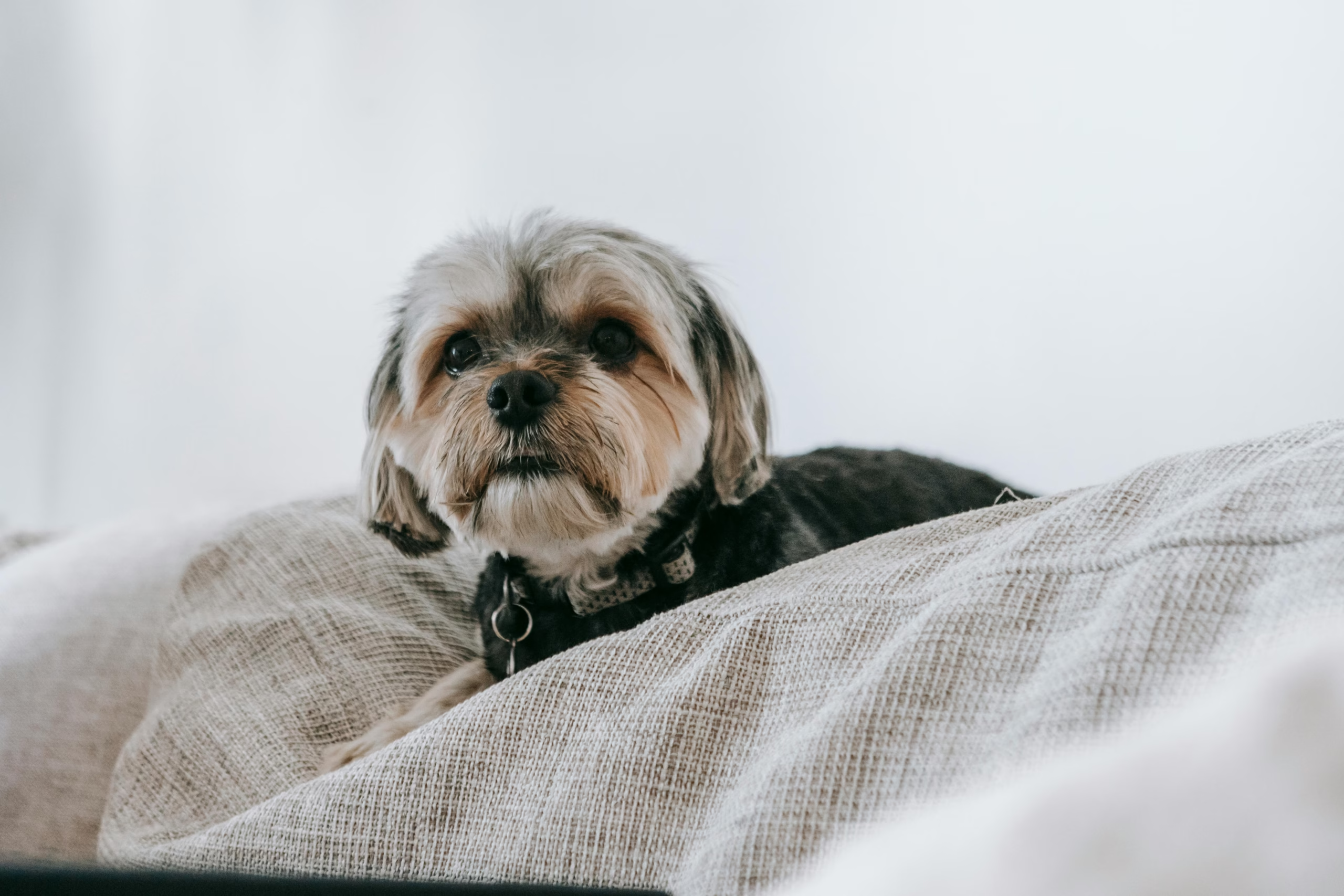
Discover when your puppy can sleep through the night! Learn puppy sleep training tips & tricks. Find out how long a puppy should sleep & get the rest you deserve. Expert advice for better sleep for you & your pup!
When Can A Puppy Sleep Through The Night? A Comprehensive Guide to Puppy Sleep Training
Bringing home a new puppy is an exciting time, filled with playful cuddles and endless adorable moments. However, the initial weeks can be challenging, especially when it comes to sleep. One of the most frequently asked questions new puppy owners have is: When can a puppy sleep through the night? This comprehensive guide will delve into the intricacies of puppy sleep, puppy sleep training, and provide you with practical strategies to help your furry friend achieve a good night’s rest – and help you get some too!
Understanding Puppy Sleep Patterns: How Long Do Puppies Sleep?
Before we address when can a puppy sleep through the night, it’s crucial to understand a puppy’s natural sleep patterns. Unlike adult dogs, puppies sleep significantly more. Very young puppies, especially those under 8 weeks old, can sleep up to 18-20 hours a day! This extended sleep is essential for their physical and neurological development. This substantial sleep requirement is broken up into shorter naps throughout the day and night.
During these early weeks, their tiny bodies are working hard, growing rapidly, and developing their immune systems. Getting enough sleep is paramount; proper sleep supports the function of their immune system, including protecting them from diseases like those requiring the canine DHPP vaccine and the canine Bordetella vaccine. A well-rested puppy is also better equipped to fight off infections like those caused by the bacteria covered by the canine Bordetella protection. You should be discussing all this with your veterinarian, especially regarding the timing of vaccines like the canine DHPP vaccine and the canine Bordetella vaccine.
As puppies grow, their sleep patterns gradually shift. The length of their sleep cycles increases, and the number of nighttime awakenings decreases. However, the exact timeline varies significantly depending on several factors, which we’ll explore in detail below.
Factors Affecting When a Puppy Sleeps Through the Night
Several factors influence when your puppy finally achieves that coveted “sleep through the night” milestone. These factors include:
Age: This is perhaps the most significant factor. Very young puppies, typically under 4 months old, have small bladders and need more frequent potty breaks, interrupting their sleep. As they mature, their bladder capacity increases, allowing for longer stretches between bathroom trips. Knowing how long do puppies sleep at different ages will give you a better understanding of what to expect.
Breed: Larger breeds tend to have larger bladders and may sleep through the night earlier than smaller breeds. However, individual variations within breeds exist.
Health: Illness or discomfort can significantly disrupt your puppy’s sleep. If your puppy is frequently waking up and seems unwell, consult your veterinarian to rule out any underlying health issues. Remember to ensure all their routine vaccinations, like the canine DHPP vaccine, are up-to-date.
Feeding Schedule: Feeding your puppy too late at night can lead to more frequent nighttime awakenings. Establishing a consistent feeding schedule that ends a couple of hours before bedtime is crucial.
Sleep Environment: A comfortable, safe, and quiet sleep environment can greatly improve your puppy’s sleep. A cozy bed, darkness, and minimal distractions all contribute to better sleep.
Training: Effective puppy sleep training involves consistency, patience, and positive reinforcement. It’s not just about waiting for them to grow out of it; active training plays a vital role.
Puppy Sleep Training: Strategies for Success
Achieving uninterrupted nighttime sleep isn’t about waiting; it’s about implementing effective puppy sleep training techniques. Here are some practical strategies:
Establish a Consistent Bedtime Routine: Just like humans, puppies thrive on routine. A predictable bedtime routine, such as a final potty break, a quiet playtime session, and then settling into their bed, can signal to your puppy that it’s time to sleep.
Create a Suitable Sleep Space: Your puppy needs a safe, comfortable, and quiet space to sleep. This could be a crate, a dog bed, or a designated area in your bedroom. Ensure it’s free from drafts, excessively bright lights, and loud noises.
Avoid Nighttime Interaction: It might be tempting, but avoid reinforcing nighttime awakenings by interacting with your puppy when they cry. Ignoring them (within reason; make sure they aren’t genuinely distressed), may help them learn to self-soothe and sleep through the night.
Potty Training Consistency: Proper potty training is paramount. Regular potty breaks before bedtime and throughout the night (initially) are crucial. Accidents can interrupt your puppy’s sleep and yours.
Positive Reinforcement: Reward your puppy’s successes. If they manage to sleep for longer stretches without needing to go out, reward them with praise and treats in the morning. Never punish them for accidents; it’s counterproductive to puppy sleep training.
Gradual Crate Training: For many puppies, crate training is incredibly helpful. A crate provides a safe and secure den-like environment where puppies feel comfortable settling down. Introduce crate training gradually and positively, making it a happy space associated with comfort and security. Remember to avoid using the crate as a punishment; instead, make it a cozy place for sleep and quiet time.
When Can You Expect Results? A Timeline for Puppy Sleep
While there’s no magic number, most puppies start sleeping longer stretches at night between 4-6 months old. By 6-8 months, many puppies can sleep through the night without needing to go out, depending on the factors we’ve discussed. This often coincides with their permanent teeth coming in (you may want to look up more info on when do canine teeth erupt in the horse to understand more about the canine teeth growth in mammals). However, remember that some larger breeds might take slightly longer, while smaller breeds might achieve this earlier.
If your puppy is consistently waking you every hour, you are likely missing some steps in the puppy sleep training process. Be patient and consistent. If after implementing the strategies described, your puppy still is not making progress, consult with a professional dog trainer or your veterinarian. They can offer further guidance and potentially diagnose underlying issues.
Addressing Common Challenges in Puppy Sleep Training
Even with the best puppy sleep training strategies, challenges can arise. Here are some common issues and how to address them:
Separation Anxiety: If your puppy is crying out of anxiety, rather than needing to eliminate, create a comforting environment. A warm blanket, a comforting toy, or playing a soft, calming white noise soundtrack, can help soothe your pup.
Medical Issues: Underlying health issues such as ear infections or allergies can affect sleep. Consult your veterinarian if you suspect a health problem. They might advise you to consult a professional regarding what is canine bordetella, particularly if you suspect your dog is unwell.
Inconsistency: The key to successful puppy sleep training is consistency. Everyone in the household should adhere to the same routine and strategies to avoid confusing the puppy.
Conclusion: Patience and Consistency are Key
Learning when can a puppy sleep through the night is a journey, not a race. Be patient, consistent, and implement the puppy sleep training strategies outlined above. Remember that every puppy is unique, and their progress may differ. Celebrate small victories and don’t get discouraged by setbacks. This information is purely for educational purposes. Always consult your vet for any health concerns, especially when it comes to vaccinating your puppy, like with a canine DHPP vaccine.
For additional resources on puppy care and training, you can check out these reputable websites:
The American Society for the Prevention of Cruelty to Animals (ASPCA)
Now, we want to hear from you! Share your experiences with puppy sleep training in the comments below. What strategies worked best for you? What challenges did you face? Let’s help each other navigate this exciting, albeit sometimes sleep-deprived, phase of puppy parenthood!

Frequently Asked Questions: When Can a Puppy Sleep Through the Night?
1. When can my puppy sleep through the night?
There’s no magic age! It depends on breed, size, and your puppy sleep training methods. Small breeds might achieve this sooner (around 4-6 months), while larger breeds often take longer (6-8 months or even older). Consistent crate training and a good bedtime routine are key to success. How long do puppies sleep? This varies widely depending on age, but remember, consistency is crucial in your puppy sleep training.
2. My 8-week-old puppy is waking up every 2 hours. Is this normal?
Yes, at 8 weeks old, your puppy’s bladder is very small. They’ll need frequent potty breaks. Focus on consistent puppy sleep training and positive reinforcement. As they grow, their bladder capacity will increase.
3. My puppy is 4 months old and still wakes up several times a night. What should I do?
At 4 months, consistent puppy sleep training should be showing results. Review your routine: Is their bedtime consistent? Are they getting enough exercise during the day? Ensure they are properly house-trained, eliminating nighttime accidents. Consider consulting a vet to rule out medical issues.
4. What is a good puppy sleep training method?
Crate training is highly effective for puppy sleep training. It provides a safe and secure den, encouraging self-soothing. Establish a consistent bedtime routine, including a final potty break and quiet playtime before settling them in their crate. Avoid giving in to whining during the night – this reinforces unwanted behavior.
5. How long do puppies sleep in a 24-hour period?
Puppies sleep a lot – typically 18-20 hours a day! This extensive sleep is crucial for their growth and development. However, the sleep cycle is broken up into many short periods.
6. My puppy is teething. Is that affecting their sleep?
Teething can definitely disrupt sleep! The discomfort of erupting teeth, including the processes described in articles like ‘When do canine teeth erupt in the horse’ (though different species, the principle is similar), can be incredibly painful. Provide chew toys to ease the pain, and be extra patient. You can learn more about the teething process by reading our article on when canine teeth fall out.
7. Does my puppy need any vaccinations before I start sleep training?
Yes, ensuring your puppy has received their core vaccinations, such as the canine DHPP vaccine and the canine Bordetella vaccine (check out ‘What is canine DHPP vaccine’ and ‘What is canine Bordetella vaccine’ for more information) is crucial for their health and well-being before introducing them to the outside world for potty training. This also reduces the chances of illness affecting their sleep. For more on Bordetella, visit ‘What is canine Bordetella’.
8. Should I let my puppy sleep in my bed?
This is a personal choice. While co-sleeping might seem comforting, it can hinder independent sleep development. Crate training is generally recommended for better sleep training, ensuring a safe and comfortable space for your puppy.
9. My puppy sleeps all day and is still restless at night. What could be wrong?
If your puppy is sleeping excessively during the day yet still restless at night, consult your veterinarian. This could indicate an underlying medical issue requiring professional attention.
10. How long does puppy sleep training take?
The duration of puppy sleep training varies but requires patience and consistency. It’s a gradual process, and setbacks are normal. With persistent effort, most puppies achieve consistent nighttime sleep within a few months. Remember that regular consistency in your approach to puppy sleep training is key to success.

When Can a Puppy Sleep Through the Night?
Getting a puppy is exciting, but sleepless nights are a common reality for new pet parents. There’s no magic number for when a puppy will sleep through the night, as it depends on several factors. However, understanding these factors can help you manage expectations and encourage better sleep habits.
Factors Influencing Sleep Patterns
Age: Very young puppies (under 8 weeks) need to feed frequently, typically every 2-4 hours. As they get older, their bladders can hold more urine, and they’ll naturally sleep for longer stretches. This is also the period when their teeth are erupting (see when do canine teeth erupt in the horse) and falling out (when do canine teeth fall out), which can be disruptive.
Breed: Smaller breeds often have smaller bladders and may need more frequent potty breaks compared to larger breeds.
Health: A puppy with underlying health issues might wake more frequently due to discomfort. Ensure your puppy is up-to-date on its vaccinations, including the canine DHPP vaccine and canine Bordetella vaccine, to prevent illness that could lead to disrupted sleep. Learn more about canine Bordetella.
Training and Routine: Consistent crate training, a regular bedtime routine, and a calm, quiet sleep environment can significantly impact your puppy’s sleep habits.
Practical Tips for Better Sleep
Establish a Routine: A predictable bedtime routine, including a final potty break, helps your puppy understand it’s time to sleep.
Create a Comfortable Sleep Space: Provide a comfortable, safe, and appropriately sized crate or bed in a quiet area.
Potty Breaks: Plan frequent potty breaks, especially before bedtime and during the night, particularly for younger puppies.
Avoid Over-Stimulation Before Bed: Keep playtime and training sessions subdued in the evening to avoid over-excitation.
Patience and Consistency: It takes time and patience to train a puppy to sleep through the night. Consistency in your approach is key.
Health Considerations
Don’t hesitate to consult your veterinarian if your puppy:
- Is consistently waking up more than expected for their age.
- Shows signs of illness, such as lethargy, vomiting, or diarrhea.
- Experiences accidents despite consistent potty training.
While puppies eventually sleep through the night, the transition is gradual. Remember to be patient and consistent with your training and address any underlying health concerns. A well-rested puppy (and owner!) is a happy one.
When Can A Puppy Sleep Through The Night, puppy sleep training, how long should a puppy sleep