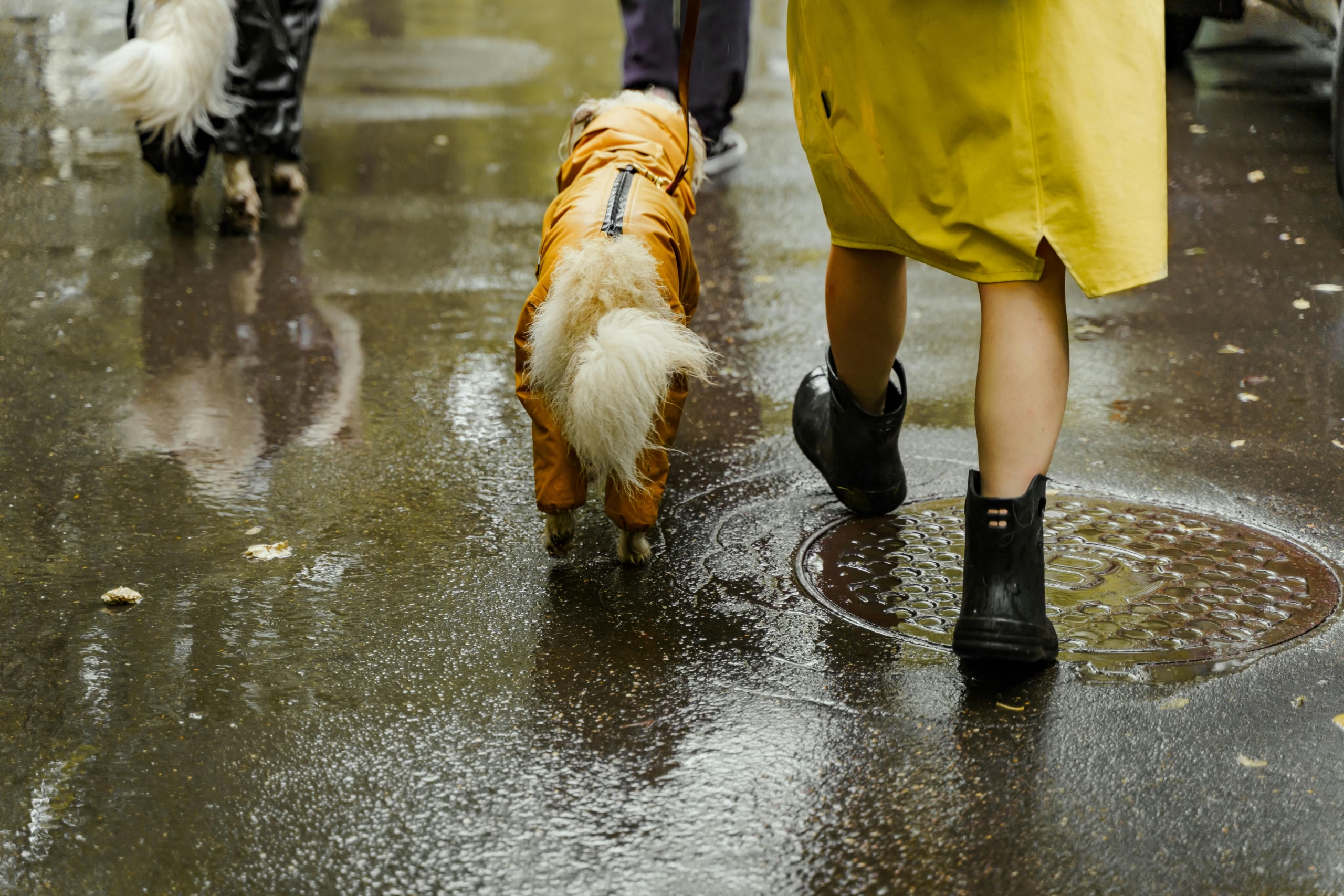
When To Begin Training A Puppy? Discover the ideal Puppy Training Schedule & start Early Puppy Training for a well-behaved dog! Learn essential tips & tricks for success.
When To Begin Training A Puppy: A Comprehensive Guide
Bringing home a new puppy is an incredibly exciting time, filled with playful cuddles and endless adorable moments. However, alongside the joy comes the responsibility of raising a well-adjusted, well-behaved canine companion. A crucial element of this responsibility is understanding when to begin training a puppy. This comprehensive guide will delve into the optimal timing, providing a structured puppy training schedule and emphasizing the importance of early puppy training.
The Ideal Time for Early Puppy Training: It’s Sooner Than You Think!
Many believe that puppy training can wait until the puppy is a little older, perhaps after they’ve completed their vaccinations. While waiting for complete vaccination is understandable (we’ll discuss this later), delaying training until then is a missed opportunity. The truth is, early puppy training, ideally starting from the moment they arrive in your home, is paramount for success. Puppies are remarkably receptive to learning from a very young age. Their brains are rapidly developing, and they’re eager to please their owners. This period of heightened learning ability allows for the establishment of foundational behaviors which build a strong groundwork for future training.
This early socialization period is crucial to preventing behavioral issues as they mature. Early exposure to different people, places, sounds, and experiences helps them adapt to their environment more easily. This makes them less likely to become fearful, anxious, or aggressive.
Building Your Puppy Training Schedule: A Week-by-Week Approach
A well-structured puppy training schedule is essential for consistency and success. While every puppy is an individual, and your schedule will need to adapt to their temperament, here’s a general guideline:
Weeks 1-4: House Training and Basic Obedience
This initial phase focuses on establishing a safe, consistent routine for house training. Accidents will happen, but consistent crate training and frequent potty breaks can minimize these. Begin introducing basic commands like “sit,” “stay,” and “come.” Keep training sessions short (5-10 minutes), fun, and reward-based. Positive reinforcement, using treats and praise, is far more effective than punishment.
Weeks 5-8: Expanding Commands and Socialization
Gradually expand the command repertoire, adding “down,” “leave it,” and “drop it.” This is also the time to focus heavily on socialization. Controlled introductions to other dogs, gentle children, and different environments will contribute significantly to their emotional well-being and reduce fear-based behaviors. Remember, during this time, your puppy will be receiving their core vaccinations, such as the canine DHPP vaccine and the canine Bordetella vaccine; consult your vet to address specific concerns about vaccination schedules and their impact on socialization. For more details on these, check out our articles on: what is canine DHPP vaccine, what is canine Bordetella vaccine, and what is canine Bordetella.
Weeks 9-12: Refining Behaviors and Advanced Training
By now, your puppy should have a good grasp of basic commands. This phase involves refining those commands and introducing more advanced ones. Start working on things like walking politely on a leash, staying in a designated area (such as a specific room), and coming when called reliably. This is also a crucial time to address any potential behavioral issues that may have emerged.
Beyond 12 Weeks: Ongoing Training and Enrichment
Puppyhood doesn’t end at 12 weeks. Ongoing training and mental enrichment are crucial for a well-rounded dog. Continue practicing commands, introducing new challenges, and providing opportunities for physical and mental stimulation. This prevents boredom, which often leads to behavioral problems.
Addressing Vaccination Concerns and When To Begin Training A Puppy
A common question surrounding when to begin training a puppy revolves around vaccination schedules. While you shouldn’t take your unvaccinated puppy to dog parks or other high-risk areas for exposure to disease, it doesn’t mean training should stop. Basic obedience and house training can begin immediately at home. The benefits of early puppy training far outweigh the risks associated with limited early socialization. Your vet can advise you on the appropriate timing for socialization given your puppy’s vaccination schedule. They can tell you when it is safe to start taking your puppy to more populated places, and you can continue reinforcing your training in these new places gradually.
Remember that your puppy’s canine teeth will be developing and erupting, and then falling out. You can learn more about the timeline for this process in our articles on when canine teeth erupt in the horse (yes, even though it’s about horses, the general principles apply), and when do canine teeth fall out.
The Importance of Consistency and Patience in Puppy Training
Successful puppy training hinges on consistency and patience. All members of the household must be on the same page, using the same commands and training techniques. Inconsistent training will only confuse your puppy and make it harder to establish desired behaviors. Remember, accidents happen, especially with young puppies. Don’t punish your puppy for accidents; instead, focus on rewarding good behavior.
Seeking Professional Help: When to Consult a Trainer
While many owners can successfully train their puppies at home, there are times when professional help is beneficial. If you encounter significant challenges with your puppy’s behavior, or if you feel overwhelmed, don’t hesitate to seek the assistance of a certified professional dog trainer. A trainer can provide personalized guidance, address specific behavioral issues, and ensure a positive training experience for both you and your puppy. Many resources can help you find qualified trainers, such as the Association of Professional Dog Trainers.
Remember, training should always be positive and rewarding. Avoid punishment-based methods, as these can damage your relationship with your dog and create fear and anxiety.
Beyond Basic Obedience: Enriching Your Puppy’s Life
While basic obedience is essential, remember that puppy training encompasses more than just commands. Providing your puppy with ample opportunities for mental and physical stimulation is equally important for their overall well-being. This could involve puzzle toys, interactive games, regular walks, and opportunities for social interaction with other dogs (once vaccinations are complete). A bored puppy is a mischievous puppy; a stimulated puppy is a happier, better-behaved puppy.
Remember to research breed-specific traits as well. Some breeds are naturally more prone to certain behavioral issues than others, understanding these predispositions can help you tailor your training approach accordingly.
Conclusion: Embark on the Journey of When To Begin Training A Puppy
When to begin training a puppy is not a question of “when,” but rather “now.” Starting early puppy training provides a solid foundation for a well-behaved and happy companion. Remember, consistency, patience, and positive reinforcement are key ingredients to success. By following a structured puppy training schedule and utilizing the advice provided in this guide, you can lay the groundwork for a lifetime of rewarding companionship with your furry friend.
We encourage you to share your experiences and tips in the comments section below! What has worked well for you in your puppy training journey? What challenges have you encountered? Let’s learn from each other’s experiences and help each other raise happy, well-behaved dogs.
External Resources:
- American Kennel Club (AKC): Puppy Training
- The American Veterinary Society of Animal Behavior (AVSAB): Choosing a Veterinarian
- ASPCA: Puppy Training

Frequently Asked Questions: When To Begin Training a Puppy
1. When should I start training my puppy?
The ideal time to begin training your puppy is as soon as you bring them home! Early puppy training, even from 8 weeks old, is crucial for establishing a strong bond and teaching basic commands. This early socialization period is vital for their development. Remember to factor in their vaccination schedule, ensuring they’ve received their necessary shots (like the canine DHPP vaccine – see more details here: https://pupquotes.com/blog/what-is-canine-dhpp-vaccine/) and the canine Bordetella vaccine (https://pupquotes.com/blog/what-is-canine-bordetella-vaccine/ and https://pupquotes.com/blog/what-is-canine-bordetella/), before exposing them to public areas. A consistent puppy training schedule is key.
2. Is it too late to start training my puppy at 6 months old?
No, it’s never too late! While early puppy training is beneficial, older puppies are still highly trainable. Focus on a positive reinforcement approach and adjust your puppy training schedule to their maturity level.
3. What should my puppy training schedule look like?
A good puppy training schedule incorporates short, frequent training sessions (5-15 minutes) several times a day. Avoid overwhelming your puppy. Consistency is more important than length.
4. How do I know if my puppy is ready for training?
Most puppies are ready to start learning basic commands around 8 weeks old. However, wait until after their initial vaccinations to prevent illness. Look for signs of attentiveness and engagement.
5. My puppy is teething – should I wait until it’s over to begin training?
No, teething shouldn’t prevent you from starting puppy training. The discomfort may make them less focused at times, but consistent, short sessions are still beneficial. Learn more about when canine teeth fall out here: https://pupquotes.com/blog/when-do-canine-teeth-fall-out/. Understanding when canine teeth erupt is also helpful: https://pupquotes.com/blog/when-do-canine-teeth-erupt-in-the-horse/.
6. What are the benefits of early puppy training?
Early puppy training establishes good habits, improves socialization skills, and strengthens the bond between you and your puppy. It also makes managing your dog easier in the long run.
7. What if my puppy isn’t interested in training?
Try using high-value treats and making the training fun and engaging. Keep sessions short and positive. If problems persist, consider consulting a professional dog trainer.
8. My puppy is very energetic; how do I adjust my puppy training schedule?
For highly energetic puppies, incorporate short bursts of training throughout the day, interspersed with playtime and rest. This helps manage their energy levels effectively.
9. Can I use punishment during puppy training?
No, punishment is generally counterproductive to effective puppy training. Positive reinforcement methods, such as rewarding desired behaviors, are far more effective.
10. Where can I find more information about creating a puppy training schedule?
Many online resources and books offer detailed guidance on creating a puppy training schedule tailored to your puppy’s age, breed, and personality. Remember consistency is key, no matter which schedule you choose.

When to Begin Training Your Puppy: A Practical Guide
Starting puppy training early is crucial for a well-behaved and happy dog. However, “early” doesn’t mean immediately. A puppy’s physical and mental development significantly impacts their ability to learn. Let’s explore the optimal time to begin and important health considerations.
The Ideal Time to Start
Ideally, you should begin basic socialization and training once your puppy has received their initial vaccinations, typically around 8-12 weeks of age. Before this, their immune system is still developing. This period is crucial as it coincides with the timeframe when canine teeth erupt in puppies (learn more about when this occurs: when do canine teeth erupt in puppies). This is also when the deciduous teeth start to fall out (learn more about when canine teeth fall out).
While waiting for vaccinations, you can begin familiarizing your puppy with their name, crate, and basic handling. This early positive interaction lays a foundation for future training.
Health Considerations Before Training
Before embarking on any training regimen, ensure your puppy is healthy. This involves:
Vaccinations: Your puppy needs core vaccines to protect them from serious diseases such as distemper and parvovirus. A DHPP vaccine is essential (What is Canine DHPP Vaccine?). Your veterinarian will create a vaccination schedule based on your puppy’s age and breed.
Bordetella Vaccine: Also known as kennel cough, Bordetella is a highly contagious respiratory infection. While not always included in core vaccines, the canine Bordetella vaccine is highly recommended, particularly if your puppy will be attending puppy classes or interacting with other dogs (What is Canine Bordetella?).
Health Check: Before starting training, schedule a comprehensive veterinary checkup to rule out any underlying health issues that might affect your puppy’s learning ability or energy levels.
Training Considerations
Short Sessions: Keep training sessions short and sweet, especially in the beginning. Puppies have short attention spans, and frequent, shorter sessions are more effective than long, tiring ones.
Positive Reinforcement: Use positive reinforcement methods, focusing on rewards and praise rather than punishment. This creates a positive association with learning and builds your bond.
Consistency: Consistency is key! Everyone in the household should use the same commands and training methods.
Observe Your Puppy: Pay close attention to your puppy’s energy levels and signs of stress. If they seem tired or overwhelmed, end the session.
By prioritizing your puppy’s health and understanding their developmental stage, you’ll set the stage for a successful and enjoyable training journey. Remember to consult your veterinarian for guidance on vaccinations and overall puppy health.
When To Begin Training A Puppy, Puppy Training Schedule, Early Puppy Training