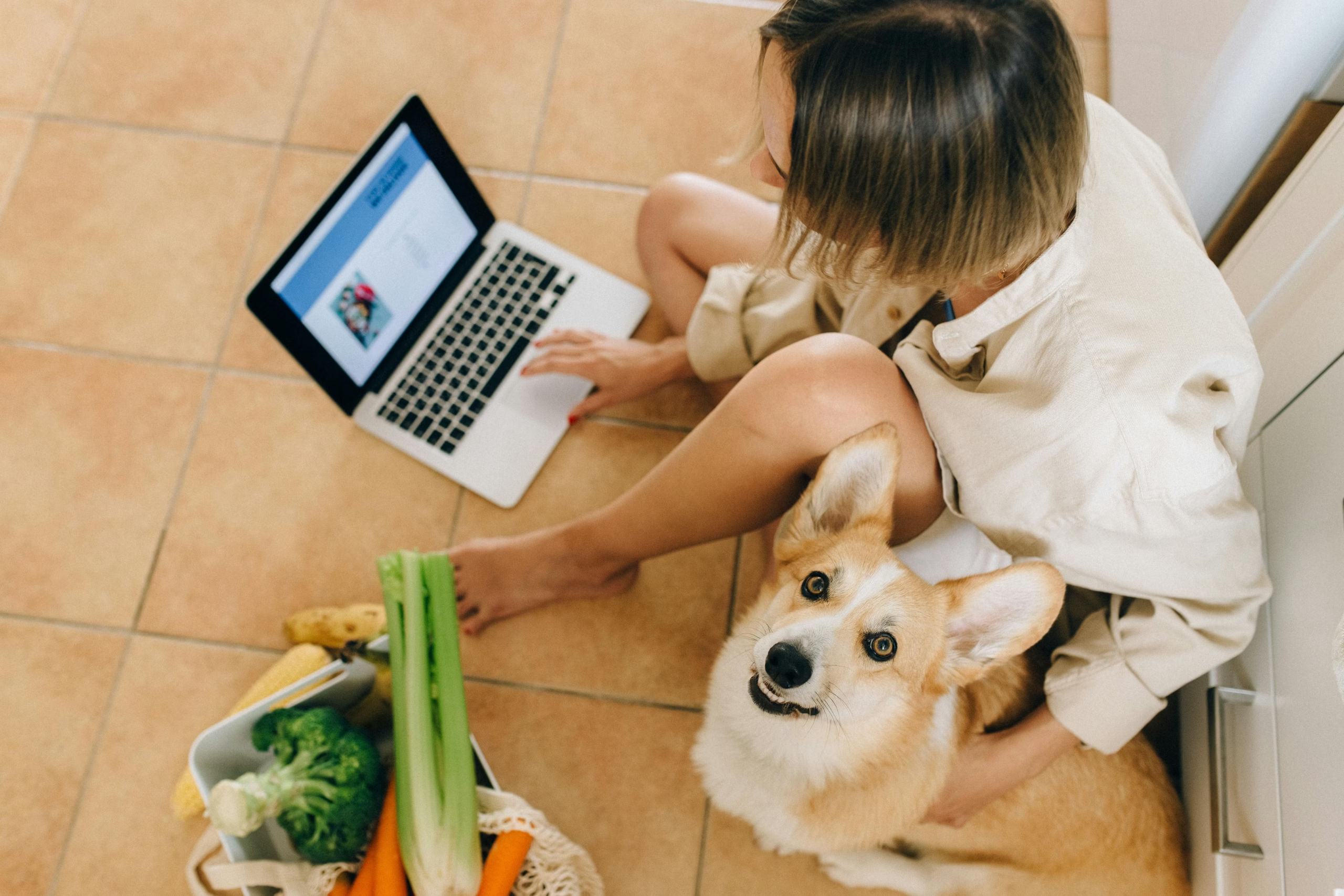
How Many Times A Day Does A Puppy Poop? Find your puppy potty training schedule & understand normal puppy poop frequency. Get expert tips for easier house training!
How Many Times A Day Does A Puppy Poop? A Comprehensive Guide to Puppy Potty Training Schedule
Bringing home a new puppy is an exciting experience, filled with playful cuddles and adorable antics. However, alongside the joy comes the reality of puppy potty training. One of the most frequently asked questions by new puppy owners is: How many times a day does a puppy poop? Understanding your puppy’s poop frequency is crucial for successful potty training and ensuring their overall health. This comprehensive guide will delve into the intricacies of puppy poop frequency, offering a detailed Puppy Potty Training Schedule and addressing common concerns.
Understanding Puppy Poop Frequency
The number of times a puppy poops daily varies significantly depending on several factors. Age, breed, diet, and health all play a role in determining their bowel movement schedule. A general guideline is that very young puppies (under 8 weeks) might eliminate every 1-2 hours, or even more frequently after feeding. As they grow older, this frequency gradually decreases.
How Many Times A Day Does A Puppy Poop? A Breakdown by Age:
- 8-12 weeks: Puppies in this age range typically poop 3-5 times a day. This period is crucial for establishing a consistent Puppy Potty Training Schedule. Remember to take your puppy out frequently, especially after waking up, after meals, and after playtime. Inconsistent potty habits during these critical weeks can make training much harder later on.
- 3-6 months: As your puppy matures, the frequency usually reduces to 2-4 times a day. They are gradually gaining more bladder and bowel control. However, accidents still happen, and patience is key.
- 6 months and older: Once your puppy reaches adulthood (around 6 months to a year, depending on the breed), they should ideally poop 1-2 times a day. However, this can vary based on their diet and activity level.
Factors Influencing Puppy Poop Frequency
Several factors can affect how often your puppy eliminates:
- Diet: The type and quality of your puppy’s food significantly impact their bowel movements. A high-quality puppy food designed for their age and breed is essential. Switching foods too abruptly can cause diarrhea or constipation. Remember to always consult your vet before making significant dietary changes. For example, introducing new treats or changing to adult food too early might upset their digestive system.
- Water intake: Just like humans, puppies need adequate hydration. More water intake usually leads to more frequent urination and potentially more bowel movements.
- Activity level: Active puppies tend to have more frequent bowel movements than less active ones.
- Health: Diarrhea, constipation, or other digestive issues can dramatically alter your puppy’s puppy poop frequency. If you notice any significant changes in the consistency, color, or frequency of your puppy’s stool, it’s essential to consult a veterinarian immediately. Your vet might recommend specific vaccines, such as the canine DHPP vaccine or a canine Bordetella vaccine, to prevent these health issues. You can also read more on the benefits of the canine Bordetella vaccine and its importance for puppy health. In some cases, underlying health problems might lead to increased bowel movements, so a vet’s advice is crucial.
- Breed: Larger breeds tend to have less frequent bowel movements than smaller breeds.
- Stress: Changes in environment, new family members, or other stressful situations can also affect a puppy’s digestive system and bowel movements.
Creating a Successful Puppy Potty Training Schedule
Consistency is the key to successful potty training. A well-structured Puppy Potty Training Schedule involves regular potty breaks and consistent reinforcement of good behavior.
Here’s a sample Puppy Potty Training Schedule:
- Wake up: Take your puppy outside immediately upon waking up.
- After meals: Puppies often need to eliminate after eating.
- After naps: Similar to waking up, taking them outside immediately after naps is crucial.
- After playtime: Increased activity often stimulates bowel movements.
- Before bedtime: A final potty break before bed is essential.
- Every 2-3 hours (adjust based on your puppy’s age and habits): Especially during the early stages of training, plan for frequent potty breaks.
Rewarding your puppy immediately after successful elimination outdoors is crucial. Positive reinforcement helps them associate going potty outside with positive feedback.
Identifying Potential Problems
While understanding how many times a day does a puppy poop is important, paying attention to the quality of your puppy’s poop is equally crucial. Look out for these signs:
- Diarrhea: Loose, watery stools can indicate various issues, from dietary indiscretion to infection. Contact your vet immediately if your puppy experiences persistent diarrhea.
- Constipation: Hard, dry stools are equally problematic. It can be a result of dehydration or dietary issues. Your vet might suggest adjustments to your puppy’s diet or recommend laxatives.
- Blood in the stool: This is a serious sign and requires immediate veterinary attention. It could signal internal parasites or other health problems.
- Changes in frequency: Sudden increases or decreases in bowel movements warrant veterinary evaluation, especially if accompanied by other symptoms.
Considering the timing of your puppy’s teeth development is important too. Learn more about when canine teeth erupt in the horse (this applies to dogs as well, albeit the timeline is different), and when canine teeth fall out.
Seeking Professional Veterinary Advice
If you have concerns about your puppy’s bowel movements, don’t hesitate to seek professional help. Veterinarians can assess your puppy’s health and provide personalized advice. They can perform necessary tests to rule out any underlying medical conditions.
Remember, every puppy is different. What works for one might not work for another. Patience, consistency, and a proactive approach are key to successful potty training and ensuring the health of your furry friend.
For further reading on canine health, consider these resources:
- American Kennel Club: The AKC provides comprehensive information on canine health, including potty training tips.
- Veterinary Partner: This website offers a wealth of information on various canine health topics.
- ASPCA: The ASPCA offers valuable resources on pet care and training.
How Many Times A Day Does A Puppy Poop? Share Your Experiences!
We hope this comprehensive guide on puppy poop frequency and establishing a successful Puppy Potty Training Schedule has been helpful. Share your experiences and tips in the comments below! What strategies have worked best for you? Let’s build a supportive community of puppy parents! Use the keywords #PuppyPoopFrequency #PuppyPottyTraining to share your valuable insights with others!
Frequently Asked Questions: Puppy Poop Frequency
1. How many times a day does a puppy poop?
The frequency of puppy poop varies greatly depending on age, breed, diet, and overall health. Generally, very young puppies (under 8 weeks) may poop as often as after every meal, potentially 6-8 times a day. As they get older, this frequency reduces. A good rule of thumb is to expect a puppy to poop at least once, ideally after every meal, but it is common to see it more often as a part of your Puppy Potty Training Schedule. If you notice significant changes in your puppy’s Puppy Poop Frequency, consult your veterinarian.
2. My puppy is 12 weeks old; how often should he poop?
A 12-week-old puppy will likely poop 3-5 times a day. However, consistency is more important than the exact number. If the consistency changes (from firm to watery, for example) then a visit to the vet is warranted. Remember to incorporate this into your Puppy Potty Training Schedule.
3. Is it normal for my puppy to poop so much?
The amount of poop is related to food intake, and the overall digestive system and the Puppy Poop Frequency. If you’re concerned about the amount or the consistency (diarrhea, constipation), consult your vet. Regular veterinary check-ups, including those for core vaccines like the Canine DHPP vaccine (https://pupquotes.com/blog/what-is-canine-dhpp-vaccine/) and Canine Bordetella vaccine (https://pupquotes.com/blog/what-is-canine-bordetella-vaccine/), are vital for your puppy’s well-being. Additionally, understanding Canine Bordetella (https://pupquotes.com/blog/what-is-canine-bordetella/) can better inform you of overall health.
4. My puppy’s poop is unusually watery; what should I do?
Watery poop can indicate diarrhea and requires veterinary attention. Don’t hesitate to schedule an appointment. Dehydration can be a serious consequence.
5. How can I create a Puppy Potty Training Schedule?
A successful Puppy Potty Training Schedule involves consistent routines. Take your puppy out frequently: immediately after waking up, after meals, after playtime, and before bedtime. Reward successful potty breaks immediately with praise and treats. Consistency is key.
6. What should I feed my puppy to regulate his bowel movements?
A high-quality puppy food formulated for their age is usually best. Sudden diet changes can affect bowel movements. Consult your veterinarian for diet-related concerns or before making any drastic changes.
7. My puppy is eating grass; is this related to his Puppy Poop Frequency?
While some dogs eat grass to alleviate an upset stomach, it’s not always related to Puppy Poop Frequency directly. Monitor the situation; if it continues, consult your vet.
8. When should I be most concerned about my puppy’s poop?
Be concerned if you see changes in color, consistency (very hard or very watery), frequency (significant increase or decrease from their usual Puppy Poop Frequency), blood in the stool, or if your puppy shows signs of pain or discomfort during bowel movements.
9. What’s the relationship between teething and Puppy Poop Frequency?
Teething can cause some digestive upset in puppies, potentially leading to slight changes in Puppy Poop Frequency or consistency. However, significant changes are worth checking with your vet. Learn more about when canine teeth erupt (https://pupquotes.com/blog/when-do-canine-teeth-erupt-in-the-horse/) and when canine teeth fall out (https://pupquotes.com/blog/when-do-canine-teeth-fall-out/).
10. How long does it typically take to potty train a puppy?
Potty training varies greatly, but most puppies are reliably house-trained by 6 months of age. Consistency, patience, and a well-structured Puppy Potty Training Schedule are crucial.

How Many Times a Day Does a Puppy Poop? A Guide for New Owners
Bringing home a new puppy is exciting, but it also comes with a learning curve, especially regarding their bathroom habits. Understanding your puppy’s bowel movements is crucial for their health and well-being. The frequency of bowel movements varies greatly depending on several factors.
Factors Affecting Puppy Poop Frequency
A puppy’s age is a primary determinant. Very young puppies (under 8 weeks) may poop several times a day, even after every meal. This is perfectly normal. As they grow, the frequency generally decreases. By the time they reach adulthood (around 1 year old), most dogs poop 1-3 times a day.
Diet significantly impacts bowel movements. The type and quality of food, as well as any treats, can influence both frequency and consistency. Switching foods too abruptly can cause diarrhea, while a poor-quality diet can lead to constipation. If you’re considering a dietary change, do so gradually to minimize disruption to their digestive system.
Hydration is also key. Dehydration can lead to constipation, while excessive water intake might cause diarrhea. Ensure your puppy always has access to fresh, clean water.
Health plays a vital role. Diarrhea, constipation, or changes in bowel habits can be signs of underlying health issues. If you notice any significant changes in your puppy’s poop frequency, consistency, or color, or if they show signs of illness – vomiting, lethargy, loss of appetite – consult your veterinarian immediately. This is particularly important if your puppy is not up-to-date with their vaccinations, such as the core vaccines like the Canine DHPP vaccine (https://pupquotes.com/blog/what-is-canine-dhpp-vaccine/) and the Bordetella vaccine (https://pupquotes.com/blog/what-is-canine-bordetella-vaccine/). Remember, prevention is key, and understanding the importance of vaccines such as the canine Bordetella (https://pupquotes.com/blog/what-is-canine-bordetella/) is crucial for your puppy’s health.
What’s Normal?
While there’s no magic number, a healthy puppy typically poops once or twice a day after they are a few months old. However, several factors contribute to the range of what’s considered normal. Anything outside this range should be discussed with your vet.
Puppy Teething and its Impact
The process of teething (https://pupquotes.com/blog/when-do-canine-teeth-fall-out/) can also temporarily affect a puppy’s digestive system. This is because they are chewing on everything, potentially ingesting things that upset their stomach. While teething, the eruption of their permanent teeth (https://pupquotes.com/blog/when-do-canine-teeth-erupt-in-the-horse/) might cause temporary changes in their bowel habits.
When to Worry
Consult your veterinarian if your puppy exhibits:
- Frequent diarrhea
- Constipation lasting more than a day
- Blood in the stool
- Significant changes in bowel habits
- Vomiting
- Lethargy
- Loss of appetite
By monitoring your puppy’s bowel movements and being aware of the factors influencing them, you can help ensure their health and happiness. Remember, regular checkups with your vet are essential for preventative care and early detection of any potential health problems.
How Many Times A Day Does A Puppy Poop,Puppy Potty Training Schedule,Puppy Poop Frequency