
Video: Golden Retriever’s ‘Jealousy Has No Bounds’ When Sibling Gets Attention
Watch this hilarious video of a Golden Retriever showing extreme jealousy when their sibling gets attention. Learn about dog sibling rivalry and jealous behavior.
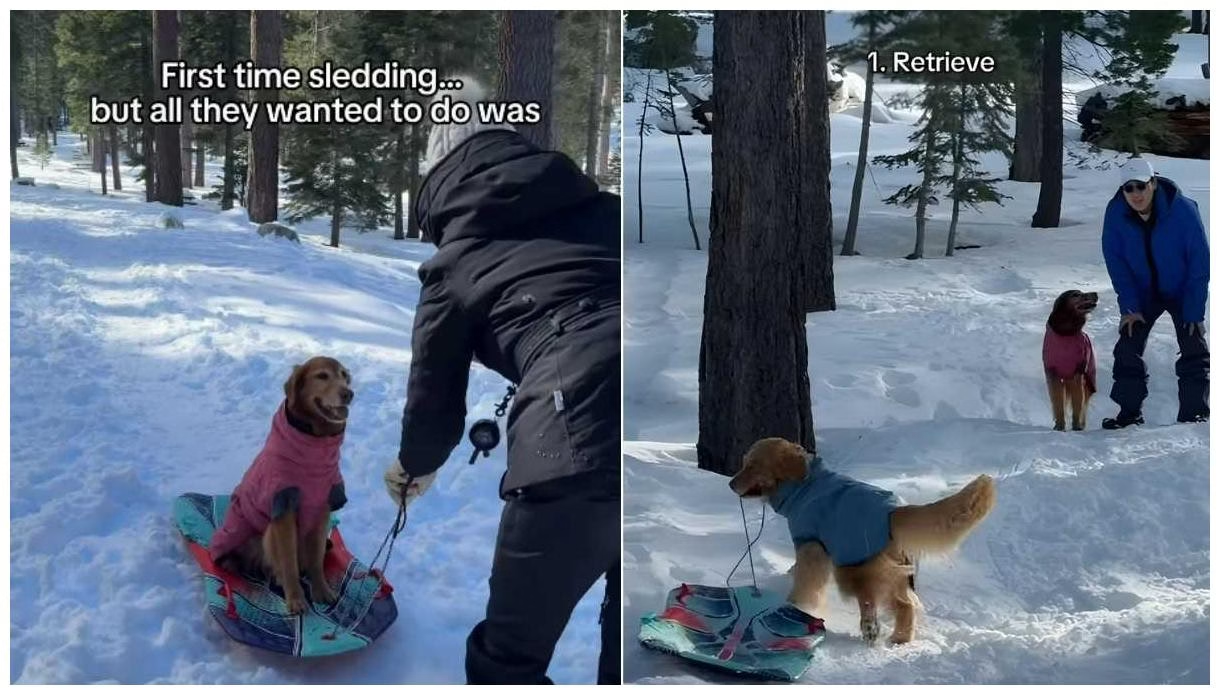
Have you ever wondered how far a dog’s jealousy can go? In this heartwarming yet hilarious video, a Golden Retriever takes sibling rivalry to a whole new level when their furry sibling gets attention. Their reactions are not just adorable but also a perfect example of how dogs express their emotions. Let’s dive into the world of dog jealousy and explore what makes this behavior so fascinating.
Golden Retrievers are known for their friendly and affectionate nature, but like humans, they can feel jealous when they perceive a lack of attention. This video captures the essence of their emotional depth and playful antics, making it a must-watch for every dog lover.
Understanding Golden Retriever Jealousy
Golden Retrievers are incredibly social animals. They thrive on human interaction and can become quite attached to their owners. When another pet or even a family member receives attention, it’s not uncommon for them to display signs of jealousy. This behavior can range from playful nudging to more dramatic actions, as seen in the video.
Why Do Golden Retrievers Get Jealous?
Jealousy in dogs, especially Golden Retrievers, often stems from their desire for attention and affection. They may feel left out or neglected when their favorite human or pet sibling is focused on someone else. This emotional response is a sign of their deep bond with their family members. According to the American Kennel Club, dogs can exhibit jealousy as a way to protect their social bonds.
Signs of Jealous Behavior in Dogs
Recognizing jealous behavior in dogs is essential for understanding their emotional needs. Some common signs include:
- Attention-Seeking Actions: Dogs may nudge, paw, or even bark to regain your focus.
- Interrupting Interactions: They might physically insert themselves between you and the object of their jealousy.
- Excessive Whining or Barking: Vocalizations can be a way for them to express their frustration.
- Playful Aggression: Some dogs may engage in playful but slightly aggressive behavior to get noticed.
How to Manage Dog Sibling Rivalry
Managing sibling rivalry between dogs requires patience and understanding. Here are some strategies to help:
Equal Attention Distribution
Ensure that both pets receive equal amounts of attention and affection. This balance can help reduce feelings of jealousy and competition. For more tips on managing multiple pets, check out our guide on training hound dogs.
Positive Reinforcement
Reward good behavior with treats, praise, or playtime. Positive reinforcement encourages dogs to behave well and reduces negative emotions. Learn more about effective training techniques in our article on disciplining puppies.
Separate Playtime
Sometimes, giving each dog individual playtime can help them feel special and reduce rivalry. For ideas on engaging activities, explore our article on tiring out a puppy.
The Science Behind Dog Jealousy
Studies have shown that dogs can experience emotions similar to humans, including jealousy. This emotional response is rooted in their social nature and their desire to maintain strong bonds with their human companions. Understanding this behavior can help pet owners create a harmonious environment for their furry friends. For more insights, read this study on dog jealousy.
Why This Video Is a Must-Watch
This video is not just entertaining but also educational. It provides a glimpse into the emotional world of dogs and highlights the importance of understanding their behavior. Watching how this Golden Retriever reacts to their sibling getting attention is both heartwarming and insightful. For more heartwarming dog stories, visit our article on a good day to be a dog.
Creating a Harmonious Environment
To foster a peaceful environment for your pets, consider the following tips:
- Consistent Routine: Dogs thrive on routine. A consistent schedule for feeding, playtime, and walks can help reduce anxiety and jealousy.
- Training and Socialization: Proper training and socialization can help dogs learn to share attention and interact positively with others. For training tips, check out our guide on training a Basset Hound.
- Individual Bonding Time: Spend quality time with each pet individually to strengthen your bond and make them feel valued.
The Role of Play in Reducing Jealousy
Play is a crucial aspect of a dog’s life. Engaging in interactive play sessions can help reduce feelings of jealousy and competition. It also provides an outlet for their energy and strengthens the bond between you and your pet. For fun play ideas, visit our article on drawing a dog.
Understanding Your Dog’s Emotions
Dogs communicate their emotions through body language, vocalizations, and behavior. Paying attention to these cues can help you understand their needs and address any issues before they escalate. This understanding is key to creating a happy and healthy environment for your pets. For more on understanding dog behavior, read our article on dog headaches.
Conclusion
This video of a Golden Retriever’s jealousy is a beautiful reminder of the emotional depth of our canine companions. By understanding their behavior and addressing their needs, we can create a loving and harmonious environment for all our pets. So, take a moment to watch this heartwarming video and appreciate the unique bond we share with our furry friends. For more heartwarming stories, visit our article on a Britain Shepherd puppy.
- Equal Attention: Ensure both pets receive equal attention to prevent feelings of jealousy and rivalry.
- Positive Reinforcement: Reward good behavior with treats or praise to encourage positive interactions.
- Individual Playtime: Spend quality time with each pet individually to make them feel special.
- Consistent Routine: Maintain a consistent schedule for feeding, playtime, and walks to reduce anxiety.
- Training and Socialization: Proper training helps dogs learn to share attention and interact positively.
- Interactive Play: Engage in interactive play sessions to reduce jealousy and strengthen bonds.
- Observe Body Language: Pay attention to your dog’s body language to understand their emotional needs.
- Avoid Favoritism: Ensure that neither pet feels favored over the other to maintain harmony.