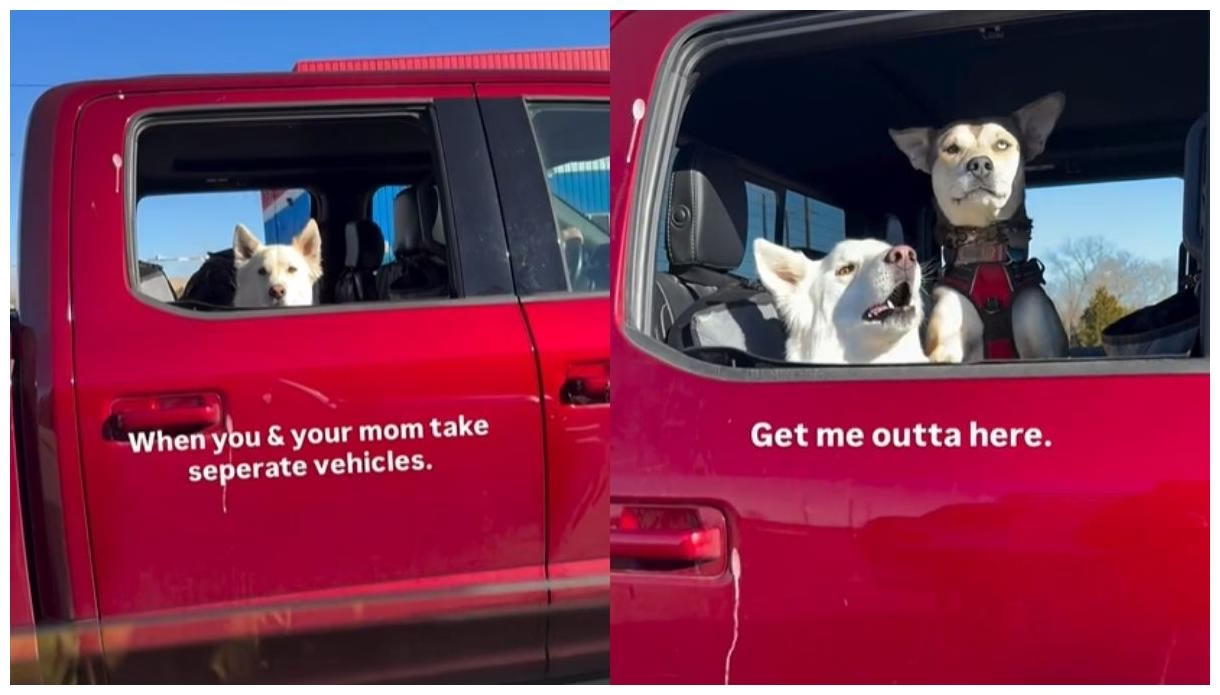
Video: Dogs Get Impatient When They See Mom Driving a Different Car
Watch hilarious dog reactions as they impatiently wait for their mom driving a different car. Funny pet behavior and emotions captured on video!
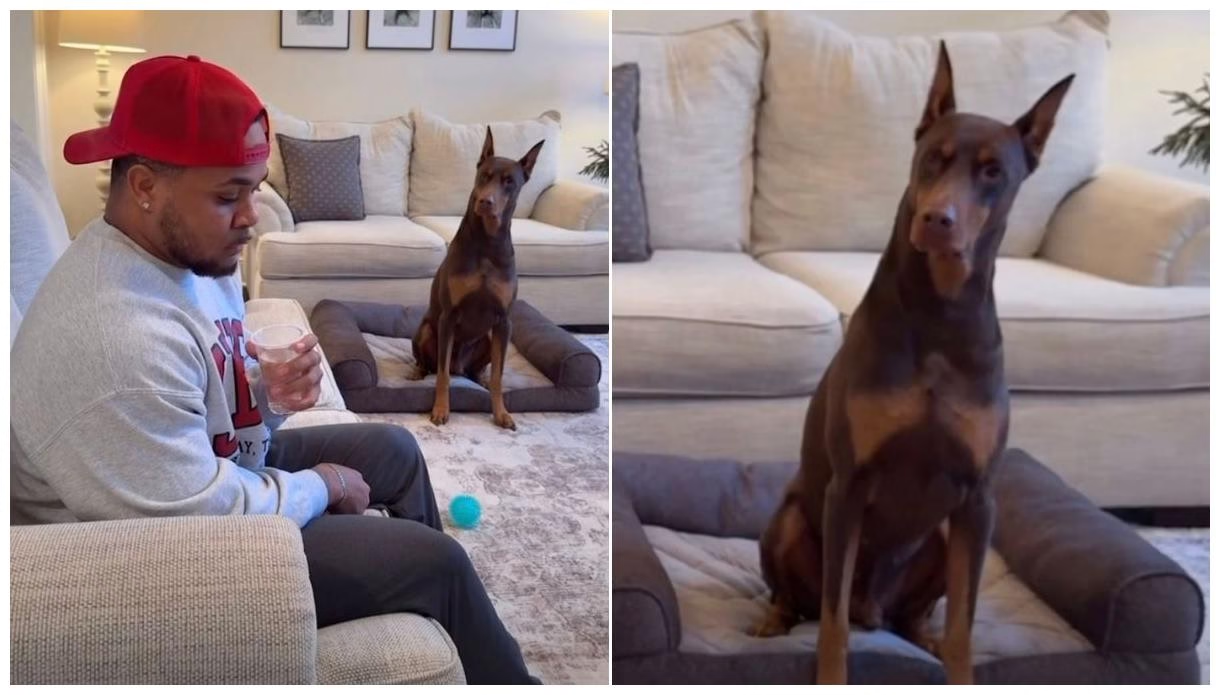
Have you ever wondered how your dog reacts when they see you driving a different car? Dogs are known for their loyalty and attachment to their owners, and their reactions can be both heartwarming and hilarious. In this article, we explore the adorable and sometimes impatient behavior of dogs when they spot their mom driving an unfamiliar vehicle. Their emotions and actions are sure to bring a smile to your face!
Dogs have a unique way of expressing their feelings, and their reactions to changes in routine, such as seeing their owner in a different car, can be quite entertaining. Whether it’s excitement, confusion, or sheer impatience, these moments capture the essence of the special bond between pets and their owners. For more insights into dog behavior, check out our article on puppy behavior.
Why Do Dogs React This Way?
Dogs are creatures of habit, and they often associate specific routines with their owners. When they see their mom driving a different car, it can disrupt their expectations, leading to a range of reactions. Some dogs may become excited, thinking it’s a new adventure, while others might feel confused or even a bit anxious. Their reactions are a reflection of their deep emotional connection with their owners. According to the American Kennel Club, understanding these behaviors can help strengthen the bond between you and your pet.
Funny Dog Behavior Captured on Video
Videos of dogs reacting to their owners driving different cars have become incredibly popular online. These clips capture the essence of their personalities, from playful barks to impatient whines. Watching these videos, you can’t help but laugh and appreciate the unique bond between dogs and their humans. For more funny pet moments, visit Bored Panda’s collection of funny dog videos.
Common Reactions in Dogs
Dogs may exhibit a variety of behaviors when they see their owner in a different car. Some might run around excitedly, while others could sit and stare in confusion. These reactions are not only entertaining but also provide insight into how dogs perceive changes in their environment. To learn more about dog emotions, read our article on dog emotions and perceptions.
How to Capture Your Dog’s Reaction
If you want to capture your dog’s reaction to seeing you in a different car, here are a few tips:
- Choose the Right Moment: Pick a time when your dog is relaxed and not distracted by other activities.
- Use a Familiar Location: Film the reaction in a place where your dog feels comfortable, such as your driveway or a nearby park.
- Keep It Natural: Avoid forcing the reaction. Let your dog respond naturally to the situation.
Understanding Dog Emotions
Dogs experience a wide range of emotions, and their reactions to changes in routine can provide valuable insights into their feelings. By observing their behavior, you can better understand their needs and strengthen your bond with them. For more information on dog emotions, visit Psychology Today’s guide on dog emotions.
The Science Behind Dog Emotions
Research has shown that dogs are capable of experiencing emotions such as joy, fear, and even jealousy. Their reactions to seeing their owner in a different car can be a manifestation of these emotions, highlighting their deep attachment to their humans. According to a study published in the National Center for Biotechnology Information, dogs can form strong emotional bonds with their owners.
Tips for Managing Your Dog’s Reactions
If your dog tends to get overly excited or anxious when they see you in a different car, here are some tips to help manage their reactions:
- Gradual Exposure: Introduce your dog to the new car gradually. Let them sniff and explore it at their own pace.
- Positive Reinforcement: Reward calm behavior with treats and praise to reinforce positive associations.
- Consistency: Maintain a consistent routine to help your dog feel secure and reduce anxiety.
Serving Suggestions for Dog Owners
If you’re a dog owner looking to strengthen your bond with your pet, consider incorporating activities that cater to their emotional needs. Regular playtime, walks, and training sessions can help build trust and understanding between you and your dog. For more ideas, check out our article on how to tire out a puppy.
Storage and Reheating of Dog Treats
While this section might seem out of place, it’s a reminder that taking care of your dog’s dietary needs is just as important as understanding their emotions. Always store dog treats in a cool, dry place and follow the manufacturer’s instructions for serving. For more tips on dog nutrition, visit the American Kennel Club’s nutrition guide.
Variations and Substitutions in Dog Care
Every dog is unique, and what works for one might not work for another. Be open to trying different approaches to manage your dog’s reactions and emotions. Whether it’s a new toy, a different walking route, or a change in routine, small adjustments can make a big difference. For more tips, read our article on how to discipline a puppy.
Alternative Activities for Dogs
If your dog is particularly anxious or excited, consider engaging them in alternative activities such as puzzle toys, agility training, or even a relaxing massage. These activities can help channel their energy in a positive way. For more ideas, check out our article on how to train a hound dog.
Nutritional Benefits of a Balanced Diet
A balanced diet is essential for your dog’s overall well-being. Ensure they receive the right nutrients to support their physical and emotional health. Consult your veterinarian for personalized dietary recommendations. For more information on dog nutrition, visit PetMD’s nutrition guide.
Common Questions About Dog Reactions
Here are some frequently asked questions about dogs’ reactions to seeing their owners in different cars:
- Observe Your Dog’s Body Language: Pay attention to your dog’s tail wagging, ear position, and overall posture to gauge their emotions accurately.
- Create a Safe Space: Provide a comfortable area where your dog can retreat if they feel overwhelmed by changes in routine.
- Use Calming Techniques: Techniques such as gentle petting, soothing music, or aromatherapy can help calm an anxious dog.
- Introduce New Experiences Gradually: If you plan to drive a different car regularly, introduce it to your dog slowly to avoid sudden reactions.
- Engage in Regular Exercise: Regular physical activity can help reduce anxiety and keep your dog mentally stimulated.
- Consult a Professional: If your dog’s reactions seem extreme or concerning, consult a veterinarian or a professional dog trainer for advice.
- Capture the Moment: Keep your camera ready to capture those adorable and funny reactions. These moments make for great memories!
- Share Your Experiences: Join online communities or forums to share your dog’s reactions and learn from other pet owners.
