Discover amazing dog breeds for indoor living! Find your perfect apartment-friendly companion and create a happy home. Read our essential guide now!
Are you a modern dog parent dreaming of a furry companion but worried about space? Finding the ideal ideal indoor living dog breeds can seem like a challenge, especially if you reside in a smaller home or apartment. You want a loyal friend who thrives indoors, respects your space, and complements your lifestyle, right? We understand that concern perfectly! Many people believe big dogs need big yards, but that’s not always the case. There are numerous delightful breeds that are perfectly content within the confines of your cozy abode, making them amazing indoor companions. This comprehensive guide will help you discover the perfect canine partner to share your comfortable indoor life. Selecting the right apartment friendly dog breeds can transform your home.
Choosing a dog is a significant decision, and when indoor living is a primary factor, certain characteristics become crucial. You’re looking for traits like lower energy levels, adaptability to different routines, trainability for urban environments, and often, a quieter disposition to ensure peace for both you and your neighbors. But don’t worry, settling for an indoor dog doesn’t mean sacrificing personality, playfulness, or the deep bond you’re seeking!
In this ultimate guide, we’ll explore 10 fantastic breeds that excel in indoor environments, offering detailed insights into their temperament, specific exercise needs, grooming requirements, and why they make wonderful apartment-friendly pets. Get ready to find your next best friend and create a joyful, harmonious home together!
Overview: Why Choosing the Right Dog Breeds for Indoor Living Matters
When considering a canine addition to your household, especially if your living space is limited, the “indoor living” aspect becomes paramount. It’s not just about fitting a dog into your home; it’s about ensuring their well-being and happiness, and yours too! Selecting the right dog breeds indoor living can prevent many common issues, from excessive barking and destructive behaviors to anxiety and unhappiness in your pet. A dog that is naturally suited to indoor life will be calmer, easier to train for apartment routines, and generally more content within a smaller footprint. This thoughtful selection process leads to a more harmonious household for everyone involved, avoiding potential stress for both you and your furry companion, making your shared life truly enjoyable.
Understanding a breed’s typical energy level, grooming requirements, and inherent temperament will help you make an informed decision that lasts for years. For instance, some breeds are notoriously high-energy and will struggle without ample outdoor exercise, regardless of their size. These breeds, if confined too much, can develop destructive habits, become overly vocal, or even display signs of depression and anxiety, leading to discomfort for both the dog and the human residents. Others, surprisingly, are content with short walks and plenty of indoor playtime, often preferring the cozy confines of a home and a warm lap. Modern dog parents prioritize harmony and mutual respect, and a well-matched pet contributes significantly to a peaceful home environment, enriching your life without overwhelming your space.
Top Small Dogs for Apartments: Compact Companions for Your Cozy Home
Small dogs are often the first choice for apartment dwellers, and for good reason! Their compact size naturally makes them more suitable for smaller spaces, and many boast personalities that perfectly align with indoor living. However, size isn’t the only factor; a small dog with boundless energy might still be a handful if their needs aren’t met. When it comes to dog breeds indoor living, these delightful smaller companions truly shine, offering affection and joy without demanding vast amounts of space. Here are some of the best small dogs for apartments:
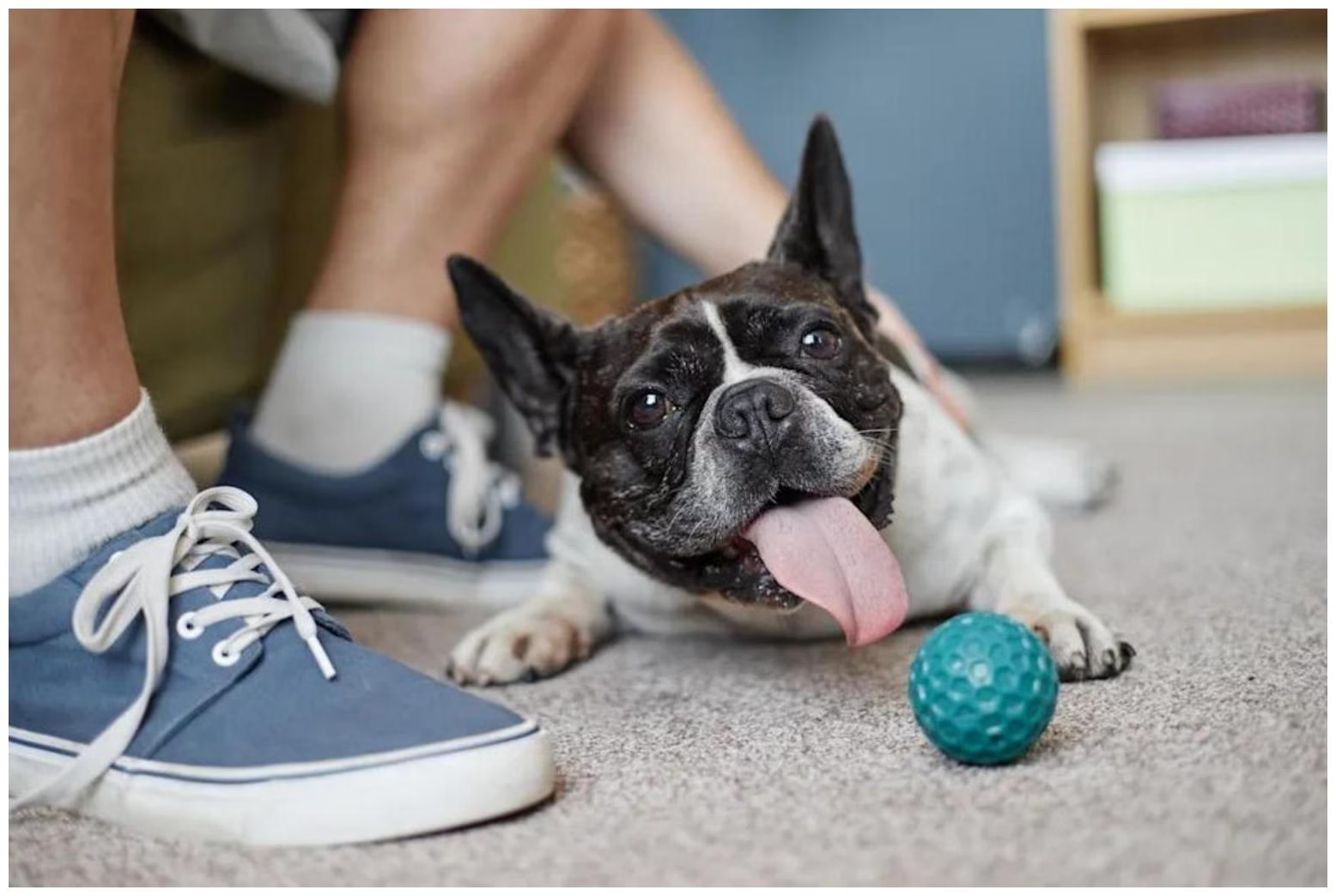
- French Bulldog: These charming, robust little dogs are famously adaptable, requiring minimal exercise, which makes them perfect for city life and apartment dwellers alike. They absolutely adore lounging on the sofa, making them the ultimate “couch potato” after a short, brisk walk around the block. French Bulldogs are generally quiet, though their distinctive brachycephalic (flat) faces can lead to endearing snores and snorts, which often become beloved quirks for their owners. Their affectionate and often comical nature makes them wonderful best indoor dogs for families, thriving on human companionship and becoming deeply devoted to their owners. They are a true embodiment of ideal good family pets, preferring the comfort of a loving home over vast outdoor spaces and adapting remarkably well to various indoor routines and family dynamics. Their compact size and easy-going demeanor truly make them a joy to live with, embodying the perfect blend of playfulness and calm.
- Pug: With their distinctive wrinkled faces and playful personalities, Pugs are quintessential indoor dogs. They prefer short walks and plenty of naps, making them excellent companions for those with a less active lifestyle, or who simply love a dog that enjoys snuggling. Pugs are generally good-natured, very loving, and thrive on being the center of attention, fitting right into a loving home environment where they can be part of every activity. Their exercise needs are easily met with a couple of short daily strolls and some indoor play. They are notoriously sociable and get along well with children and other pets, making them a fantastic choice for families looking for adaptable dog breeds indoor living.
- Cavalier King Charles Spaniel: Known for their exceptionally gentle and affectionate temperament, Cavaliers are fantastic indoor companions. They are eager to please, relatively easy to train, and are happiest when they are close to their human family members, often content to cuddle on the sofa for hours. While they certainly enjoy a daily walk to explore and stretch their legs, their exercise needs are moderate, making them suitable for most indoor settings. They are generally quiet and well-behaved indoors, making them ideal for apartment living where noise can be a concern. Their sweet disposition and adaptability ensure they are perfect dog breeds indoor living for virtually any household.
- Shih Tzu: Bred specifically as companion dogs for Chinese royalty, Shih Tzus are masters of indoor living. They are charming, outgoing, and thrive on being pampered and adored. Their exercise needs are minimal, easily met with indoor play sessions or very short walks around the block, making them ideal for apartment dwellers who appreciate a lap dog with a big personality. Shih Tzus are known for their playful yet gentle nature, and they form strong bonds with their families. While their beautiful long coats require regular grooming, their loving demeanor and adaptability to small spaces make them incredibly popular among families searching for devoted specific grooming needs companions.
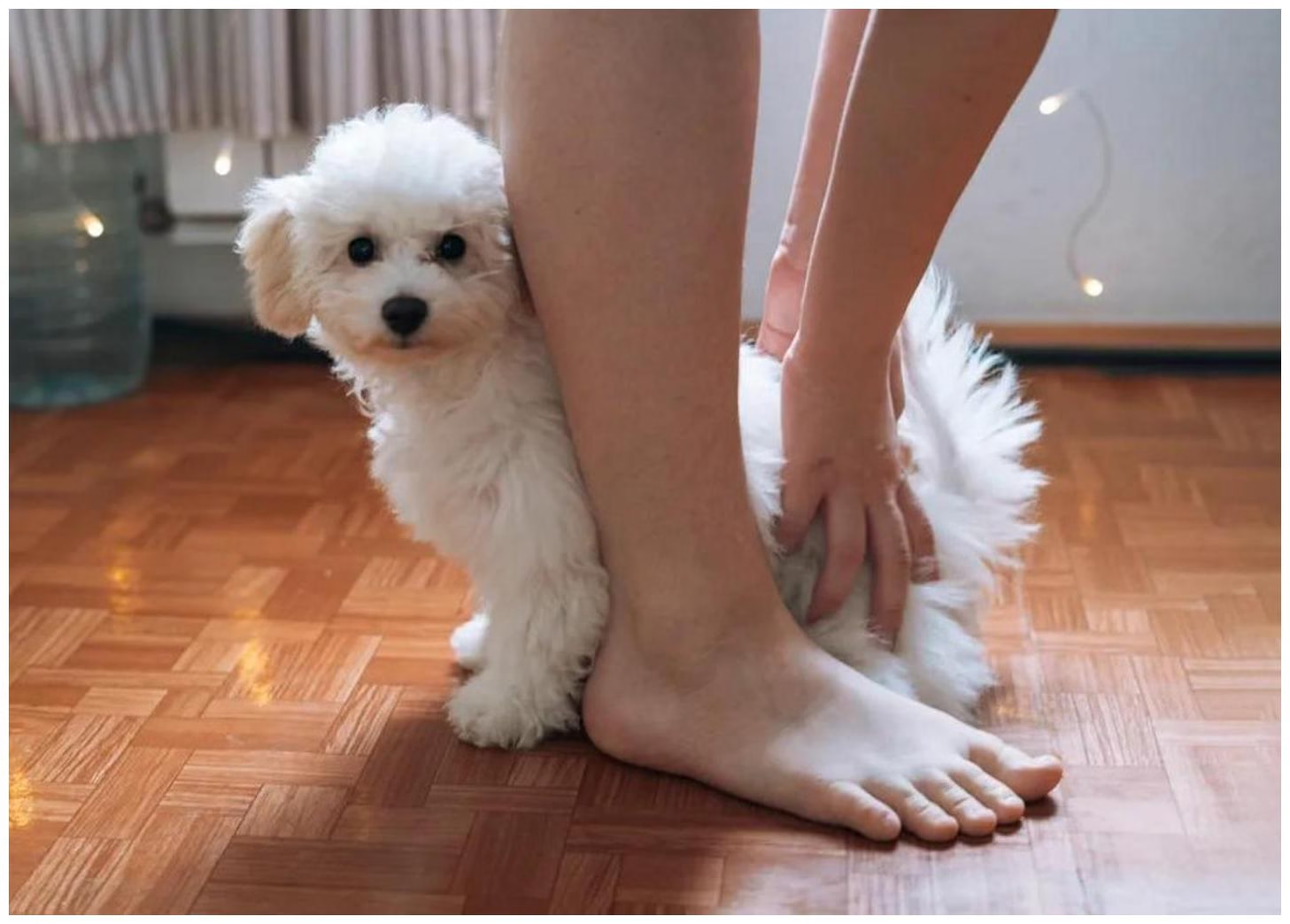
- Bichon Frise: These fluffy, cheerful dogs are known for their playful spirit, curious nature, and loving temperament. Bichons are very adaptable and do exceptionally well in apartments and smaller homes, provided they receive regular attention, playtime, and moderate exercise. They are intelligent and eager to please, which makes discipline a puppy a joyful and rewarding experience for both dog and owner. While they have a mischievous side and love to entertain, they are generally not excessive barkers, making them good neighbors in close quarters. Their hypoallergenic coat is an added bonus for many families, solidifying their status as one of the most delightful dog breeds indoor living can embrace.
Low-Maintenance Indoor Dog Breeds: Enjoying Companionship with Ease
For caring modern dog parents, “low-maintenance” doesn’t mean low love; it means finding a breed whose needs align seamlessly with a busy indoor lifestyle, without requiring constant outdoor adventures or extensive grooming. These breeds often have moderate exercise demands, adaptable temperaments, and may be less prone to excessive barking or shedding, simplifying daily care. Exploring these particular low-maintenance indoor dog breeds options can lead you to a wonderfully easy-going, yet incredibly loving companion who brings joy without overwhelming your schedule.
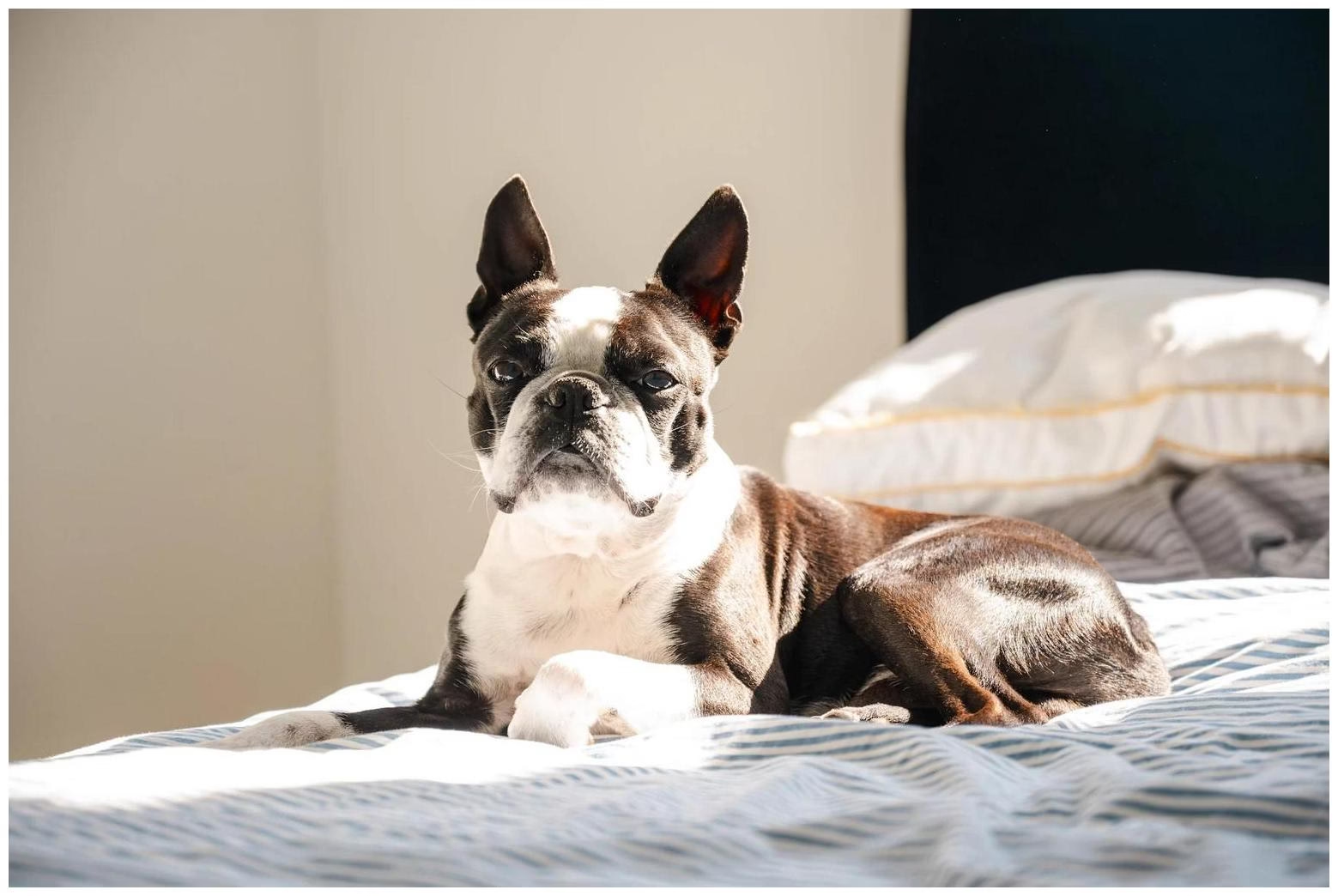
- Boston Terrier: Often called “The American Gentleman” due to their tuxedo-like markings, Boston Terriers are energetic but compact dogs that adapt beautifully to apartment life. They love to play indoors with toys and engaging games, but are also perfectly content with daily walks that satisfy their curiosity and physical needs. They are intelligent, easily trained, and have a generally quiet dogs for small homes disposition, making them considerate neighbors in multi-unit dwellings. Their friendly and outgoing personality means they typically get along well with children and other pets, making them versatile and beloved members of any family. For those seeking cheerful and polite dog breeds indoor living, the Boston Terrier is an excellent candidate.
- Dachshund: These long and low hounds are surprisingly well-suited for indoor living, making them popular choices for those in apartments or smaller homes. While they possess a strong prey drive outdoors and love to sniff, they are content snuggling up inside after a moderate walk, often burrowing under blankets for a nap. Dachshunds are intelligent, fiercely loyal, and can be quite spirited, bringing a lot of personality to a home. They come in various coat types (smooth, longhaired, wirehaired) and sizes (standard and miniature), offering a range of choices for potential owners looking for unique dog breeds indoor living companions. Their devotion to their family is unwavering, forming deep bonds.
- Miniature Poodle: Don’t let their elegant appearance fool you; Miniature Poodles are highly intelligent, surprisingly athletic, and incredibly adaptable dogs. They are easily trainable, eager to please, and, with consistent mental and physical stimulation, are wonderful indoor pets. Their cleverness means they excel at dog sports and enjoy learning new tricks, keeping their minds engaged indoors. Their low-shedding, hypoallergenic coat is a significant bonus for many families, reducing allergens and making them a clean addition to any home. Regular grooming is required to maintain their coat, but their sophisticated charm and suitability for a range of indoor environments make them exceptional dog breeds indoor living choices.
- Greyhound: This might come as a surprise to many, but retired Greyhounds are often affectionately referred to as “45-mph couch potatoes.” Despite their racing heritage, they are incredibly gentle, quiet, and low-energy indoors, preferring soft beds and ample sleep. They require short bursts of intense exercise, such as a quick run in a securely fenced yard, but are otherwise perfect, serene indoor companions who enjoy their downtime. Greyhounds are clean, polite, and generally calm, making them ideal for apartment living where their quiet nature is appreciated. Their sweet disposition and minimal indoor fuss solidify their unexpected role as fantastic dog breeds indoor living.
- Chihuahua: The smallest of the dog breeds, Chihuahuas are undeniably perfect for indoor living. Their tiny stature means they require very little space, and their exercise needs are easily met with indoor play or very short walks around the block. They are fiercely loyal, can be quite feisty and possessive of their humans, and love nothing more than being close to their people, often seeking out laps to snuggle on. Highly portable, they make great travel companions and adapt readily to various living situations. While they have big personalities in small packages, with proper socialization, they can be well-adjusted and loving members of any family looking for dedicated dog breeds indoor living.
Choosing the Right Dog Breeds for Indoor Living: A Step-by-Step Guide
Selecting the perfect furry family member for your indoor lifestyle involves more than just admiring a cute face or a fluffy tail. It requires thoughtful consideration of several factors to ensure a harmonious and lasting match between you and your new companion. Follow these essential steps to confidently choose among the best dog breeds indoor living has to offer, creating a joyful experience for everyone involved.
- Assess Your Lifestyle Honestly: Before you even start looking at breeds, take a realistic inventory of your daily life. Are you a dedicated couch potato who loves quiet evenings, or an active urban explorer who’s always on the go? Do you work long hours away from home, or is someone usually present? Your daily routine, energy level, and amount of free time are crucial in determining a suitable breed. Don’t pick a high-energy dog if your preference is relaxing indoors, as this mismatch can lead to frustration for both of you.
- Consider Your Living Space: Beyond just square footage, think about the specific characteristics of your home. What are the typical noise levels in your building or immediate neighborhood? Do you have easy access to outdoor relief areas, or will walks require an elevator ride? Are there stairs, and if so, is your chosen breed prone to back issues? While many breeds adapt, some are better suited to very quiet environments or single-level homes, especially smaller or older dogs.
- Research Breed Temperament and Needs: Go beyond the superficial assumption that “small equals good for indoors.” Dive deep into specific breed traits: their typical barking tendencies, shedding levels, specific grooming needs, inherent trainability, and common health issues. A quiet dog might seem great, but if it requires daily professional grooming and you’re not prepared for the time or cost, it might not be the best fit. Understanding these nuanced needs is vital for long-term compatibility.
- Think About Family Dynamics: If you have children or other pets currently in your household, it’s critical to consider how a new dog will integrate. Some breeds are known for being exceptionally good with kids, tolerating playful interactions with patience, while others might prefer a more adult-only or calm environment. Similarly, research how well different breeds typically get along with cats or other dogs. A harmonious multi-pet household starts with a thoughtful selection.
- Meet Potential Dogs (and Breeders/Rescues): Once you’ve thoughtfully narrowed down your choices, the next crucial step is to spend quality time with dogs of your preferred breeds. Visit reputable breeders who can provide insight into their lines, attend adoption events, or volunteer at local shelters. Observing individual dogs in various settings will give you a real sense of their personality, energy, and overall suitability for your indoor life, helping you make an informed decision.
Common Mistakes to Avoid When Selecting Dog Breeds for Indoor Living
Even with the best intentions and thorough research, it’s easy to make missteps when choosing a new canine companion, especially when focused keenly on finding ideal dog breeds indoor living. Avoiding these common pitfalls will help ensure a smoother transition, a happier life for both you and your dog, and prevent potential challenges down the line.
- Underestimating Exercise Needs: A common misconception is that a small dog equals a sedentary lap dog. This isn’t always true! Many small breeds have surprising energy levels and need regular, albeit sometimes short, bursts of activity. Always research the *actual* exercise requirements for your chosen breed, not just their size. A frustrated dog with pent-up energy, if not properly exercised, can lead to destructive behaviors like chewing furniture or excessive barking, making indoor life stressful.
- Ignoring Barking Tendencies: Living in close quarters, such as an apartment building, means that barking can quickly become a major issue, not just for you but also for your neighbors. While training can certainly help mitigate excessive barking, some breeds are inherently more vocal than others. Be realistic about how much barking you can tolerate and choose accordingly. A perpetually barking dog can strain relationships with neighbors and make your own home less peaceful. Consider how to stop dog barking effectively.
- Neglecting Socialization: An indoor dog, perhaps even more so than an outdoor one, still desperately needs consistent exposure to the outside world, other dogs, various people, and different environments to be well-adjusted and confident. Don’t make the mistake of assuming that because they live inside, they don’t need consistent socialization for your dog and training from a young age. Lack of socialization can lead to fear, aggression, or anxiety when faced with new situations.
- Choosing Based on Looks Alone: This is a classic and frequently regretted mistake. A dog’s appearance can be incredibly captivating, drawing you in, but their underlying temperament, health predispositions, and specific needs are far more important for long-term compatibility and happiness. Prioritize personality, energy level, and suitability for your lifestyle over aesthetics alone. A dog that fits your life well will always be beautiful to you.
- Skipping Health Screenings and Background Checks: When acquiring a puppy or adopting an adult dog, always inquire about their health history and parentage. Reputable breeders screen for genetic conditions common to their breeds, offering transparency. If adopting from a shelter, ask about any known health issues or behavioral quirks. Being aware of potential dog health issues upfront can save you significant heartache, unexpected vet bills, and emotional distress later on.
Expert Advice & Best Practices for Happy Dog Breeds Indoor Living
Beyond simply selecting the right breed, ensuring your dog thrives in an indoor environment involves consistent care, proactive planning, and smart daily practices. For caring modern dog parents, these expert insights offer practical ways to create the best possible home for your chosen dog breeds indoor living companion, ensuring their happiness and well-being.
- Provide Ample Mental Stimulation: Indoor dogs especially benefit from consistent mental workouts. Incorporate puzzle toys that dispense treats, engage in regular training sessions to teach new tricks, and play interactive games like hide-and-seek. Mental exercise can be just as tiring as physical exercise and is crucial for preventing boredom, which often leads to destructive behaviors. Rotate toys regularly to keep things fresh and engaging, sparking your dog’s curiosity.
- Establish a Predictable Routine: Dogs, particularly those living indoors, thrive on predictability and routine. Consistent feeding times, scheduled potty breaks, regular play sessions, and designated rest times help your dog feel secure, understand expectations, and minimize anxiety. This predictability is particularly important for successful house-training and effectively managing energy levels in an apartment setting, providing comfort and stability.
- Create a Dedicated “Dog Zone”: Even in a small apartment, your dog needs its own personal space, a sanctuary where they can retreat and feel completely safe. A comfortable bed, a cozy crate, or a specific corner with their favorite toys can serve as a safe haven. This helps them understand boundaries, provides a sense of ownership, and offers a quiet spot for them to relax undisturbed, promoting a sense of security and well-being.
- Prioritize Regular and Frequent Potty Breaks: Even if your dog has minimal outdoor exercise needs, frequent and scheduled potty breaks are non-negotiable for hygiene and health. For indoor dogs, this might mean several short walks a day to an appropriate relief area, or diligent use of indoor potty pads, especially crucial for puppies, very young dogs, or older dogs with less bladder control. Consistency is key to preventing accidents and reinforcing good habits.
- Invest in Quality Training and Socialization: Basic obedience training is essential for any dog, but it’s even more critical for those living in close quarters indoors. Commands like “sit,” “stay,” “leave it,” and a solid recall are invaluable for managing their behavior in public and at home. Consider crate training for puppies to aid in housebreaking and provide a secure, comfortable den. Consistent socialization with people, other dogs, and various environments ensures your dog is well-adjusted and confident.
Conclusion: Finding Your Perfect Companion Among Dog Breeds for Indoor Living
Choosing a dog is a profound journey filled with excitement, anticipation, and thoughtful consideration, especially when seeking the perfect match for an indoor lifestyle. We’ve explored some truly wonderful dog breeds indoor living can accommodate beautifully, each offering unique charm, personality, and unwavering companionship. From the playful Pug to the surprisingly serene Greyhound, and the adaptable French Bulldog, there’s a perfect furry friend waiting to share your cozy home and enrich your life in countless ways.
Remember, the key to a long, happy, and harmonious life with your indoor dog lies not just in their breed, but in your unwavering commitment to their well-being. By understanding their individual needs, providing consistent training, offering ample mental and physical stimulation within your space, and showering them with unconditional love, you can create an incredibly enriching and joyful environment for any of these amazing breeds. Embrace the wonderful world of indoor dog ownership, and prepare for years of loyalty, laughter, and endless affection with your cherished companion! Finding your best companion dog is an amazing adventure.
- Master Leash Training Early: For dog breeds indoor living, a well-behaved dog on a leash is crucial for enjoyable walks and easy navigation in urban environments. Start early with positive reinforcement to make walks a pleasant experience, not a constant struggle for control.
- Embrace Vertical Space for Storage: In smaller homes, utilize shelves, wall-mounted organizers, and elevated storage solutions to keep dog toys, leashes, and supplies neatly organized and off the floor. This maximizes your living area and prevents clutter, creating a more harmonious space.
- Create a Quiet Retreat: Every indoor dog needs a private, comfortable space where they can retreat and feel secure, away from household hustle. A well-placed dog bed, a cozy crate, or a designated corner in a low-traffic area gives them a sense of security and belonging. This aligns with choosing quiet dogs for small homes.
- Schedule Regular Grooming Sessions: Many indoor breeds have coats that require consistent grooming to prevent matting, reduce shedding, and keep their skin healthy. Establish a routine of regular brushing at home and professional grooming appointments to maintain their coat and overall well-being.
- Rotate Toys for Engagement: To prevent boredom and keep your indoor dog mentally stimulated, rotate their toys regularly. Don’t leave all toys out at once; instead, introduce different ones periodically to maintain interest and make playtime feel exciting and new.
- Enroll in Obedience Classes: Even the most laid-back indoor dog benefits immensely from structured training. Dog obedience classes strengthen your bond, teach essential good manners for communal living, and provide valuable socialization opportunities outside the home, building their confidence.
- Invest in Soundproofing (If Needed): If you happen to have a particularly vocal breed or live in a building with thin walls, consider simple soundproofing solutions. Heavy curtains, area rugs, or even sound-absorbing panels can help maintain peace and quiet for both you and your neighbors.
- Mind Your Indoor Temperature: Some specific breeds, like French Bulldogs and Pugs, are highly sensitive to extreme temperatures, particularly heat. Ensure your indoor environment is always at a comfortable temperature, especially during warmer months, to prevent overheating and ensure their comfort.
- Practice “No Soliciting” at Meals: Train your indoor dog not to beg, jump, or paw for food during meal times. This promotes excellent manners, makes indoor dining a much more pleasant experience for everyone, and reinforces clear boundaries within your shared living space.
- Consider a Pet Sitter for Long Absences: If your schedule often requires you to be away from home for extended periods, consider hiring a trusted pet sitter or enrolling your dog in a reputable doggy daycare. Even well-adjusted indoor dogs can suffer from separation anxiety or loneliness if left alone too long. Prioritizing potty train a puppy is also important for indoor living.
