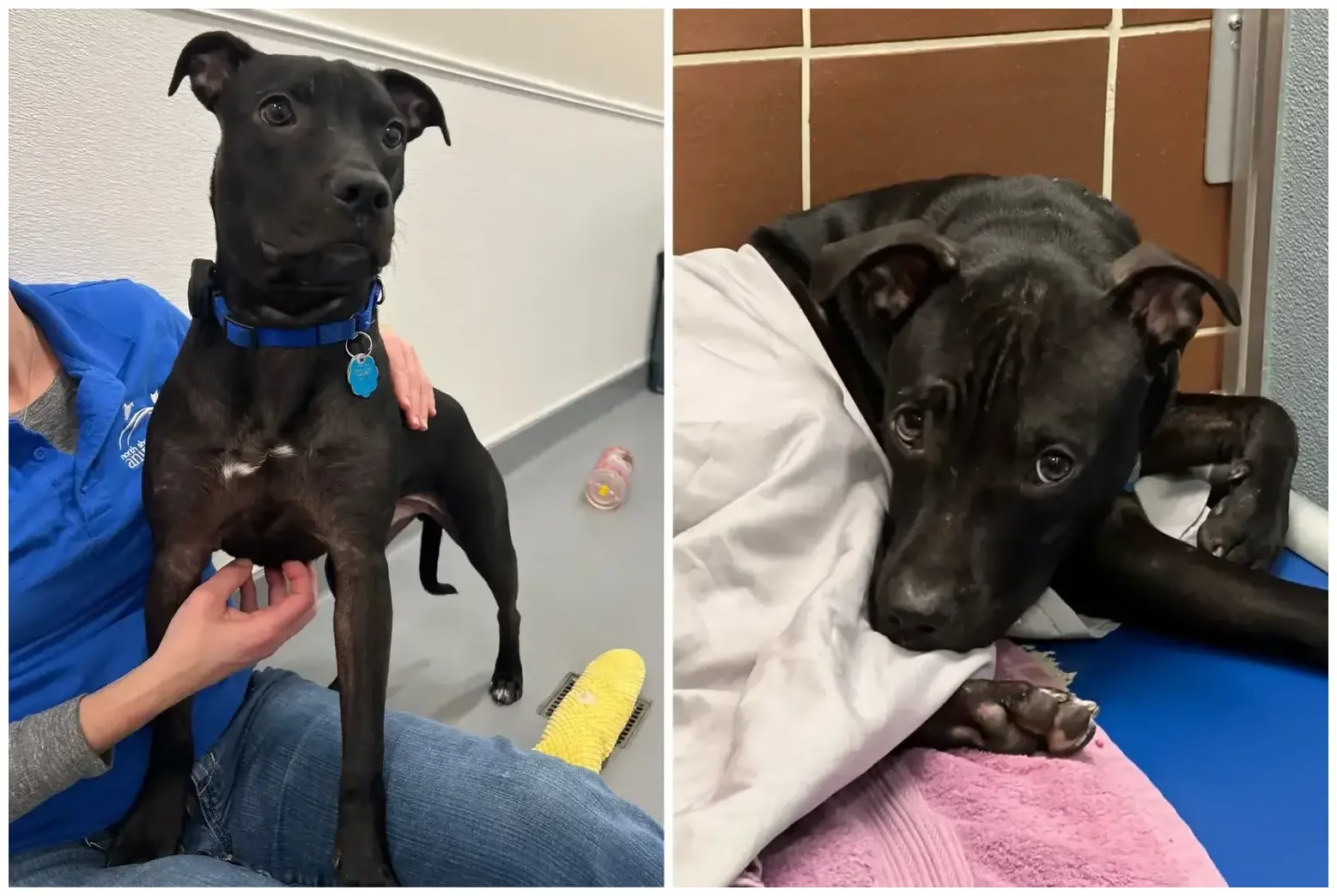
Ready to adopt a shy puppy? Learn proven steps to reduce adoption anxiety, create a safe home, and help your pup thrive—this guide equips you with tools.
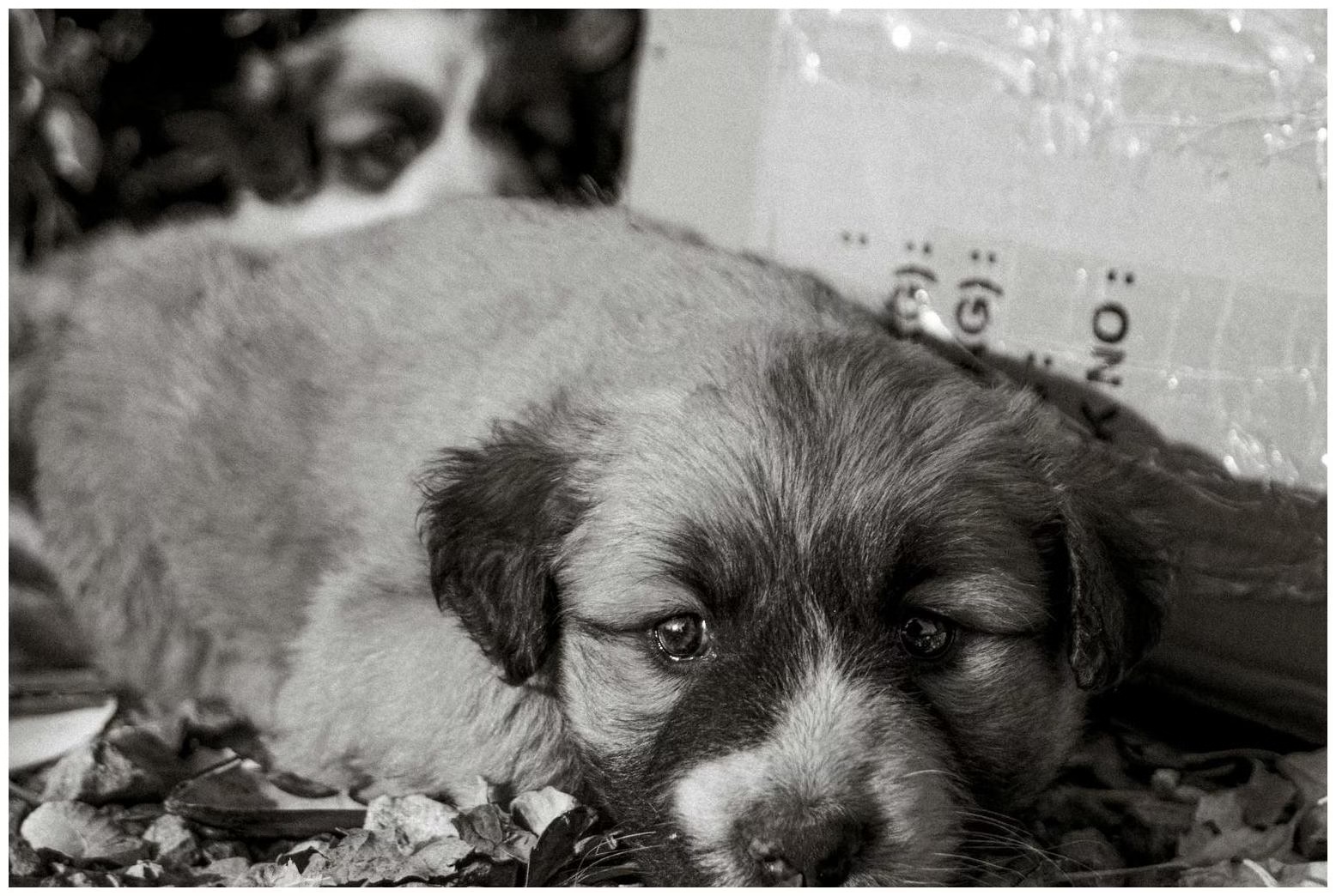
Have you ever watched a shy puppy stare at his brother being adopted while he’s left alone? That heartbreaking moment is a real part of shy puppy adoption for many rescues. If you’re considering bringing a timid pup home, you need to know how to ease his fear, build trust, and create a safe environment that turns puppies calm down. In this comprehensive guide, we’ll walk you through every stage—from preparing your home to handling adoption day—and give you proven techniques that modern dog parents swear by.
The emotional toll of adoption anxiety dog experience can be just as intense for you as it is for the pup. When a shy pup watches his sibling get a new family, he often feels abandoned, confused, and insecure. Recognizing these feelings early helps you set realistic expectations and avoid common pitfalls that prolong the adjustment period. Below, we break down the whole process into bite‑size sections, each packed with actionable advice, expert insights, and heart‑warming stories from real‑world adoptions.
From setting up a calm space to managing dog separation anxiety coping, every tip is designed to make the transition smoother for both you and your new furry companion. Ready to learn? Let’s dive into the shy puppy adoption journey and discover how you can turn a nervous newcomer into a confident family member.
[ez‑toc]
Understanding the Challenges of Shy Puppy Adoption
When it comes to shy puppy adoption, the first obstacle is often the pup’s limited exposure to new experiences. Shelters and rescue groups may not have had the time or resources to socialize puppies with other dogs, leaving them wary of strangers, loud noises, and even familiar household objects. Understanding why a shy puppy behaves this way helps you tailor your approach and avoid unintentional triggers.
Signs Your Shy Puppy Is Adjusting Well
Early indicators of a positive shift include a gradual increase in eye contact, willingness to sniff new toys, and relaxed body posture when you’re near. These subtle cues signal that your shy puppy is beginning to trust you and is ready for deeper interaction.
Ways to Reduce Separation Anxiety in a Shy Puppy Adoption
Separation anxiety can spike during the first few weeks after adoption, especially if the pup spent weeks watching a sibling leave. Creating predictable routines, using calming aids, and offering comfort for puppy waiting alone objects can significantly lower stress levels and encourage a sense of security.
Preparing Your Home for a Successful Shy Puppy Adoption
A well‑planned environment is the foundation of a stress‑free shy puppy adoption. Start by designating a quiet, low‑stimulus area where your new companion can retreat if overwhelmed. Use baby gates or crate train puppy to create a safe zone, and equip the space with soft bedding, a chew toy, and a bowl of water placed away from high traffic areas.
Creating a Safe Zone with Limited Stimulation
Limit visual clutter and sudden noises during the first 48 hours. Turn off flashing lights, close blinds, and keep TV volume low. This reduces sensory overload and gives your shy puppy a chance to explore his new surroundings without fear.
Introducing Predictable Routines to Build Confidence
Schedule feedings, potty breaks, and play sessions at consistent puppy routines. Consistency signals safety, allowing a shy puppy to anticipate what happens next, which gradually diminishes the anxiety that fuels shyness.
Building Trust and Reducing Adoption Anxiety
Trust is the currency of shy puppy adoption, and the faster you earn it, the sooner your pup will blossom into a sociable family member. Begin with low‑intensity interactions: sit near his crate, speak in a soothing tone, and offer treats without demanding obedience. Each successful moment adds to his confidence bank.
Gradual Introductions to Family Members
Introduce new people one at a time, allowing each interaction to be brief and positive. Encourage family members to sit quietly, hold out a hand, and let the puppy sniff before petting. This staged approach prevents overwhelm and builds incremental trust.
Using Positive Reinforcement to Reinforce Calm Behaviors
Reward calm responses—like sitting still while a stranger approaches—with high‑value treats or favorite toys. Over time, the shy puppy learns that remaining relaxed leads to good things, reducing interact with a dog and fostering cooperative behavior.
Step‑by‑Step Guide to Shy Puppy Adoption: What to Do on Adoption Day
Adoption day is the pivotal moment when you officially become a family. Follow these steps to keep the experience low‑stress and high‑reward for your shy puppy:
- Schedule a Meet‑and‑Greet in a Quiet Space—Choose a low‑traffic room, dim the lights, and let the puppy explore at his own pace.
- Bring Familiar Items—A blanket or toy from his previous foster home can serve as an olfactory anchor, easing the transition.
- Use Calming Scents—Apply a small amount of lavender or chamomile spray to the crate to promote relaxation.
- Limit Handling—Avoid picking him up or forcing interaction; let curiosity drive the first contact.
- Set a Short Walk—A brief, puppies first walk around the backyard can help him acclimate to outdoor smells before formal training begins.
Common Mistakes That Can Derail a Shy Puppy Adoption Journey
Many well‑meaning owners unintentionally make errors that heighten a shy puppy’s stress. Overstimulation, rapid exposure to strangers, and inconsistent routines are the top culprits. By recognizing these pitfalls, you can adjust your plan and give your pup the best chance for success.
Expert Tips for a Seamless Shy Puppy Adoption Experience
Veterinarians and professional trainers agree that a systematic approach yields the most consistent outcomes. Combine a calm home setup, gradual socialization, and consistent positive puppy discipline to help a shy puppy overcome his past experiences and flourish in his new family.
Conclusion: Ensuring a Happy Future for Your Shy Puppy Adoption
When you adopt a shy puppy, you’re not just adding a new pet—you’re giving a vulnerable soul a second chance at trust and love. By following the shy puppy adoption strategies outlined above, you’ll create a nurturing environment that reduces anxiety, builds confidence, and turns a tentative newcomer into a joyful companion as they grow.
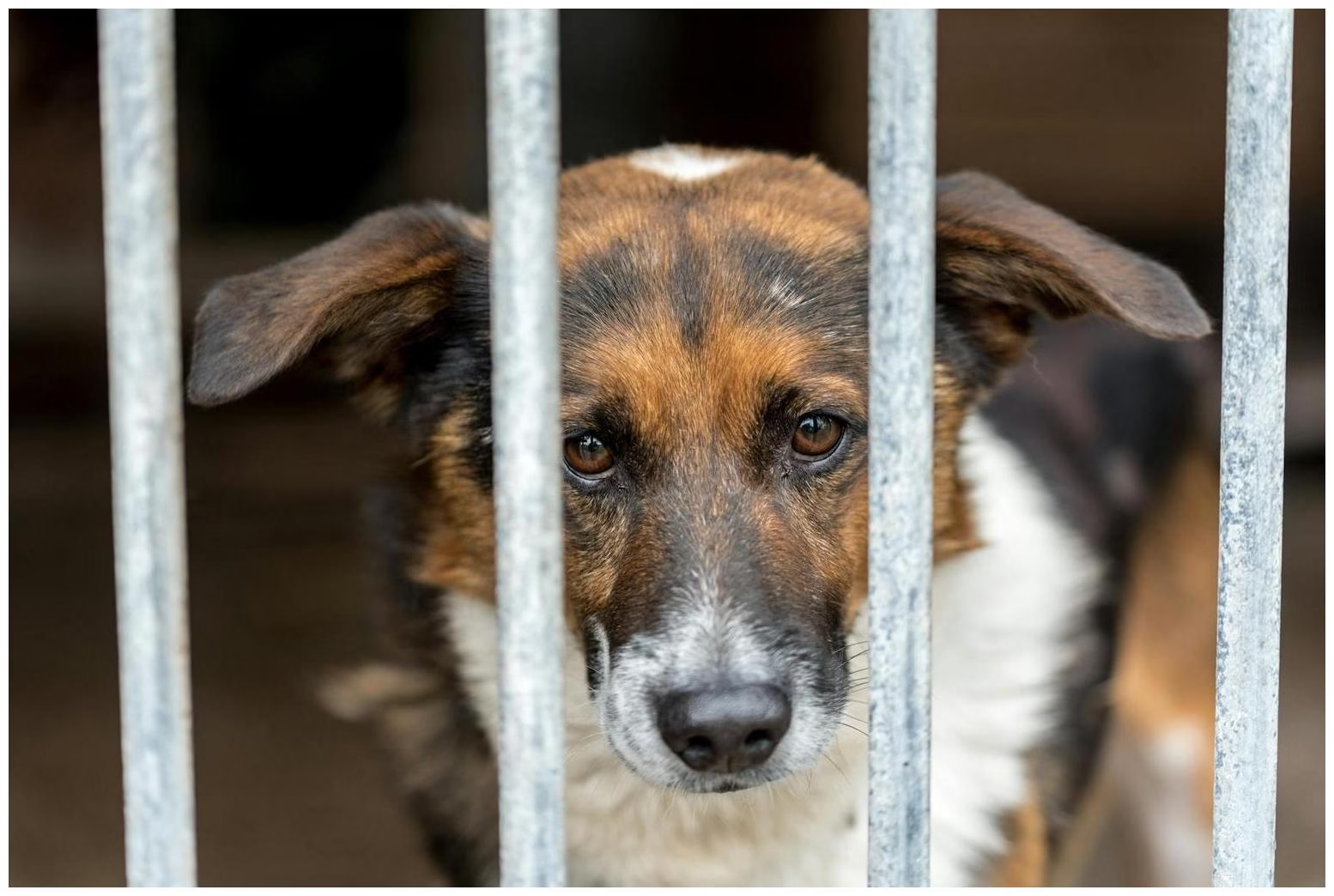
- Tip #1: Design a Safe Space for Your Shy Puppy Adoption: Set up a quiet room with a crate for your puppy, soft bedding, and minimal visual clutter to help your puppy feel secure during the first critical days.
- Tip #2: Use Slow, Positive Introductions to Ease Adoption Anxiety Dog Experience: Introduce family members one at a time, let your puppy sniff before petting, and reward calm behavior with treats or praise.
- Tip #3: Maintain Consistent Feeding and Exercise Routines: Predictable puppy feeding routines reduce uncertainty and give a shy puppy a sense of control, which naturally eases dog separation anxiety coping.
- Tip #4: Leverage Calming Tools Like White Noise Machines: Gentle background sounds mask sudden noises and help your pup focus on relaxation instead of fear.
- Tip #5: Engage in Gentle Socialization Activities: Short, supervised playdates with other calm dogs can boost confidence without overwhelming a gentle puppy socialization.
- Tip #6: Monitor Body Language for Stress Signals: Look for tucked tails, flattened ears, or avoidance; if you notice these signs, give your puppy extra space and reduce stimulation.
- Tip #7: Celebrate Small Wins with Positive Reinforcement: When your shy puppy stays calm during a car ride or accepts a new toy, immediately reward him to reinforce the behavior.
- Tip #8: Seek Professional Help Early if Separation Anxiety Persists: A certified dog behaviorist can create a customized plan to address deep‑rooted anxiety that may linger after adoption.
