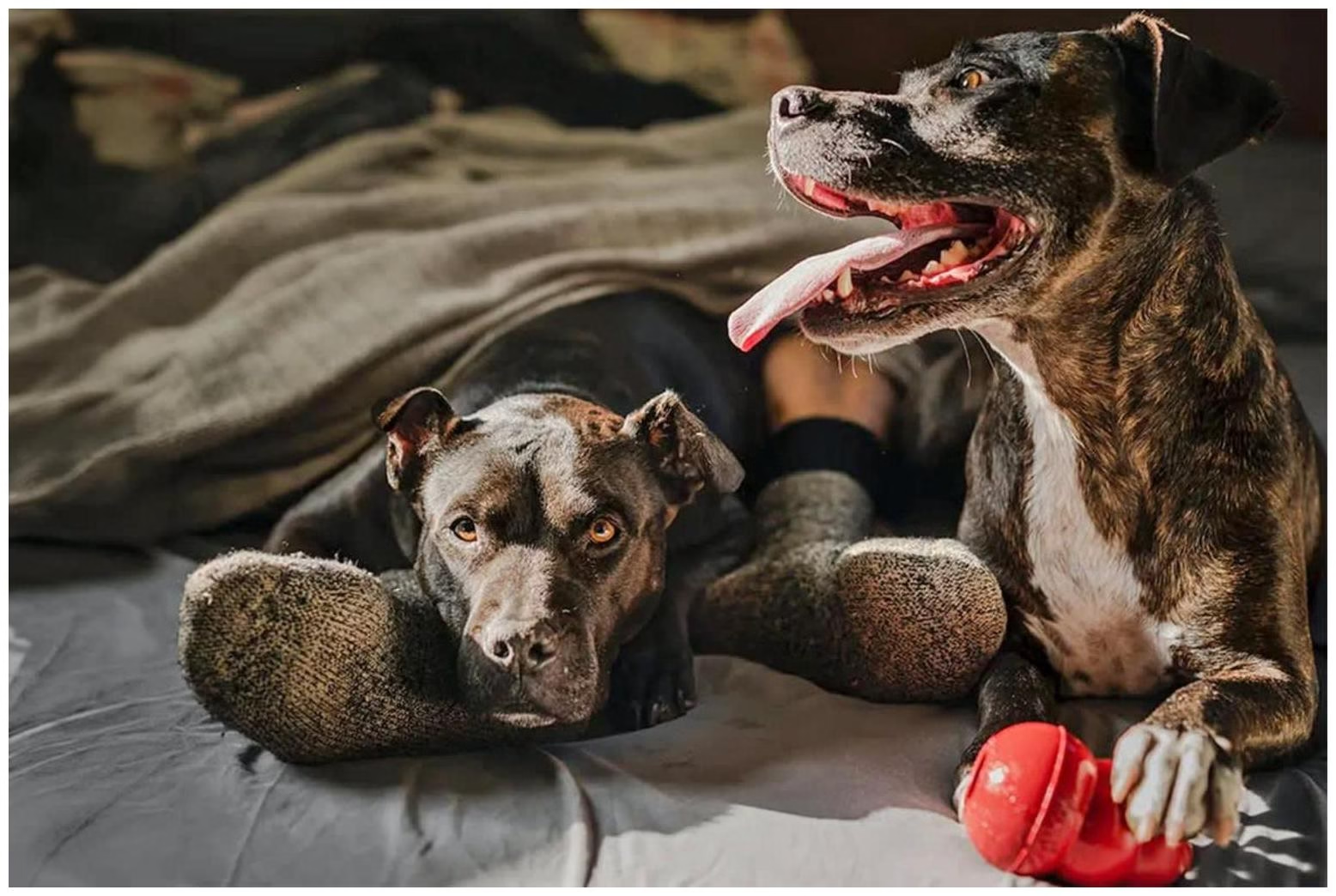
Ever wonder why dogs steal toys? Discover 7 key reasons behind this common behavior and learn how to stop dog stealing toys with proven, easy tips for harmony.
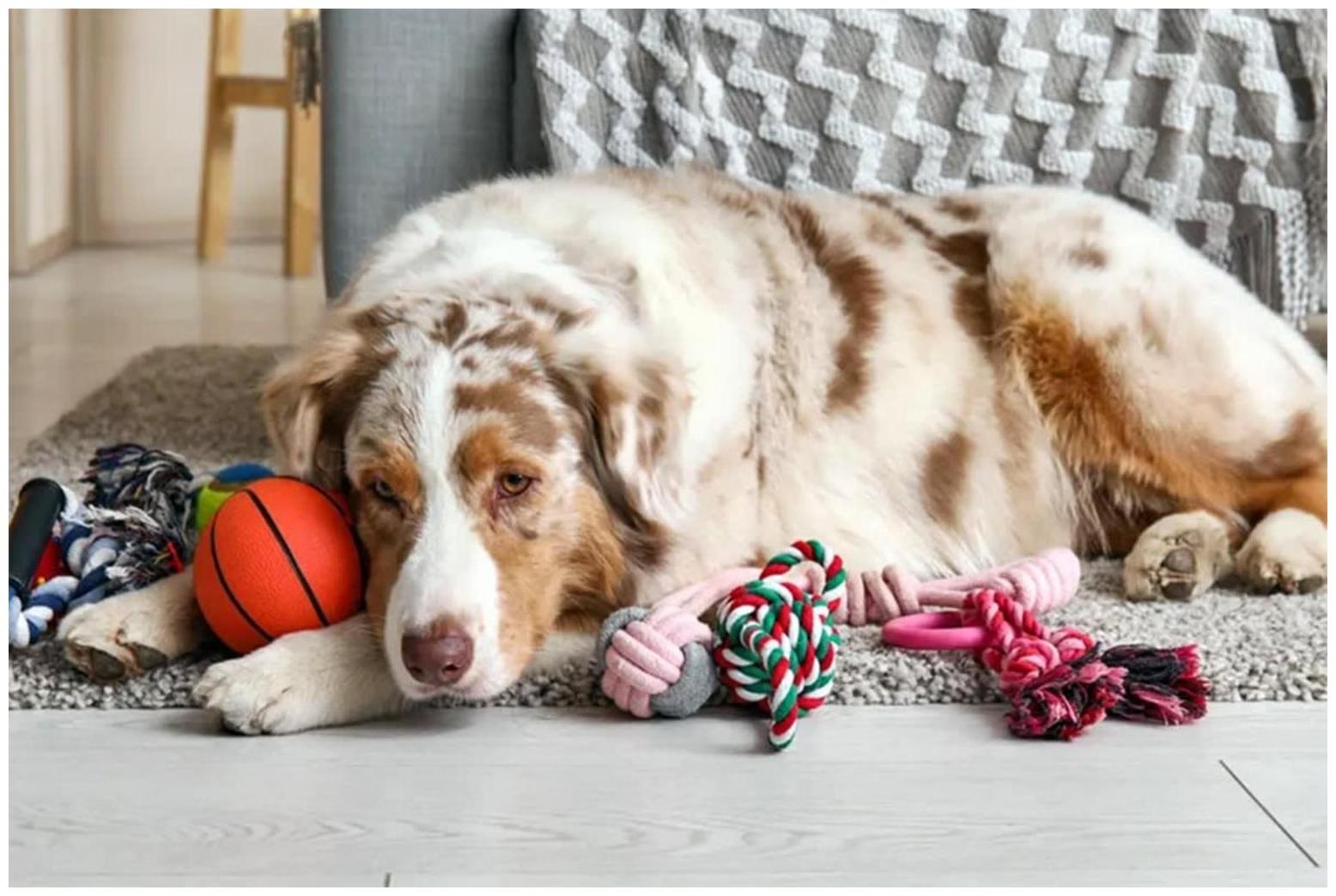
Why Dogs Steal Toys: 7 Essential Reasons & How to Stop It!
As a devoted dog parent, you’ve likely witnessed it: your beloved canine friend, perhaps with a mischievous glint in their eye, swiping a toy right from under another dog’s nose. It’s a common, often perplexing behavior that leaves many of us asking, why dogs steal toys in the first place? This isn’t just a quirky habit; understanding the motivations behind dog behavior stealing toys is crucial for maintaining peace in a multi-dog household and fostering a happy, secure environment for all your furry companions.
It can be frustrating when your pup seems to have an obsession with toys that aren’t theirs, or when a playdate turns into a tug-of-war over a coveted squeaky. But don’t worry, you’re not alone in this! We’re here to delve deep into the fascinating world of canine psychology, exploring the root causes of this intriguing behavior and arming you with practical strategies to manage and even stop dog stealing toys. Get ready to transform your understanding and bring more harmony to your home.
Whether it’s a playful snatch, a calculated heist, or a clear case of resource guarding, we’ll uncover the various reasons dogs engage in this behavior. By the end of this guide, you’ll have a clearer picture of what drives your dog’s toy-stealing antics and how you can gently guide them towards more appropriate interactions. Let’s embark on this enlightening journey together!
Understanding Why Dogs Steal Toys: An Overview
When you see your dog pilfering another dog’s plaything, your first thought might be, “Are they just being naughty?” While it can certainly feel that way, the answer to why dogs steal toys is far more nuanced than simple naughtiness. It’s often rooted in instinct, learned behaviors, and their unique way of communicating within their social structure. For caring modern dog parents like you, recognizing these underlying factors is the first step toward effective intervention.
Dogs are incredibly intelligent creatures with complex social dynamics. Their actions, including stealing toys, are almost always driven by a specific purpose, even if that purpose isn’t immediately obvious to us. From seeking attention to asserting dominance, or simply enjoying the thrill of the chase, understanding these motivations provides invaluable insight into your dog’s world. This overview will set the stage for a deeper dive into the specific reasons your dog might be engaging in toy theft.
The Canine Impulse: Instincts at Play
At their core, many canine behaviors stem from ancient instincts. For instance, resource guarding—an instinct to protect valuable items—can manifest as toy stealing. In the wild, resources like food and safe spaces were vital for survival, and while a squeaky toy isn’t a matter of life or death, dogs can still assign high value to certain possessions. This inherent drive to protect what they perceive as theirs, or to acquire what they desire, is a significant part of why dogs steal toys.
Learning and Environment: Shaping Behavior
Beyond instinct, a dog’s environment and past experiences heavily influence their behavior. If a dog has learned that stealing a toy results in positive attention (even if it’s you chasing them to get it back!), or that it guarantees them possession of a highly desired item, they are likely to repeat the behavior. Understanding these learned associations is key to addressing and modifying dog stealing behavior effectively.
Main Topic Section 1: Decoding Dog Behavior Stealing Toys
Unraveling the mystery of why dogs steal toys requires a look into several common motivations. It’s rarely a single reason but often a combination of factors that drive a dog to grab another’s plaything. By observing your dog’s body language and the context in which the stealing occurs, you can begin to piece together the puzzle.
Attention-Seeking: “Look at Me!”
Dogs thrive on attention from their human companions. If your dog notices that every time they snatch a toy, you immediately engage with them—even if it’s to scold or retrieve the toy—they might interpret this as positive reinforcement. They learn that stealing is a surefire way to get you to focus solely on them. This can be especially true for dogs who feel they aren’t getting enough one-on-one playtime or interaction.
Play Solicitation: Initiating Interaction
Sometimes, a dog isn’t trying to hoard a toy but rather using it as a prop to invite play. Grabbing another dog’s toy, especially if followed by a playful bow, a wagging tail, or a quick dash, can be their way of saying, “Hey, let’s play!” They might want to initiate a chase game or a gentle tug-of-war. This is a common and usually harmless reason why dogs steal toys, and it’s often accompanied by other clear play signals.
Main Topic Section 2: More Reasons for Dog Obsession with Toys
Beyond seeking attention or initiating play, there are deeper psychological and behavioral reasons behind a dog’s propensity to steal toys. Understanding these nuances can provide critical insights into your dog’s needs and help you tailor your approach to manage their behavior effectively.
Resource Guarding: Protecting Prized Possessions
Resource guarding is an instinctive behavior where a dog protects items they deem valuable. This can include food, resting spots, and, yes, toys. If your dog exhibits growling, stiff body language, or snaps when another dog (or even you) approaches a stolen toy, it’s likely a form of resource guarding. This behavior can range from mild to severe and requires careful management to prevent conflict. It’s a significant factor in understanding dog toy possessiveness.
High-Value Item Acquisition: The Grass is Always Greener
Often, the stolen toy isn’t just *any* toy; it’s the specific toy the other dog is playing with. To some dogs, a toy that another dog is engaged with instantly becomes more desirable. It’s a classic case of “the grass is always greener” or the perception that if another dog has it, it must be the best one. This desire to possess what another dog has can be a strong motivator for why dogs steal toys.
Boredom and Under-Stimulation: Finding Their Own Fun
A bored dog is often a mischievous dog. If your dog isn’t receiving adequate mental and physical stimulation, they might resort to creating their own entertainment. Stealing another dog’s toy, especially if it leads to a chase or a reaction from you, can be an exciting way to alleviate boredom. This highlights the importance of ensuring your dog has plenty of appropriate outlets for their energy and intelligence.
How to Stop Dog Stealing Toys: A Step-by-Step Approach
Now that we’ve explored why dogs steal toys, let’s pivot to practical strategies for managing and modifying this behavior. Stopping dog stealing toys requires patience, consistency, and a clear understanding of positive reinforcement techniques. Remember, the goal isn’t to punish but to redirect and teach more appropriate behaviors.
Step 1: Identify the Motivation Behind the Theft
Before you can effectively address the behavior, you need to understand *why* your dog is stealing. Is it attention-seeking? Resource guarding? Play solicitation? Observe the context: When does it happen? Which toys are stolen? What is your dog’s body language? This diagnostic step is crucial for tailoring your training plan. For instance, addressing dog obsession with toys due to boredom will differ from managing serious resource guarding.
Step 2: Increase Resources and Reduce Competition
If resource guarding or high-value item acquisition is a factor, ensure there are more than enough toys for all dogs present. Offer a variety of toys, including duplicates of highly favored items. Spreading toys around the living space rather than having them all in one bin can also reduce the perception of scarcity and competition. This simple step can significantly alleviate tension and reduce the urge to steal.
Step 3: Teach “Drop It” and “Leave It” Commands
These commands are invaluable for managing toy stealing. Start by teaching “Drop It” with low-value items and gradually move to higher-value toys. Practice “Leave It” by placing a tempting toy on the ground and rewarding your dog for ignoring it until you give the “Take It” cue. Consistent practice in calm environments will build reliability. These commands are essential tools to stop unwanted dog behaviors proactively.
Step 4: Supervise and Redirect Proactively
Close supervision is key, especially during initial training. When you see your dog eyeing another dog’s toy with intent, proactively redirect their attention to an appropriate activity or their own toy. You can also physically block access to the other dog’s toy or move your dog to a separate play area if necessary. The goal is to prevent the stealing behavior from happening in the first place, thus preventing reinforcement.
Step 5: Provide Ample Mental and Physical Stimulation
Many behavioral issues, including toy stealing, stem from a lack of appropriate outlets for a dog’s energy and intelligence. Ensure your dog receives daily walks, interactive playtime, puzzle toys, and training sessions. A well-exercised and mentally stimulated dog is less likely to resort to undesirable behaviors out of boredom or frustration. This can significantly reduce dog obsession with toys that aren’t theirs.
Common Mistakes to Avoid When Addressing Why Dogs Steal Toys
When you’re trying to modify your dog’s behavior, it’s easy to fall into common traps that can inadvertently reinforce the very actions you’re trying to stop. Avoiding these pitfalls is crucial for successfully addressing why dogs steal toys and achieving lasting results.
Mistake 1: Chasing Your Dog to Retrieve the Toy
While your immediate instinct might be to chase after your dog to get the stolen toy back, this often backfires. For many dogs, being chased is a fun game, turning the act of stealing into an exciting, self-reinforcing activity. They learn that stealing a toy leads to a thrilling chase with their favorite human. Instead, try calling them to you and offering a higher-value treat in exchange for the toy.
Mistake 2: Punishing or Scolding Your Dog
Punishment, whether it’s scolding, yelling, or physical correction, is rarely effective and can damage your bond with your dog. It teaches fear, not understanding. Your dog might learn to avoid stealing when you’re around but continue the behavior when you’re not, or develop anxiety around toys or other dogs. Focus on positive reinforcement, redirection, and teaching alternative behaviors instead.
Mistake 3: Inconsistency in Training
Dogs thrive on routine and consistency. If you sometimes allow toy stealing and other times correct it, your dog will become confused and the behavior will be harder to extinguish. Ensure all members of the household are on the same page regarding rules and training methods. Consistency is paramount when working to stop dog stealing toys.
Expert Advice & Best Practices for Dog Toy Possessiveness
Navigating the complexities of dog toy possessiveness requires a thoughtful and consistent approach. By implementing these expert-backed strategies, you can foster a more harmonious environment for all your dogs and better understand why dogs steal toys.
Implement a “Trade Up” System
If your dog is prone to snatching, teach them that letting go of a stolen item leads to something even better. When your dog has a stolen toy, calmly approach with a high-value treat (like a piece of chicken or cheese). Offer the treat and say “Drop It.” When they drop the toy to take the treat, praise them enthusiastically. This positive association teaches them that giving up a toy is rewarding. This is a powerful technique to manage dog toy possessiveness.
Practice Parallel Play
Instead of throwing all toys into a communal pile, encourage parallel play, especially if you have multiple dogs prone to stealing. Give each dog their own designated play area or individual chew toy to enjoy quietly. This reduces the immediate competition and the perceived need to guard or steal. Gradually, as their comfort grows, you can reintroduce shared play under close supervision.
Regular Training and Socialization
Ongoing training reinforces good manners and strengthens your bond. Basic obedience commands like “sit,” “stay,” “come,” “leave it,” and “drop it” are foundational. Regular, positive socialization experiences with other well-behaved dogs can also help your dog learn appropriate play etiquette and reduce anxiety that might contribute to stealing behaviors. A well-socialized dog often has a better understanding of social cues, helping with dog stealing behavior explanation.
Consult a Professional Dog Trainer or Behaviorist
If toy stealing is accompanied by aggression, severe resource guarding, or if you’re struggling to make progress on your own, don’t hesitate to seek professional help. A certified professional dog trainer or veterinary behaviorist can provide personalized guidance, identify underlying issues, and develop a safe and effective behavior modification plan tailored to your specific situation. They can offer invaluable insights into understanding dog toy possessiveness.
Conclusion: Understanding and Addressing Why Dogs Steal Toys
The journey to understanding why dogs steal toys is a rewarding one that deepens your connection with your canine companions. We’ve explored the diverse motivations behind this common behavior, from playful attention-seeking and initiation of games to more instinctual drives like resource guarding and the allure of high-value items. Remember, your dog’s actions are rarely malicious; they are often a form of communication or a natural expression of their canine nature.
By applying patience, consistency, and positive reinforcement, you can effectively modify this behavior. Implementing strategies such as increasing resources, teaching essential commands like “drop it” and “leave it,” and providing ample mental and physical stimulation are key steps. Avoiding common mistakes like chasing or punishing your dog will ensure a healthier, more trusting relationship.
As a caring modern dog parent, your commitment to understanding and addressing your dog’s needs is truly commendable. By using the insights and practical tips provided, you are well-equipped to stop dog stealing toys and foster a more harmonious and joyful environment for all your furry family members. Keep observing, keep learning, and keep reinforcing those positive behaviors – your dogs will thank you for it with wagging tails and peaceful playtimes!
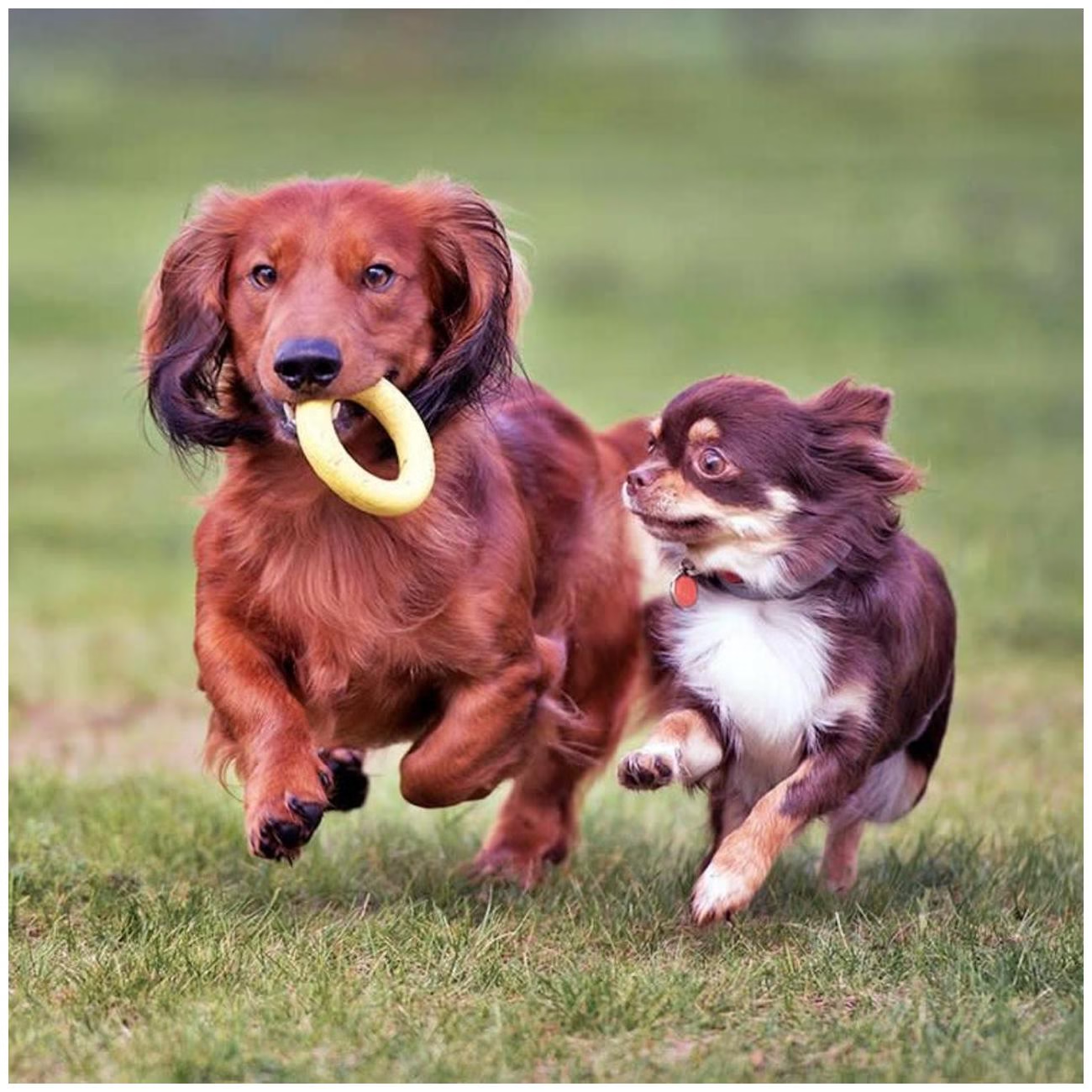
- Rotate Toys Regularly: Prevent dog obsession with toys by rotating their available toys. Keep a selection put away and swap them out every few days. This keeps toys fresh and exciting, reducing the perceived value of any single item and making stealing less appealing.
- Teach a Strong “Place” Command: Train your dog to go to a designated “place” (like a mat or bed) and stay there while you manage toys or interactions. This creates a calm default behavior and gives you control, especially useful when another dog’s toy is involved to stop dog stealing toys.
- Use Puzzle Toys for Mental Stimulation: Engage your dog’s mind with puzzle toys for mental stimulation that dispense treats. This provides a constructive outlet for their energy and intelligence, reducing boredom-driven toy stealing and helping them focus on their own enrichment.
- Practice Group “Drop It” Sessions: If you have multiple dogs, practice the “Drop It” command with all of them simultaneously using low-value toys. Gradually increase the value and practice in different settings to reinforce the behavior in a group context.
- Supervise Playdates Closely: Always supervise interactions between dogs, especially during playtime with toys. Intervene *before* a theft occurs by redirecting or separating if you see signs of tension or intent to steal. This prevents the behavior from being reinforced.
- Ensure All Dogs Have Equal Access: Make sure there are enough comfortable beds, water bowls, and safe spaces for all dogs, in addition to toys. Reducing overall resource competition can lessen the underlying drive for understanding dog possessiveness.
- Reward Calmness Around Toys: Actively praise and reward your dog when they are calm and ignore other dogs’ toys, or when they play appropriately with their own. This positively reinforces desired behavior and makes them less likely to engage in toy-stealing antics, explaining why dogs steal toys less when rewarded.
- Avoid Leaving High-Value Toys Unattended: If certain toys consistently trigger stealing or guarding, put them away when not in direct use or when dogs are unsupervised. This minimizes opportunities for conflict and helps prevent the behavior from occurring.
- Create Individual Play Zones: If possible, create separate, safe play zones for each dog where they can enjoy their toys without interruption from others. This can be especially helpful for dogs with strong dog obsession with toys or resource guarding tendencies.
- Be Patient and Consistent: Behavior modification takes time. Don’t get discouraged by setbacks. Consistency in your training, rules, and reactions is the most crucial element for long-term success in addressing why dogs steal toys.
