Navigate the new Goa dog breed ban with our essential guide. Understand the new regulations & protect your furry friend. Stay informed on Goa’s dog ownership laws.

Are you a loving pet parent in Goa, or planning to move there with your furry companion? If so, you’ve likely heard whispers and concerns about the looming Goa dog breed ban. After a period of consideration and a retreat last year, the state is now resolute in its decision to enforce restrictions on certain dog breeds, impacting many households and the vibrant pet community. This isn’t just a local news headline; it’s a significant development that demands the attention of every caring dog owner.
The prospect of a dog breed ban can be daunting, sparking worries about the safety and future of your beloved pets. But what exactly does this ban entail? Which breeds are on the list, and more importantly, what does this mean for you and your family? We understand your concerns, and this comprehensive guide is designed to cut through the confusion, providing you with clarity and actionable advice. We’re here to help you navigate these new regulations, ensuring you’re well-equipped to protect your canine friend and comply with the latest rules.
Understanding these new pet regulations is crucial for responsible dog ownership in the sunshine state. Let’s dive into the specifics of the Goa dog breed ban, ensuring you have all the essential information at your fingertips.
Unpacking the Goa Dog Breed Ban: Why This Matters
The decision to implement a Goa dog breed ban stems primarily from public safety concerns. Reports of dog attacks, particularly involving breeds perceived as aggressive, have spurred authorities to take stricter measures. While many dog parents argue that “there are no bad dogs, only bad owners,” the government’s perspective often leans towards preventative action to mitigate perceived risks to the public.
This isn’t an isolated incident; similar bans and restrictions have been implemented in various regions globally, often following high-profile incidents. The “retreat” last year indicates the complexity and sensitivity of the issue, highlighting the balance authorities attempt to strike between public safety and animal welfare. For you, as a modern dog parent, understanding the underlying motivations behind the Goa enforce dog ban is the first step towards constructive engagement and compliance.
These regulations are not just about preventing future incidents; they also aim to foster a more responsible pet ownership culture. By setting clear guidelines, the authorities hope to encourage proper dog training, socialization, and containment practices for all dogs, especially those categorized under the new restrictions.
Understanding the Banned Dog Breeds Goa Considers ‘Dangerous’
One of the most pressing questions for dog owners is, “Which breeds are affected?” While specific official lists can evolve, the initial discussions and precedents from other regions suggest that certain breeds are consistently targeted. These typically include powerful breeds often associated with dog fighting or perceived aggression, though their temperament is often a result of upbringing and training.
Common Breeds on the Banned List
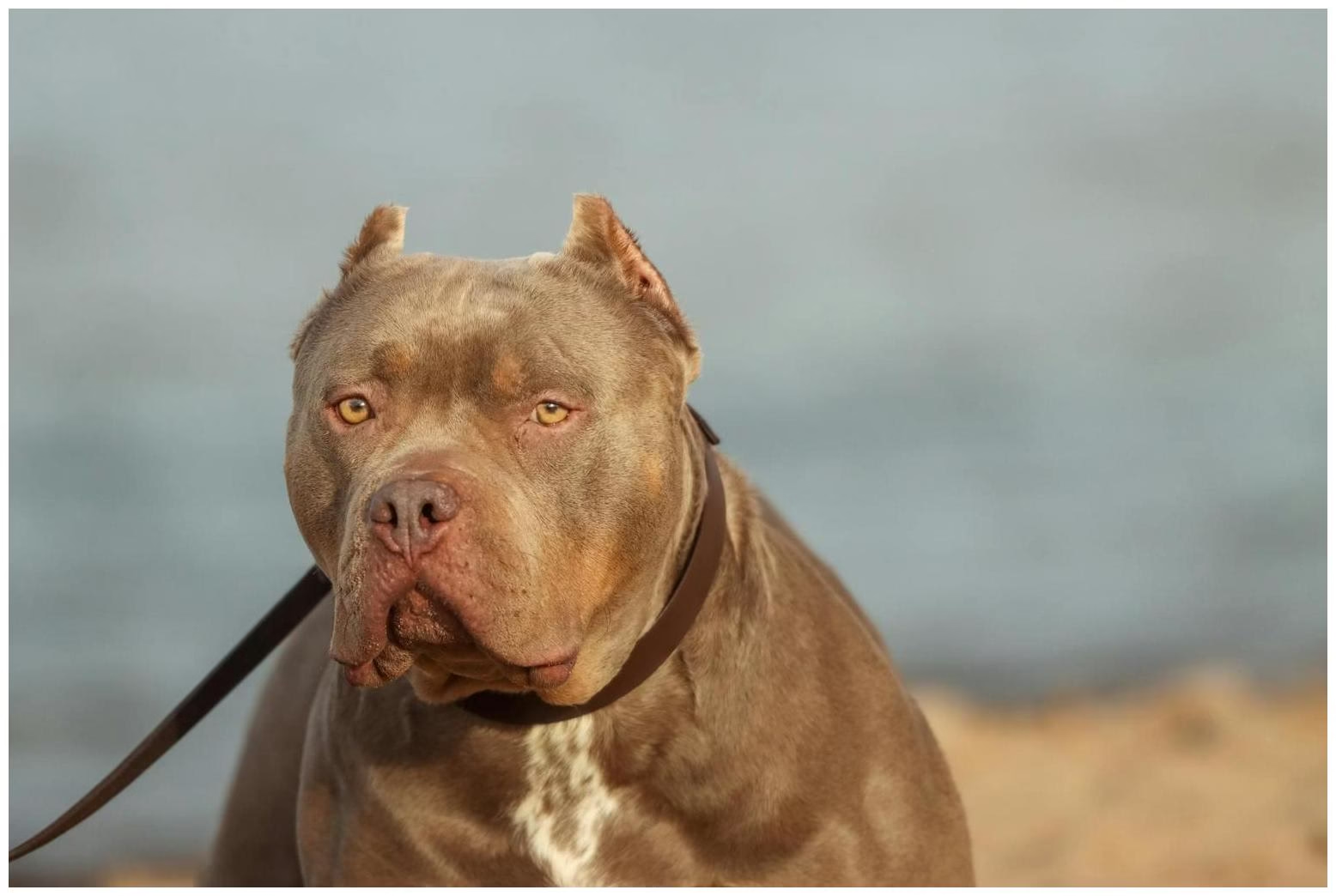
Based on typical bans seen elsewhere and initial reports related to the Goa dog breed ban, breeds like Rottweilers, Pit Bulls (including American Pit Bull Terriers, Staffordshire Bull Terriers), American Bulldogs, and sometimes even breeds like Doberman Pinschers or Mastiffs are frequently cited. It’s important to note that these breeds, when responsibly owned and trained, can be loving and gentle companions. The ban often targets the breed type rather than individual temperament, which can be a point of contention for many.
For current owners of these breeds, this section is crucial. You’ll need to confirm if your specific breed falls under the banned dog breeds Goa is now enforcing. Official announcements from the Goa government or local municipal bodies will provide the definitive list. Always refer to the latest government gazettes or official notices for accurate information.
Defining “Dangerous” Breeds in Goa Pet Regulations
The classification of a breed as “dangerous” is often subjective and can be a point of debate. In the context of the Goa pet regulations, this classification will likely be based on criteria such as bite force, historical incidents, and general public breed perception, rather than scientific consensus on inherent aggression. It’s vital for pet parents to understand that this label, while impactful legally, doesn’t diminish the love and care you provide to your dog.
The regulations might also include hybrid breeds or dogs that closely resemble the banned breeds, making identification a complex issue for authorities and owners alike. This ambiguity underscores the need for clear guidelines and potentially, a process for breed verification or temperament assessment for dogs that might fall into a grey area under the new Goa dog breed ban.
Implications of the Goa Enforce Dog Ban for Current Owners
If you currently own a breed that falls under the new restrictions, it’s natural to feel anxious. The good news is that previous “retreats” on similar bans often include provisions for existing pets. Typically, bans are prospective, meaning they prevent new dog ownership or breeding of restricted breeds, while allowing current owners to keep their dogs under strict conditions.
Registration and Sterilization Requirements
One of the most common requirements for existing owners of banned breeds under a Goa enforce dog ban will likely be mandatory registration. This means formally registering your pet with the local authorities, providing details about its breed, age, and potentially even its dog microchip information. Furthermore, sterilization (spaying or neutering) is almost certainly a mandatory requirement for these breeds, aimed at preventing further breeding and controlling the population.
These measures are designed to create a registry of all restricted breeds in the state, allowing authorities to monitor compliance and ensure responsible ownership. As a caring dog parent, preparing for these steps proactively will make the transition smoother and demonstrate your commitment to adherence.
Muzzling and Leash Laws: Navigating Public Spaces
Another significant implication of the Goa dog ban policy will be stricter regulations regarding public access. It is highly probable that dogs of banned breeds will be required to be muzzled and kept on a short leash in public spaces. These measures, while sometimes uncomfortable for both dog and owner, are put in place to ensure public safety and alleviate fears among non-pet owners.
Understanding and practicing with a muzzle early on can help your dog adapt. It’s not a punishment, but a tool to comply with regulations and ensure peaceful coexistence. Always use a comfortable, well-fitting muzzle and introduce it gradually through positive reinforcement. Familiarize yourself with the exact specifications for muzzles and leash lengths outlined in the new Goa dog ownership laws.
Navigating the New Goa Dog Ownership Laws: A Step-by-Step Guide
For dog parents in Goa, adapting to the new regulations requires a clear understanding of the steps you need to take. This proactive approach will not only ensure compliance but also give you peace of mind that you are doing everything right for your beloved companion.
Step 1: Identify Your Dog’s Status Under the Goa Dog Breed Ban
First and foremost, you need to ascertain if your dog’s breed falls under the banned categories. Carefully review the official list released by the Goan authorities. If your dog is a mixed breed, its appearance or dominant characteristics might lead to its classification under a restricted category. In such cases, seeking clarification from local veterinary officials or legal experts specializing in animal law might be necessary to understand the implications of the Goa dog breed ban for your specific pet.
Step 2: Understand and Fulfill Registration Requirements
Once you’ve identified your dog’s status, prepare for registration. Gather all necessary documents, which may include vaccination records, proof of ownership, and sterilization certificates. Contact your local municipal office or designated animal welfare department to understand their specific registration process, deadlines, and required fees. Timely registration is key to avoiding penalties under the new Goa enforce dog ban.
Step 3: Implement Training and Socialization Adjustments
Regardless of the ban, responsible dog ownership always includes training and socialization. For breeds under restriction, reinforcing good puppy behavior, obedience training, and careful socialization becomes even more critical. If your dog struggles with a muzzle, work on desensitization. Professional trainers can offer invaluable support in adapting to new routines and ensuring your dog remains well-adjusted despite the changes brought by the Goa dog breed ban.
Step 4: Secure Your Property and Follow Public Conduct Rules
Ensure your property is securely fenced to prevent escapes, which could lead to severe consequences under the new laws. When in public, always adhere to strict leash and muzzling requirements. Being a visible example of responsible ownership can help challenge negative perceptions and contribute positively to the overall acceptance of dog owners in the community. Understand the geographical limits and public areas where your dog might face restrictions under the Goa dog ban policy.
Common Mistakes to Avoid with the Goa Dog Breed Ban
Navigating new regulations can be tricky, and it’s easy to make missteps without proper information. Avoiding common mistakes is crucial to ensure both your and your dog’s well-being and to remain compliant with the Goa dog breed ban.
Ignoring Official Notifications and Deadlines
One of the biggest mistakes pet parents can make is not staying informed. Relying on hearsay or outdated information can lead to non-compliance. Always seek out official government websites, local municipality announcements, or reputable news sources for the latest updates on the Goa dog breed ban. Missing registration deadlines or failing to comply with new requirements can result in fines, confiscation, or other severe penalties.
Failing to Properly Train and Socialize Your Dog
While the ban targets specific breeds, a lack of proper training and socialization for any dog, especially powerful ones, can lead to dog behavioral issues. Even if your dog isn’t on the banned list, investing in consistent training is vital. For those with restricted breeds, this becomes even more paramount. A well-trained and socialized dog is not only happier but also safer for the community, potentially softening the impact of the Goa dog ownership laws in the long run.
Neglecting Secure Containment and Public Safety Measures
Underestimating the importance of secure containment on your property or neglecting muzzling and leash laws in public can have serious repercussions. An escaped dog, particularly one of a restricted breed, could face immediate seizure. In public, non-compliance with muzzling and leash laws could lead to direct legal action. Always prioritize secure fencing, leashing, and muzzling as per the dictates of the Goa enforce dog ban.
Believing the Ban Won’t Apply to ‘My’ Dog
It’s natural to feel that your well-behaved, loving dog is an exception. However, breed-specific legislation typically applies universally to all dogs of a designated breed, regardless of individual temperament. Do not assume your dog will be exempt based on its good nature. The Goa dog breed ban operates on a classification system, and adherence is expected from all owners falling under the specified categories.
Expert Advice & Best Practices for the Goa Dog Breed Ban
Facing new pet regulations can be challenging, but with the right approach and a commitment to best practices, you can ensure a smooth transition for both you and your dog. Expert advice often emphasizes proactive measures, community engagement, and unwavering responsibility.
Consult with Local Veterinarians and Legal Experts
Your local veterinarian is often the first point of contact for practical advice regarding pet care, health, and even initial understanding of local pet laws. For more nuanced legal interpretations or if you face specific challenges, consulting a lawyer specializing in animal law in Goa can provide invaluable guidance. They can help clarify the specific nuances of the Goa dog breed ban and advise on your rights and obligations.
Engage with Pet Parent Communities and Advocacy Groups
Connecting with other dog parents in Goa can provide a strong support system. Local pet groups, online forums, and animal welfare organizations are often at the forefront of understanding and advocating for pet owners. They can share practical experiences, lobbying efforts, and provide emotional support during these changes. Collective voices can also play a role in advocating for responsible and fair amendments to the Goa dog breed ban.
Prioritize Responsible Ownership: Training, Health, and Identification
Beyond compliance, always prioritize the highest standards of responsible dog ownership. This includes consistent positive reinforcement training, regular veterinary check-ups, and ensuring your dog is always identifiable (tags, microchip). A well-cared-for, well-behaved dog is the best ambassador for its breed and helps to foster a positive image for all pet owners, potentially influencing future policy debates around the Goa dog breed ban.
Prepare for the Long Term: Financial and Lifestyle Adjustments
Consider the long-term implications of the ban. This might include potential costs for special licensing, insurance, or even adjustments to your living situation if you anticipate difficulties. Planning ahead, both financially and in terms of lifestyle, can help mitigate stress and ensure your continued ability to provide a loving home for your dog within the framework of the Goa dog ban policy.
Conclusion: Adapting to the Goa Dog Breed Ban with Care
The impending Goa dog breed ban presents a significant challenge for many caring modern dog parents in the region. While the intent behind such legislation is often public safety, it undeniably impacts the lives of countless beloved pets and their families. However, by staying informed, proactive, and committed to responsible ownership, you can navigate these changes successfully.
Remember, your dog relies on you to be its advocate and protector. Understanding the specific regulations, complying with registration and safety measures, and continuing to provide a loving, well-managed environment are paramount. Embrace the spirit of responsible pet parenting in Goa, engage with your community, and ensure that your furry friend remains a cherished and safe member of your family, even under the new Goa dog ownership laws. Together, we can adapt and continue to champion the well-being of dogs in Goa.

- Understand Breed Identification: Familiarize yourself with how authorities might identify dog breeds, especially if your dog is mixed. Document your dog’s lineage if possible, and consult a vet for a breed assessment that could be useful for the Goa dog breed ban.
- Start Muzzle Training Early: If your dog’s breed is on the potential ban list, begin positive reinforcement muzzle training now. Make it a comfortable, normal part of their routine to ease stress if muzzling becomes mandatory due to the Goa enforce dog ban.
- Secure Your Property Thoroughly: Double-check fences, gates, and any potential escape routes. Strict containment is crucial for breeds under scrutiny; preventing escapes is a top priority under the Goa dog ban policy.
- Keep All Documentation Handy: Maintain up-to-date vaccination records, sterilization certificates, and proof of ownership. Having these readily accessible will streamline any registration or inspection processes related to the ban.
- Network with Local Pet Parents: Join local dog owner groups or online communities in Goa. They can offer real-time updates, shared pet parent experiences, and support navigating the specifics of the Goa pet regulations.
- Consider Pet Insurance: Explore pet liability insurance options, particularly if you own a breed on the restricted list. This can provide financial protection in unforeseen circumstances, offering peace of mind under the new laws.
- Educate Yourself on Canine Body Language: Understanding your dog’s cues and those of other dogs can prevent misunderstandings and potential incidents, enhancing safety in public spaces and reducing risks associated with breed perceptions.
- Advocate for Fair Policies: While complying, consider joining or supporting animal welfare organizations that advocate for breed-neutral legislation focusing on responsible ownership rather than blanket bans.
- Prioritize Continued Socialization: Ensure your dog continues to have positive, controlled interactions with people and other dogs. Well-socialized dogs are generally more adaptable and less prone to stress in new situations.
- Consult Your Vet About Behavior: If your dog exhibits any concerning dog behaviors, seek professional veterinary and behavioral advice immediately. Addressing these early is key to responsible ownership, especially with new dog breed restrictions Goa.
