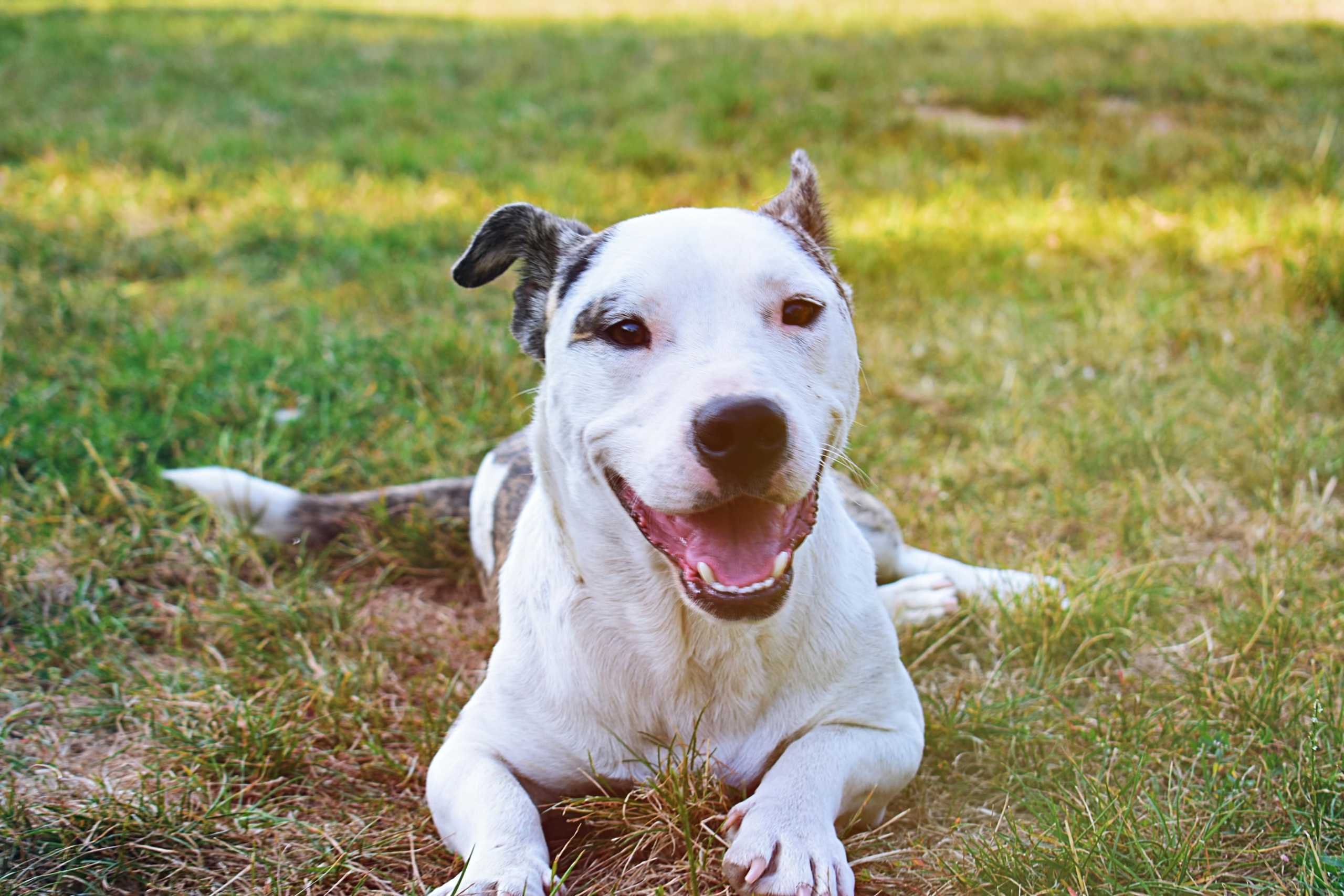
How To Become A Canine Nutritionist? Learn the path to a Dog Nutritionist Career. Get Canine Nutrition Certification & help dogs thrive! Unlock expert knowledge & rewarding career opportunities.
How To Become A Canine Nutritionist: A Comprehensive Guide
The world of canine nutrition is a rapidly growing field. Dog owners are increasingly aware of the vital role diet plays in their furry friend’s health, longevity, and overall well-being. This heightened awareness has created a demand for qualified professionals: Canine Nutritionists. If you’re passionate about dogs and nutrition, a career as a Dog Nutrition Specialist might be the perfect path for you. This comprehensive guide will explore How To Become A Canine Nutritionist, covering education, certification, career options, and more.
Why Become a Canine Nutritionist?
Before diving into the specifics of How To Become A Canine Nutritionist, let’s consider the “why.” A career in canine nutrition offers several compelling benefits:
- Making a Difference: You’ll directly impact the health and happiness of dogs, helping them live longer, healthier lives. You can help address specific dietary needs, manage health conditions through nutrition, and optimize performance for working and athletic dogs.
- Growing Demand: As pet ownership increases and owners become more informed, the demand for knowledgeable canine nutritionists will continue to rise.
- Variety of Career Paths: Canine nutrition expertise can be applied in various settings, from private consulting to working with animal shelters or pet food companies.
- Personal Fulfillment: If you’re passionate about animals and nutrition, this career provides immense personal satisfaction. Perhaps you’re already curious about canine physiology – did you know, for instance, that https://pupquotes.com/blog/when-do-canine-teeth-fall-out/, and what impact that has on their nutritional needs at different life stages?
Understanding the Role of a Dog Nutrition Specialist
A Dog Nutrition Specialist is a trained professional who provides expert advice and guidance on canine nutrition. Their responsibilities may include:
- Assessing Dietary Needs: Evaluating a dog’s age, breed, activity level, health status, and lifestyle to determine their specific nutritional requirements.
- Developing Customized Meal Plans: Creating balanced and complete meal plans tailored to individual dogs, using commercially available dog food, homemade recipes, or a combination of both.
- Addressing Health Concerns: Developing dietary strategies to manage and support various health conditions, such as allergies, obesity, diabetes, and kidney disease.
- Educating Pet Owners: Providing clear and practical advice to pet owners on topics like portion control, ingredient selection, and reading food labels.
- Staying Up-to-Date: Keeping abreast of the latest research and advancements in canine nutrition to provide the most effective and evidence-based recommendations.
Steps on How To Become A Canine Nutritionist
The path to becoming a certified canine nutritionist typically involves a combination of education, training, and experience. Here’s a detailed breakdown of the key steps:
1. Foundational Education and Knowledge
While a formal degree isn’t always mandatory for all Canine Nutrition Certification programs, a strong foundation in science is highly beneficial. Consider these educational paths:
- Bachelor’s Degree (Recommended): A bachelor’s degree in animal science, biology, nutrition, or a related field provides a solid understanding of anatomy, physiology, biochemistry, and nutrition principles. This foundation will make it easier to grasp advanced concepts in canine nutrition.
- Associate’s Degree: An associate’s degree in a related field can be a stepping stone to a bachelor’s degree or provide a foundation for enrolling in a Canine Nutrition Certification program.
- High School Diploma or GED: While not ideal, a high school diploma or GED may be sufficient for some Canine Nutrition Certification programs, especially if coupled with relevant experience in the animal care field. It would be wise to take science-related courses where possible.
- Self-Study: Regardless of your formal education, dedicating time to self-study is crucial. Read books, research online articles, and follow reputable sources in the field of animal nutrition. Understanding the digestive system and nutritional needs of canines is paramount. Thinking about the diverse diet of canines and their relations, does the nutritional content of a bear’s diet differ much? You can explore https://pupquotes.com/blog/are-bears-in-the-canine-family/ for further insights.
2. Choose a Reputable Canine Nutrition Certification Program
This is arguably the most important step in How To Become A Canine Nutritionist. Selecting a reputable and recognized Canine Nutrition Certification program is essential for gaining credibility and ensuring you receive high-quality training.
Factors to Consider When Choosing a Certification Program:
- Accreditation: Look for programs accredited by reputable organizations in the animal or nutrition field. Accreditation ensures that the program meets certain standards of quality and rigor.
- Curriculum: Review the program’s curriculum carefully. It should cover topics such as:
- Canine anatomy and physiology
- Nutrient requirements for dogs at different life stages
- Common canine health conditions and nutritional management
- Dog food ingredients and analysis
- Homemade dog food recipes and formulation
- Supplementation for dogs
- Client communication and consultation skills
- Instructors: Research the instructors’ qualifications and experience in canine nutrition. Are they registered dietitians, veterinarians, or experienced canine nutritionists?
- Format: Consider whether you prefer an online or in-person program. Online programs offer flexibility, while in-person programs provide opportunities for hands-on learning and networking.
- Cost: Compare the cost of different programs and factor in any additional expenses, such as textbooks and materials.
- Reviews and Testimonials: Read reviews and testimonials from past students to get an idea of the program’s quality and effectiveness.
Examples of Canine Nutrition Certification Programs:
- American Academy of Veterinary Nutrition (AAVN): While not a certification program per se, the AAVN offers advanced training and resources for veterinarians interested in specializing in nutrition. Their website (check their official website for updated resources) is a great source of information.
- Hills Pet Nutrition: Hills offers Continuing Education courses, which are valuable. (Link to their website, checking for updated courses and certifications).
- Specific university certificate courses: Several universities offer certificate programs focused on animal nutrition. Look into programs offered at institutions known for their veterinary or agricultural programs.
Important Note: Be wary of programs that make unrealistic promises or lack scientific rigor. Look for programs grounded in evidence-based research and taught by qualified professionals.
3. Gain Practical Experience
Completing a Canine Nutrition Certification program is a significant accomplishment, but practical experience is essential for applying your knowledge and developing your skills.
Ways to Gain Practical Experience:
- Internships: Seek out internships with veterinarians, animal shelters, rescue organizations, or pet food companies.
- Volunteering: Volunteer your services as a canine nutrition advisor to local animal shelters or rescue groups.
- Shadowing: Shadow experienced canine nutritionists or veterinarians to learn from their expertise.
- Case Studies: Work with friends or family members who have dogs to develop meal plans and monitor their progress.
- Personal Experience: Apply your knowledge to your own dog’s diet. Monitor their health and well-being and make adjustments as needed.
4. Continuing Education and Professional Development
The field of canine nutrition is constantly evolving, so it’s important to stay up-to-date with the latest research and advancements. Consider participating in continuing education courses, attending industry conferences, and reading scientific journals. Some professionals find it rewarding to explore the broader canine family through research like https://pupquotes.com/blog/is-a-fox-canine-or-feline/. This not only broadens your knowledge but also deepens your appreciation for canine dietary needs.
5. Build Your Brand and Network
As you gain experience and expertise, start building your brand and network.
Strategies for Building Your Brand and Network:
- Create a Website or Blog: Share your knowledge and expertise through a website or blog.
- Use Social Media: Connect with other canine nutrition professionals and pet owners on social media platforms.
- Attend Industry Events: Network with other professionals at conferences and workshops.
- Join Professional Organizations: Join organizations like the American Academy of Veterinary Nutrition (AAVN) to connect with other experts in the field.
- Seek Mentorship: Find a mentor who can provide guidance and support as you develop your career.
6. Consider Specialization
As you progress in your career, you may want to consider specializing in a particular area of canine nutrition. Some common areas of specialization include:
- Geriatric Nutrition: Focusing on the nutritional needs of senior dogs.
- Sports Nutrition: Developing dietary strategies for athletic and working dogs.
- Weight Management: Helping dogs achieve and maintain a healthy weight.
- Therapeutic Nutrition: Using diet to manage specific health conditions, such as allergies, diabetes, and kidney disease.
- Raw Feeding: Specializing in raw food diets for dogs (requires specialized knowledge and caution).
Career Options for Canine Nutritionists
A Dog Nutrition Specialist can pursue a variety of career paths:
- Private Practice: Start your own canine nutrition consulting business, providing personalized dietary advice to pet owners.
- Veterinary Clinics: Work as a canine nutrition consultant within a veterinary clinic, collaborating with veterinarians to develop dietary plans for patients.
- Animal Shelters and Rescue Organizations: Provide nutritional guidance to animal shelters and rescue organizations, helping them care for dogs with special dietary needs.
- Pet Food Companies: Work for pet food companies as a research and development scientist, product developer, or marketing specialist.
- Online Consulting: Offer canine nutrition consultations online, reaching clients around the world.
- Teaching and Education: Teach canine nutrition courses at universities or community colleges.
Essential Skills for a Canine Nutritionist
In addition to technical knowledge, a successful canine nutritionist needs a range of essential skills:
- Communication Skills: Ability to communicate complex nutritional information clearly and concisely to pet owners.
- Analytical Skills: Ability to analyze dietary information and identify nutritional deficiencies or imbalances.
- Problem-Solving Skills: Ability to develop creative solutions to address individual dogs’ nutritional needs.
- Empathy and Compassion: Genuine care and concern for the well-being of dogs.
- Business Skills: If you plan to start your own practice, you’ll need business skills such as marketing, finance, and client management.
- Research Skills: Ability to stay up-to-date on the latest research and advancements in canine nutrition.
Key Takeaways for Aspiring Canine Nutritionists
- Education is Key: A strong foundation in science and a reputable Canine Nutrition Certification are essential.
- Experience Matters: Gain practical experience through internships, volunteering, or case studies.
- Stay Current: Continuously update your knowledge and skills through continuing education.
- Build Your Network: Connect with other professionals and pet owners in the field.
- Specialize: Consider focusing on a specific area of canine nutrition to develop expertise.
- Passion is Essential: A genuine passion for animals and nutrition will drive your success. And remember that understanding a canine’s needs can also be gleaned from understanding their dental composition. For instance, exploring https://pupquotes.com/blog/what-predator-has-the-largest-canine-teeth/ provides insights into predatory diets and their nutritional demands, further enriching your knowledge as you consider How To Become A Canine Nutritionist. Understanding the development of these teeth as explored in https://pupquotes.com/blog/how-to-make-your-sharp-canine-teeth/ can also be beneficial.
Conclusion: Your Journey to Becoming a Canine Nutritionist
Becoming a Dog Nutrition Specialist is a rewarding career path for those passionate about canine health and nutrition. By following these steps and dedicating yourself to continuous learning, you can make a real difference in the lives of dogs and their owners. It is important to note that while the demand is increasing, like any career, you must work hard and smart to establish your expertise. The time and energy spent will pay off as you see the positive impacts of your specialized knowledge on your furry clients.
Now it’s your turn! What are your biggest challenges or questions about How To Become A Canine Nutritionist? Share your experiences and thoughts in the comments below! Let’s build a community to help each other thrive as future Dog Nutrition Specialists and those pursuing Canine Nutrition Certification!
<img class="wp-image-462 size-large" src="/blog/wp-content/uploads/2025/02/How-To-Become-A-Canine-Nutritionist-2-scaled.avif" alt="How To Become A Canine Nutritionist" width="1024" height="683" />How To Become A Canine Nutritionist

## Frequently Asked Questions: How to Become a Canine Nutritionist

Here are 10 frequently asked questions about becoming a canine nutritionist, designed to help you understand the path to becoming a Dog Nutrition Specialist.

**1. What does a Canine Nutritionist do?**

A Canine Nutritionist, or Dog Nutrition Specialist, assesses a dog's dietary needs, creates customized meal plans, and advises owners on optimal feeding strategies to improve their dog's health and well-being. They may also work with veterinary teams to address specific health conditions through diet.

**2. Is formal education required to Become a Canine Nutritionist?**

While not always legally mandated, a strong educational foundation is highly recommended. Many employers and clients prefer individuals with a relevant background, such as animal science, biology, or veterinary technology, coupled with a Canine Nutrition Certification.

**3. What kind of Canine Nutrition Certification programs are available?**

Various Canine Nutrition Certification programs exist, ranging from short online courses to more comprehensive diplomas. Look for programs accredited by reputable organizations and that cover topics like canine anatomy, physiology, ingredient analysis, and common canine health issues. Learning the fundamentals is crucial, especially when considering that even bears, though not closely related to dogs, share some dietary considerations, unlike what you would find when comparing canines to felines – see https://pupquotes.com/blog/are-bears-in-the-canine-family/ and https://pupquotes.com/blog/is-a-fox-canine-or-feline/.

**4. How long does it take to Become a Canine Nutritionist?**

The timeline varies greatly. Completing a Canine Nutrition Certification program can take anywhere from a few months to a year or more, depending on the program's intensity and your prior knowledge.

**5. What skills are essential for a Dog Nutrition Specialist?**

Essential skills include: strong analytical abilities to assess dietary needs, excellent communication skills to explain recommendations to clients, a deep understanding of canine physiology, and the ability to stay up-to-date on the latest research in canine nutrition. Think of it like understanding when do canine teeth fall out, but applying that knowledge across the canine's whole digestive system – check https://pupquotes.com/blog/when-do-canine-teeth-fall-out/.

**6. Do I need a license to practice as a Canine Nutritionist?**

Licensing requirements for Canine Nutritionists vary by location. Research the regulations in your area to ensure you are compliant. In some regions, it may be illegal to provide nutritional advice without a license.

**7. What career paths are available after achieving Canine Nutrition Certification?**

Graduates with a Canine Nutrition Certification can work in various roles, including: private practice, veterinary clinics, pet food companies, animal shelters, and rescue organizations. Many choose to work as independent consultants.

**8. What's the earning potential for a Dog Nutrition Specialist?**

Earning potential depends on experience, location, and specialization. Those working independently can set their own rates, while salaries in established organizations will vary.

**9. How can I gain practical experience in canine nutrition?**

Volunteer at animal shelters, shadow a veterinarian, or offer your services to friends and family. Hands-on experience is invaluable in developing your skills as a Canine Nutritionist. Just remember that the size and structure of those teeth (as you might contemplate at https://pupquotes.com/blog/what-predator-has-the-largest-canine-teeth/ or even wonder about as detailed on https://pupquotes.com/blog/how-to-make-your-sharp-canine-teeth/) plays a vital role in determining their diet.

**10. How do I promote myself after I Become a Canine Nutritionist?**

Build a professional website, network with veterinarians and other pet professionals, utilize social media to share your expertise, and seek referrals from satisfied clients. Building a solid online presence is key.


<img class="wp-image-461 size-large" src="/blog/wp-content/uploads/2025/02/How-To-Become-A-Canine-Nutritionist-scaled.avif" alt="How To Become A Canine Nutritionist" width="1024" height="683" />How To Become A Canine Nutritionist

## How to Become a Canine Nutritionist: A Comprehensive Guide

Becoming a canine nutritionist is a rewarding career path for those passionate about dogs and their health. This guide provides practical tips and health considerations to help you pursue this fulfilling profession.

**1. Understand the Foundation: Education and Certification**

*   **Formal Education:** While not always mandatory, a strong foundation in animal science, biology, chemistry, or a related field is highly recommended. This provides a crucial understanding of animal physiology and biochemistry, essential for understanding nutrient requirements and their impact on canine health.
*   **Certification Programs:** Several reputable organizations offer canine nutrition certification programs. Look for programs accredited by organizations like the American College of Veterinary Nutrition (ACVN) or the National Academy of Nutrition (NAN). These programs often cover topics such as:
    *   Canine anatomy and physiology
    *   Nutrient requirements for different life stages (puppy, adult, senior)
    *   Diet formulation and analysis
    *   Common canine health conditions and nutritional management
    *   Reading and interpreting pet food labels
    *   Ethical considerations

*   **Continuing Education:** The field of canine nutrition is constantly evolving. Stay updated by attending conferences, workshops, and webinars to learn about the latest research and best practices. Consider exploring topics related to canine evolution – you might find insights on ancestral diets. Read interesting articles on canine evolution, like this one discussing *are bears in the canine family*?

**2. Gaining Practical Experience**

*   **Volunteer or Intern:** Seek opportunities to volunteer or intern at veterinary clinics, animal shelters, or pet food companies. This provides hands-on experience in observing different dietary needs and working with canine patients.
*   **Shadowing a Nutritionist:** Shadowing an experienced canine nutritionist is an invaluable way to learn the day-to-day realities of the profession, including client consultations, diet planning, and problem-solving.
*   **Personal Experience:** Owning and caring for dogs is a great way to develop practical knowledge of their dietary needs and behaviors. Understanding the development of a dog's teeth, especially *when do canine teeth fall out*, can provide deeper insight into nutritional requirements for each stage of life.

**3. Developing Key Skills**

*   **Communication Skills:** Effective communication is crucial for explaining complex nutritional concepts to pet owners in a clear and understandable way. Practice active listening and empathy to address their concerns and build trust.
*   **Analytical Skills:** You'll need to be able to analyze pet food labels, evaluate scientific research, and assess individual canine health profiles to develop tailored nutrition plans.
*   **Problem-Solving Skills:** Canine nutrition can be complex, and you'll need to be able to troubleshoot dietary issues and adapt plans based on individual needs and responses.

**4. Understanding Canine Health Considerations**

*   **Breed-Specific Needs:** Different breeds have varying nutritional requirements. Research common health conditions associated with specific breeds and how diet can play a role in prevention and management.
*   **Allergies and Sensitivities:** Learn about common canine food allergies and sensitivities, and how to identify and manage them through dietary changes.
*   **Weight Management:** Obesity is a significant health concern in dogs. Develop strategies for helping clients manage their dog's weight through balanced diets and exercise.
*   **Underlying Health Conditions:** Understanding how specific health conditions, such as kidney disease, diabetes, and arthritis, impact nutritional needs is essential. Consider researching the dietary habits of other canids to understand the ancestral diet of our canine friends. For instance, *is a fox canine or feline*? Knowing what foxes eat in the wild might give you insights into canine nutrition in general.

**5. Legal and Ethical Considerations**

*   **Regulations and Licensing:** Research any local or state regulations regarding canine nutrition consulting. Some areas may require specific licenses or certifications.
*   **Scope of Practice:** Understand the limitations of your role as a nutritionist. You cannot diagnose or treat medical conditions. Always refer clients to a veterinarian for any medical concerns.
*   **Ethical Conduct:** Adhere to a strict code of ethics, including providing unbiased advice, respecting client confidentiality, and prioritizing the well-being of the animal.

**6. Building Your Business (If Applicable)**

*   **Marketing and Networking:** Create a website or social media presence to promote your services. Network with veterinarians, groomers, and other pet professionals to build referrals.
*   **Client Management:** Develop a system for managing client consultations, diet plans, and follow-up appointments.
*   **Pricing and Services:** Determine your pricing structure and the range of services you offer, such as initial consultations, diet plans, follow-up support, and group workshops. Also, considering that canines use their teeth to survive in the wild, especially those with strong *what predator has the largest canine teeth*, nutritional guidelines are important.

**7. Staying Sharp & Avoiding Harm**

*   **Never recommend homemade diets without proper formulation and balancing.** Improperly balanced homemade diets can lead to severe health problems, including nutrient deficiencies and toxicities. Consult with a board-certified veterinary nutritionist if advocating this.
*   **Advise against any diet or supplement that promises miraculous cures.** Always base your recommendations on scientific evidence and consult with a veterinarian for medical concerns.
*   **Stay updated on pet food recalls and potential contaminants.** Reputable sources like the FDA website provide information on pet food recalls and safety alerts.
*   **Learn about canine dental care.** Just like people need to take care of their teeth, so do dogs! Learn about proper dental care, and *how to make your sharp canine teeth*, through cleaning tips and chew toys.

By following these tips and prioritizing ethical and evidence-based practices, you can build a successful and rewarding career as a canine nutritionist, making a positive impact on the health and well-being of dogs.


How To Become A Canine Nutritionist,Canine Nutrition Certification,Dog Nutritionist Career