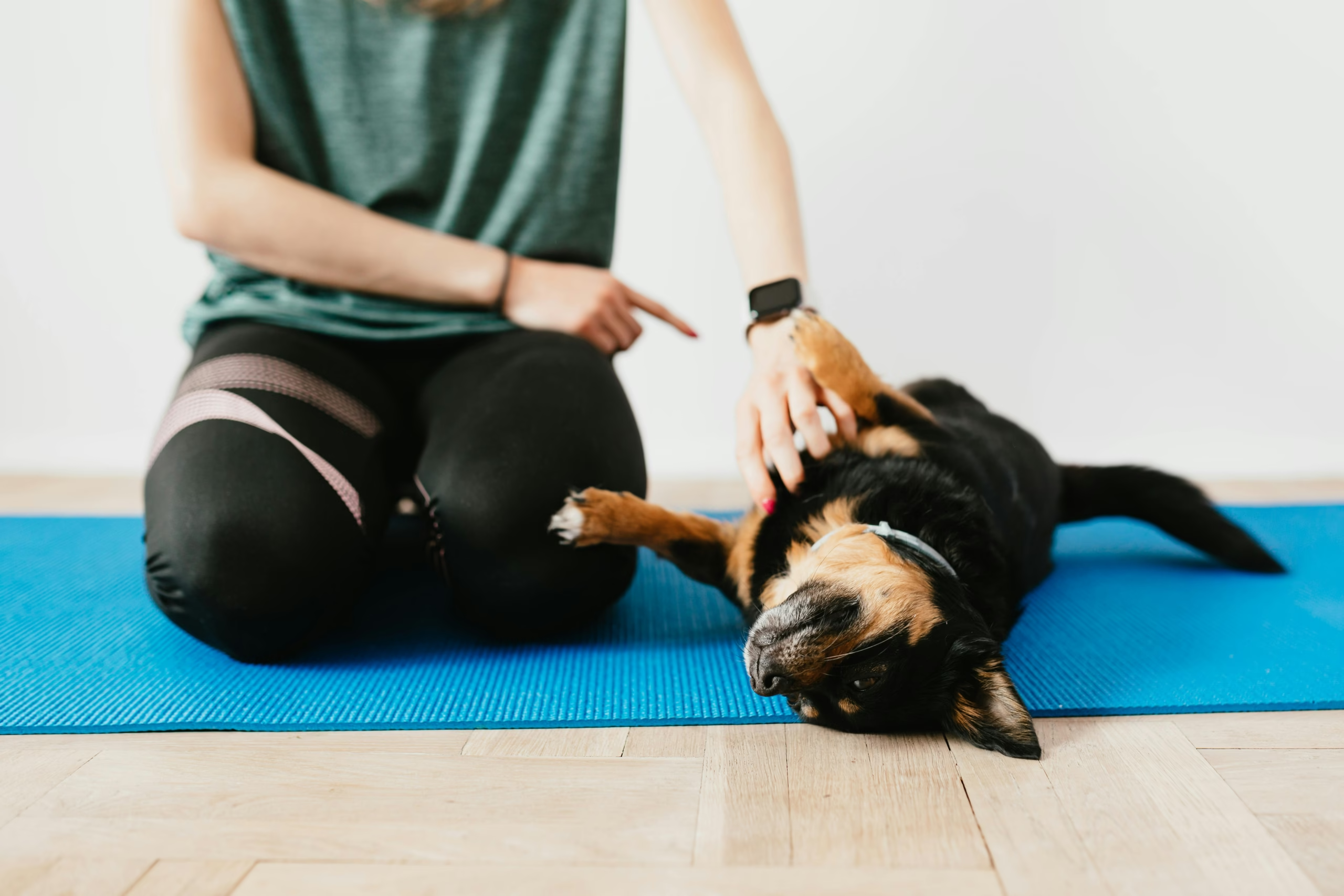
Learn how to become a Certified Canine Massage Therapist! Get your Canine Massage Certification & Dog Massage Therapist Certification. Discover the steps, training, & career benefits. Start your rewarding journey today!
How To Become A Certified Canine Massage Therapist: A Comprehensive Guide
Are you passionate about dogs and their well-being? Do you find yourself naturally drawn to helping animals feel better? If so, a career as a certified canine massage therapist might be the perfect fit for you. This comprehensive guide will walk you through the steps on how to become a certified canine massage therapist, covering everything from required skills and training to certification programs and career prospects. We’ll explore various avenues for canine massage certification and delve into the essential aspects of dog massage therapy training so you can make an informed decision about your future.
What is Canine Massage Therapy?
Canine massage therapy, also known as dog massage, is a hands-on therapeutic technique used to improve a dog’s physical and mental well-being. Similar to human massage, it involves manipulating the soft tissues of the body, including muscles, tendons, and ligaments. Canine massage can alleviate pain, reduce muscle tension, improve circulation, increase range of motion, and promote relaxation. It is often used as a complementary therapy alongside conventional veterinary care to help dogs recover from injuries, manage chronic conditions like arthritis, and improve athletic performance. Just as understanding anatomy is crucial, it’s helpful to know the basics of canine biology, perhaps by exploring questions like, “https://pupquotes.com/blog/are-bears-in-the-canine-family/”.
Benefits of Canine Massage Therapy
The benefits of canine massage therapy are numerous and can significantly improve a dog’s quality of life:
- Pain Relief: Massage can help reduce pain associated with muscle strains, sprains, arthritis, and other musculoskeletal conditions.
- Improved Circulation: Massage stimulates blood flow, delivering essential nutrients and oxygen to tissues, and removing waste products.
- Reduced Muscle Tension and Spasms: Massage can relax tight muscles, relieving tension and spasms.
- Increased Range of Motion: Massage can improve joint flexibility and range of motion, making it easier for dogs to move.
- Faster Recovery from Injuries and Surgery: Massage can accelerate the healing process after injuries or surgery by reducing inflammation and promoting tissue repair.
- Stress Reduction and Relaxation: Massage can calm anxious dogs and promote relaxation, leading to improved behavior and overall well-being.
- Enhanced Athletic Performance: Massage can help improve athletic performance in working and sporting dogs by improving muscle flexibility, range of motion, and reducing the risk of injury.
- Improved Quality of Life for Senior Dogs: Massage can help senior dogs maintain their mobility and comfort, allowing them to enjoy a higher quality of life. Understanding the location of internal organs, such as discussed in the blog post “https://pupquotes.com/blog/where-are-the-canine-kidneys-located/”, can also inform massage techniques.
Why Choose to Become a Certified Canine Massage Therapist?
Becoming a certified canine massage therapist offers a rewarding career path for those who love animals and want to make a positive impact on their lives. Here are some of the compelling reasons to consider this profession:
- Help Animals Heal: You will have the opportunity to help dogs alleviate pain, recover from injuries, and improve their overall well-being.
- Fulfilling Career: Working with animals and seeing the positive results of your work can be incredibly fulfilling.
- Growing Demand: The demand for canine massage therapy is growing as more pet owners recognize its benefits.
- Flexible Schedule: Many canine massage therapists work independently, allowing them to set their own hours and create a flexible schedule.
- Variety of Work Settings: You can work in various settings, including veterinary clinics, animal hospitals, grooming salons, boarding facilities, and even in clients’ homes.
- Entrepreneurial Opportunities: You can start your own canine massage therapy business and be your own boss.
- Continuous Learning: The field of canine massage therapy is constantly evolving, providing opportunities for continuous learning and professional development.
Essential Skills and Qualities for Canine Massage Therapy
Before embarking on your journey to become a certified canine massage therapist, it’s essential to assess whether you possess the necessary skills and qualities.
- Passion for Animals: A genuine love and compassion for dogs are paramount.
- Empathy and Patience: The ability to understand and respond to a dog’s needs and discomfort is crucial.
- Excellent Communication Skills: You need to be able to communicate effectively with both dogs and their owners.
- Observation Skills: Keen observation skills are essential for assessing a dog’s posture, gait, and muscle tension.
- Manual Dexterity: Good hand-eye coordination and manual dexterity are necessary for performing massage techniques.
- Physical Stamina: Canine massage can be physically demanding, requiring you to stand and work with your hands for extended periods.
- Knowledge of Canine Anatomy and Physiology: A solid understanding of canine anatomy and physiology is essential for providing safe and effective massage therapy.
- Professionalism and Ethics: Maintaining a high level of professionalism and ethical conduct is crucial for building trust with clients and colleagues.
- Business Skills: If you plan to start your own business, you will need basic business skills, such as marketing, finance, and customer service.
Steps on How To Become a Certified Canine Massage Therapist
Now, let’s delve into the specific steps involved in how to become a certified canine massage therapist:
1. Research and Choose a Reputable Dog Massage Therapy Training Program
The first and most crucial step is to research and choose a reputable dog massage therapy training program. Not all programs are created equal, so it’s essential to carefully consider your options and select a program that meets your needs and goals.
Factors to consider when choosing a training program:
- Accreditation: Look for programs that are accredited by a recognized organization, such as the National Certification Board for Therapeutic Massage & Bodywork (NCBTMB) or the International Association of Animal Massage & Bodywork (IAAMB). While direct accreditation of canine massage programs specifically is still evolving, alignment with these standards is a good indicator of quality.
- Curriculum: Review the curriculum to ensure that it covers all the essential topics, including canine anatomy and physiology, massage techniques, contraindications, ethics, and business practices.
- Instructors: Check the qualifications and experience of the instructors. Look for instructors who are certified canine massage therapists with a proven track record.
- Hands-on Experience: Choose a program that provides ample hands-on experience working with dogs under the supervision of experienced instructors.
- Program Length and Format: Consider the program length and format. Some programs are offered online, while others are offered in person. Choose a format that fits your schedule and learning style.
- Cost: Compare the tuition fees of different programs and factor in other expenses, such as travel and accommodation.
- Student Support: Find out what kind of student support is offered, such as tutoring, mentoring, and career counseling.
- Reviews and Testimonials: Read reviews and testimonials from former students to get an idea of their experience with the program.
Examples of reputable training programs:
While I cannot provide definitive endorsements, researching programs aligned with the standards of IAAMB and NCBTMB is recommended. Look for institutions with experienced, certified instructors and comprehensive curricula. Always verify accreditation status independently.
2. Complete Your Canine Massage Certification Program
Once you have chosen a program, you will need to complete all the required coursework and hands-on training. This typically involves attending classes, completing assignments, passing exams, and practicing massage techniques on dogs. It’s important to dedicate yourself to your studies and take advantage of all the learning opportunities offered by the program. Remember, learning the intricacies of canine anatomy, especially during periods of change like when “https://pupquotes.com/blog/when-do-canine-teeth-fall-out/” can be a significant part of understanding how to provide effective massage.
3. Gain Practical Experience
After completing your canine massage certification program, it’s essential to gain practical experience working with dogs. This will allow you to hone your skills, build your confidence, and develop your own unique style.
Ways to gain practical experience:
- Volunteer at animal shelters or rescue organizations: Offer your services to animal shelters or rescue organizations. This will give you the opportunity to work with a variety of dogs with different needs.
- Intern with experienced canine massage therapists: Seek out internships with experienced canine massage therapists. This will allow you to learn from the best and gain valuable insights into the profession.
- Practice on friends’ and family’s dogs: Offer your services to friends and family who have dogs. This is a great way to build your confidence and refine your techniques.
- Offer discounted massage sessions: Offer discounted massage sessions to attract new clients and gain experience.
4. Obtain Certification (if applicable/desired)
While not always legally required (depending on your location), obtaining certification can enhance your credibility and demonstrate your competence to potential clients. Look for certification programs offered by reputable organizations, such as those mentioned earlier (IAAMB, NCBTMB if applicable related to human massage crossover skills). These certifications typically require passing an exam and meeting certain continuing education requirements. Different canine species exist, as explored in “https://pupquotes.com/blog/is-a-fox-canine-or-feline/”, highlighting the importance of a broad knowledge base.
5. Start Your Canine Massage Therapy Business (Optional)
Once you have gained sufficient experience and obtained certification, you can start your own canine massage therapy business. This will allow you to be your own boss, set your own hours, and work with the dogs you love.
Steps to starting your own business:
- Develop a business plan: A well-developed business plan is essential for success. Your business plan should outline your goals, target market, services, pricing, marketing strategy, and financial projections.
- Obtain the necessary licenses and permits: Check with your local government to determine what licenses and permits you need to operate a canine massage therapy business.
- Secure insurance: Liability insurance is essential to protect yourself from lawsuits in case of accidents or injuries.
- Set up your workspace: Create a comfortable and safe workspace for your clients and their dogs. This could be a dedicated room in your home, a rented space, or a mobile massage setup.
- Market your business: Promote your business through various channels, such as online advertising, social media, local events, and referrals.
- Provide excellent customer service: Building strong relationships with your clients is essential for success. Provide excellent customer service, be reliable, and always put the needs of the dogs first.
Continuing Education and Professional Development
The field of canine massage therapy is constantly evolving, so it’s essential to stay up-to-date on the latest research, techniques, and best practices. Attend workshops, conferences, and seminars to expand your knowledge and skills. Consider specializing in a particular area of canine massage therapy, such as sports massage or geriatric massage, to further enhance your expertise. Understanding the physiological development over time, similar to understanding “https://pupquotes.com/blog/when-do-canine-teeth-erupt-in-the-horse/”, can inform tailored massage approaches.
Career Prospects and Salary Expectations
The career prospects for certified canine massage therapists are generally positive, with a growing demand for their services. As more pet owners recognize the benefits of canine massage therapy, the demand for qualified practitioners is expected to increase.
Salary expectations vary depending on experience, location, and business model. Entry-level canine massage therapists may earn between $30,000 and $40,000 per year, while experienced therapists with established businesses can earn significantly more. Some massage therapists work on an hourly basis, charging anywhere from $50 to $100 per hour.
External Links for Further Learning:
- International Association of Animal Massage & Bodywork (IAAMB): https://www.iaamb.org/ – Provides resources and information about animal massage and bodywork.
- National Certification Board for Therapeutic Massage & Bodywork (NCBTMB): https://www.ncbtmb.org/ – Offers certification and continuing education for massage therapists (primarily human, but aligning skills can be valuable).
Conclusion
How to become a certified canine massage therapist requires dedication, training, and a genuine love for dogs. By following the steps outlined in this guide, you can embark on a rewarding career path that allows you to make a positive impact on the lives of animals. Remember to choose a reputable dog massage therapy training program, gain practical experience, and obtain certification to enhance your credibility. The journey towards canine massage certification is an investment in your future and the well-being of our canine companions.
Now, we want to hear from you! Have you considered a career in canine massage therapy? What are your biggest concerns or questions? Share your thoughts and experiences in the comments below using the keywords canine massage certification and dog massage therapy training so we can learn from each other!
Frequently Asked Questions: How to Become a Certified Canine Massage Therapist
Here are 10 frequently asked questions about becoming a certified canine massage therapist, with detailed answers:
1. How to become a certified canine massage therapist? What are the initial steps?
The first step in learning how to become a certified canine massage therapist involves researching accredited Dog Massage Therapy Training programs. Look for programs that cover anatomy, physiology, massage techniques, and canine behavior. Also, consider your learning style (online vs. in-person).
2. What does Canine Massage Certification entail?
Canine Massage Certification typically requires completing a specified number of training hours, passing written and practical exams, and adhering to a code of ethics. The curriculum usually covers various massage modalities and their application to different canine needs.
3. How long does Dog Massage Therapy Training usually take?
The duration of Dog Massage Therapy Training programs varies. Some are intensive courses lasting a few weeks, while others are spread over several months. The length often depends on the program’s depth and whether it’s full-time or part-time.
4. Are there any prerequisites to enroll in a Canine Massage Certification program?
While some programs may not have strict prerequisites, a basic understanding of animal anatomy is beneficial. If you’re curious, you can also read about the anatomy of other animals, like horses, for comparison (https://pupquotes.com/blog/when-do-canine-teeth-erupt-in-the-horse/).
5. What are the different types of Canine Massage techniques taught in Dog Massage Therapy Training?
Dog Massage Therapy Training often covers a variety of techniques, including Swedish massage, deep tissue massage, trigger point therapy, and sports massage. These techniques address different muscle groups and conditions.
6. What career opportunities are available after Canine Massage Certification?
After achieving your Canine Massage Certification, you can work in veterinary clinics, animal shelters, boarding facilities, or start your own canine massage therapy practice. You could also explore specializing in canine sports massage or rehabilitation.
7. How much does it cost to get Canine Massage Certification?
The cost of Canine Massage Certification varies depending on the program and its location. Expect to pay anywhere from a few hundred to several thousand dollars. Factors include the program’s length, reputation, and included materials.
8. Is Canine Massage Therapy Training only for those already working with animals?
No, Dog Massage Therapy Training is open to anyone passionate about dogs and interested in their well-being. While experience working with animals can be helpful, it’s not always a requirement. Understanding canine behaviour is more important.
9. Can Canine Massage help dogs with kidney problems?
Canine massage can help manage pain and discomfort associated with various conditions. However, it’s crucial to understand where the kidneys are located (https://pupquotes.com/blog/where-are-the-canine-kidneys-located/) to avoid direct pressure on the kidneys. Always consult with a veterinarian before starting massage therapy for a dog with kidney problems.
10. Are there continuing education requirements to maintain Canine Massage Certification?
Some Canine Massage Certification organizations require continuing education to maintain certification. This ensures that therapists stay up-to-date with the latest techniques and research in the field of canine massage.

How to Become a Certified Canine Massage Therapist: A Comprehensive Guide
Becoming a certified canine massage therapist is a rewarding career path, offering the opportunity to improve the well-being of dogs through therapeutic touch. This guide outlines practical tips and health considerations to help you navigate your journey.
1. Research and Choose a Reputable Certification Program:
- Accreditation: Look for programs accredited by recognized organizations in the field of animal massage therapy. Accreditation ensures the program meets certain standards of education and practice.
- Curriculum: A comprehensive curriculum should include canine anatomy and physiology, massage techniques (Swedish, deep tissue, trigger point therapy), common canine ailments, contraindications, and business management. Understand canine anatomy, including knowledge of where are the canine kidneys located is crucial.
- Hands-on Experience: The program should offer ample hands-on practice with a variety of dogs under the supervision of experienced instructors.
- Instructor Qualifications: Research the instructors’ backgrounds and experience. Are they certified and experienced in canine massage therapy?
- Cost and Duration: Compare the costs and duration of different programs. Factor in travel expenses if the program isn’t local.
2. Understand Canine Anatomy and Physiology:
- Foundation is Key: A strong understanding of canine anatomy (bones, muscles, nerves, circulatory system) and physiology (how the body functions) is essential for providing safe and effective massage.
- Specific Knowledge: Learn about common canine ailments and injuries, such as arthritis, hip dysplasia, and muscle strains. Knowing the differences is a good start as to is a fox canine or feline.
- Resources: Utilize textbooks, online resources, and anatomical models to deepen your knowledge. Your program will likely provide these resources.
3. Master Canine Massage Techniques:
- Swedish Massage: Learn the basic techniques of Swedish massage, such as effleurage, petrissage, tapotement, and friction.
- Deep Tissue Massage: Understand when and how to apply deep tissue massage to address specific muscle tension and pain.
- Trigger Point Therapy: Learn how to identify and release trigger points (knots) in muscles.
- Other Modalities: Explore other modalities like myofascial release and stretching to enhance your therapeutic skills.
4. Consider Canine Behavior and Safety:
- Body Language: Learn to read canine body language to recognize signs of stress, discomfort, or pain. This will allow you to adjust your techniques and prevent injury to yourself and the dog.
- Safe Handling: Practice safe handling techniques to ensure the comfort and safety of the dog during the massage.
- Contraindications: Be aware of contraindications to massage, such as fever, acute inflammation, open wounds, and certain medical conditions. If unsure, consult with a veterinarian.
- Respect Boundaries: Always respect the dog’s boundaries and stop the massage if they become uncomfortable or resistant. Just as we wonder are bears in the canine family, dogs have different tolerance levels to touch.
5. Health Considerations for Canine Massage Therapists:
- Ergonomics: Practice proper body mechanics to prevent repetitive strain injuries, such as back pain, carpal tunnel syndrome, and tendonitis. Use adjustable massage tables and chairs.
- Hygiene: Maintain strict hygiene practices to prevent the spread of disease. Wash your hands thoroughly before and after each massage. Clean and disinfect your massage table and equipment regularly.
- Allergies: Be aware of potential allergies to dog hair and dander. Consider taking allergy medication or wearing a mask if necessary.
- Physical Fitness: Canine massage can be physically demanding. Maintain a good level of physical fitness to prevent fatigue and injury.
6. Business and Ethical Considerations:
- Insurance: Obtain professional liability insurance to protect yourself from potential claims.
- Veterinary Referral: Establish relationships with local veterinarians and seek their referrals.
- Ethics: Adhere to a strict code of ethics, respecting the dog’s well-being above all else. Be aware of when do canine teeth erupt in the horse as a comparative anatomy element, but know that canine dentistry principles differ.
- Continuing Education: Stay up-to-date on the latest research and techniques in canine massage therapy through continuing education courses.
7. Practice, Practice, Practice:
- Gain Experience: The more you practice, the more confident and skilled you will become. Offer your services to friends, family, and local animal shelters to gain experience. Understanding when do canine teeth fall out will develop through experience of dogs at different life stages.
- Seek Feedback: Ask for feedback from your clients and mentors to identify areas for improvement.
- Develop Your Style: Develop your own unique style of massage that reflects your personality and skills.
By following these practical tips and health considerations, you can embark on a fulfilling career as a certified canine massage therapist and make a positive impact on the lives of dogs.
How To Become A Certified Canine Massage Therapist, Canine Massage Certification, Dog Massage Therapist Certification