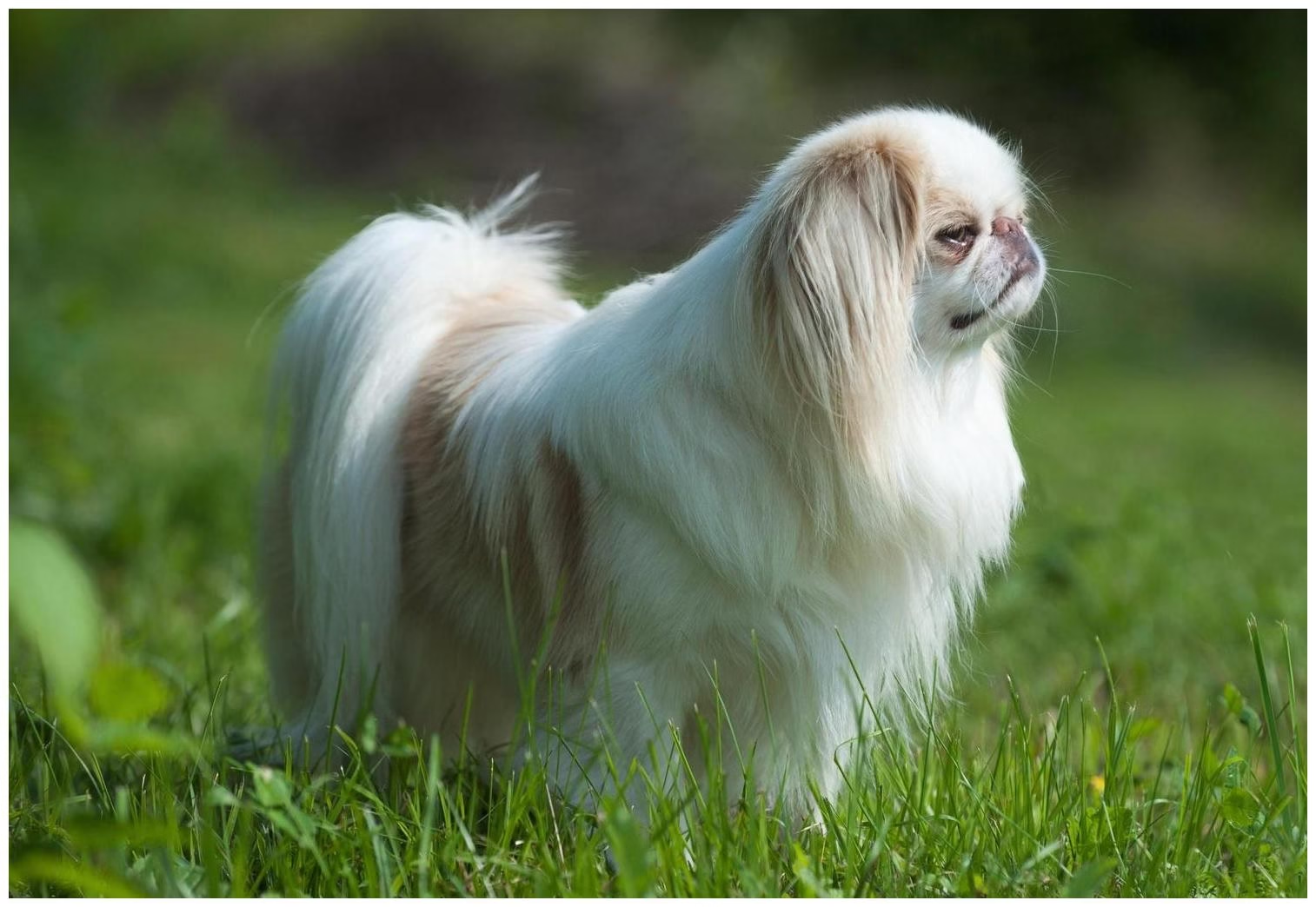
Discover the severe flat-faced dog breathing risks your beloved brachycephalic breed might face. Learn how to identify symptoms and protect your pup’s health.
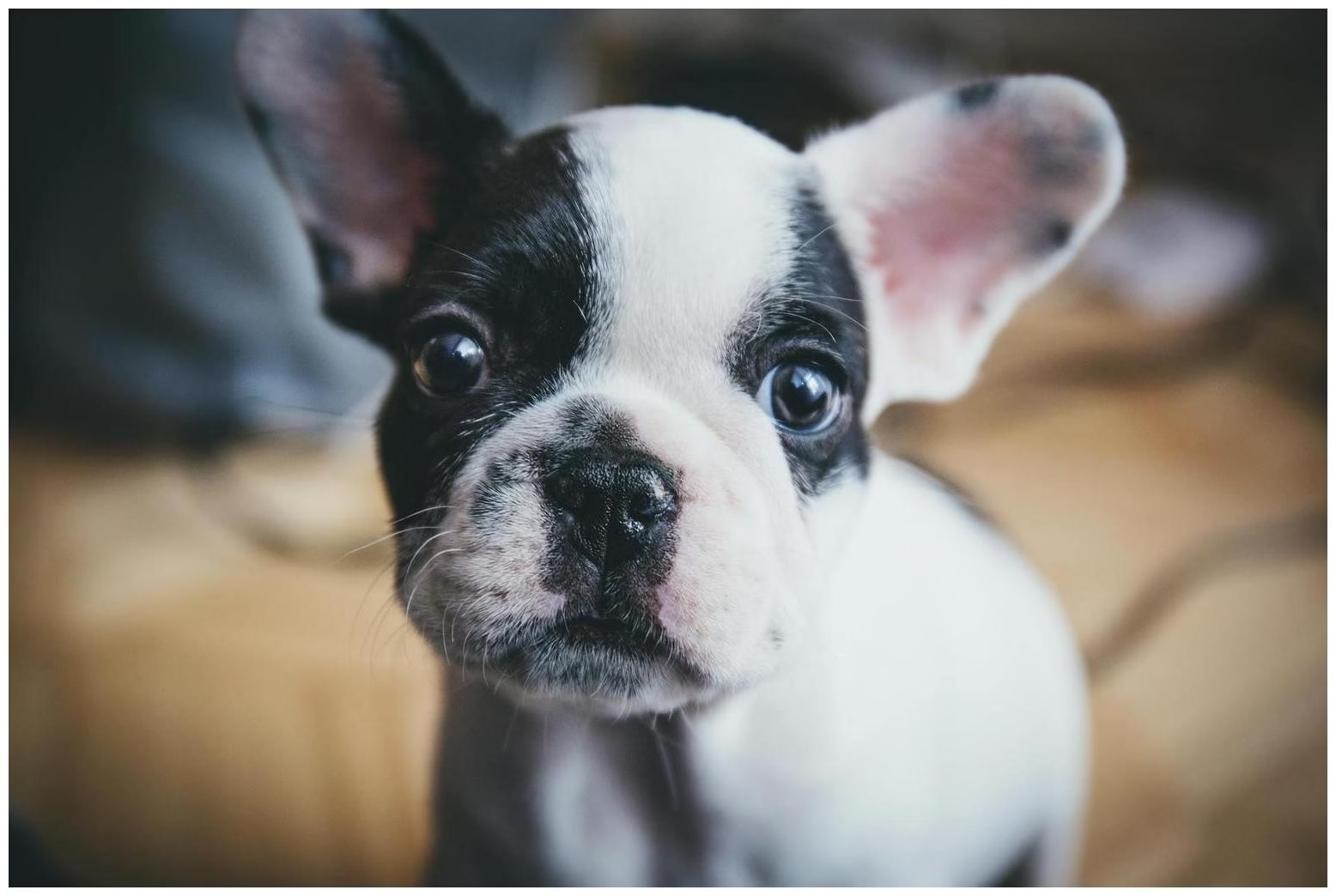
As a loving dog parent, you want nothing but the best for your furry companion. But if you share your home with a flat-faced dog, you need to be especially aware of the severe flat-faced dog breathing risks they face. Breeds like French Bulldogs, Pugs, and English Bulldogs, with their adorable squished faces, are unfortunately predisposed to significant respiratory challenges that can profoundly impact their quality of life. Understanding these risks is the first step in ensuring your brachycephalic buddy lives a happy, comfortable dog life.
It might be surprising to learn just how common and serious these issues are. Recent studies highlight that these popular breeds are at dramatically higher risk of breathing difficulties compared to their long-nosed counterparts. This isn’t just about a cute snort or a little snore; we’re talking about fundamental brachycephalic dog health problems that require careful attention and often, veterinary intervention. You play a crucial role in safeguarding your pet’s well-being by recognizing the signs and taking proactive measures against these significant flat-faced dog breathing risks.
Join us as we dive deep into the specific health concerns associated with brachycephalic breeds. We’ll cover everything from the underlying anatomical causes to practical tips for everyday care, and crucial advice on when to seek professional help. Your awareness can make all the difference for your beloved companion, helping to mitigate the inherent flat-faced dog breathing risks and ensure their longevity.
Understanding the Severe Flat-Faced Dog Breathing Risks
The charm of flat-faced dogs is undeniable. Their expressive eyes and compact, wrinkled faces have captivated dog lovers worldwide, leading to a surge in popularity for breeds like the French Bulldog, Pug, and Bulldog. However, beneath this endearing appearance lies a serious genetic predisposition to a range of health issues, primarily severe flat-faced dog breathing risks. These aren’t minor inconveniences; they are deeply ingrained anatomical problems that can lead to chronic discomfort, exercise intolerance, and even life-threatening emergencies. As a responsible dog parent, it’s vital to grasp the full scope of these challenges.
The scientific community has long been vocal about the brachycephalic canine concerns associated with brachycephalic breeds. Recent comprehensive studies, such as one published in *Scientific Reports* analyzing data from over half a million dogs, have quantified just how perilous these risks are. These studies consistently demonstrate that brachycephalic dogs are far more likely to suffer from respiratory distress than breeds with longer muzzles. It’s a sobering reality that the very features we find appealing are often the source of their suffering. This section will delve into why these flat-faced dog breathing risks are so prevalent and what they truly mean for your furry friend.
You might wonder, “Is my dog truly at risk, or is it just common for them to make these noises?” While some snorting can be normal for these breeds, persistent or severe signs are red flags. The cumulative effect of their unique facial structure creates a syndrome known as Brachycephalic Obstructive Airway Syndrome (BOAS), which is the primary cause of these severe breathing difficulties. Understanding BOAS is key to mitigating the health issues your dog may face and providing them with the best possible care, especially concerning the prominent flat-faced dog breathing risks. Your vigilance in recognizing and addressing these specific flat-faced dog breathing risks directly impacts your pet’s comfort and longevity. Let’s explore the specific anatomical challenges that contribute to this widespread problem.
What Causes Brachycephalic Dog Health Problems?
To truly understand the flat-faced dog breathing risks, we need to look at the unique anatomy of brachycephalic breeds. These dogs have been selectively bred over generations for their distinct shortened skulls and compact facial features. While this aesthetic might be desirable, it comes at a significant cost to their respiratory system. The internal structures of their airway are crammed into a much smaller space, leading to a cascade of issues that obstruct the natural flow of air. It’s not simply a cosmetic trait; it’s a functional impediment that affects every breath your dog takes a fast breath. This section will break down the specific anatomical features that contribute to their health challenges and inherent flat-faced dog breathing risks.
The problem is often multifaceted, involving several concurrent abnormalities that exacerbate each other. Imagine trying to breathe through a very narrow, convoluted straw – that’s often what it feels like for a brachycephalic dog. This explains why they struggle with exercise, heat, and even excitement, elevating their flat-faced dog breathing risks significantly. Your awareness of these underlying causes will empower you to make informed decisions about their care, from daily management to potential veterinary interventions for common brachycephalic dog health problems. Let’s explore the specific components of Brachycephalic Obstructive Airway Syndrome (BOAS) and the breeds most affected by it.
The Anatomy Behind the Struggle: Understanding Flat-Faced Dog Breathing Risks
The primary reason for severe flat-faced dog breathing risks lies in the syndrome known as Brachycephalic Obstructive Airway Syndrome (BOAS). This isn’t a single condition but a combination of anatomical abnormalities that obstruct the upper airway. Think of it as a series of roadblocks in the path of air trying to reach your dog’s lungs. You’ll often hear vets refer to these specific components, which include:
- Stenotic Nares: These are nostrils that are severely narrowed or pinched. Imagine trying to breathe deeply through a tiny opening – it restricts airflow right from the start. This makes it incredibly hard for them to take in enough air, especially during exertion or when hot, increasing their flat-faced dog breathing risks.
- Elongated Soft Palate: The soft palate is the fleshy part at the back of the roof of the mouth. In brachycephalic dogs, it’s often too long for their shortened skull, extending into the airway and partly blocking the entrance to the trachea (windpipe). This can cause snoring, gagging, and difficulty breathing, contributing significantly to brachycephalic dog health problems.
- Hypoplastic Trachea: This refers to a windpipe that is narrower than normal. Even if air gets past the nostrils and soft palate, it still has to pass through a constricted tube, further hindering efficient breathing. This can make their breathing sound raspy or labored, a clear indicator of flat-faced dog breathing risks.
- Everted Laryngeal Saccules: These are small pouches located just inside the larynx (voice box). Due to the increased effort required to breathe against obstructions, these saccules can get sucked outwards, turning inside out and further blocking the airway. This is often a secondary problem that develops over time, worsening French Bulldog breathing issues or similar breeds.
Each of these issues, individually or in combination, contributes to the chronic respiratory distress experienced by many flat-faced breeds. You can see why a dog with these issues would struggle to breathe normally, let alone engage in strenuous activity. This fundamental understanding is crucial for any owner managing flat-faced dog breathing risks in their beloved companion, enabling better informed care for their specific pug respiratory concerns.
Common Breeds at High Risk for Brachycephalic Dog Health Problems
While all brachycephalic breeds carry an elevated risk, some are more severely affected than others, demonstrating pronounced flat-faced dog breathing risks. The scientific study previously mentioned offered compelling statistics on specific breeds, highlighting their vulnerability. As a caring owner, it’s important for you to know if your specific breed falls into a higher risk category, not to cause alarm, but to empower you with knowledge and vigilance regarding their specific brachycephalic dog health problems.
- French Bulldogs: These charming companions consistently rank among the most popular breeds, yet they face some of the most severe breathing challenges. Studies indicate they are up to 30 times more likely to experience breathing problems compared to long-faced dogs, leading to significant French Bulldog puppy issues. Their extremely short muzzles and compact build contribute significantly to their predisposition to BOAS.
- Pugs: Known for their wrinkled faces and playful personalities, Pugs also carry a substantial risk. They are estimated to be around 6 times more likely to suffer from respiratory issues than non-brachycephalic breeds. Their prominent eyes and extremely flattened snouts are tell-tale signs of their underlying anatomical vulnerabilities and common pug respiratory concerns.
- Bulldogs (English Bulldogs): The iconic Bulldog, with its distinctive jowls and broad head, also faces considerable breathing difficulties. They are approximately 3 times more at risk of breathing problems. Their massive head and stocky build, combined with a severely shortened muzzle, place them squarely in the high-risk category, contributing to notable bulldog health risks.
- Boston Terriers, Boxers, Shih Tzus, Cavalier King Charles Spaniels: While perhaps not as dramatically highlighted in all studies as the top three, these breeds also exhibit brachycephalic characteristics and can suffer from varying degrees of BOAS, adding to overall flat-faced dog breathing risks. It’s crucial not to assume that only the “most flat” faces are at risk; any degree of brachycephaly can predispose a dog to these health issues.
Understanding which breeds are most susceptible helps you tailor your care and be more vigilant for signs of distress. If you own one of these wonderful breeds, recognizing their inherent risks, particularly the significant flat-faced dog breathing risks, is the first step in providing them with a healthy and happy life and addressing their specific brachycephalic dog health problems proactively.
Recognizing the Signs: When to Worry About Flat-Faced Dog Breathing Risks
One of the most critical aspects of managing flat-faced dog breathing risks is knowing how to recognize the signs of distress. Because these breeds often make unique noises, it can be easy for owners to dismiss labored breathing or unusual sounds as “normal.” However, distinguishing between a typical snort and a concerning symptom is paramount for your dog’s well-being. Early detection and intervention can significantly improve their quality of life and prevent emergencies. You need to become an expert observer of your own dog’s behavior and breathing patterns, especially concerning these prevalent flat-faced dog breathing risks.
Don’t wait for extreme signs before seeking help. Many brachycephalic dogs suffer in silence or show subtle signs that can escalate quickly. Over time, chronic breathing issues can lead to secondary problems, including heart strain and inflammation of the airways. Your proactive vigilance in identifying these symptoms can prevent a minor issue from becoming a major crisis and effectively address the inherent bulldog health risks, ensuring your pet’s comfort. Let’s delve into both the subtle indicators you might miss and the more obvious signs that demand immediate attention when dealing with flat-faced dog breathing risks.
Subtle Symptoms You Might Miss with Flat-Faced Dog Breathing Risks
It’s not always obvious when your brachycephalic dog is struggling. Many owners, used to their dog’s “charming” snorts and snores, may overlook early indicators of flat-faced dog breathing risks. However, paying close attention to these subtle signs can make a huge difference in catching problems early. What might seem like typical breed behavior could actually be a call for help, especially when it points towards worsening pug respiratory concerns. Here are some less obvious symptoms to watch for:
- Increased Snoring or Noisy Breathing: While some snoring is common, a sudden increase in volume or a change in the type of noise (e.g., more gasping, rasping, or high-pitched sounds) can indicate increased obstruction. This is a common sign among flat-faced dog breathing risks that owners might dismiss.
- Restricted Activity Level: Your dog might seem less interested in play or walks than before. This isn’t laziness; it could be a self-preservation instinct because physical exertion makes breathing harder, highlighting underlying brachycephalic dog health problems.
- Trouble Cooling Down: Dogs primarily cool themselves through panting. If your flat-faced dog struggles to pant effectively, they will overheat much more quickly, even in mild temperatures. Look for excessive panting after minimal activity or in moderately warm environments, a key factor in flat-faced dog breathing risks.
- Gagging or Regurgitation: An elongated soft palate can sometimes interfere with swallowing, leading to gagging, retching, or regurgitation of food or water, especially after eating or drinking quickly. This often signifies developing French Bulldog breathing issues.
- Sleeping Position: Dogs who struggle to breathe may prefer to sleep in unusual positions, such as with their head elevated or propped up, or sleeping sitting up. This helps open their airways and alleviate some flat-faced dog breathing risks.
- Changes in Gum or Tongue Color: A very subtle shift towards a paler or bluish tint in gums or tongue can indicate insufficient oxygenation. This is a more serious sign but can start subtly, indicating severe flat-faced dog breathing risks requiring immediate attention.
If you notice any of these changes, even if they seem minor, it’s wise to consult your veterinarian about potential flat-faced dog breathing risks. They can help you determine if these are normal breed quirks or indicators of underlying respiratory issues that require intervention.
Emergency Situations and What to Do for Severe Flat-Faced Dog Breathing Risks
While vigilance for subtle signs is important, some symptoms of flat-faced dog breathing risks demand immediate emergency veterinary attention. Knowing what constitutes an emergency and how to respond can be life-saving for your brachycephalic companion. You need to be prepared to act quickly if your dog exhibits any of the following severe signs, which can escalate into critical French Bulldog breathing issues or other severe brachycephalic dog health problems:
- Severe Respiratory Distress: This includes extreme difficulty breathing, struggling for air, exaggerated chest and abdominal movements, or an inability to calm down their breathing. Your dog might stretch their neck out to try and open their airway, a clear sign of acute flat-faced dog breathing risks.
- Collapse or Fainting: If your dog collapses, faints, or becomes unresponsive, it is a critical emergency. This indicates a severe lack of oxygen to the brain, directly related to their inability to breathe properly due to flat-faced dog breathing risks.
- Blue or Purple Gums/Tongue (Cyanosis): This is a definitive sign that your dog is not getting enough oxygen. Normal gums should be pink; any bluish or purplish discoloration requires immediate veterinary care to address critical flat-faced dog breathing risks.
- Overheating and Heatstroke: Brachycephalic dogs are highly susceptible to heatstroke due to their inefficient panting. Signs include excessive panting that doesn’t subside, drooling, lethargy, vomiting, diarrhea, tremors, or staggering. This is a medical emergency, exacerbated by their inherent flat-faced dog breathing risks.
- Persistent Gagging or Choking: While occasional gagging can occur, persistent or severe episodes where your dog appears to be choking on something can indicate a serious airway obstruction or tracheal collapse, common severe flat-faced dog breathing risks.
What to do in an emergency:
- Stay Calm: Your panic will only stress your dog further, exacerbating their breathing.
- Cool Your Dog (if overheating): If heatstroke is suspected, immediately move your dog to a cool area. Offer small amounts of cool (not ice cold) water. You can gently wet their paws, ears, and groin area with cool water. Do NOT immerse them in ice water, as this can cause shock. This is crucial for managing acute flat-faced dog breathing risks.
- Limit Stress and Excitement: Keep your dog as quiet and still as possible.
- Contact Your Vet Immediately: Call ahead to your veterinarian or nearest emergency animal hospital while you are on your way. Describe your dog’s symptoms so they can prepare for your arrival and address the specific flat-faced dog breathing risks.
- Elevate Head: If safe and possible, gently elevate your dog’s head and neck to help open the airway, providing temporary relief from flat-faced dog breathing risks.
Swift action can make a world of difference. Always prioritize getting to professional veterinary care in these critical situations, especially when facing severe flat-faced dog breathing risks.
Managing Flat-Faced Dog Breathing Risks: A Step-by-Step Guide
Living with a brachycephalic dog means adopting specific strategies to minimize their exposure to and the severity of flat-faced dog breathing risks. It’s not about being overprotective, but about being proactive and thoughtful in their daily care. You have the power to create an environment and lifestyle that significantly enhances their comfort and longevity, effectively managing brachycephalic dog health problems. This step-by-step guide will walk you through essential practices, from making your home safer to adjusting their daily routine. Implementing these changes systematically can drastically improve your dog’s quality of life and reduce the burden of flat-faced dog breathing risks.
Think of it as tailoring their world to accommodate their unique physiological needs. Small adjustments can yield big benefits, reducing stress on their respiratory system and preventing potential crises associated with flat-faced dog breathing risks. From the air they breathe to the food they eat, every aspect can be optimized to counter pug respiratory concerns and similar issues. Let’s explore practical steps you can take starting today to safeguard your beloved companion from these common flat-faced dog breathing risks.
Environmental Adaptations for Minimizing Flat-Faced Dog Breathing Risks
Creating a safe and comfortable environment is paramount for any flat-faced dog. Their inability to regulate body temperature and breathe efficiently means you need to be especially mindful of their surroundings to mitigate flat-faced dog breathing risks. Here are key environmental adaptations you should consider that can reduce common pug respiratory concerns and general brachycephalic dog health problems:
- Maintain a Cool Home Environment: Air conditioning is your brachycephalic dog’s best friend. During warmer months or in hot climates, ensure your home is consistently cool. Keep them indoors in an air-conditioned space during the hottest parts of the day. Fans can help, but they are not a substitute for AC in preventing overheating, which can quickly worsen flat-faced dog breathing risks.
- Provide Access to Fresh Water: Always have fresh, cool water readily available. Consider elevated bowls to make drinking easier and reduce strain, especially for dogs with an elongated soft palate. Hydration helps keep airways moist and can aid in cooling, thereby lessening flat-faced dog breathing risks.
- Avoid Humid Environments: High humidity, even with moderate temperatures, can significantly worsen breathing difficulties. Humid air feels thicker and heavier, making it harder to pant and cool down. If you live in a humid area, extra precautions and indoor time are essential to manage these flat-faced dog breathing risks.
- Use a Harness, Not a Collar: A collar can put pressure on your dog’s delicate trachea and throat, exacerbating breathing problems. Always use a well-fitting harness that distributes pressure across their chest and shoulders, never around their neck, as this directly reduces flat-faced dog breathing risks.
- Consider Air Purifiers: If your home has allergens, dust, or other irritants, an air purifier can help improve air quality, making it easier for your dog to breathe. Smoke, strong chemicals, and perfumes should also be avoided, as they can aggravate flat-faced dog breathing risks.
- Create a Calm Space: Overexcitement or stress can lead to increased panting and difficulty breathing. Ensure your dog has a quiet, cool, and comfortable space where they can retreat and relax, especially after activity or during stressful events like thunderstorms, which can exacerbate flat-faced dog breathing risks.
By thoughtfully modifying their environment, you can significantly reduce the strain on your dog’s respiratory system and help them live a more comfortable life, lessening the severity of flat-faced dog breathing risks and promoting their overall well-being.
Lifestyle Adjustments to Reduce Brachycephalic Dog Health Problems
Beyond environmental controls, several lifestyle adjustments are crucial for managing flat-faced dog breathing risks and promoting overall health. These changes are about adapting your routine and care practices to suit your brachycephalic dog’s unique needs. You’ll find that these small shifts in routine can lead to significant improvements in their well-being and reduce the likelihood of respiratory emergencies and critical French Bulldog breathing issues or bulldog health risks.
- Managed Exercise: While exercise is important, it must be carefully managed. Avoid strenuous activity, especially during warm weather. Opt for short, gentle walks during cooler parts of the day (early morning or late evening). Observe your dog closely for any signs of labored breathing or overheating and stop immediately if you notice distress. This proactive approach helps mitigate flat-faced dog breathing risks. Swimming can be a good low-impact exercise but always with a life vest and under close supervision.
- Weight Management: Maintaining a healthy dog weight is absolutely critical. Even a few extra pounds can put immense pressure on your dog’s respiratory system and exacerbate existing breathing problems. Work with your vet to establish an appropriate diet and exercise plan to keep your dog lean and to minimize flat-faced dog breathing risks.
- Proper Diet and Feeding Practices: Feed a high-quality, balanced diet. Consider smaller, more frequent meals rather than one large meal, which can reduce pressure on the diaphragm. Avoid feeding immediately before or after exercise. For dogs prone to regurgitation, a slow feeder bowl can be beneficial in managing flat-faced dog breathing risks.
- Routine Veterinary Check-ups: Regular vet visits are essential. Your veterinarian can monitor your dog’s respiratory health, assess for BOAS progression, and discuss potential preventative or corrective canine health surgeries if necessary. Early intervention can prevent conditions from worsening and reduce long-term flat-faced dog breathing risks.
- Avoid Stress and Overexcitement: Try to keep your dog calm and avoid situations that lead to excessive excitement or stress, as these can trigger panting and breathing difficulties. Gentle training and positive reinforcement can help manage behavior without increasing stress, thereby reducing acute flat-faced dog breathing risks.
- Travel Considerations: If traveling, especially by air, be aware of airline restrictions and risks for brachycephalic breeds. Many airlines have embargoes on these breeds due to the risk of heatstroke and respiratory distress in cargo holds, directly linked to severe flat-faced dog breathing risks. Car travel should be in an air-conditioned vehicle, with frequent stops for cool-downs.
By implementing these thoughtful lifestyle adjustments, you can create a healthier, more comfortable life for your flat-faced companion, effectively reducing their daily struggle with breathing and minimizing associated flat-faced dog breathing risks.
Common Mistakes to Avoid with Brachycephalic Dogs and Their Breathing Risks
Even the most loving dog parents can inadvertently make choices that worsen flat-faced dog breathing risks. Being aware of these common pitfalls can help you steer clear of actions that could put your brachycephalic dog in harm’s way. Your vigilance in avoiding these mistakes is just as important as implementing positive management strategies when addressing common brachycephalic dog health problems. It’s about being proactive and understanding the unique vulnerabilities of these special breeds and their inherent flat-faced dog breathing risks.
Many of these mistakes stem from a lack of awareness about the severity of BOAS or underestimating how quickly a situation can turn critical for a flat-faced dog. By learning from common errors, you can provide a safer and more comfortable existence for your furry friend, reducing their flat-faced dog breathing risks and enhancing their overall well-being. Let’s look at what you should absolutely try to avoid to prevent exacerbating French Bulldog breathing issues or pug respiratory concerns.
- Ignoring Noisy Breathing: The most common mistake is normalizing severe snoring, snorting, or gasping. While some mild sounds are typical, persistent or worsening noisy breathing is a red flag. Never assume it’s “just how they breathe” if it sounds labored or distressed, as this directly indicates worsening flat-faced dog breathing risks.
- Over-Exercising Them: Pushing your brachycephalic dog to keep up on long walks or strenuous play, especially in warm weather, can quickly lead to overheating and respiratory collapse. Their bodies are not designed for endurance, and this significantly increases flat-faced dog breathing risks.
- Using a Neck Collar for Walks: As mentioned, a collar can restrict the trachea, adding pressure to an already compromised airway. Always use a well-fitted harness that sits on their chest to prevent additional flat-faced dog breathing risks.
- Leaving Them Unattended in a Hot Car: This is a death sentence for any dog, but especially for brachycephalic breeds. Even on a mild day, car interiors heat up rapidly, and their inability to pant effectively makes them extremely susceptible to fatal heatstroke, a critical aspect of flat-faced dog breathing risks.
- Allowing Them to Become Overweight: Obesity severely exacerbates breathing difficulties by adding pressure on the diaphragm and chest cavity. It’s a critical factor that many owners overlook, directly contributing to more severe flat-faced dog breathing risks.
- Delaying Vet Consultations: If you notice new or worsening symptoms, don’t wait. Early veterinary assessment and intervention can prevent minor issues from becoming severe or requiring more invasive treatments later on, thereby reducing potential flat-faced dog breathing risks.
- Underestimating Anesthesia Risks: Brachycephalic dogs have higher anesthetic risks due to their compromised airways. Always discuss these risks thoroughly with your vet before any procedure and ensure the vet has experience with these breeds to mitigate anesthetic-related flat-faced dog breathing risks.
- Believing “Corrective Surgery” is Always a Complete Cure: While surgery (like soft palate resection or nares widening) can significantly improve breathing, it doesn’t always fully “cure” BOAS, especially if other anatomical issues exist or if the condition is advanced. It’s a management tool, not a magic bullet for all flat-faced dog breathing risks.
Your awareness of these common errors is key to safeguarding your brachycephalic dog’s health and ensuring they live a life free from unnecessary suffering due to exacerbated flat-faced dog breathing risks.
Expert Advice for Minimizing Flat-Faced Dog Breathing Risks
Navigating the care of a brachycephalic dog requires a partnership with veterinary professionals who truly understand their unique needs and the complexities of flat-faced dog breathing risks. Beyond daily management, there’s expert advice and best practices that can significantly improve your dog’s long-term health and quality of life. You’re not alone in this journey; leveraging the knowledge of veterinarians and specialists is incredibly beneficial in tackling bulldog health risks and similar issues, ensuring the best outcomes for your pet’s brachycephalic dog health problems.
This section outlines some advanced considerations and recommendations from experts, focusing on preventative measures and proactive interventions that go beyond basic care. By adopting these best practices, you can ensure you’re providing the most comprehensive and informed care possible for your beloved flat-faced companion, ultimately reducing the severe flat-faced dog breathing risks they may encounter.
- Consult with a Veterinarian Experienced in Brachycephalic Breeds: Not all vets have extensive experience with BOAS. Seek out a veterinarian who is knowledgeable about brachycephalic health issues and comfortable performing or referring for BOAS assessment and potential surgery. This expertise is vital for effectively managing flat-faced dog breathing risks.
- Consider Prophylactic BOAS Surgery: For young brachycephalic dogs showing early signs or even those considered high-risk, early corrective surgery (e.g., widening nostrils, shortening the soft palate) can be highly beneficial. Performing these procedures before severe secondary changes occur can prevent years of suffering and reduce the likelihood of emergency situations later in life, significantly mitigating flat-faced dog breathing risks. Discuss this option with your vet.
- Regular Dental Care: Brachycephalic breeds are also prone to dental problems due to crowded teeth in their shortened jaws. Good oral hygiene is important, as dental infections can contribute to overall inflammation and potentially impact respiratory health, adding to existing flat-faced dog breathing risks.
- Genetic Screening for Breeders (and Buyers): If you are considering acquiring a flat-faced puppy, research reputable breeders who prioritize health over extreme aesthetics. Ask about health screenings of parent dogs and any history of BOAS in their lines. Responsible breeding practices are crucial in reducing the prevalence of these issues and inherent flat-faced dog breathing risks.
- Be Prepared for Emergencies: Always know the location of your nearest 24-hour emergency veterinary clinic. Keep their number saved in your phone. Having an emergency plan can reduce panic and save precious time if your dog suddenly experiences severe respiratory distress, a common occurrence with severe flat-faced dog breathing risks.
- Educate Yourself and Others: Share your knowledge about brachycephalic health issues with friends, family, and other dog owners. Increased awareness can lead to better care for more dogs and encourage responsible breeding practices, helping to reduce the overall burden of flat-faced dog breathing risks in the breed population.
By integrating this expert advice into your care routine, you’ll be well-equipped to manage the unique challenges posed by flat-faced dog breathing risks, giving your dog the best chance at a long, healthy, and happy life free from unnecessary suffering from brachycephalic dog health problems.
Conclusion: Protecting Your Flat-Faced Friend from Breathing Risks
As devoted dog parents, our ultimate goal is to provide a life filled with joy, comfort, and health for our beloved companions. For those of us with flat-faced breeds, this commitment comes with the unique responsibility of understanding and actively managing the severe flat-faced dog breathing risks they inherently face. We’ve explored the anatomical challenges, identified the warning signs, and outlined comprehensive strategies for both environmental and lifestyle management to address these significant brachycephalic dog health problems and severe French Bulldog breathing issues.
The journey with a brachycephalic dog requires vigilance, proactive care, and a strong partnership with your veterinarian. By embracing preventative measures, making informed daily choices, and knowing when to seek urgent help, you can dramatically improve your dog’s quality of life. Remember, those endearing snorts and snores are often signs of struggle, and your awareness is their greatest advocate in mitigating flat-faced dog breathing risks and improving their overall health.
Don’t underestimate the impact you can have. By implementing the advice shared in this article – from maintaining a cool home to choosing a harness over a collar, and considering early surgical intervention – you are directly contributing to your dog’s well-being. Let’s work together to ensure that our cherished flat-faced friends can breathe a little easier, living their lives to the fullest without the constant burden of respiratory distress and the dangers of flat-faced dog breathing risks. Your love and informed dog care truly make all the difference in their fight against these challenging health conditions.

- Prioritize Cool Environments to Manage Flat-Faced Dog Breathing Risks: Always keep your flat-faced dog in an air-conditioned space during warm weather. They overheat rapidly and struggle to cool down. Avoid walks during the hottest parts of the day, opting for early mornings or late evenings to reduce stress on their respiratory system.
- Always Use a Harness, Never a Collar: A collar puts direct pressure on your brachycephalic dog’s windpipe, worsening any existing breathing issues and increasing flat-faced dog breathing risks. A well-fitting harness distributes pressure across the chest and shoulders, allowing for unobstructed airflow during walks.
- Maintain a Healthy Weight to Reduce Brachycephalic Dog Health Problems: Even a few extra pounds can significantly strain your dog’s respiratory system and make breathing much harder. Work with your vet on a diet and exercise plan to keep them lean and agile, thereby alleviating stress on their airways and minimizing healthy dog weight to reduce flat-faced dog breathing risks.
- Feed Smaller, More Frequent Meals: Large meals can put pressure on the diaphragm, making breathing more difficult for dogs already prone to respiratory issues. Consider splitting their daily food into two or three smaller portions to aid digestion and reduce potential strain.
- Invest in a Slow Feeder Bowl: For dogs who eat too quickly, a slow feeder can prevent gagging, regurgitation, and reduce the chance of aspiration, which can be particularly dangerous for brachycephalic breeds due to their unique anatomy and associated flat-faced dog breathing risks.
- Learn Basic Canine CPR/First Aid: While we hope you never need it, knowing how to perform emergency first aid or CPR can be life-saving for a flat-faced dog in respiratory distress. Consider taking a certified pet first aid course tailored to their vulnerabilities.
- Be Wary of Anesthesia: If your flat-faced dog needs surgery or a dental procedure, discuss specific anesthesia protocols with your vet. Brachycephalic breeds require special care during and after anesthesia due to their compromised airways and inherent flat-faced dog breathing risks.
- Practice Calm Handling: Overexcitement or stress can trigger increased panting and breathing difficulties, worsening flat-faced dog breathing risks. Approach your dog calmly, use gentle handling techniques, and create a tranquil home environment to minimize respiratory strain and promote relaxation.
- Regular Vet Checks for Early Detection of Flat-Faced Dog Breathing Risks: Schedule routine canine health check-ups to monitor your dog’s respiratory health. Early detection of BOAS progression or other issues allows for timely intervention, potentially including corrective surgery, which can significantly improve their quality of life.
- Elevate Their Food and Water Bowls: For some brachycephalic dogs, elevated bowls can make eating and drinking more comfortable, reducing neck strain and potentially minimizing aspiration risks associated with their elongated soft palate, thereby helping to manage flat-faced dog breathing risks.
