
Discover Marcus’s heartwarming therapy dog journey, from guide dog hopeful to cherished companion. Learn how your dog can find their special calling too!

Have you ever looked at your beloved canine companion and wondered if they possess a unique gift for bringing comfort and joy to others? Every dog has a special personality, and for some, that personality is perfectly suited for a profound purpose: a fulfilling therapy dog journey. Take Marcus, for example. This lovable Labrador, originally destined for a rigorous life as a guide dog, seemed to have other plans. His easy-going nature, often mistaken for laziness in the demanding world of service dog training, ultimately led him to discover his true calling as a cherished therapy animal, profoundly impacting countless lives.
Marcus’s story is a heartwarming reminder that every dog, even those who don’t fit traditional molds, has the potential for greatness. For caring modern dog parents like you, understanding his path can illuminate possibilities for your own furry family member. It’s about recognizing your dog’s innate qualities and nurturing them towards a role where they can truly shine.
This article delves into what it means to embark on a therapy dog journey, drawing inspiration from Marcus’s incredible transformation. We’ll explore how dogs like him become beacons of hope and happiness, and how you can help your canine companion find their own rewarding role in the community.
Overview: The Heartwarming Therapy Dog Journey
A therapy dog journey is far more than just visiting people; it’s about providing unconditional love, comfort, and emotional support. Unlike service dogs, who are trained to perform specific tasks for individuals with disabilities, therapy dogs work to provide affection and comfort to many people in various settings, such as hospitals, nursing homes, schools, and disaster areas. Their primary role is to bring smiles, reduce stress, and offer a calming presence to those who need it most. This unique bond between humans and animals has a profound, scientifically proven impact on well-being.
Consider the difference Marcus made. While he might not have guided someone through busy streets, his gentle nuzzles and calm demeanor provided solace to patients recovering from illness, students struggling with anxiety, and elders longing for companionship. It’s a powerful testament to the simple yet profound magic that a dog’s presence can weave, making every therapy dog journey a truly special endeavor for both the animal and the people they meet.
Marcus’s Unique Path: A Therapy Dog Journey Story
Marcus, a handsome yellow Labrador, started his life with the noble goal of becoming a guide dog. He was intelligent and eager to please, but certain aspects of guide dog training proved challenging for his particular temperament. While other puppies focused intently on obstacle courses and navigating crowds, Marcus was often more interested in sniffing a particularly intriguing patch of grass or leaning into a friendly pat from a passerby. His trainers observed that he possessed an extraordinary calm and an almost magnetic ability to draw people in, melting away their worries with just a glance.
From Guide Dog Training to Therapy Dog Potential
The rigorous demands of guiding a visually impaired person require unwavering focus and independence. Marcus, while loving and loyal, found strict adherence to these tasks less appealing than sharing his affection freely. His trainers, perceptive and dedicated, noticed a pattern: Marcus wasn’t failing; he was simply wired differently. He excelled at making people feel at ease, displaying an intuitive empathy that was invaluable, just not for guiding. It was then that the idea of a different path began to emerge – one focused on emotional support rather than physical guidance, a path perfectly aligned with a therapy dog journey.
Recognizing the Traits of a Great Therapy Animal
What made Marcus so special? It was his unwavering calm, his gentle nature, and his boundless patience. He never seemed ruffled by new environments or loud noises, and he approached every stranger with a soft tail wag and an open heart. These are the hallmark traits of an excellent therapy dog. His ability to stay relaxed and accept cuddles for extended periods, coupled with his genuine desire to connect with people, made him a natural fit for a role that prioritizes comfort and emotional connection above all else. His handlers realized they weren’t dealing with a “lazy” dog, but one with an exceptional talent for empathy.
Embarking on Your Dog’s Therapy Dog Journey
Inspired by Marcus’s story, you might be wondering if your own dog could embark on a similar therapy dog journey. The good news is that many dogs have the potential, regardless of breed or size. It truly comes down to temperament, training, and a strong bond with you, their devoted parent. This isn’t just about giving your dog a job; it’s about enriching their life and yours through shared purpose and service.
Understanding Temperament and Training Requirements
The foundation of any successful therapy dog is an impeccable temperament. Your dog should be friendly and comfortable with strangers, calm in new environments, and unfazed by unusual sights or sounds (like medical equipment or crying children). They must not be prone to jumping, excessive barking, or nipping, even when startled. Basic obedience is paramount: a therapy dog must reliably respond to commands like sit, stay, come, and leave it. Socialization from a young age is crucial, exposing them positively to diverse people, animals, and situations. A solid `therapy dog journey` starts with these fundamental building blocks.
Navigating Certification and Testing
Once your dog has mastered basic obedience and you’re confident in their temperament, the next step is often pursuing therapy dog certification. Various organizations offer programs and tests to ensure dogs meet the necessary standards for public access and interaction. These tests typically assess your dog’s manners, reaction to distractions, comfort with physical contact, and your ability to control them in different scenarios. Passing these evaluations demonstrates that your dog is ready and capable of safely and effectively engaging as a therapy animal, marking a significant milestone in their `therapy dog journey`.
Benefits of a Therapy Dog’s Role for Both Dog and Community
The profound impact of a therapy dog extends far beyond the immediate comfort they provide. For the people they visit, their presence can lower blood pressure, reduce anxiety, alleviate feelings of loneliness, and even aid in physical rehabilitation by encouraging movement and interaction. For the dogs themselves, a therapy role provides purpose, mental stimulation, and a unique form of engagement that satisfies their innate desire to connect and be loved.
The Profound Impact of a Therapy Dog
Imagine a child in a hospital, scared and isolated, finding comfort in the soft fur and gentle gaze of a therapy dog. Picture an elderly person, perhaps struggling with memory loss, lighting up with a smile as a dog nuzzles their hand, sparking forgotten memories. These are the daily miracles therapy dogs perform. They are ambassadors of unconditional love, breaking through barriers of illness, age, and emotional distress, demonstrating the unparalleled power of the human-animal bond. Every `therapy dog journey` creates ripples of positivity throughout the community.
Enriching Your Dog’s Life Through Service
Just like Marcus found his joy in being a therapy dog, your dog can experience immense satisfaction from having a “job.” Therapy work provides mental engagement and positive social interaction, which are crucial for a dog’s overall well-being. It channels their energy and natural instincts into a constructive and rewarding activity, preventing boredom and potential behavioral issues. Seeing your dog thrive in a role where they are appreciated and loved for simply being themselves is one of the most fulfilling experiences a dog parent can have, making the entire `therapy dog journey` deeply enriching for both of you.
Common Mistakes to Avoid on Your Therapy Dog Journey
While the prospect of your dog becoming a therapy animal is exciting, it’s essential to approach the `therapy dog journey` with realistic expectations and avoid common pitfalls. The goal is always the well-being and comfort of both your dog and the people they visit. Overlooking these potential issues can lead to stress for your dog and a less effective experience for everyone involved.
One major mistake is pushing a dog that isn’t naturally inclined towards therapy work. Not every dog is meant for this role, and forcing a shy, anxious, or overly excitable dog into unfamiliar and potentially stressful environments can be detrimental to their mental health. Another pitfall is insufficient training; a poorly behaved therapy dog can create more problems than they solve. Additionally, neglecting your dog’s own needs during and after visits, such as allowing them proper rest and decompression time, can lead to burnout. Always prioritize their comfort and happiness.
Expert Advice: Best Practices for Nurturing Your Therapy Animal
To ensure a successful and joyful `therapy dog journey` for both you and your canine companion, adopting best practices is key. These guidelines focus on maintaining your dog’s health, happiness, and effectiveness in their role.
Always ensure your dog is up-to-date on all vaccinations and parasite prevention. Regular veterinary check-ups are non-negotiable. During visits, pay close attention to your dog’s body language; learn to recognize signs of stress or fatigue. Short, positive visits are always better than long, exhausting ones. Provide plenty of breaks, water, and praise. Use only positive reinforcement methods in training and during visits to maintain a trusting and loving relationship. Remember, your dog is a volunteer, and their willingness to participate is paramount. By prioritizing their well-being, you ensure their `therapy dog journey` remains a source of joy for everyone.
Conclusion: Every Dog’s Amazing Therapy Dog Journey
Marcus’s remarkable story reminds us that true purpose often lies where we least expect it. From a “lazy” guide dog candidate, he blossomed into an extraordinary therapy animal, proving that a dog’s unique quirks can be their greatest strengths. His heartwarming `therapy dog journey` is a testament to the power of empathy, the strength of the human-animal bond, and the profound impact a dog can have on countless lives.
For caring modern dog parents, the path to a therapy dog journey for your own canine companion is a deeply rewarding one. It requires patience, dedicated training, and a keen understanding of your dog’s individual personality. But the rewards – the smiles, the comfort, the undeniable connection – are immeasurable. Whether your dog is destined to be a helper like Marcus or simply a beloved family pet, cherishing their unique spirit is the most important journey of all.
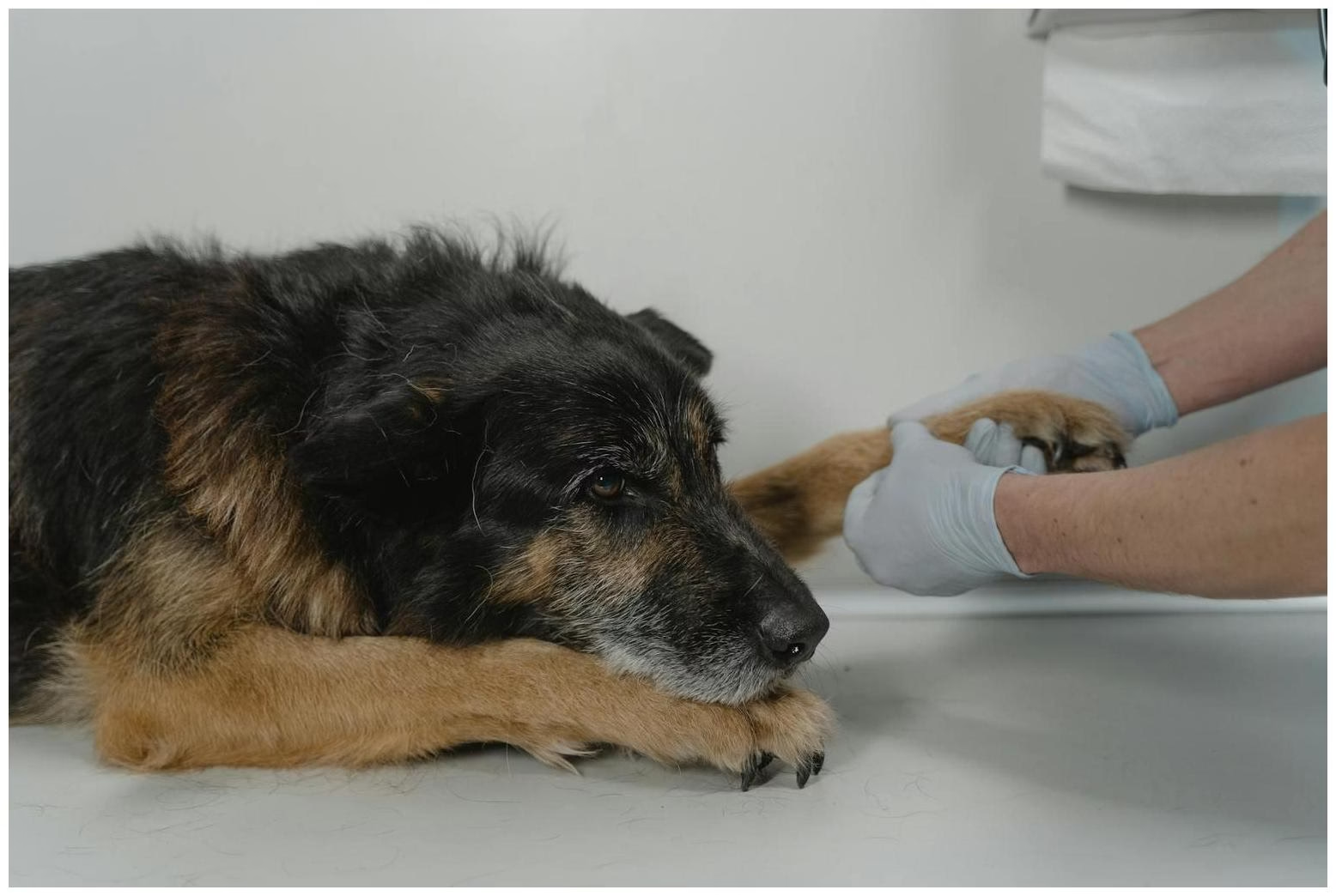
- Start Early with Socialization: Introduce your puppy to a wide variety of sights, sounds, people, and other friendly animals from a young age puppies. Positive early experiences are crucial for building a confident and adaptable therapy dog.
- Master Basic Obedience Commands: A reliable “sit,” “stay,” “come,” and “leave it” are non-negotiable for a therapy dog. Practice these commands in various environments to ensure your dog is responsive even with distractions.
- Practice Exposure to Medical Equipment: If planning to visit hospitals or clinics, gently expose your dog to wheelchairs, crutches, and medical smells at home or in controlled settings. This helps prevent startling reactions during actual visits.
- Prioritize Your Dog’s Comfort: Always put your dog’s well-being first on their therapy dog journey. If they seem stressed, tired, or overwhelmed, it’s time to take a break or end the visit early.
- Keep Visits Short and Sweet: Especially when starting out, limit therapy visits to 30-60 minutes to prevent your dog from becoming overstimulated or fatigued. Quality of interaction trumps quantity.
- Maintain a Consistent Routine: Dogs thrive on routine. Try to schedule therapy visits at consistent times and days if possible, and ensure they have adequate downtime before and after.
- Focus on Gentle Interaction: Encourage your dog to offer gentle interactions, like leaning in for a pet or resting their head. Discourage jumping or overly exuberant greetings, even if well-intended.
- Always Be Aware of Your Surroundings: As the handler, it’s your responsibility to be vigilant for potential hazards or situations that might stress your dog or endanger others. Your attentiveness is key to a smooth therapy dog journey.
- Celebrate Small Victories: Acknowledging your dog’s positive contributions, no matter how small, reinforces their positive association with therapy work. Positive reinforcement makes the care for therapy animals enjoyable for both of you.
