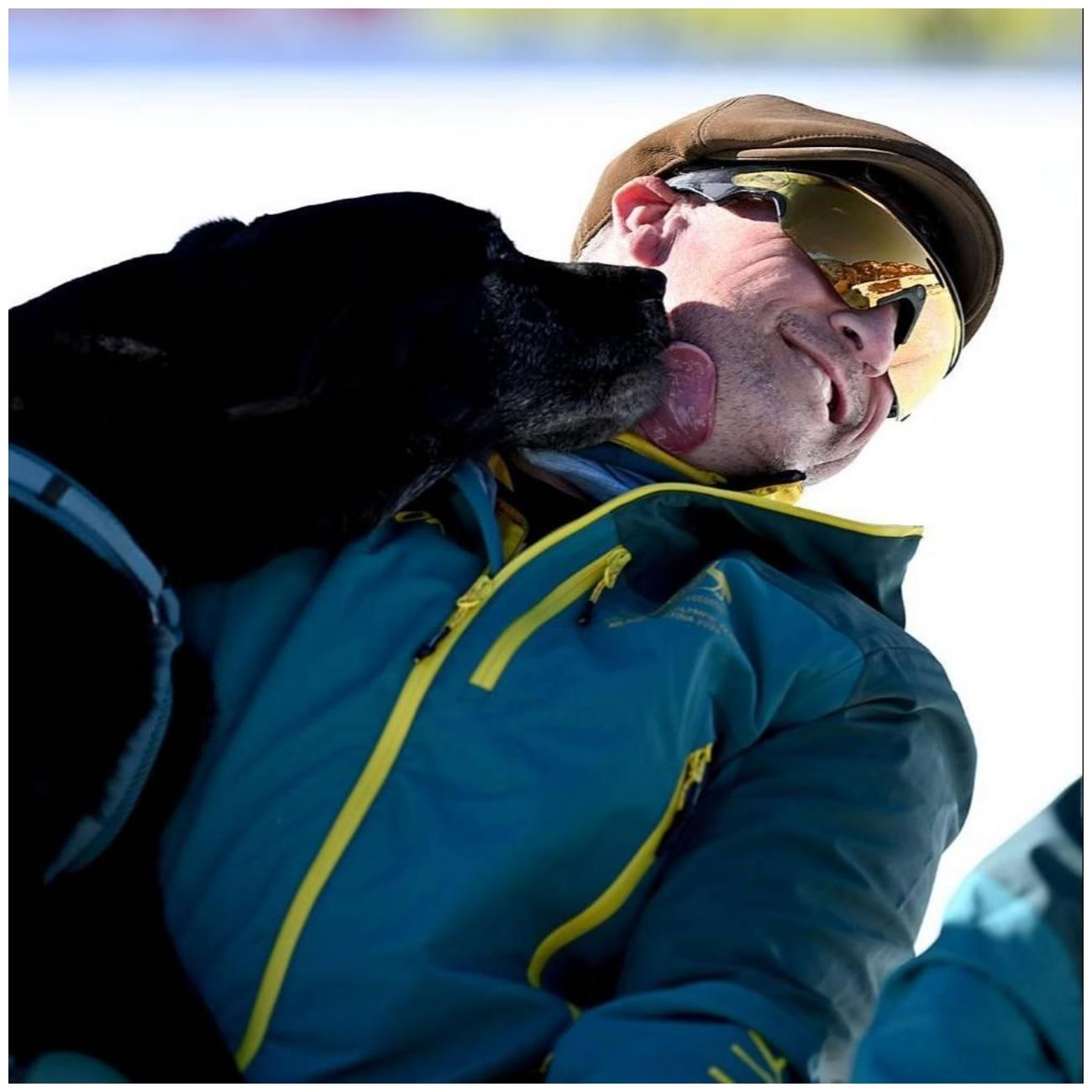
Discover the incredible world of Paralympic service dogs! Learn how these devoted canine companions empower athletes at the 2026 Winter Games. Explore their vital role and inspiring bond today!

Paralympic Service Dogs: Adorable Heroes of the 2026 Winter Games
Paralympic service dogs are truly remarkable companions, embodying loyalty, skill, and unwavering support. Have you ever wondered about the silent heroes walking alongside the incredible athletes of the Paralympic Winter Games? These specially trained canines are more than just pets; they are vital partners, enabling athletes to achieve their dreams on the world stage. Their dedication and the profound bond they share with their handlers are nothing short of inspiring.
The 2026 Paralympic Winter Games in Milan and Cortina d’Ampezzo, Italy, will once again shine a spotlight on these amazing duos. From guiding visually impaired skiers to assisting athletes with mobility challenges, these furry friends play a crucial role, both practically and emotionally. Their presence brings a unique element of warmth and strength to the competitive environment.
For caring modern dog parents like you, understanding the extensive training and profound impact of these service dogs offers a deeper appreciation for the potential and intelligence of our canine companions. It highlights the incredible ways dogs can enhance human lives, especially for those facing unique challenges.
Unveiling the World of Paralympic Service Dogs: Why Their Role Matters
The role of Paralympic service dogs extends far beyond simple companionship. These highly trained animals are indispensable partners, providing practical assistance and profound emotional support to athletes competing at the highest level. Their presence at events like the 2026 Paralympic Winter Games underscores a commitment to inclusivity and recognizes the vital contributions these dogs make to their handlers’ independence and success.
For athletes with disabilities, a service dog can be the difference between participating and sitting on the sidelines. These dogs perform a myriad of tasks, from retrieving dropped items and opening doors to providing stability and alerting to sounds. The precision and reliability with which they carry out these duties allow athletes to focus on their sport, knowing their trusted companion is there to assist with daily challenges.
Moreover, the bond between an athlete and their Paralympic service dog is incredibly powerful. It’s a partnership built on trust, mutual respect, and an unspoken understanding that fuels both canine and human. This deep connection not only aids in physical tasks but also provides a calming presence, reduces stress, and fosters a sense of security, which is invaluable in the intense competitive atmosphere of the Winter Games.
Training the Titans: The Journey of Guide Dogs for Athletes
The journey to becoming a Paralympic service dog is long and arduous, demanding exceptional intelligence, temperament, and dedication. These future guide dogs for athletes begin their training at a young age, often as puppies, learning fundamental obedience and socialization skills. Early exposure to various environments, sounds, and people is crucial to developing a well-rounded and confident service animal.
From Puppy to Professional: The Foundations of Training
Initial training phases focus on basic commands, house manners, and leash etiquette. Puppy raisers play a critical role in this stage, providing a loving home while instilling good habits and exposing puppies to diverse experiences. This foundational period ensures the dog is comfortable and adaptable in any situation, from bustling airports to quiet hotel rooms, preparing them for the varied life of an athlete’s companion.
As they mature, prospective Paralympic service dogs transition to advanced training with professional instructors. Here, they learn specialized tasks tailored to the needs of individuals with disabilities. This could include retrieving specific objects, navigating obstacles for the visually impaired, or providing physical support for balance. The training is highly individualized, ensuring each dog is perfectly matched to their future handler’s unique requirements.
Mastering Specialized Skills for Winter Sports
For the Winter Games 2026, many of these dogs, especially guide dogs athletes, undergo additional training to handle specific conditions. This might involve acclimatization to cold weather, navigating snowy or icy terrain, and remaining calm amidst the excitement and noise of sporting events. Their ability to remain focused and perform their duties regardless of external distractions is a testament to their rigorous preparation.
The training also heavily emphasizes partnership. Dogs learn to work in sync with their handlers, responding to subtle cues and anticipating needs. This intricate dance of communication is vital, ensuring seamless assistance. It’s truly amazing to witness the precision with which these service dogs Paralympics navigate complex environments, acting as their handler’s eyes, ears, or stabilizing force.
Beyond the Finish Line: The Daily Life of Service Dogs Athletes
While their work on the competition grounds is impressive, the daily life of service dogs athletes is equally demanding and fulfilling. These dogs are constant companions, integrated fully into their handler’s routine, providing assistance from the moment they wake until they go to sleep. They are not just tools; they are family members, offering unwavering love and emotional stability.
An Unbreakable Bond: More Than Just a Helper
The relationship between an athlete and their service dog is a profound partnership built on mutual trust and understanding. These dogs offer a level of emotional support that goes beyond their functional tasks. They provide comfort, reduce anxiety, and foster a sense of security, which is particularly beneficial for athletes facing the pressures of elite competition. This deep bond is often cited by athletes as a key factor in their success and overall well-being.
Imagine the calming presence of your beloved dog by your side during a stressful moment. For Paralympic athletes, this is a daily reality. Their canine partners are a constant source of unconditional love and encouragement, helping them navigate not just physical challenges but also the emotional demands of their journey. This makes them indispensable members of the team, truly embodying the spirit of service dogs Paralympics.
Navigating the World: Practical Support and Independence
Throughout their day, service dogs for athletes facilitate greater independence. They might help with simple tasks like opening doors, retrieving dropped items, or guiding their handlers through crowded spaces. For athletes competing in winter sports, this could involve helping them safely navigate venues or even assisting with gear. These seemingly small actions collectively empower athletes to live more autonomously and participate more fully in all aspects of life.
The dedication of these guide dogs winter sports is inspiring. They work tirelessly, often without immediate reward, driven by their training and the deep connection they share with their human partners. Their presence allows athletes to preserve their energy for training and competition, knowing that their daily logistical needs are reliably supported.
Partnering for Success: How to Best Support Your Paralympic Service Dog
If you’re a caring modern dog parent, you understand the commitment involved in raising a happy, healthy canine. For those working with Paralympic service dogs, this commitment takes on an even greater dimension. Ensuring these incredible animals receive the best care is paramount to their well-being and their ability to perform their vital duties effectively. How can you contribute to their success?
Step 1: Prioritizing Health and Nutrition
A service dog’s physical health directly impacts their ability to perform. Regular veterinary check-ups, a high-quality diet, and appropriate exercise are non-negotiable. These dogs are athletes in their own right, and their bodies need to be in peak condition to handle the demands of their work. Consult with your vet to create a tailored health and nutrition plan, keeping in mind their activity levels and any specific needs related to their breed or age.
Step 2: Maintaining Training and Mental Stimulation
While extensively trained, service dogs benefit from ongoing reinforcement of their skills. Regular practice sessions keep their minds sharp and their responses precise. Beyond formal training, provide plenty of mental enrichment through puzzle toys, interactive games, and new experiences. A mentally stimulated dog is a happy and effective working partner, especially for those highly intelligent guide dogs athletes.
Step 3: Advocating for Their Rights and Respect
As a handler or supporter, it’s crucial to understand and advocate for the legal rights of Paralympic service dogs. Educate others about appropriate etiquette around working dogs – no petting without permission, no distracting them while working. These dogs are performing essential tasks, and their concentration should not be interrupted. Your advocacy helps create a more accessible and respectful environment for these vital companions.
Common Misconceptions About Paralympic Service Dogs to Avoid
Despite their increasing visibility, there are still many misconceptions surrounding Paralympic service dogs. Understanding these can help foster a more informed and respectful interaction with these amazing animals and their handlers. Avoiding these common mistakes ensures you contribute positively to their working environment.
Assuming All Service Dogs Are Guide Dogs
One prevalent misconception is that all service dogs are guide dogs for the visually impaired. While guide dogs are a crucial type of service animal, the term “service dog” encompasses a much broader range of tasks and disabilities. Paralympic service dogs might assist with mobility, hearing, medical alert, or psychiatric support. Recognizing this diversity is key to appreciating their full impact.
Believing Service Dogs Are Always “On Duty”
While service dogs are highly dedicated, they also need downtime. It’s a mistake to assume they are “on duty” every single second. Just like human athletes, they need rest, play, and relaxation. Respecting their need for breaks and understanding that they are still dogs who enjoy being dogs, contributes to their overall well-being. This allows them to recharge and remain effective service dogs Paralympics.
Thinking Any Dog Can Be a Service Dog
Another common error is believing that any well-behaved pet can become a service dog. The reality is that service dogs undergo extremely rigorous selection and training processes. They must possess a unique combination of temperament, intelligence, and unwavering focus. The vast majority of dogs, even beloved family pets, do not meet the stringent criteria required for this specialized role.
Best Practices for Interacting with Guide Dogs Athletes and Their Handlers
When you encounter Paralympic service dogs and their handlers, knowing how to interact respectfully is important. Your thoughtful actions can make a real difference, ensuring the dog can focus on its work and the handler feels comfortable and supported. Here are some best practices to keep in mind.
Respect Their Space and Don’t Distract
The golden rule when encountering a service dog is to assume they are working and not to distract them. Avoid making eye contact, talking to them, or attempting to pet them without explicit permission from their handler. A distracted service dog could put its handler in danger or compromise their ability to perform vital tasks. Remember, these guide dogs athletes are focused on their job.
Always Ask Before Approaching or Interacting
If you genuinely wish to interact, always ask the handler for permission first. They will let you know if and when it’s appropriate. Respect their decision if they decline; there might be a good reason, such as the dog being actively engaged in a task or needing to stay focused. This simple courtesy goes a long way in showing respect for both the dog and the human partner.
Understand and Follow Access Laws
Be aware that service dogs have public access rights. Do not question a handler about their disability or demand to see proof of certification. These are private matters, and such inquiries are often illegal and always inappropriate. Support the right of service dogs winter sports to accompany their handlers wherever they are needed, as this is fundamental to their independence and participation.
Conclusion: Celebrating the Unsung Heroes, Paralympic Service Dogs
As we look forward to the 2026 Paralympic Winter Games, our admiration for the athletes is undoubtedly immense. Yet, it’s equally important to celebrate the extraordinary partners by their side: the Paralympic service dogs. These incredible canines are true heroes, providing not only essential physical assistance but also profound emotional support, enabling athletes to push boundaries and achieve greatness.
Their rigorous training, unwavering loyalty, and the deep, unbreakable bond they share with their handlers highlight the powerful connection between humans and dogs. For every caring modern dog parent, the story of these service dogs Paralympics offers a heartwarming reminder of the incredible potential our furry friends possess to transform lives.
Let’s continue to champion these amazing animals, understanding their vital role and ensuring they receive the respect and support they so richly deserve. They are more than just dogs; they are partners in ambition, companions in courage, and an inspiring testament to the power of the human-animal bond at the highest echelons of sport.
- Understand Public Access Laws for Paralympic Service Dogs: Familiarize yourself with local and national regulations concerning service animal access. Knowing these laws helps you advocate for these dogs and ensure their handlers can navigate public spaces without unnecessary challenges or discrimination. can dogs be autistic service dogs Paralympics
- Support Reputable Service Dog Organizations: Consider donating or volunteering with organizations that train and place Paralympic service dogs. Their work is intensive and requires significant resources, and your support directly contributes to creating more partnerships between athletes and their canine companions. Paralympic service dogs
- Teach Children Service Dog Etiquette Early: Educating children about how to behave around working dogs is crucial. Teach them not to distract, stare, or approach a service dog without permission, instilling respect for these essential animals from a young age. guide dogs athletes
- Recognize the Signs of an “Off-Duty” Service Dog: Even the most dedicated service dogs need breaks. If you see a service dog without their harness or vest, they might be off-duty. In these moments, they can enjoy being a regular dog, but still, always ask the handler before interacting. service dogs athletes
- Avoid Making Assumptions About a Handler’s Disability: A person’s disability isn’t always visible. Never question why someone needs a service dog or what their disability is. The focus should always be on respecting the working dog and their handler’s privacy. guide dogs winter sports
- Consider the Climate for Winter Games 2026 Service Dogs: For dogs working in cold environments, ensuring they have appropriate paw protection and warmth is vital. Discuss specialized winter care with your vet if your dog is exposed to extreme cold, mirroring the considerations for Paralympic service dogs. Paralympic winter sports dogs
- Encourage Mental Stimulation for Your Own Dog: Inspired by the intelligence of guide dogs athletes? Provide your dog with plenty of puzzle toys, training challenges, and new experiences to keep their mind sharp and engaged, even if they aren’t working. Winter Games 2026
- Appreciate the Extensive Training Involved: Remember that service dogs, including those heading to the 2026 Winter Games, undergo years of specialized training. This understanding fosters greater appreciation for their discipline and the expertise of their trainers. Paralympic service dogs
- Always Offer Assistance to Handlers Respectfully: If you see a handler who appears to need help, offer assistance politely and clearly. Let them guide you on how best to help, rather than taking assumptions or actions that might inadvertently interfere with their service dog’s work. guide dogs athletes
