
Discover the emotional journey of a 17-year-old dog seeking a home. Learn why senior dog adoption can transform lives and find out how you can help. Adopt today!

Heartbreaking Senior Dog Adoption: 17-Year-Old Seeks Forever Home
Imagine dedicating your life to a family, offering unwavering loyalty and love for 17 long years. Then, suddenly, in your golden age, you find yourself in an unfamiliar place, a shelter, without the comfort of your lifelong companions. This heartbreaking scenario recently unfolded for a 17-year-old dog named Brandy, whose story has touched hearts worldwide, shining a much-needed spotlight on the profound importance of senior dog adoption. Are you ready to open your heart to a wise old soul?
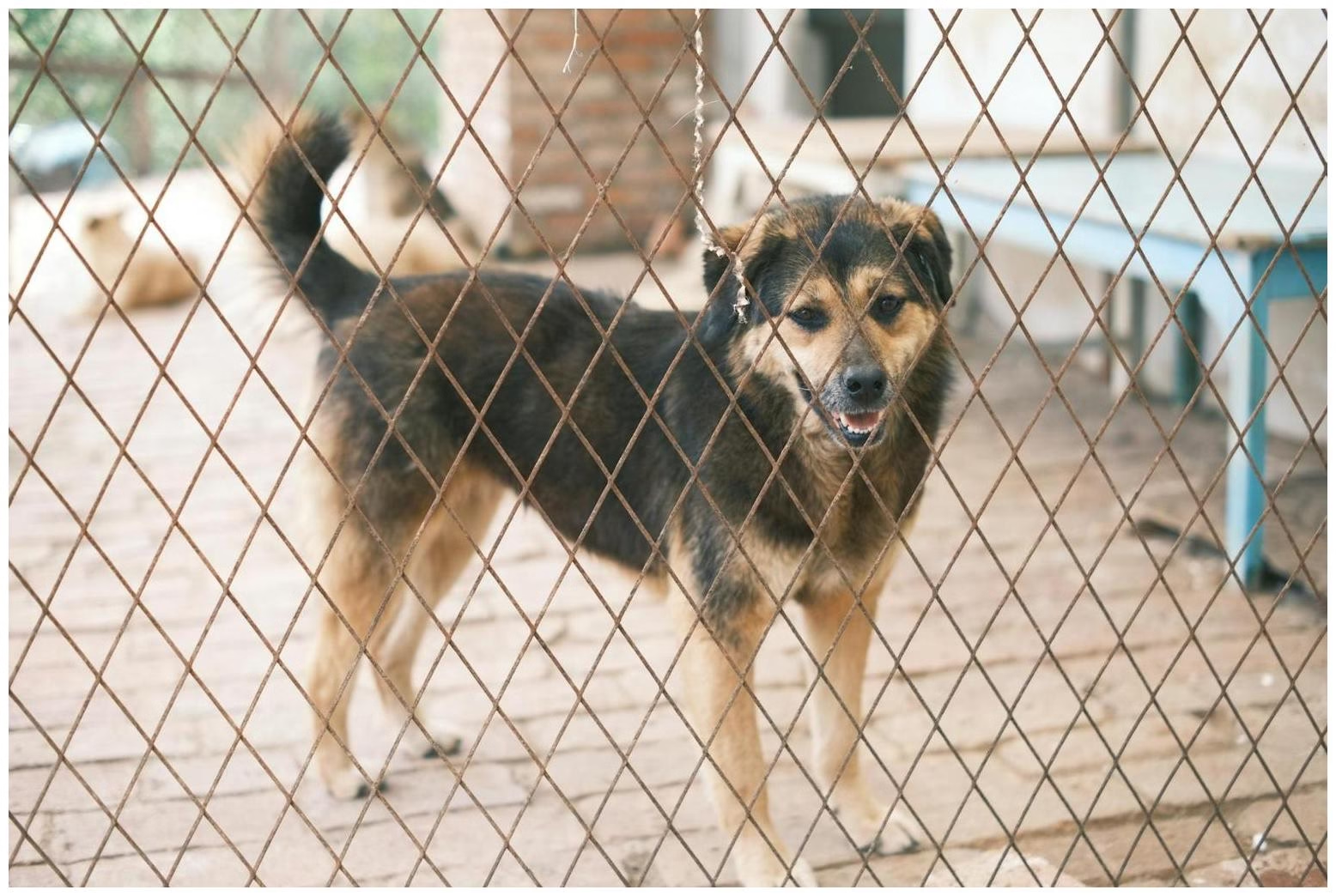
Brandy, a sweet German Shorthaired Pointer mix, was surrendered to the Adams County Animal Shelter in Colorado because her owner was moving and couldn’t take her along. Her confusion and gentleness moved the shelter staff to tears as they shared her plight, desperately seeking a compassionate ‘retirement home’ for her final chapters. Her story isn’t just about one dog; it’s a poignant reminder of the countless older dogs longing for love and comfort in their twilight years.
For caring modern dog parents like you, understanding the unique needs and immense rewards of welcoming an older dog into your life is crucial. This isn’t just an act of charity; it’s an opportunity to experience a unique bond, filled with quiet companionship and profound gratitude. Let’s explore why choosing senior dog adoption can be one of the most fulfilling decisions you’ll ever make.
The Unseen Heroes: Why Senior Dog Adoption Matters
Every year, countless senior dogs find themselves in shelters, often through no fault of their own. They might be surrendered due to an owner’s illness, financial hardship, or simply because they’ve outlived their initial family’s capacity to care for them. These loyal companions, who have given so much, are often overlooked in favor of energetic puppies or younger dogs. But here’s a truth that caring dog parents know: senior dog adoption offers a wealth of benefits that are often underestimated.
Adopting a senior dog means giving a second chance to a deserving animal, providing comfort and love during their most vulnerable time. It’s an act of compassion that resonates deeply, not just with the dog, but with everyone involved. These dogs often come with a lifetime of love to give and ask for little in return but warmth, security, and gentle affection. Their quiet dignity and grateful spirits can enrich your life in ways you might never expect.
Unconditional Love and Calm Companionship
One of the most profound benefits of adopting an older dog is the immediate, unconditional love they offer. Senior dogs have often learned the ropes of living in a home and are typically past the boisterous puppy stage. They tend to be calmer, more settled, and incredibly appreciative of a soft bed, regular meals, and gentle petting. This makes them ideal companions for those seeking a less demanding, yet deeply rewarding, canine friend.
They are often already house-trained, understand basic commands, and require less intense exercise than younger dogs, making them perfect for quieter households or individuals with a less active lifestyle. Their presence can bring a profound sense of peace and a steady, loving energy to your home. The bond formed through senior dog adoption is truly special.
What to Expect When You Adopt a Senior Dog
When you open your home to a senior dog, you can expect a companion who often comes with a rich history and a gentle spirit. While they may have some age-related health issues, many senior dogs are remarkably healthy and simply need routine veterinary care tailored to their age. They often adapt quickly to new routines and cherish the stability and affection of a loving home.
Expect a dog who may sleep more, enjoy leisurely strolls over marathons, and revel in quiet evenings by your side. They might come with endearing quirks developed over years, adding to their unique charm. The joy of witnessing a senior dog ‘bloom’ in the comfort of a new home, their true personality shining through as their anxieties fade, is an incredibly rewarding experience that truly exemplifies the best of senior dog adoption.
Finding Your Perfect Senior Companion
The journey to finding your senior soulmate is an exciting one! Many wonderful organizations and shelters are dedicated to matching older dogs with loving families. The key is knowing where to look and what to consider to ensure a harmonious match for both you and your potential new family member. Remember, this isn’t just about finding ‘a’ dog; it’s about finding ‘your’ dog, a wise companion perfectly suited to your lifestyle.
Don’t be discouraged if your first search doesn’t yield immediate results. Patience is a virtue, especially when it comes to finding the right match. The rewards of senior dog adoption are well worth the effort, leading to years of cherished memories and mutual affection. Taking the time to find the right fit ensures a successful transition for everyone.
Navigating Shelters and Rescues for Senior Dogs
Your local animal shelter or humane society is an excellent place to start your search. Many have dedicated senior dog programs or specific sections on their websites. Additionally, there are numerous breed-specific rescues and ‘senior-only’ rescue organizations that specialize in placing older dogs. Websites like Petfinder.com and Adoptapet.com allow you to filter your search by age, breed, and location, making it easier to find senior dogs needing homes near you.
When visiting a shelter, spend time with the senior dogs. Observe their demeanor, ask staff about their history, personality, and any known health conditions. Don’t be afraid to ask specific questions about their routines, temperament with other animals or children, and energy levels. This due diligence is part of ensuring a successful senior dog adoption.
The Application and Interview Process
Most reputable shelters and rescues have an application process, which may include interviews, reference checks, and a home visit. This isn’t meant to be intrusive but rather to ensure that the dog is going to a safe, stable, and loving environment. Be honest and thorough in your application, as it helps the organization match you with the most suitable senior dog.
During the interview, be prepared to discuss your lifestyle, previous pet ownership experience, and how you plan to care for a senior dog’s specific needs, including potential veterinary care. This transparency helps build trust and facilitates a positive senior dog adoption experience for everyone involved. Remember, they want what’s best for the dog, just like you do.
Preparing Your Home for a Senior Dog Adoption
Bringing any new dog home requires preparation, but a senior dog might have some specific needs that are easy to accommodate with a little foresight. Thoughtful preparation can significantly ease their transition and help them feel secure and comfortable in their new environment from day one. Creating a welcoming space is key to a smooth senior dog adoption.
Consider their mobility, vision, and hearing when setting up their new living space. Small adjustments can make a world of difference in their comfort and safety. Remember, they’ve likely been through a big change, and a calm, prepared home helps them feel safe and loved.
Creating a Safe and Comfortable Environment
For a senior dog, comfort is paramount. Provide soft, orthopedic beds in several easily accessible locations, away from drafts. If your home has slippery floors, consider rugs or mats in high-traffic areas to prevent slips and falls, especially if they have arthritis or mobility issues. Ramps or pet stairs can be helpful for accessing furniture or getting in and out of cars if they struggle with jumping.
Ensure food and water bowls are elevated if bending down is difficult for them. Make sure their designated eating and sleeping areas are quiet and peaceful. Childproof gates can help restrict access to stairs or certain rooms if needed. These small adjustments contribute significantly to a happy and healthy senior dog adoption.
Understanding Their Unique Health Needs
Senior dogs, like senior people, may have age-related health conditions. It’s essential to schedule a vet visit soon after adoption for a full check-up. Discuss any observed changes in behavior, appetite, or mobility with your vet. Common senior ailments include arthritis, dental disease, vision or hearing loss, and kidney or heart conditions.
Your vet can recommend appropriate diets and supplements, or medications to manage these conditions and improve your senior dog’s quality of life. Regular vet check-ups become even more critical for older dogs to monitor their health proactively. Being informed about their health is a vital part of responsible senior dog adoption.
Common Mistakes to Avoid When Considering Senior Dog Adoption
While senior dog adoption is incredibly rewarding, there are a few common pitfalls that prospective adopters should be aware of. Avoiding these can help ensure a smoother transition and a happier life for your new companion. Being prepared for potential challenges means you can focus on the joys of your new relationship.
Don’t let these potential challenges deter you; instead, view them as opportunities to learn and grow as a caring dog parent. With a bit of knowledge and preparation, you can navigate these issues successfully and provide an amazing home for your senior dog.
Underestimating Potential Vet Costs
One common mistake is underestimating the potential for increased veterinary costs. While many senior dogs are healthy, they are more prone to age-related illnesses that may require ongoing medication, special diets, or more frequent vet visits. It’s wise to budget for these possibilities or consider pet insurance that covers senior care.
Don’t let the thought of potential costs deter you, but rather be prepared. Discuss estimated ongoing care costs with the shelter or your vet before committing. Understanding and budgeting for these needs is a responsible part of senior dog adoption.
Ignoring Behavioral History or Health Records
It can be tempting to focus solely on a senior dog’s sweet face, but it’s crucial to thoroughly review their available behavioral history and health records. While some dogs come with limited backgrounds, always ask the shelter for any information they have regarding temperament, past living situations, and existing medical conditions. This information is invaluable for a successful integration.
Ignoring potential red flags or health concerns could lead to challenges later on that might have been preventable. Be proactive in gathering information; it helps you prepare and provides the best possible environment for your new family member, ensuring a successful senior dog adoption.
Expert Advice / Best Practices for a Successful Senior Dog Adoption
To ensure the most successful and fulfilling senior dog adoption experience, listen to those who have walked this path before you – veterinarians, experienced rescuers, and fellow senior dog parents. Their insights can be invaluable in navigating the unique aspects of caring for an older canine companion.
Adopting a senior dog is a journey, not just a single event. Be prepared to learn, adapt, and shower your new friend with patience and love. These best practices will set you up for success and bring immense joy to both your lives.
Patience and Understanding are Key
Your senior dog has likely experienced significant changes in their life. They may be confused, anxious, or grieving. Patience is paramount during the initial weeks and even months. Give them space to decompress, adjust to new sights, sounds, and routines, and slowly build trust. Avoid overwhelming them with too many new experiences too quickly.
Understand that house training might need a refresher, or they might have accidents due to age or anxiety. Positive reinforcement, gentle encouragement, and a consistent routine will help them feel secure and loved. This patient approach is crucial for a successful senior dog adoption.
Regular Vet Check-ups and Specialized Care
As mentioned, regular veterinary care is non-negotiable for senior dogs. Beyond annual check-ups, be vigilant for any changes in their behavior, appetite, or mobility, and consult your vet promptly. Many age-related conditions are manageable, especially when caught early. Consider specialized senior diets, joint supplements, and regular dental care.
Work closely with your veterinarian to develop a tailored wellness plan that addresses your senior dog’s specific needs. Investing in their health now will contribute significantly to their comfort and quality of life in their golden years, making your senior dog adoption journey smoother.
Conclusion: Embracing the Joy of Senior Dog Adoption
The story of Brandy, the 17-year-old dog surrendered to a shelter, is a poignant testament to the vulnerability of senior pets and the immense capacity for human kindness. While her tale began with heartbreak, it galvanized a community, reminding us all of the beautiful opportunity that senior dog adoption represents.
Opening your home and heart to an older dog is an act of profound compassion and a decision that promises unparalleled rewards. You’re not just providing a ‘soft place to land’; you’re offering a lifeline, a chance for dignity, love, and comfort in their twilight years. These wise, gentle souls often ask for little but give so much in return—unconditional love, quiet companionship, and a grateful spirit that enriches every moment.
So, if you’re a caring modern dog parent contemplating adding a new furry friend to your family, please consider the often-overlooked treasures residing in shelters. They carry years of experience, a settled demeanor, and an immense desire for a loving home. Embrace the joy of senior dog adoption, and together, let’s ensure every Brandy finds the forever home she so richly deserves. Your next great love story could be waiting for you, wagging a seasoned tail, ready to fill your life with quiet joy and endless affection.
- Create a ‘Safe Haven’ Corner: Designate a quiet, comfortable space with a soft bed, fresh water, and familiar scents. This provides your senior dog a retreat when they feel overwhelmed or need to rest, easing their adjustment to senior dog adoption.
- Establish a Gentle Routine: Senior dogs thrive on predictability. Implement consistent feeding times, potty breaks, and short, regular walks. A stable routine reduces anxiety and helps them feel secure in their new environment.
- Observe Body Language Closely: Since senior dogs may have hearing or vision loss, pay extra attention to their body language. Subtle cues can indicate discomfort, pain, or anxiety, allowing you to respond proactively and meet their needs.
- Invest in Non-Slip Solutions: Place rugs or carpet runners on slippery floors, especially near their sleeping area, food bowls, and stairs. This prevents falls and injuries, supporting their mobility and confidence in their new home.
- Elevate Food and Water Bowls: Using raised bowls can significantly reduce strain on a senior dog’s neck and joints, making meal and drink times more comfortable, particularly for those with arthritis.
- Consider Physical Therapy or Massage: Discuss with your vet if gentle physical therapy, hydrotherapy, or massage could benefit your senior dog’s mobility and reduce stiffness, improving their overall quality of life.
- Mental Stimulation is Still Key: Even if physical activity is limited, keep their minds active with puzzle toys, scent games, or gentle training refreshers. Mental exercise helps maintain cognitive function and prevents boredom.
- Prepare for Accidents with Patience: Senior dogs may have occasional incontinence. Be patient and understand that it’s likely not intentional. Use washable mats and have cleaning supplies ready, reinforcing positive potty habits without scolding.
- Microchip and ID Tags are Crucial: Ensure your senior dog is microchipped and wears updated ID tags immediately. If they wander, their age or disabilities might make it harder for them to find their way home, making identification vital for their safety after senior dog adoption.
- Socialize Carefully and Gently: Introduce your senior dog to other pets and people gradually and in controlled environments. Monitor interactions closely to ensure they are not overwhelmed or stressed, allowing them to form new bonds at their own pace. This careful socialization approach is key.
