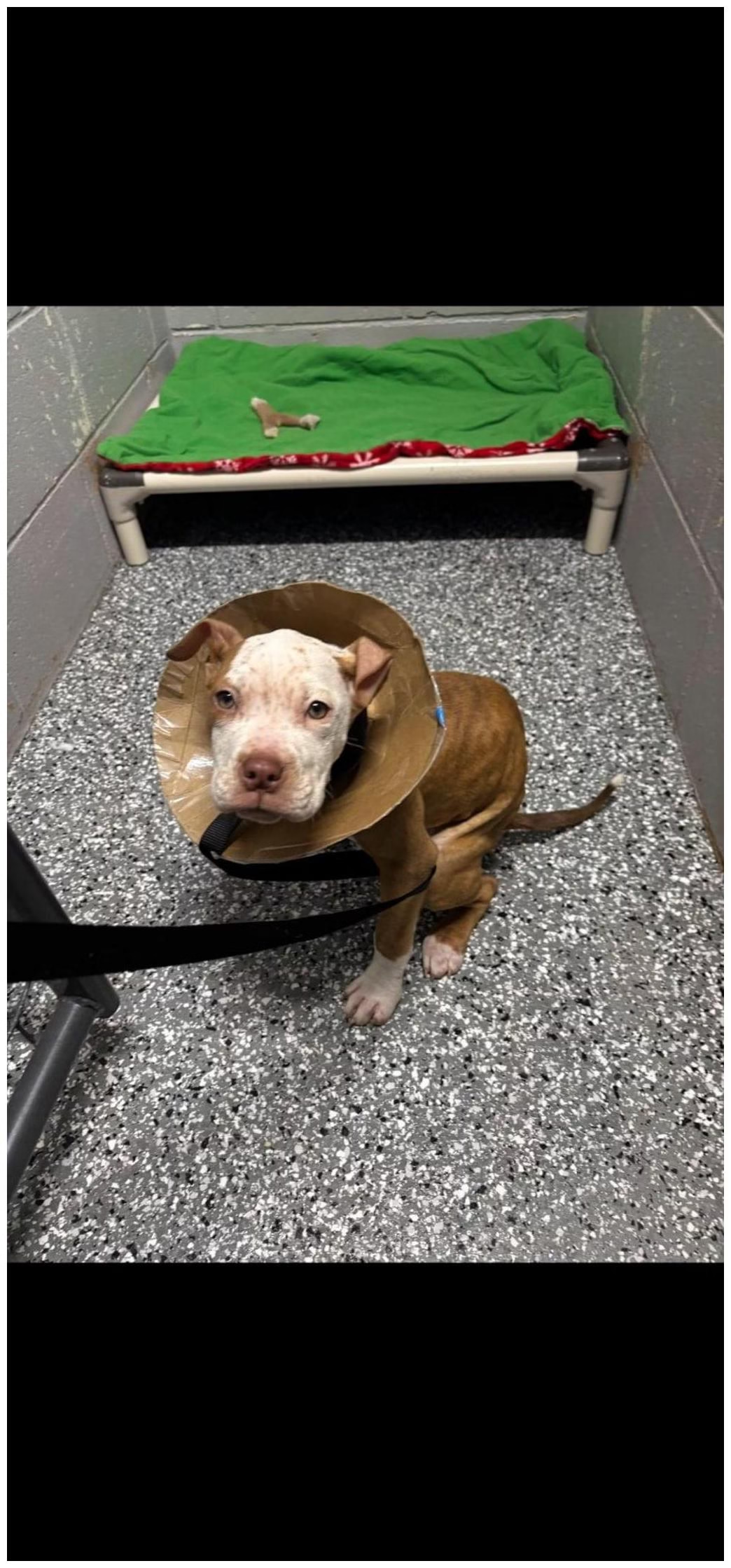
Unpack the heartbreaking Bonner Springs puppy abandonment case. Learn vital signs of animal neglect, how to report cruelty, and become a voice for vulnerable pets. Act now!
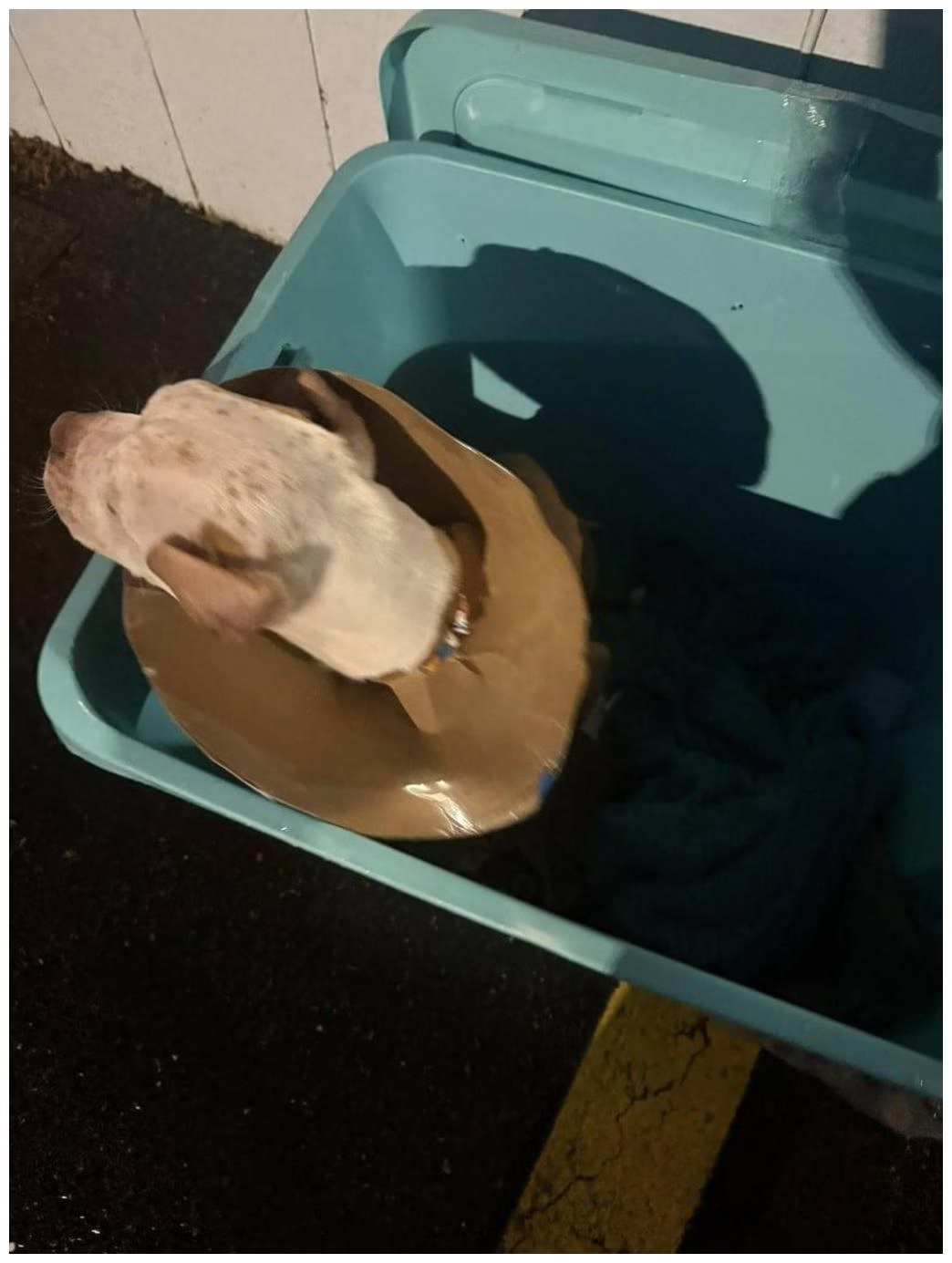
Bonner Springs Puppy Abandonment: Seeking Justice for a Sick Pup
As caring modern dog parents, few things strike harder than hearing stories of animal neglect and abandonment. The bond we share with our furry companions is profound, built on trust, love, and unwavering commitment. So, when a case like the recent Bonner Springs puppy abandonment emerges, it leaves us not only heartbroken but also determined to understand how such tragedies can be prevented.
This particular incident involved a sick puppy left to die in a tote, a stark reminder of the vulnerability of young puppies and the critical role we play in their protection. It’s a call to action for every pet owner and animal advocate to stay vigilant, educate ourselves, and speak up for those who cannot.
Join us as we delve into the details of this distressing event, explore the broader implications of animal cruelty, and empower you with the knowledge and tools to ensure no animal suffers a similar fate. Understanding what happened and what to do next is crucial for fostering a compassionate community for all pets.
A Heartbreaking Overview of the Bonner Springs Puppy Abandonment
The community of Bonner Springs, Kansas, was shaken by the tragic discovery of a sick puppy left in a tote. The helpless animal, left without care, was ultimately unable to survive its ordeal. This incident quickly galvanized local law enforcement and animal welfare advocates, highlighting the severe consequences of such cruel actions.
Police in Bonner Springs launched an investigation into the matter, swiftly identifying and charging a 24-year-old woman in connection with the abandonment. The suspect now faces serious charges, including cruelty to animals and abandoning an animal. This decisive action by authorities sends a clear message: animal cruelty will not be tolerated, and those responsible will be held accountable. The case of the Bonner Springs puppy abandonment serves as a poignant reminder of the importance of community vigilance and prompt reporting of suspected neglect.
For many, this isn’t just a news story; it’s a personal tragedy that underscores the moral imperative to protect the voiceless. It also brings to light the critical role of animal shelters and rescue organizations, who often bear the brunt of caring for animals subjected to such horrific circumstances. We, as caring pet parents, must continue to support their tireless efforts.
Understanding Animal Cruelty: What Happened in the Bonner Springs Puppy Abandonment Case
The act of animal abandonment is more than just neglect; it’s a profound betrayal of trust and a direct violation of an animal’s right to safety and care. In the unfortunate instance of the Bonner Springs puppy abandonment, a young, vulnerable life was senselessly discarded, leading to a heartbreaking outcome. This specific case prompts us to examine the deeper issues surrounding why people abandon pets and the severe impact it has.
The Devastating Reality of Puppy Abandonment
Puppies, with their boundless energy and innocent eyes, depend entirely on humans for their survival and well-being. Abandonment robs them of this fundamental need, leaving them exposed to hunger, disease, predators, and the elements. Many abandoned animals, particularly young and sick ones, do not survive. Beyond the physical suffering, the psychological trauma can be immense, leading to lasting fear and puppy behavioral issues should they be rescued. It’s a grim reality that highlights the urgent need for responsible pet ownership and accessible resources for those who can no longer care for their animals.
Reasons for abandonment are varied, often stemming from owners underestimating the commitment of pet care, unexpected financial difficulties, or behavioral problems they feel unequipped to handle. However, none of these excuses justify the act of abandoning a living, feeling creature. There are always alternatives, such as surrendering an animal to a reputable shelter or seeking rehoming assistance. The Bonner Springs puppy abandonment case is a stark illustration of the unacceptable consequences when these responsible alternatives are ignored.
Legal Ramifications for Animal Cruelty
Across the United States, laws against animal cruelty and abandonment are in place to protect animals and hold perpetrators accountable. In Kansas, where the Bonner Springs incident occurred, animal cruelty laws are quite clear. Abandoning an animal is typically a criminal offense, often classified as a misdemeanor, but depending on the severity of the neglect and the animal’s outcome, it can escalate to a felony charge.
The charges levied in the Bonner Springs case—cruelty to animals and abandoning an animal—reflect the serious nature of the alleged actions. These laws aim to deter individuals from such heinous acts and ensure that animals are treated humanely. Convictions can lead to fines, imprisonment, and even bans on future animal ownership. It’s imperative that these laws are enforced rigorously, sending a message that animal lives are valued and protected under the law. Understanding these legal frameworks empowers us to better advocate for stricter protections.
Identifying Signs of Neglect and Abuse in Puppies
As responsible dog parents, developing a keen eye for the signs of neglect and abuse is one of the most powerful ways you can protect animals, both your own and others in your community. Recognizing these indicators can be the first step in intervening and preventing further suffering, potentially averting situations similar to the Bonner Springs puppy abandonment.
Physical Indicators of Neglect
Physical signs of neglect are often the most apparent. Look for puppies who are significantly underweight, with ribs, hips, or spine visibly protruding. A dull, matted, or dirty coat can indicate a lack of grooming and poor health. Untreated external parasites like fleas, ticks, or mange, or internal parasites causing a distended belly, are also red flags. Watch for open wounds, limping, or untreated injuries. Puppies should have clear eyes and noses, without discharge. Any persistent coughing, sneezing, or difficulty breathing suggests medical neglect. A lack of proper shelter in extreme weather is also a serious form of physical neglect, exposing them to potentially fatal conditions.
Beyond these, look for puppies kept in unsanitary conditions, surrounded by their own waste, or without access to fresh water and adequate food. These conditions are direct indicators of a failure to provide basic care. Remember, healthy puppies are typically energetic and well-maintained. When you see a puppy who doesn’t fit this description, it’s time to pay closer attention.
Behavioral Indicators of Abuse
While physical signs are often visible, behavioral indicators can be just as telling. A puppy who is extremely fearful, cowering, or aggressive when approached by humans might have experienced abuse or severe neglect. They might flinch excessively at sudden movements or loud noises, or show signs of extreme shyness and withdrawal, avoiding eye contact.
Conversely, some abused puppies might exhibit hyper-aggressiveness or an unusual lack of socialization, indicating they haven’t been properly handled or introduced to positive human interaction. Watch for repetitive, obsessive behaviors like tail chasing or constant licking, which can be signs of extreme stress or confinement. A puppy who seems unusually lethargic or unresponsive, lacking typical puppy playfulness, could also be suffering emotionally or physically. Trust your instincts; if a puppy’s behavior seems off, there’s likely a reason. These subtle cues are just as important as physical ones in identifying animals at risk.
Taking Action: How You Can Help Prevent Bonner Springs Puppy Abandonment and Other Cruelty Cases
Witnessing or even hearing about animal cruelty can feel overwhelming, but your actions can make a tangible difference. Empowering yourself with knowledge and knowing how to act is crucial in becoming a protector for vulnerable animals. Your intervention could be the key to saving a life and preventing future cases like the tragic Bonner Springs puppy abandonment.
Reporting Suspected Animal Cruelty
If you suspect animal cruelty or neglect, your immediate action is vital. Do not confront the alleged abuser yourself, as this can be dangerous and may compromise an investigation. Instead, contact your local animal control agency or police department right away. Provide as much specific information as possible: the exact address, a detailed description of the animal(s) involved, the nature of the abuse or neglect you’ve observed (e.g., lack of food/water, visible injuries, unsanitary conditions), and the dates and times you witnessed these events. Taking photos or videos from a safe distance can also be incredibly helpful evidence, but prioritize your safety.
Many agencies allow you to report anonymously, though providing your contact information can assist investigators with follow-up questions. Remember, it’s better to report a suspicion that turns out to be nothing than to let an animal suffer in silence. Your call could be the difference between life and death for an animal in distress. Knowing the proper channels to report is an essential part of being a responsible and caring community member.
Supporting Local Animal Rescues and Shelters
Animal shelters and rescue organizations are often on the front lines of animal protection, caring for animals rescued from abandonment, abuse, and neglect. They rely heavily on community support to continue their vital work. You can make a significant impact by adopting a pet from a shelter, rather than buying from a breeder or pet store, thus giving a loving home to an animal in need. If adoption isn’t an option, consider fostering; providing a temporary home frees up crucial shelter space and helps animals acclimate to a home environment, making them more adoptable. This is particularly important for animals recovering from trauma.
Volunteering your time, whether it’s walking dogs, cleaning kennels, or assisting with administrative tasks, is another invaluable way to help. Financial donations, even small ones, contribute to medical care, food, and operational costs. Many shelters also welcome donations of supplies like blankets, toys, and food. By supporting these organizations, you directly aid in the rescue, rehabilitation, and rehoming of countless animals, ensuring they have a second chance at a happy life, far removed from the suffering exemplified by the Bonner Springs puppy abandonment.
Responsible Pet Parenthood: Best Practices to Avoid Future Tragedies
Being a pet parent is one of life’s greatest joys, but it also comes with significant responsibilities. The best way to prevent future tragedies like the Bonner Springs puppy abandonment is to embrace truly responsible pet parenthood. This commitment extends beyond providing food and water; it encompasses their physical, emotional, and social well-being throughout their entire lives.
The Commitment of Dog Ownership
Before bringing a dog into your home, it’s crucial to understand the long-term commitment involved. Dogs require significant financial investment for food, veterinary care (including emergencies), vaccinations, preventative medications, and supplies. They also demand considerable time for daily walks, playtime, training, and socialization. Emotionally, dogs thrive on companionship and routine, needing consistent attention and love. Consider your lifestyle, living situation, and financial stability for the next 10-15 years. Are you prepared for the challenges, joys, and potential changes life might bring? Honest self-assessment ensures that you are truly ready to provide a forever home, preventing situations where pets are later abandoned due to unforeseen circumstances or overwhelmed owners.
Proper training and socialization from a young age are also non-negotiable aspects of responsible ownership. A well-socialized and well-behaved dog is a happier dog, less likely to develop behavioral issues that might lead to an owner feeling overwhelmed. Regular veterinary check-ups, a balanced puppy diet, and sufficient puppy exercise are foundations of good health. Most importantly, love, patience, and understanding are the cornerstones of the bond you build with your dog. This holistic approach to care is the ultimate preventative measure against the despair of neglect and abandonment.
Seeking Help When You Can’t Care for a Pet
Life circumstances can change unexpectedly, and sometimes, even the most dedicated pet parents find themselves unable to provide adequate care for their beloved companions. If you ever face such a difficult situation, it is absolutely critical to seek responsible alternatives rather than resorting to abandonment. Abandoning an animal is not only illegal and inhumane, but it also puts the animal at extreme risk, as seen in the sad outcome of the Bonner Springs puppy abandonment.
Reputable animal shelters and rescue organizations are designed to help. They can offer guidance on responsible rehoming, or, if necessary, accept your pet into their care. While surrendering a pet can be emotionally painful, it’s the compassionate choice, ensuring the animal receives the care it needs and has a chance at finding a new, loving home. Many organizations also provide resources for pet owners struggling with food costs, vet bills, or behavioral challenges, offering support to help you keep your pet if possible. Reach out to these resources early; there are always options available to ensure your pet’s well-being, even when facing personal hardship.
Conclusion: Standing Up Against Bonner Springs Puppy Abandonment
The tragic case of the Bonner Springs puppy abandonment serves as a stark and painful reminder of the cruelty that can be inflicted upon innocent animals. It underscores the vital importance of every individual’s role in promoting animal welfare and preventing such heartbreaking incidents from recurring. As caring modern dog parents, we have a profound responsibility not only to our own pets but to all animals within our communities.
By understanding the signs of neglect and abuse, knowing how to report suspected cruelty effectively, and actively supporting local animal shelters and rescue organizations, we can collectively create a safer and more compassionate world for our canine companions. Let this incident fuel our resolve to be vigilant, to advocate for stronger animal protection laws, and to ensure that every animal receives the love, care, and respect they deserve. Together, we can prevent puppy suffering and uphold the dignity of every living creature.
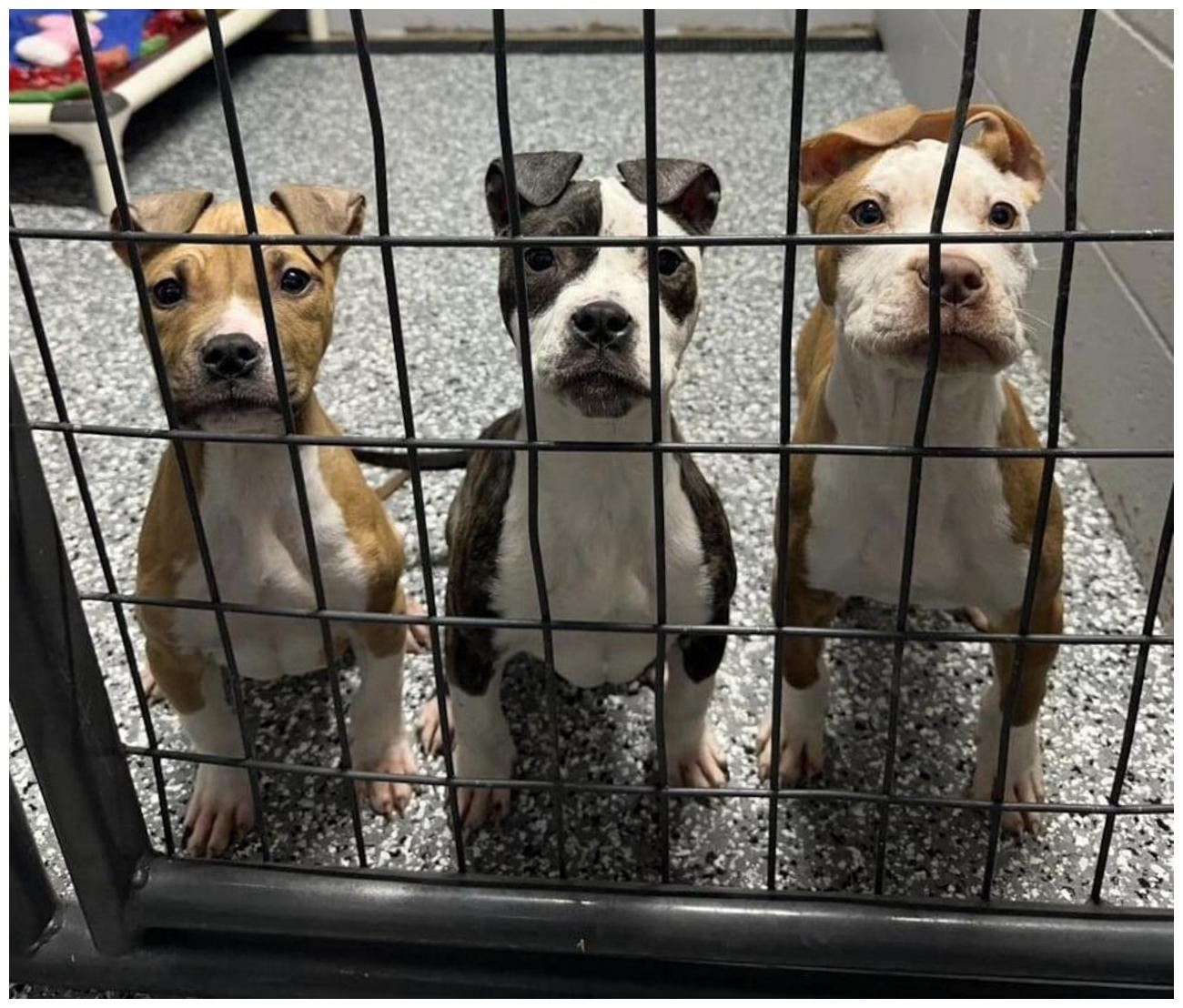
- Spotting Early Signs of Neglect: Look for lethargy, unusual shyness, constant scratching, or visible rib cages. These can indicate a puppy needs urgent help, prompting timely puppy intervention.
- Report Immediately if You Suspect Cruelty: If you suspect Bonner Springs puppy abandonment or any animal cruelty, don’t hesitate. Contact your local animal control or police department with specific, detailed information.
- Microchipping is Key for Reunification: Ensure your dog is microchipped and registered with up-to-date contact information. This is crucial for reunification if they ever get lost or are unfortunately abandoned, preventing prolonged separation.
- Support Local Shelters & Rescues: Volunteer, donate, or foster to help organizations that rescue animals, including those rescued from situations like the bonner springs puppy abandonment case.
- Educate Your Community on Pet Care: Share information about responsible pet ownership, the signs of cruelty, and how to report it effectively. Awareness is a powerful tool against neglect and irresponsible actions.
- Consider Fostering for Temporary Homes: If you can’t adopt, fostering provides a temporary, loving home for animals in need, freeing up crucial shelter space and preparing them for permanent adoption.
- Know Your Local Animal Welfare Laws: Familiarize yourself with your city and state’s animal welfare laws. Understanding these can empower you to act knowledgeably when you observe violations or suspect cruelty.
- Choose Reputable Breeders or Adopt Ethically: When getting a new pet, research thoroughly to ensure you’re supporting ethical practices and not inadvertently contributing to puppy mills or irresponsible breeding.
- Provide Comprehensive Essential Care: Ensure your puppy receives regular vet check-ups, appropriate nutrition, daily exercise, and plenty of socialization to thrive physically and emotionally throughout its life.
- Never Resort to Abandonment: If circumstances change and you can no longer care for a pet, explore all responsible rehoming options through shelters or rescue groups. Abandonment is never the humane or legal solution.
