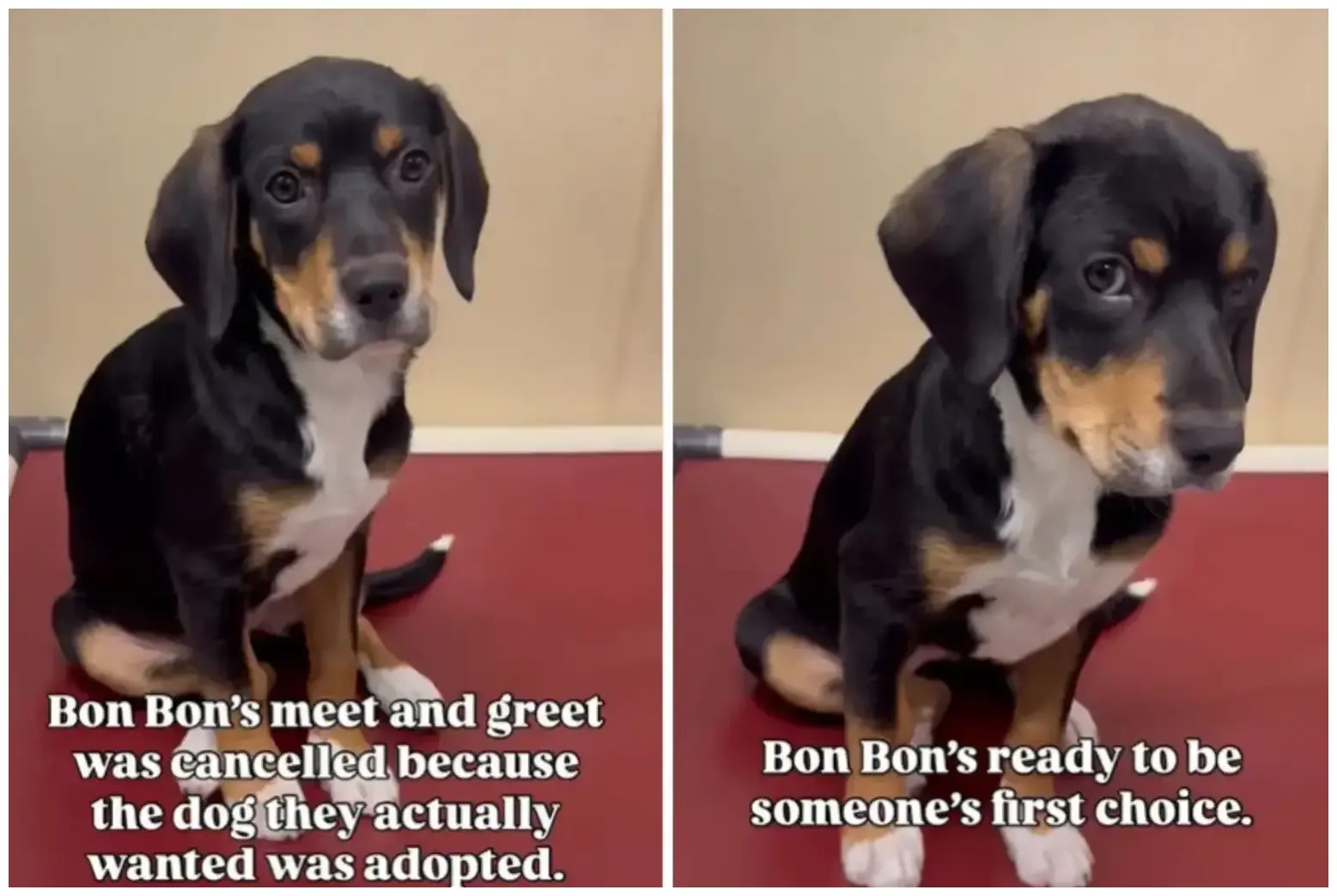
Experience the profound dog adoption heartbreak when families cancel meet and greets, leaving shelter dogs devastated. Learn how you can help prevent this pain.
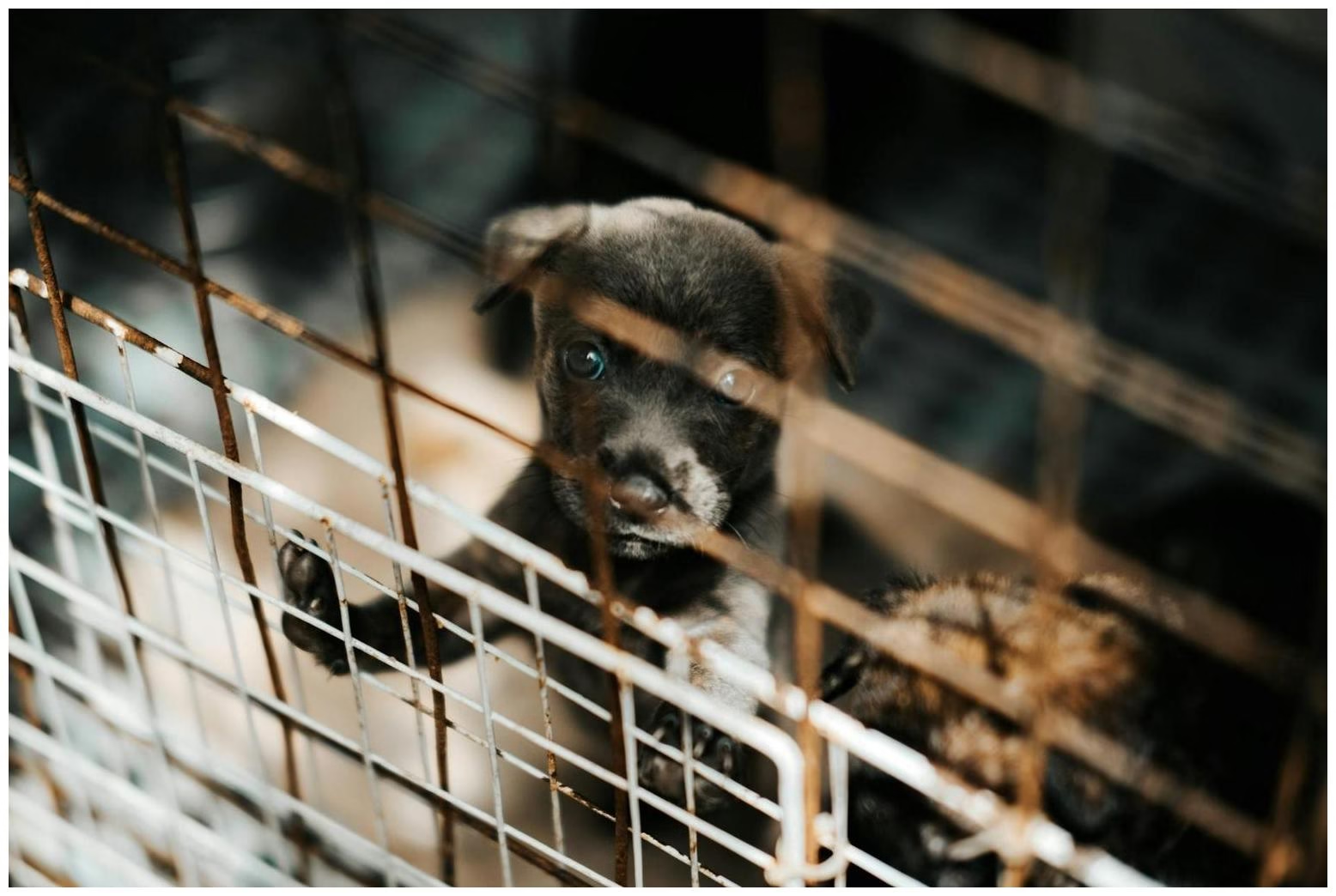
Imagine a dog, full of hope, tail wagging with anticipation, waiting patiently for a family to arrive for a meet and greet. They’ve been dreaming of a warm bed, loving hands, and a forever home. But then, the unimaginable happens: the family cancels. This scenario, unfortunately, is a real and profound source of dog adoption heartbreak, not just for the canine companions themselves, but also for the dedicated shelter staff who witness their disappointment.
It’s a feeling that resonates deeply with caring modern dog parents like you. When you consider bringing a new furry friend into your life, you envision joy, companionship, and a bond that lasts a lifetime. The idea of a dog’s spirit being crushed before it even gets a chance to flourish is truly agonizing. This article will delve into the emotional toll of such cancellations and offer insights into how we, as a community of dog lovers, can work to prevent these heartbreaking moments.
Understanding the impact of these failed connections is crucial for anyone involved in the world of rescue. It’s not just a minor inconvenience; it can set back a dog’s progress, diminish their trust, and prolong their stay in the shelter. Let’s explore this sensitive topic with the compassion and understanding it deserves.
Understanding Dog Adoption Heartbreak: Why This Matters So Much
The story of dogs waiting for meet and greets, only for families to cancel, isn’t just a fleeting moment of sadness; it’s a tangible source of dog adoption heartbreak that has far-reaching consequences. For these vulnerable animals, every interaction, every potential new face, holds the promise of a better life. When that promise is broken, it can be incredibly damaging to their emotional well-being.
The Emotional Toll on Shelter Dogs
Dogs are incredibly perceptive creatures, capable of experiencing a wide range of emotions, including anticipation, joy, and profound disappointment. Imagine a dog in a shelter environment, often already stressed or anxious, being prepared for a significant event like a meet and greet. They might be given a special bath, a new toy, or extra attention – all signs that something positive is about to happen. When the expected visitors don’t show, or the adoption is suddenly called off, it can lead to confusion, withdrawal, and a sense of abandonment. This emotional setback can make them more hesitant to trust new people in the future, prolonging their journey to a forever home.
The Ripple Effect on Shelters and Staff
It’s not only the dogs who suffer from dog adoption heartbreak. The dedicated staff and volunteers at animal shelters pour their hearts into caring for these animals, working tirelessly to find them loving homes. Each cancelled meet and greet or failed adoption represents a blow to their efforts and an added layer of stress in an already challenging environment. Resources are finite, and the emotional energy expended in preparing a dog for adoption, only for it to fall through, can be immense. It means more time, more food, and continued care for an animal that was so close to starting a new chapter.
The Story That Shook Hearts: A Shelter Dog’s Agony
The Newsweek article highlighted a powerful example of this specific form of dog adoption heartbreak. It showcased the poignant image of a dog, its face reflecting an almost human-like sorrow, after a family cancelled their planned meet and greet. This single image resonated with countless individuals, igniting a conversation about the responsibilities involved in the adoption process.
Behind the Viral Moment: A Glimpse into Disappointment
The power of that viral image lay in its raw authenticity. It wasn’t just a dog; it was a symbol of hope dashed, of trust potentially broken. For many, it served as a stark reminder that shelter dogs are not inanimate objects; they are sentient beings with feelings and expectations. This particular story brought to light the often-unseen emotional impact that human decisions can have on these vulnerable animals, making the concept of dog adoption heartbreak deeply personal for many.
More Than Just a Pet: The Bond We Seek
When we consider adopting a dog, we’re not just looking for a companion; we’re seeking a family member, a loyal friend, and a source of unconditional love. This mutual quest for connection is what makes stories of cancelled adoptions so devastating. Both humans and dogs are searching for that special bond. When an opportunity for that bond to form is prematurely ended, it leaves a void that can be hard to fill, creating a unique kind of dog adoption heartbreak for all involved.
Navigating the Adoption Journey: Preventing Heartbreak
Preventing dog adoption heartbreak begins with a thoughtful and responsible approach to the adoption process. It requires more than just a desire for a pet; it demands commitment, preparation, and a realistic understanding of what bringing a new dog into your home entails. As caring modern dog parents, you have the power to make a profound difference.
Preparing for a New Family Member
Before even considering a meet and greet, take the time to thoroughly prepare your home and your lifestyle. Does your living situation accommodate a dog? Are you prepared for the financial commitment of food, vet care, and supplies? Have you researched different breeds or temperaments to ensure a good match for your family dynamics? These preliminary steps are vital in ensuring that once you commit, you are truly ready for the responsibility. A well-prepared home minimizes the chances of unexpected challenges leading to a cancelled adoption.
The Importance of Thorough Research and Commitment
Engage in comprehensive research about the specific dog you are interested in. Talk to shelter staff about their personality, history, and any known quirks. Be honest with yourself and the shelter about your capacity and lifestyle. A commitment to adopt should not be taken lightly; it’s a promise to provide a loving and stable home for the duration of that dog’s life. Understanding this profound commitment upfront significantly reduces the risk of dog adoption heartbreak down the line.
Supporting Shelters and Dogs: Steps You Can Take to Avoid Dog Adoption Heartbreak
Beyond personal adoption, there are numerous ways caring modern dog parents can actively contribute to preventing dog adoption heartbreak within their communities. Your involvement, big or small, can create a more positive and stable environment for shelter animals.
Spreading Awareness and Education
Educate your friends, family, and social circles about the importance of responsible pet ownership and the commitment involved in adoption. Share stories (like the one that inspired this article) that highlight the emotional impact of cancelled adoptions. By raising awareness, you can encourage more thoughtful decision-making and help potential adopters understand the weight of their choices. A well-informed community is better equipped to support successful adoptions and minimize dog adoption heartbreak.
Volunteering and Fostering
Consider volunteering at your local animal shelter. Your time can directly impact the well-being of dogs, helping them socialize, exercise, and feel loved. Even more impactful is fostering. Fostering provides a temporary home for a dog, helping them decompress from the shelter environment, learn household routines, and often reveals more about their true personality. This valuable insight can significantly improve their chances of a successful, permanent adoption, effectively reducing the chances of another instance of dog adoption heartbreak.
Common Misconceptions About Dog Adoption (and How to Avoid Dog Adoption Heartbreak)
There are several misconceptions surrounding dog adoption that can inadvertently lead to challenges and, ultimately, dog adoption heartbreak. Addressing these myths head-on can help ensure a smoother transition for both adopter and dog.
Myth 1: Shelter Dogs Are “Broken” or Have Behavioral Problems
While some shelter dogs may have behavioral quirks or a past trauma, many are simply victims of circumstance – owners moving, allergies, or divorce. Shelters work hard to assess and rehabilitate dogs, and many are well-adjusted, loving companions just waiting for a second chance. Don’t assume a dog is “damaged” simply because they are in a shelter.
Myth 2: It’s Easy to Return a Dog if it Doesn’t Work Out
While most shelters have a return policy, returning a dog is not a casual decision and can be incredibly confusing and stressful for the animal, contributing to their sense of instability and dog adoption heartbreak. The goal is always a permanent match, and returns should be a last resort after all other avenues (like professional training or veterinary consultation) have been explored.
Myth 3: Adoption is Only for Puppies
Adopting an adult or senior dog can be incredibly rewarding. They often come house-trained, understand basic commands, and their personalities are already well-established. They may bypass the challenging puppy phase, offering a more immediate companionship and often needing a loving home just as desperately, if not more so, than younger dogs.
Expert Advice for a Successful Dog Adoption
To truly prevent dog adoption heartbreak, it’s essential to approach the process with a blend of patience, realism, and proactive planning. Here’s what seasoned adopters and shelter experts often recommend:
Take Your Time with the Selection Process
Don’t rush into adoption. Spend time interacting with different dogs, observe their behavior, and ask detailed questions of the shelter staff. A good match isn’t about love at first sight; it’s about compatibility and understanding. The more informed your decision, the stronger your future bond.
Embrace the “Honeymoon Period”
Understand that your new dog will go through an adjustment phase. The first few days, weeks, or even months can be challenging as they adapt to new surroundings, routines, and people. This “honeymoon period” requires patience, consistency, and a calm environment. Don’t expect perfection immediately; allow them to settle in at their own pace.
Seek Professional Help When Needed
If behavioral issues arise, don’t hesitate to consult with a professional dog trainer or behaviorist. Many problems are manageable with the right guidance and techniques. Early intervention can prevent minor issues from escalating and ultimately save an adoption, preventing immense dog adoption heartbreak for everyone involved.
Continue Education and Socialization
Even after adoption, continue to invest in your dog’s training and socialization. Enroll in obedience classes, expose them to new positive experiences, and provide plenty of mental and physical stimulation. A well-adjusted dog is a happy dog, and ongoing engagement strengthens your bond.
Conclusion: Making a Difference, One Dog at a Time in the Face of Dog Adoption Heartbreak
The image of a dog waiting for a family that never arrives is a powerful reminder of the vulnerability of shelter animals and the emotional weight of dog adoption heartbreak. As caring modern dog parents, we have a collective responsibility to approach adoption with the seriousness and compassion it deserves. Every cancelled meet and greet, every failed adoption, is a setback for an animal longing for a home. By being thoroughly prepared, committed, and actively supporting our local shelters, we can dramatically reduce these instances of heartbreak.
Let’s strive to be the reason a dog’s tail wags with permanent joy, not temporary hope. Let’s champion thoughtful adoptions, educate our communities, and offer our support to the animals who need us most. Together, we can turn potential sorrow into lasting happiness, ensuring that more dogs find their forever families and experience the warmth of a loving home.
- Prioritize Pre-Adoption Education: Before even contacting a shelter, immerse yourself in learning about dog behavior, care requirements, and training fundamentals. This proactive step helps you anticipate challenges and ensures you’re truly ready for a long-term commitment, significantly reducing the chance of dog adoption heartbreak.
- Family Agreement is Essential: Ensure every member of your household is enthusiastic and prepared for a dog. Disagreements or lack of commitment from one person can create instability for the dog and lead to adoption issues. Discuss roles and responsibilities beforehand.
- Create a “Dog Fund”: Set aside a dedicated budget for your new dog’s needs, including food, routine vet care, potential emergencies, and training. Financial preparedness eliminates a common reason for adoptions falling through, safeguarding against future dog adoption heartbreak.
- Prepare Your Home Beforehand: Dog-proof your living space, set up a designated sleeping area, and have essential supplies like food bowls, a leash, and toys ready. A prepared environment helps the dog settle in more easily, making the transition smoother for everyone.
- Be Patient with Adjustment Periods: Expect your new rescue dog to need time to decompress and adapt. This “honeymoon period” can last weeks or even months. Offer a calm, consistent routine and avoid overwhelming them, allowing trust to build naturally.
- Start Training Immediately: Enroll in positive reinforcement obedience classes or begin basic training at home as soon as your dog is settled. Training not only teaches good manners but also strengthens your bond and helps your dog feel more secure in their new environment.
- Consider Fostering to Adopt: If your chosen shelter offers it, consider a foster-to-adopt program. This allows you to experience life with the dog in your home before making a permanent commitment, ensuring a better match and minimizing the risk of a failed adoption.
- Build a Support Network: Connect with other dog parents, trainers, or your veterinarian for advice and support. Having a network of resources can be invaluable for navigating challenges and ensuring a successful, happy life with your adopted dog.
