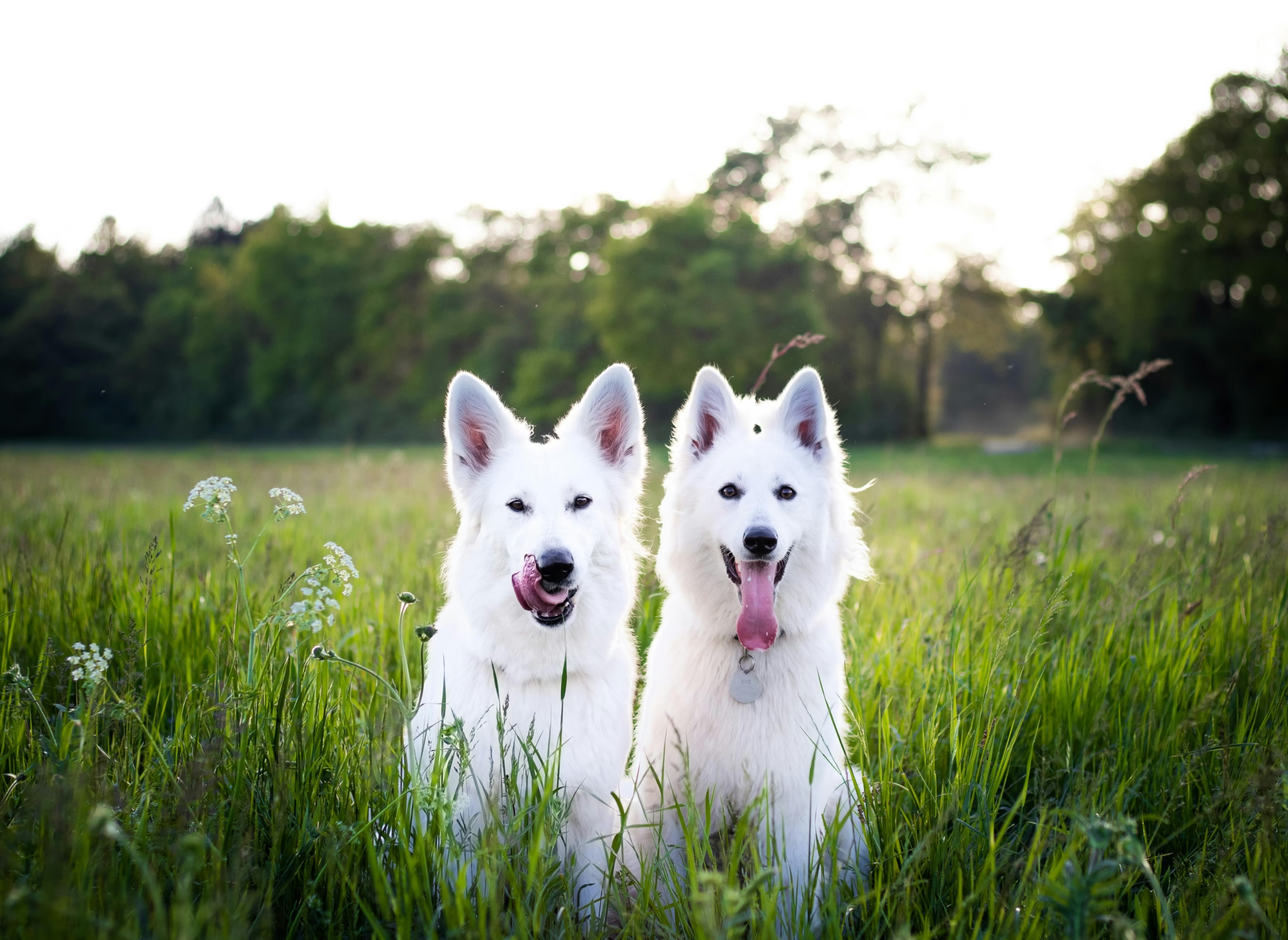
Why Does My Dog Lick My Face For So Long? Discover the meaning behind excessive dog licking. Understand your dog’s behavior & learn why they lick your face so much. Dog Licking Face Meaning explained!
Why Does My Dog Lick My Face For So Long? A Comprehensive Guide
Many dog owners share a common experience: the enthusiastic, sometimes overwhelming, licking of their faces by their furry friends. While a quick lick is often a sign of affection, why does my dog lick my face for so long? This seemingly simple question opens a door to understanding canine communication and behavior. This detailed guide will explore the various reasons behind prolonged facial licking, helping you decipher your dog’s actions and address any underlying concerns.
Dog Licking Face Meaning: Decoding Canine Communication
Before diving into the reasons behind excessive licking, it’s important to understand the general meaning of dog licking. Licking isn’t just a random act; it’s a complex behavior with multiple interpretations. For puppies, licking is a natural instinct, often stemming from nursing behaviors. As they grow, licking can evolve into a form of communication, expressing a wide range of emotions and needs. These can range from simple affection and submission to more complex signals indicating stress, anxiety, or even medical issues. Understanding this nuanced communication is key to understanding why does my dog lick me excessively.
Affection and Bonding: The Sweetest Reason
Often, the most straightforward explanation for a dog licking your face is simple affection. Just like a human kiss, a dog lick can be a sign of love and bonding. Your dog may lick your face to show their affection, to reinforce their connection with you, and to greet you with enthusiasm. This is especially true if the licking is accompanied by other signs of affection like tail wags, happy panting, or playful nudges.
Taste and Scent: A Chemical Cocktail
Dogs have an incredibly sensitive sense of smell, far surpassing that of humans. Your skin retains a unique blend of smells and tastes, which can be fascinating to your canine companion. They may lick your face to gather information about your recent activities, diet, or even your emotional state. This is less about affection and more about exploration and gathering data. This could even explain why does my dog lick my face for so long if they find your particular scent particularly interesting!
Attention Seeking: The Canine “Hey!”
Dogs are social animals, craving attention and interaction with their human companions. If your dog isn’t getting enough attention, they may resort to licking your face as a way to get your attention. This is especially true if they find that licking elicits a response from you, whether positive or negative. It’s a learned behavior, and if you tend to react (even by scolding), you may unintentionally reinforce this behavior.
Stress and Anxiety: A Silent Cry for Help
Sometimes, why does my dog lick my face for so long could be linked to stress or anxiety. Excessive licking, especially when combined with other signs like pacing, whining, or changes in appetite, could indicate underlying stress. The licking can be a self-soothing behavior, a way for your dog to cope with overwhelming feelings. This could stem from various factors like changes in routine, new pets or people in the house, loud noises, or even separation anxiety.
Medical Conditions: A Serious Consideration
While often harmless, excessive licking can also be a sign of an underlying medical condition. Skin conditions like allergies, infections, or parasites can cause irritation and itching, prompting your dog to lick their own body parts and, potentially, your face as well. Furthermore, compulsive licking might indicate neurological problems or obsessive-compulsive disorder (OCD) in dogs. If your dog is licking excessively and you notice other concerning symptoms, it’s crucial to consult your veterinarian. They can help rule out any medical issues and provide appropriate treatment.
Why Does My Dog Lick Me Excessively? Investigating Underlying Causes
To understand the root cause of excessive licking, you need to consider several factors:
- Frequency and Duration: How often does your dog lick your face? Is it a brief lick or a prolonged session? The intensity and frequency of the licking provide crucial clues.
- Context: When does the licking occur? Is it during greetings, when you’re relaxing, or during specific activities? The context can offer valuable insights into the motivation behind the licking.
- Other Behaviors: Is the licking accompanied by other behavioral changes, such as whining, pacing, changes in appetite, or restlessness? These factors can point to underlying stress, anxiety, or medical problems.
- Your Dog’s Breed and Personality: Some breeds are naturally more prone to licking than others. Also consider your dog’s general personality. Is your dog naturally affectionate or prone to anxiety?
Addressing Excessive Licking: Practical Solutions
If your dog’s licking is excessive or causing concern, it’s vital to address the underlying cause. Here are some strategies:
Increase Attention and Interaction: If attention-seeking is a factor, make sure your dog is receiving enough playtime, training, and overall interaction. Try puzzle toys to keep them occupied, go for longer walks, and engage in more interactive play.
Address Stress and Anxiety: If stress is a factor, identify potential stressors and work to minimize or eliminate them. Consider calming aids like pheromone diffusers or anxiety-reducing supplements. Consult with a veterinarian or certified dog behaviorist for further guidance. You could consider checking for symptoms of canine bordetella, a common cause of canine respiratory infections which sometimes present with increased licking behavior; this is further discussed at this external resource: https://www.akc.org/expert-advice/health/bordetella-in-dogs/. Alternatively, this excellent resource on canine bordetella may prove valuable: https://pupquotes.com/blog/what-is-canine-bordetella/
Veterinary Check-up: If you suspect a medical condition, a veterinary visit is essential. Your vet can perform a thorough examination to rule out any underlying health issues.
Training and Behavioral Modification: If attention-seeking or compulsive licking is the problem, you may need professional help from a certified dog trainer or veterinary behaviorist. They can help you develop a tailored training plan to modify your dog’s behavior.
Beyond Facial Licking: Understanding Canine Behavior
While we’ve focused on face licking, it’s crucial to understand your dog’s behavior more broadly. Excessive licking of other body parts, changes in appetite, or unusual vocalizations could all indicate underlying health or behavioral issues. Just as understanding why does my dog lick my face for so long is crucial, so too is understanding the full spectrum of your dog’s communication. For instance, while we’ve discussed licking, have you ever wondered about what the phrase ‘is there another word for a canine running’ implies? A quick search online might reveal interesting alternatives! https://pupquotes.com/blog/is-there-another-word-for-a-canine-running/
Conclusion: Understanding Your Dog’s Love Language
Understanding your dog’s licking behavior requires a holistic approach, considering their individual personality, their environment, and their overall health. While affection often plays a significant role in explaining why does my dog lick my face for so long, various other factors, from stress to medical conditions, can contribute. By paying attention to the context, frequency, and associated behaviors, you can better decipher your dog’s communication and address any underlying concerns. Remember, a timely veterinary checkup is always advisable when faced with unexplained behavioral changes. This external resource provides more information on canine dental care https://www.aspca.org/pet-care/dog-care/dog-dental-care and you can also check out when canine teeth fall out: https://pupquotes.com/blog/when-do-canine-teeth-fall-out/. Even seemingly unrelated canine information, like when canine teeth erupt in horses (yes, really!), can highlight the intricate connection between canine dental development and overall well-being: https://pupquotes.com/blog/when-do-canine-teeth-erupt-in-the-horse/. Understanding your dog’s needs is a key element of responsible pet ownership. Remember to consider the dietary aspects of your dog’s health too. Are those canine carry-outs really beneficial? You can learn more here: https://pupquotes.com/blog/are-canine-carry-outs-good-for-dogs/.
Now, we’d love to hear from you! Share your experiences and insights on why does my dog lick my face for so long in the comments below. Let’s build a community of informed and compassionate dog owners!
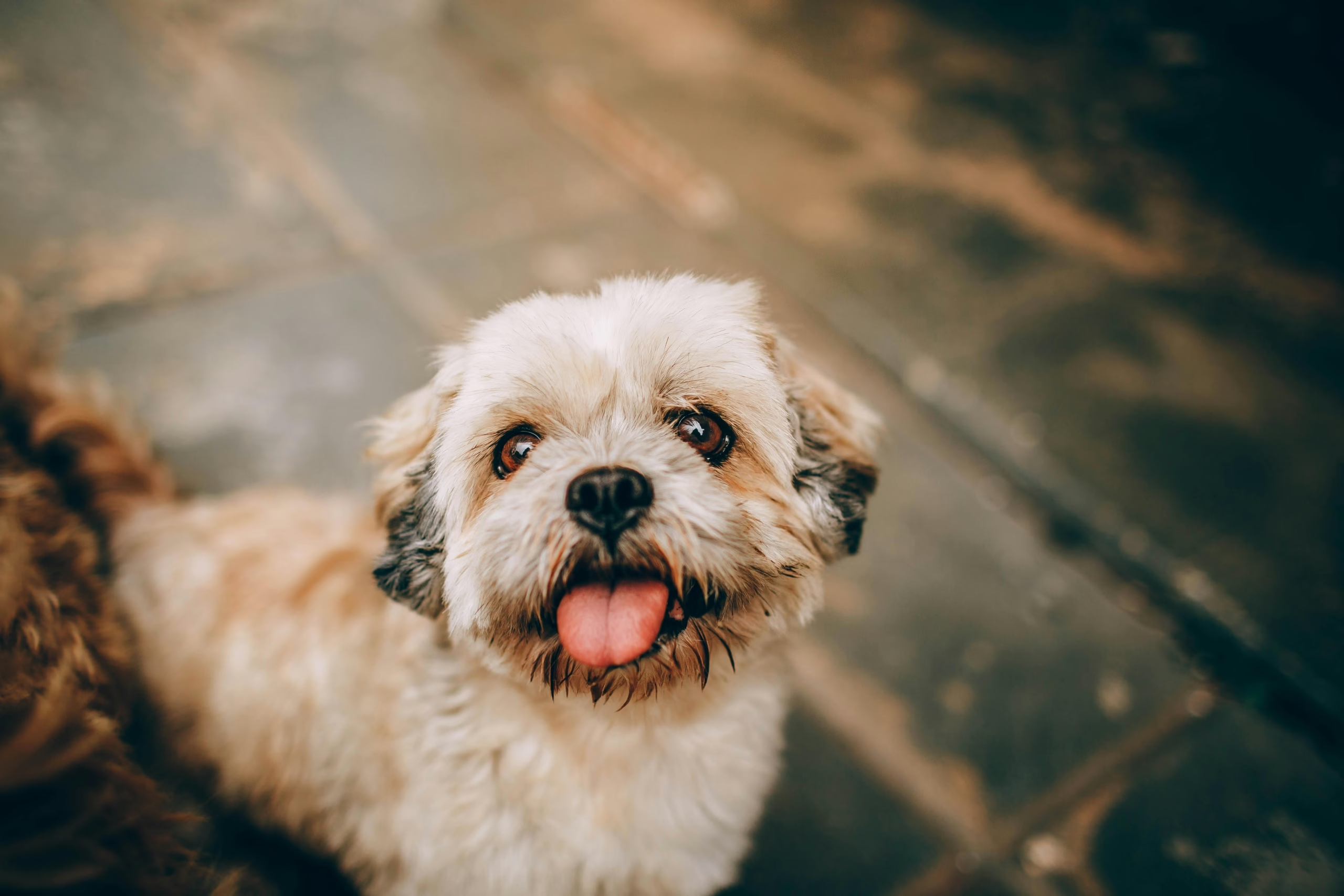
Frequently Asked Questions: Why Does My Dog Lick My Face For So Long?
1. Why does my dog lick my face for so long? Is it normal?
It’s common for dogs to lick their owners’ faces, but excessive licking can indicate something else. The reasons behind Why Does My Dog Lick My Face For So Long are varied. It could be a sign of affection, a way to taste your salty skin, or a response to your scent. However, excessive licking (Why Does My Dog Lick Me Excessively) could also signal anxiety, stress, or even a medical condition. If you’re concerned about the frequency or intensity, consult your veterinarian.
2. What does it mean when my dog licks my face excessively? Dog Licking Face Meaning
Dog Licking Face Meaning can be multifaceted. While affection is a primary reason, excessive licking might reflect underlying issues. Is your dog anxious? Have there been recent changes in their environment? Separation anxiety or stress from a new pet or family member can lead to Why Does My Dog Lick Me Excessively. It’s important to observe your dog’s overall behavior.
3. My dog licks my face constantly – should I be worried?
Constant licking could be a sign of underlying medical problems, such as skin allergies or obsessive-compulsive disorder. If the behavior is new or significantly increased, consult your vet immediately. Understanding the reasons behind Why Does My Dog Lick My Face For So Long is crucial for their well-being.
4. Could my dog’s licking be related to anxiety?
Yes, excessive licking can be a manifestation of anxiety. Changes in routine, new environments, or even the presence of strangers can trigger anxiety, leading to compulsive behaviors like excessive licking. Consider what changes have occurred recently in your dog’s life.
5. Is it possible my dog is trying to communicate something through licking?
Yes, dogs use licking as a form of communication. While affection is one message, they might also be trying to get attention, comfort you (perhaps if you’re feeling down), or solicit a reward. Understanding the context and observing other behaviors is essential to interpreting the Dog Licking Face Meaning.
6. My dog licks my face more than other people – why?
Dogs might show preference for certain individuals due to scent, familiarity, and the positive reinforcement they receive from that person. You might inadvertently reward the behavior more than others do.
7. What if my dog is licking my face because they’re hungry?
While less common, a dog might lick your face to associate you with food. This is less likely with a well-fed dog, but it’s something to consider if you frequently give treats after licking.
8. How can I stop my dog from licking my face excessively?
Gradually discouraging the behavior is recommended. Redirect their attention with toys or treats when they start licking excessively. Address any underlying anxiety or medical issues with the help of a veterinarian. It’s important to know Why Does My Dog Lick My Face For So Long to find the right approach.
9. Are there any health reasons behind Why Does My Dog Lick My Face For So Long?
Yes, several health issues can cause excessive licking. Skin conditions, allergies, or even dental problems can lead to excessive licking. A vet check-up is recommended to rule out any medical concerns, especially if the licking is accompanied by other symptoms. A vet can help you understand the Dog Licking Face Meaning in your specific situation.
10. What if my dog’s licking is related to a specific medical condition?
A veterinarian can diagnose and treat underlying medical problems contributing to excessive licking. Conditions like allergies often manifest with excessive licking. For instance, problems with their teeth (https://pupquotes.com/blog/when-do-canine-teeth-fall-out/) or the eruption of their baby teeth (https://pupquotes.com/blog/when-do-canine-teeth-erupt-in-the-horse/) could also lead to this behaviour. A broader understanding of Canine health, including potential illnesses like Canine Bordetella (https://pupquotes.com/blog/what-is-canine-bordetella/), is crucial for responsible pet ownership.

Why Does My Dog Lick My Face For So Long? Understanding Canine Affection and Hygiene
Dogs licking their owners’ faces is a common behavior, often interpreted as a sign of affection. However, excessive licking can raise concerns about both the dog’s well-being and your own hygiene. Let’s explore the reasons behind this behavior and address potential health considerations.
Reasons for Prolonged Face Licking
Affection and Bonding: This is the most common reason. Licking is a natural canine behavior used to groom and bond with their pack. For your dog, you are part of their pack, and licking is their way of showing love and strengthening your bond.
Taste: Your skin has a unique salty taste that dogs find appealing. This might be particularly true if you’ve been sweating or have lotions or creams on your skin.
Attention Seeking: If your dog is licking your face excessively, it may be a way to get your attention. If you react positively (even negatively, like scolding), it reinforces the behavior.
Anxiety or Stress: Excessive licking can sometimes indicate underlying anxiety or stress in your dog. Consider their overall behavior and environment.
Medical Reasons: Rarely, excessive licking can be a symptom of a medical condition in your dog. For example, it can occur with cognitive dysfunction syndrome (dementia) or certain compulsive disorders.
Health Considerations
For your dog:
Dental Health: While licking itself isn’t harmful, excessive licking could indicate underlying dental problems. Regular dental checkups are essential, especially considering that canine teeth fall out https://pupquotes.com/blog/when-do-canine-teeth-fall-out/ at different stages of their life. Ensure you’re providing appropriate dental care and address any potential infections promptly.
Allergies or Skin Conditions: If your dog is licking excessively, it could be a sign of allergies, skin irritations, or other underlying health problems. Consult your veterinarian for proper diagnosis.
Compulsive Disorders: In some cases, excessive licking can be a symptom of a compulsive disorder. This requires professional veterinary attention.
For you:
Hygiene: While generally harmless, frequent licking from your dog can transfer bacteria and other microorganisms to your face. Always wash your hands thoroughly after interacting with your dog.
Bacterial Infections: Although rare, excessive licking could potentially lead to skin infections or irritation on your face. Pay attention to any redness, swelling, or discomfort.
Managing Excessive Licking
Positive Reinforcement: Reward alternative behaviors. If your dog stops licking, offer praise and treats to reinforce the desired behavior.
Ignoring the Behavior: If the licking is attention-seeking, try to ignore it. Do not give in to their demand.
Veterinary Consultation: If the licking is excessive, persistent, or accompanied by other concerning symptoms, consult your veterinarian. They can rule out any underlying medical conditions.
Enrichment and Exercise: Make sure your dog is getting enough physical and mental stimulation. This reduces anxiety and boredom. A tired dog is often a calmer dog, less likely to seek attention through excessive licking.
Remember, while a quick lick on the face is a sign of affection, excessive licking can be a sign of something more. Paying attention to the frequency and context of the licking will help you determine if it’s a cause for concern. If you are concerned about your dog’s behavior or health, always consult with a veterinarian. They are best equipped to provide a proper diagnosis and treatment plan. Understanding canine behaviors, like the nuances of a canine running https://pupquotes.com/blog/is-there-another-word-for-a-canine-running/, and their potential health issues is key to responsible pet ownership. Remember that things like canine bordetella https://pupquotes.com/blog/what-is-canine-bordetella/ can significantly impact your dog’s health and behavior. Providing them with proper care and attention will ensure they live a long and happy life. And finally, remember that even the best canine carry outs https://pupquotes.com/blog/are-canine-carry-outs-good-for-dogs/ should only supplement a healthy and balanced diet.
Why Does My Dog Lick My Face For So Long,Dog Licking Face Meaning,Why Does My Dog Lick My Face Excessively