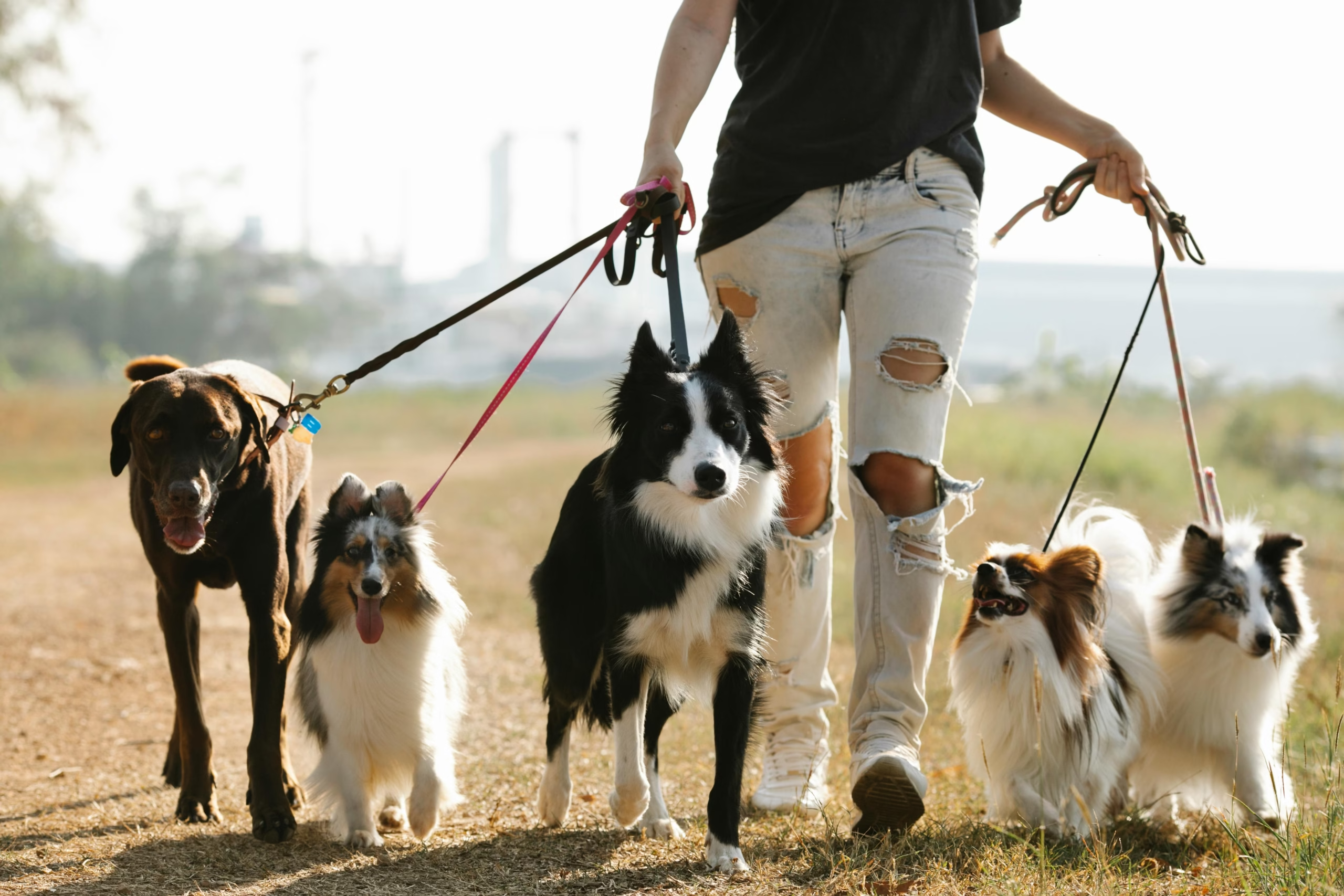
Successfully house train your adult dog! Learn proven techniques for house training older dogs & adult dog potty training. Get a clean home & a happy pup! Tips & tricks for quick results.
How To House Train An Adult Dog: A Comprehensive Guide
Bringing an adult dog into your home can be incredibly rewarding, but it also presents unique challenges, especially when it comes to house training adult dog. Unlike puppies, adult dogs have already established bathroom habits, which may or may not be ideal for your home environment. Successfully house training an adult dog requires patience, consistency, and a deep understanding of canine behavior. This comprehensive guide will equip you with the knowledge and strategies to successfully navigate this process.
Understanding Why Adult Dogs Need House Training
Before diving into the how-to, it’s crucial to understand why an adult dog might need house training. Many adult dogs enter new homes with pre-existing house training issues. These could stem from previous neglect, inconsistent training, or simply a lack of proper training in their earlier life. Regardless of the reason, with the right approach, you can successfully teach your adult dog where to eliminate. It’s important to remember that accidents happen – be patient and understanding throughout the process. It’s also important to consider underlying medical issues; if your dog suddenly starts having accidents after being consistently house-trained, consult your veterinarian, as urinary tract infections or other health problems can be a cause. Knowing your dog’s health history and receiving the proper vaccinations like the canine DHPP vaccine or the canine Bordetella vaccine, or even understanding what canine Bordetella is will help you understand their behaviour.
How To House Train An Adult Dog: A Step-by-Step Approach
1. Establish a Routine: Consistency is key in adult dog potty training. Create a predictable schedule for feeding, walking, and playing. Dogs thrive on routine, and a regular schedule will help you anticipate when your dog needs to relieve itself. Start by taking your dog out first thing in the morning, after meals, after naps, and before bedtime. Pay close attention to your dog’s behavior – signs that your dog needs to go include whining, circling, sniffing, or squatting.
2. Choose a Designated Potty Spot: Select a specific outdoor area for your dog to eliminate. This will help your dog associate that location with toilet time. Using the same spot will reinforce the behaviour. If your dog is having difficulty with elimination, you could consider adding something like grass from your yard to the designated area.
3. Positive Reinforcement: Reward your dog immediately and generously when it eliminates outdoors in its designated spot. Use high-value treats, verbal praise, or even a favorite toy to reinforce this positive behavior. Never punish your dog for accidents; this will only create fear and anxiety and hinder the training process. For further tips to reduce biting behavior and aggressive play, you can also read our article on how to make your canine teeth less sharper.
4. Supervise Your Dog: When you can’t actively supervise your dog, confine it to a safe, small area, such as a crate or a pen. This prevents accidents and makes cleaning up easier. Remember, crating is a beneficial management tool for training, not a punishment.
5. Clean Up Accidents Thoroughly: Accidents will happen, even with the most diligent training. When an accident occurs, clean the affected area thoroughly using an enzymatic cleaner, available at pet supply stores. These cleaners neutralize the odor, preventing your dog from re-offending in the same spot. This is crucial to eliminate any lingering scent that could attract your dog back to the area. Ensure you also brush your dog’s teeth regularly with appropriate toothpaste to avoid dental problems; you can look at our other article about how to make your sharp canine teeth less harmful to you and your dog.
6. Be Patient and Consistent: House training an adult dog takes time and patience. Don’t get discouraged if there are setbacks. Consistency in your training approach is crucial for success. Stick to the routine, and reward your dog generously for successes.
Advanced Techniques for House Training Adult Dog
1. The “Potty Break” Cue: Develop a consistent verbal cue, such as “Go potty,” to signal to your dog that it’s time to eliminate. Say the cue as you take your dog outside to its designated spot. Over time, this cue will become associated with the desired behavior.
2. Using a Crate for House Training: As mentioned before, a crate can significantly aid in adult dog potty training. Dogs generally dislike soiling their sleeping area, so confining your dog to a crate during the times you can’t supervise them can reduce accidents. Never use the crate as punishment; make it a safe, comfortable haven for your dog.
3. Consider Professional Help: If you’re struggling with house training your adult dog, don’t hesitate to seek professional help. A certified dog trainer or veterinary behaviorist can provide personalized guidance and support.
Common Mistakes to Avoid in Adult Dog Potty Training
- Inconsistent routines: Lack of a regular schedule will confuse your dog.
- Punishment: Never punish your dog for accidents; it will only worsen the situation.
- Not cleaning accidents thoroughly: Lingering smells will attract your dog back to the area.
- Lack of patience: House training an adult dog is a process that requires time and persistence.
- Ignoring signs your dog needs to go: Pay close attention to your dog’s body language.
Troubleshooting How To House Training An Adult Dog
If your dog continues to have accidents despite your best efforts, consider these possibilities:
- Medical issues: Consult your veterinarian to rule out any underlying health problems.
- Anxiety or fear: If your dog is anxious, address the root cause before focusing on house training.
- Inconsistency in training: Review your training methods for inconsistencies.
- Insufficient exercise: A tired dog is less likely to have accidents.
Remember to consult your veterinarian about any health concerns and ensure your dog has received its core vaccines, including the canine DHPP vaccine and the canine Bordetella vaccine. Understanding these vaccines and what canine Bordetella is can help to manage your dog’s overall health and wellbeing, significantly impacting their training.
Resources for Further Learning
For more in-depth information on canine health and behavior, you can check these helpful resources:
- The American Kennel Club (AKC): https://www.akc.org/ – Offers resources on dog training and breed information.
- The American Veterinary Medical Association (AVMA): https://www.avma.org/ – Provides information on pet health and wellness.
- Veterinary Partner: https://veterinarypartner.vin.com/ – Offers reliable information on various veterinary topics.
Conclusion: Your Journey to a House-Trained Companion
Successfully house training an adult dog is achievable with dedication, understanding, and consistency. By following these steps and remaining patient, you can build a strong bond with your new canine companion and create a harmonious home environment. Remember to always consult your vet if you suspect medical issues. Share your experiences, successes, and challenges in the comments below using relevant keywords like ‘how to house train an adult dog‘ or ‘adult dog potty training‘! We would love to hear about your journey!

Frequently Asked Questions: House Training an Adult Dog
1. Q: My adult dog has never been house trained. How do I start House Training an Adult Dog?
A: House training an adult dog requires patience and consistency. Start by establishing a routine: feed, water, and take your dog out frequently (every 2-3 hours, especially after waking, eating, and playing). Choose a designated potty spot outdoors. Reward successful potty breaks immediately with treats and praise. If you discover an accident, clean it thoroughly using an enzymatic cleaner to remove the scent. Be sure to consult your vet to rule out any underlying medical issues, like a urinary tract infection, that might be contributing to the problem. Remember, success with Adult Dog Potty Training takes time.
2. Q: My adopted adult dog pees in the house despite regular walks. What should I do?
A: This is common. Your adopted dog may have a history of inconsistent potty training or underlying anxieties. Increase the frequency of outdoor potty breaks. Consider using a crate to limit accidents and create a sense of security. Positive reinforcement, like treats and praise for successful elimination outside, is crucial in your How To House Train An Adult Dog journey. If the problem persists, consult a veterinarian; perhaps a health issue like a urinary tract infection is the culprit.
3. Q: How can I prevent accidents during the night while House Training an Adult Dog?
A: Confine your dog to a crate or a small, easily cleaned area at night. This helps to reduce the likelihood of accidents and allows for easier cleanup. A very early morning potty break before you’re fully awake is often a good preventative measure as well. If your dog is still having accidents overnight, you might need to adjust the frequency of their daytime potty breaks to allow a longer stretch at night.
4. Q: My adult dog is marking territory indoors. How can I stop this behavior?
A: Territory marking is often related to stress or anxiety. Neutering or spaying your dog can sometimes help reduce the urge, though not always. You should increase the frequency of walks, ensure adequate exercise, and try to identify and minimize sources of stress. A pheromone diffuser may also be beneficial. If the problem persists, consult a veterinarian or professional dog trainer. They might recommend medication or behavioral modification strategies to aid in your Adult Dog Potty Training.
5. Q: What kind of treats are best for rewarding a dog during Adult Dog Potty Training?
A: Small, high-value treats that your dog finds irresistible are best. Consider small pieces of cooked chicken, cheese, or commercially available training treats. The key is to make the reward immediate and rewarding enough to reinforce the desired behaviour.
6. Q: My adult dog seems resistant to House Training. What should I do?
A: Consistency is key. Stick to your routine and reward even small successes. If your dog is resisting, consider underlying health problems. Consult a veterinarian to rule out any medical issues. A vet can check for urinary tract infections, diabetes, or other health problems which might impact your How To House Train An Adult Dog efforts, and even help you develop a medical treatment plan to aid the process. Sometimes, a consultation with a certified professional dog trainer can help address behavioral challenges and provide more targeted strategies.
7. Q: Should I punish my dog for accidents?
A: No. Punishment is generally ineffective and can damage your relationship with your dog. It can also worsen anxiety issues which make House Training Adult Dog even more challenging. Focus on positive reinforcement and make sure to quickly clean any accidents thoroughly with an enzymatic cleaner to eliminate scent which may lure your dog to repeat accidents in the same spot.
8. Q: How long does it take to fully House Train an Adult Dog?
A: The time it takes varies greatly depending on the dog’s history, personality, and consistency of training. It can take several weeks or even months. Be patient and persistent. Remember, every dog is different; some adapt quicker than others.
9. Q: What should I do if my adult dog suddenly starts having accidents after being house trained?
A: Sudden changes in housetraining can signal a medical problem. Schedule a vet visit immediately. They can check for canine bordetella, other illnesses, or even side effects from vaccinations like the canine DHPP vaccine or canine bordetella vaccine. Rule out any medical issues before considering behavioral changes.
10. Q: My dog has sharp teeth, making training difficult. How can I help with this?
A: While sharp teeth can make training a bit challenging, focusing on positive reinforcement techniques can make your training process smoother. There is not necessarily a direct relationship between sharp teeth and house training. However, if the dog is biting during training, consider looking at training and socialization techniques. If excessive chewing or biting is a concern, resources like this article on how to make your canine teeth less sharper may help. For more information about canine teeth, you can also consult how to make your sharp canine teeth. Remember, gentle handling and positive reinforcement are key when working with your dog, regardless of teeth sharpness.

How to House Train an Adult Dog: A Practical Guide
House training an adult dog can be challenging, but with patience and consistency, it’s achievable. This guide offers practical tips and crucial health considerations to ensure a smooth transition.
Understanding Your Dog’s Needs
Before starting, understand why your dog might be having accidents. Underlying medical issues can contribute to housetraining difficulties. Ensure your dog is up-to-date on its vaccinations, including the Canine DHPP vaccine (https://pupquotes.com/blog/what-is-canine-dhpp-vaccine/) which protects against common illnesses, and consider the Canine Bordetella vaccine (https://pupquotes.com/blog/what-is-canine-bordetella-vaccine/) or information about Canine Bordetella (https://pupquotes.com/blog/what-is-canine-bordetella/) if they’ll be interacting with other dogs. A vet checkup can rule out urinary tract infections, digestive problems, or other health concerns that might be causing accidents.
Establishing a Routine
Consistency is key. Establish a predictable feeding, walking, and potty break schedule. Take your dog out frequently, especially first thing in the morning, after meals, after naps, and before bedtime. Reward successful potty breaks immediately with praise and treats.
Crate Training (Optional but Helpful)
For some dogs, crate training is incredibly beneficial. A crate provides a safe and secure space, reducing accidents. Never use the crate as punishment. Instead, make it a positive experience with comfortable bedding and toys. Initially, keep crate time short and gradually increase it.
Identifying Signs
Learn to recognize your dog’s signals that they need to eliminate. These can include circling, squatting, whining, or restlessness. If you notice these signs, immediately take your dog outside to their designated potty spot.
Cleaning Up Accidents
Clean up accidents thoroughly using an enzymatic cleaner designed to eliminate odors. Dogs are attracted to the scent of their urine, and residual smells can lead to repeat accidents.
Managing Chewing and Biting
If your dog is exhibiting destructive chewing behavior, it might be related to anxiety or lack of exercise. Provide plenty of appropriate chew toys. If excessive chewing persists, consider professional guidance. For overly sharp teeth, you might find solutions in guides on how to make your canine teeth less sharper (https://pupquotes.com/blog/how-to-make-your-canine-teeth-less-sharper/) or how to make your sharp canine teeth less sharp (https://pupquotes.com/blog/how-to-make-your-sharp-canine-teeth/).
Positive Reinforcement
Focus on positive reinforcement. Punishment is counterproductive and can damage your relationship with your dog. Reward good behavior consistently with praise, treats, and affection.
Seeking Professional Help
If you’re struggling with house training, don’t hesitate to seek professional help from a certified dog trainer or veterinary behaviorist. They can provide tailored guidance and address underlying behavioral issues.
By following these tips and remaining patient and consistent, you’ll significantly increase your chances of successfully house training your adult dog. Remember, each dog is an individual, and what works for one may not work for another. Adjust your approach as needed to best suit your dog’s personality and learning style.
How To House Train An Adult Dog,House Training Older Dogs,Adult Dog Potty Training