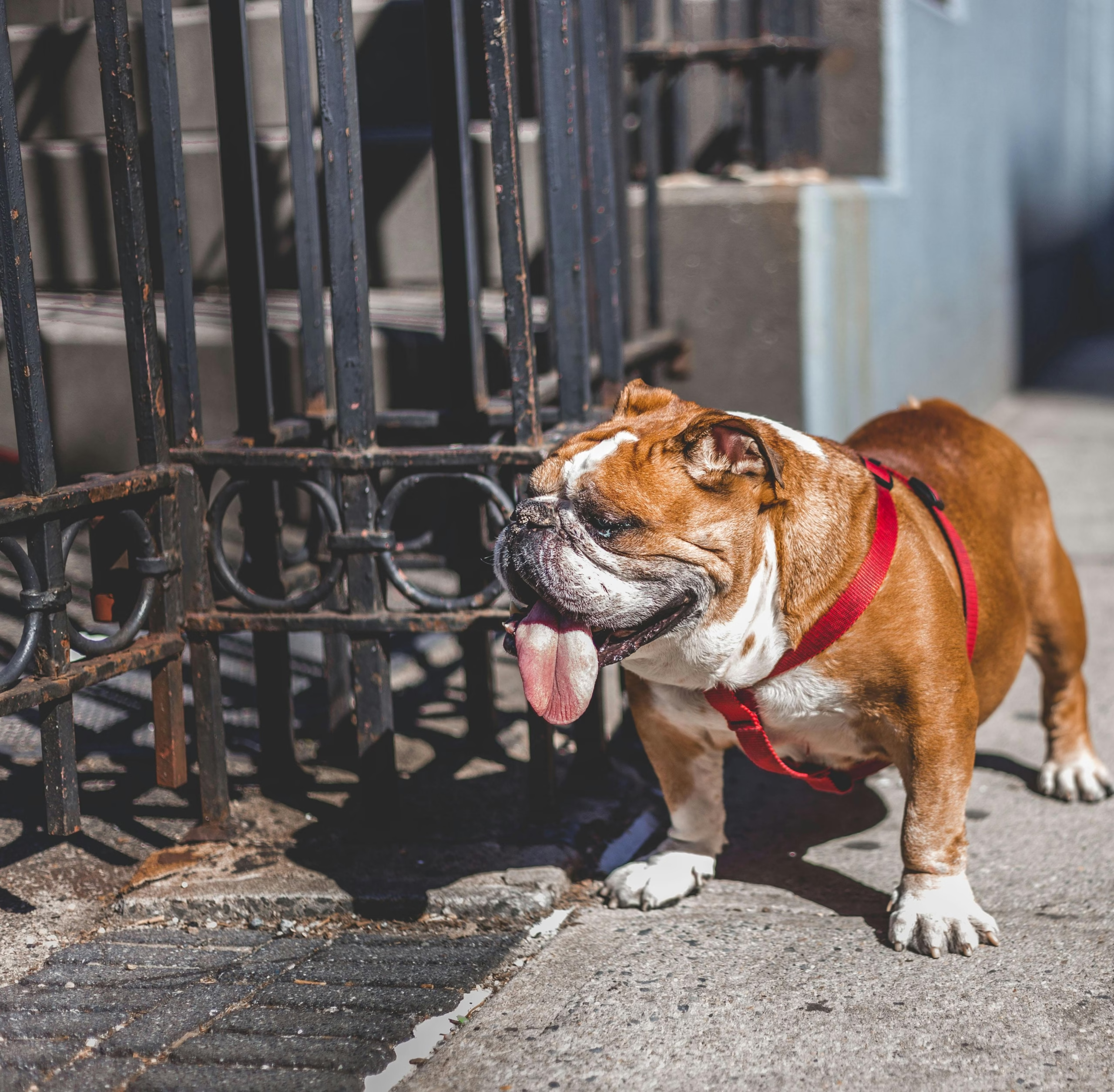
How do I keep my dog off my couch? Tired of dog hair on your furniture? Learn proven tips & tricks to keep your dog off the couch and your furniture clean! Dog on couch problems? Solutions inside! Keep dog off furniture.
How Do I Keep My Dog Off My Couch? A Comprehensive Guide to Dog on Couch Training
Many dog owners face the age-old dilemma: how do I keep my dog off my couch? While the sight of a furry friend snuggled on the sofa can be endearing, allowing this behavior can lead to challenges down the line. This comprehensive guide tackles dog on couch training, providing you with effective strategies to keep your canine companion off the furniture, while maintaining a positive and loving relationship. We’ll explore various techniques, from consistent training to environmental modifications, helping you reclaim your couch and establish clear boundaries.
Understanding Why Your Dog Jumps on the Couch
Before diving into solutions for keep dog off furniture, it’s essential to understand why your dog exhibits this behavior. Often, it’s not about defiance, but rather a combination of factors:
- Comfort: Sofas are undeniably comfortable! Your dog likely associates your couch with relaxation and warmth.
- Scent: Your couch carries your scent, providing a sense of security and belonging.
- Positive Reinforcement: If your dog has ever been rewarded with pets or attention while on the couch, they’ve learned to associate this behavior with positive outcomes.
- Habit: If allowed to hop on consistently, it becomes a habit, ingrained through repetition.
- Anxiety or Boredom: Sometimes, dogs jump on the couch to alleviate anxiety or boredom, seeking comfort and attention.
Effective Strategies for Keep Dog Off Furniture Training
Now that we understand the underlying causes, let’s explore practical solutions for how do I keep my dog off my couch:
1. Consistent Training and Positive Reinforcement
This is the cornerstone of successful dog on couch training. Instead of punishment, focus on rewarding your dog for staying off the couch. This involves:
- Command Training: Teach a solid “off” command. Start with your dog off the couch. Lure them with a treat, saying “off,” and reward them when they comply. Gradually increase the distance and difficulty.
- Reward-Based System: When your dog is on the floor and stays there, reward them with praise, treats, or their favorite toy. This positive reinforcement reinforces the desired behavior.
- Ignoring the Behavior: If your dog jumps on the couch, calmly and quietly remove them. Avoid eye contact or engaging with them, as this might be inadvertently rewarding the behavior. Instead, focus on rewarding appropriate behavior when they are off the couch. It’s crucial to be consistent; even one slip-up can undo previous progress. Imagine if your dog had contracted Canine Parvovirus – you would ensure your hygiene protocols are impeccable, similarly, consistency here is key. Think of the effort you put into ensuring your dog receives necessary vaccinations like the Canine DHPP vaccine or the Canine DA2PP vaccine; this training requires the same level of dedication. Consider the preventative measures you take against illnesses like Canine Bordetella – this training is an equally important preventative measure for unwanted behavior.
2. Environmental Modifications
Modifying your dog’s environment can significantly aid in keep dog off furniture training:
- Make the Couch Unattractive: Cover your couch with a dog-repellent cover or blanket, making it less appealing. Some dogs dislike the texture of certain materials.
- Create a Dog-Friendly Space: Designate a comfortable, dog-friendly area with their own bed, toys, and blankets. This provides a designated spot for relaxation, reducing their desire to claim the couch.
- Blocking Access: Use baby gates or other barriers to temporarily prevent your dog from accessing the couch. This is particularly helpful during the initial stages of training. For example, ensuring your dog is adequately protected from potentially dangerous situations is as important as training them to stay off the furniture; you may want to read about how to prevent Canine Distemper through responsible pet ownership. Even the small things matter, just like making sure your dogs have safe and nutritious meals (and that Canine carry-outs are only an occasional treat, not a regular part of their diet).
3. Addressing Underlying Issues
If your dog’s couch-jumping is linked to anxiety or boredom, address these underlying issues:
- Exercise: Ensure your dog gets plenty of physical and mental exercise. A tired dog is less likely to exhibit unwanted behaviors.
- Enrichment: Provide ample opportunities for mental stimulation through puzzle toys, training games, and interactive play.
- Anxiety Relief: If anxiety is a significant factor, consult with a veterinarian or a certified professional dog trainer. They can assess your dog’s behavior and recommend appropriate strategies, such as desensitization and counter-conditioning.
Advanced Techniques for How Do I Keep My Dog Off My Couch?
For stubborn cases, consider these advanced techniques:
- Professional Dog Trainer: A certified professional can provide personalized guidance and address specific challenges.
- Clicker Training: Clicker training uses positive reinforcement to shape desired behaviors effectively.
- Aversive Training (Use Cautiously): While generally not recommended, some trainers might suggest using mild aversive techniques like a noise deterrent spray or a gentle “no” command. However, these should only be used as a last resort and under the guidance of a professional, to avoid causing fear or anxiety in your dog. Remember, the focus should always be on positive reinforcement.
Maintaining Consistency and Patience
Remember, dog on couch training requires patience and consistency. Don’t get discouraged if you don’t see results immediately. Celebrate small victories and stay committed to your training plan. Your dog will eventually learn that staying off the couch leads to positive outcomes. This process is similar to gradually introducing new foods to a dog’s diet—it’s about gradual change and positive reinforcement.
Resources for Further Learning
For further information on canine health and behavior, you can consult these reputable sources:
- The American Kennel Club (AKC): https://www.akc.org/ – Offers valuable information on dog breeds, training, and health.
- The American Veterinary Medical Association (AVMA): https://www.avma.org/ – Provides comprehensive resources on canine health and welfare.
- VCA Animal Hospital: https://vcahospitals.com/ – Offers a wealth of information on various pet health topics.
Share Your Success Stories!
Now that you have a clearer understanding of how do I keep my dog off my couch, we encourage you to share your experiences and challenges in the comments below. What techniques have worked best for you? What challenges have you faced? Let’s create a supportive community where we can learn from each other’s successes and struggles in keep dog off furniture training. Use relevant keywords like “dog on couch training” and “keep dog off furniture” in your comments.

Frequently Asked Questions: Keeping Your Dog Off the Couch
1. My dog jumps on the couch the second I leave the room! How do I keep my dog off my couch?
This is a common problem. Consistent training is key to successful dog on couch training. Start by teaching your dog a solid “off” command. Reward them immediately when they get off the couch on command. If they jump up when you’re not around, consider using a deterrent like a pet-safe spray or a cover on your couch until the dog on couch training takes hold. Remember, consistency is crucial!
2. How do I stop my puppy from jumping on the furniture? Is it too late to start keep dog off furniture training with an older dog?
It’s never too late! While puppies are easier to train, older dogs can also learn. The principles remain the same: consistent training, positive reinforcement (treats, praise), and managing their access to the furniture (e.g., using baby gates). Focusing on keep dog off furniture consistently from a young age will make this easier, but older dogs are just as trainable with patience and consistency.
3. My dog is very stubborn! What’s the best way to enforce the “off” command?
Stubbornness isn’t insurmountable. Again, consistency is vital in dog on couch training. Make sure your “off” command is always followed by a reward when obeyed and a consistent consequence (such as ignoring them) when disobeyed. Avoid physical punishment; it can damage your relationship and make training harder. Consider working with a professional dog trainer if you’re struggling.
4. What are some deterrents I can use to keep my dog off the couch?
Pet-safe sprays with bitter scents can be effective deterrents. Covering the couch with a material your dog dislikes (like a prickly blanket) can also help. Remember that these are supplementary tools; they work best in conjunction with positive reinforcement training for effective keep dog off furniture strategies.
5. My dog only jumps on the couch when I’m not around. What can I do?
This suggests a lack of consistent training. The best way to address this is to work on your “off” command, ensuring your dog understands it and associates it with a reward. Consider using a pet camera to monitor their behavior and address any couch-jumping immediately when you notice it (even if you’re not physically present).
6. Is it cruel to keep my dog off the couch?
No, it’s not cruel as long as you ensure that your dog has other comfortable places to rest and are not neglecting their needs for socialization, play, and exercise. Keeping your dog off the couch is about establishing boundaries and house rules that ensure harmony in the home. You can create a wonderfully dog-friendly space without compromising your own comfort.
7. My dog is a rescue, and he’s very anxious. How can I implement dog on couch training without increasing his stress?
With an anxious rescue, a gentle approach is best. Focus on building trust and creating a safe space for your dog. Positive reinforcement is crucial – use high-value treats and praise. Avoid harsh commands or punishments. Consult a veterinary behaviorist for personalized advice, especially if the anxiety is severe.
8. Is my dog’s behavior linked to any underlying health issues? Should I worry about Canine Distemper?
While sudden behavioral changes can be a symptom of several health issues, such as canine distemper (you can learn more about its symptoms and treatment at https://pupquotes.com/blog/can-humans-get-canine-distemper/), a sudden change in behavior related to keep dog off furniture usually points to training gaps. However, if you’re concerned, always consult a veterinarian to rule out any underlying medical conditions. Ensure your dog is up to date on its vaccinations such as the DHPP vaccine (https://pupquotes.com/blog/what-is-canine-dhpp-vaccine/), Da2PP vaccine (https://pupquotes.com/blog/what-is-canine-da2pp-vaccine/), and Bordetella (https://pupquotes.com/blog/what-is-canine-bordetella/).
9. How can I make my dog’s bed more appealing than the couch?
Make your dog’s bed incredibly comfy! Use a high-quality, soft bed. Place it in a warm, quiet spot. Consider using a blanket with your scent to help them associate it with security. Reward them enthusiastically when they use their bed.
10. What if all else fails and I still can’t solve my How Do I Keep My Dog Off My Couch problem?
Consider seeking professional help. A certified dog trainer can assess your dog’s behavior, identify the underlying causes, and create a tailored training plan. They can also help you with dog on couch training techniques you may be missing. Remember, patience and consistency are key, and professional help can provide the guidance you need. Sometimes, even simple issues like poor diet can cause behavioral issues, so make sure to consult your vet on preventative care such as good Canine Carry-Outs (https://pupquotes.com/blog/are-canine-carry-outs-good-for-dogs/).

Keeping Your Dog Off the Couch: Practical Tips & Health Considerations
Want to keep your furry friend off your favorite couch? It’s a common struggle, but achievable with a combination of training, prevention, and understanding your dog’s needs. Let’s explore some effective strategies, while also considering the health implications of allowing (or disallowing) couch access.
Training Techniques:
- Consistent Reinforcement: This is key. Choose a consistent command like “Off!” Reward your dog immediately with treats or praise when they comply, even if it’s just for a few seconds initially. Be patient and persistent.
- Positive Reinforcement: Avoid punishment; it can create fear and anxiety. Focus on rewarding good behavior.
- Alternative Comfortable Spaces: Provide a comfortable dog bed or mat in a location your dog enjoys. Make it extra appealing with cozy blankets and their favorite toys. This offers a desirable alternative to the couch.
- Physical Barriers: Initially, you might consider using baby gates or other barriers to physically restrict access to the couch. This helps reinforce the boundaries you’re establishing.
- Management: When you’re not actively training, consider keeping the dog in a separate room, especially when you’re not able to supervise directly. This helps prevent unwanted behaviors.
Health Considerations:
Allowing your dog on the couch might seem harmless, but there are a few health aspects to consider:
- Hygiene: Dogs can track dirt, allergens (like pollen), and even parasites into your home. While regular grooming is essential, it doesn’t eliminate all risks. Regular cleaning of the couch becomes much more crucial.
- Infectious Diseases: While rare, dogs can carry diseases that, in theory, could be transmitted to humans. While the risk is generally low, it’s good to be aware of vaccination importance. Ensuring your dog is up-to-date on their core vaccines, including the DHPP vaccine (what is canine DHPP vaccine?) and DA2PP vaccine (what is canine DA2PP vaccine?), is vital for their overall health. Bordetella (what is canine bordetella?) is another concern, though transmission to humans is limited. While it’s unlikely your dog will get Canine Distemper from the couch, can humans get canine distemper? It’s crucial to remember that proper hygiene and vaccination are primary prevention measures.
- Allergies: If you or a family member has allergies, dog dander on the couch can significantly exacerbate symptoms.
- Parasites: Fleas and ticks can be brought indoors on a dog’s fur. Regular flea and tick prevention is vital, regardless of couch access.
Food & Treat Considerations:
- Avoid Canine Carry-Outs: Avoid encouraging your dog to jump on the couch for food scraps. Giving food from the table can reinforce this behavior. Learn more about the potential negative impact on your dog’s health at are canine carry-outs good for dogs?.
By combining consistent training with an awareness of potential health issues, you can successfully keep your dog off the couch while ensuring both your and your canine companion’s well-being. Remember that patience and positive reinforcement are key to a harmonious home life.
How Do I Keep My Dog Off My Couch, Dog on Couch, Keep Dog Off Furniture