
The Best Wet Dog Foods Veterinarians Commonly Recommend
Discover the 10 best wet dog foods veterinarians recommend for optimal canine health. Find healthy, high-quality options to keep your dog thriving. Make the smart choice today!
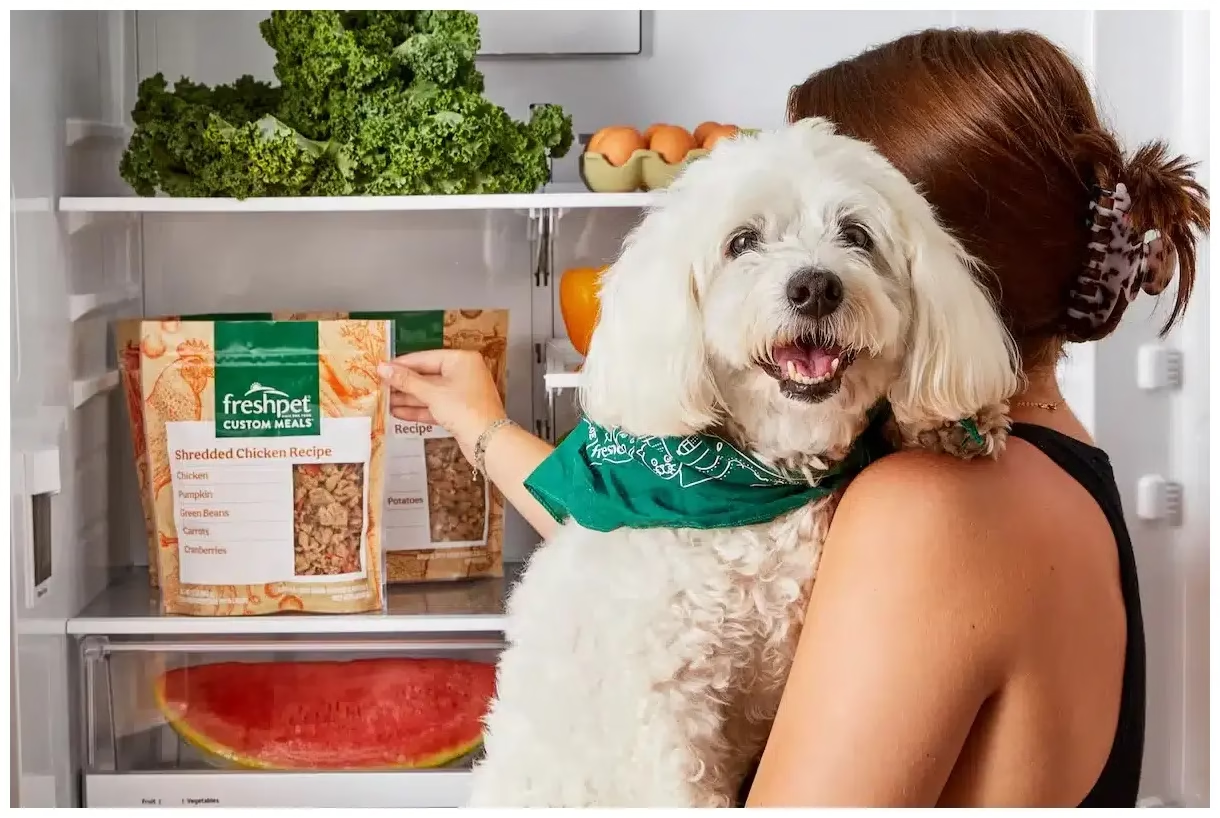
Is your beloved canine companion a picky eater, or perhaps dealing with hydration issues that dry kibble just can’t address? Choosing the best wet dog food can transform your dog’s mealtime experience and significantly boost their overall health. For many pet parents, navigating the vast array of options can be overwhelming, leading to questions about what truly constitutes a high-quality, nutritious choice.
Fortunately, veterinarians often have clear recommendations based on scientific research and years of clinical experience. They understand the nuances of canine nutrition, recognizing that what works for one dog might not be ideal for another. This comprehensive guide will delve into the top wet dog foods that vets commonly suggest, offering insights into their benefits and helping you make an informed decision for your furry friend.
From improving digestion to enhancing palatability, the right wet dog food can play a crucial role in your dog’s well-being. We’ll explore key ingredients, what to look for on labels, and how to successfully transition your dog to a new diet. Prepare to discover delicious and healthy options that will keep tails wagging and bowls spotless, ensuring your dog receives the very best.
The Best Wet Dog Foods Veterinarians Commonly Recommend: An Overview
When it comes to canine nutrition, wet dog food offers distinct advantages that make it a favorite among many veterinarians. Its higher moisture content is excellent for hydration, especially for dogs who don’t drink enough water or those with kidney issues. Beyond hydration, the palatability of wet food often makes it an ideal choice for finicky eaters or dogs recovering from illness.
Veterinarians typically recommend specific brands that prioritize whole, natural ingredients, balanced nutrition, and rigorous quality control. These aren’t just about taste; they’re formulated to meet the dietary needs of dogs across all life stages, from energetic puppies to serene seniors. Our focus here is on identifying those trusted options that provide comprehensive benefits.
Why Choose Vet Recommended Wet Dog Food?
The guidance of a veterinarian is invaluable when selecting your dog’s diet. Their recommendations are often rooted in a deep understanding of animal physiology, common health concerns, and the nutritional science behind pet food formulations. Opting for a vet recommended wet dog food means choosing a product backed by professional expertise, designed to support your dog’s specific health needs.
These foods are typically formulated to address various dietary requirements, whether for maintaining a healthy weight, supporting joint health, or managing allergies. They often contain high-quality proteins, essential fatty acids, and digestible carbohydrates. This professional endorsement provides peace of mind for pet owners seeking optimal nutrition.
Hydration Benefits of High-Quality Wet Dog Food
One of the most significant benefits of wet dog food is its high moisture content, often ranging from 75% to 85%. This is especially crucial for dogs who may not drink enough water on their own. Adequate hydration supports kidney function, aids in digestion, and helps maintain overall bodily health.
For dogs prone to urinary tract infections or kidney disease, a diet rich in moisture can be a game-changer, helping to flush toxins and support urinary system health. Many veterinarians will specifically suggest increasing moisture intake through food as part of a therapeutic regimen.
Palatability: Enticing Picky Eaters with Best Canned Dog Food
The rich aroma and appealing texture of wet food are irresistible to many dogs, including those with selective appetites. If your dog turns their nose up at dry kibble, switching to the best canned dog food can often solve mealtime woes. The varied textures, from pâtés to chunky stews, offer an enjoyable dining experience.
This increased palatability isn’t just about making your dog happy; it ensures they consume the necessary nutrients. For dogs recovering from surgery or illness, or those with dental issues, the softer texture and enticing smell of wet food can encourage eating when appetite is low.
Understanding the Ingredients: What Makes a Healthy Wet Dog Food?
A truly healthy wet dog food is defined by its ingredients. Transparency in sourcing and high-quality components are paramount. When scrutinizing labels, look for identifiable protein sources, wholesome vegetables, and beneficial fats.
The best formulations avoid excessive fillers, artificial preservatives, colors, and flavors. Understanding what goes into your dog’s bowl is key to ensuring they receive balanced and complete nutrition tailored to their needs. This careful selection process is often highlighted by veterinarians.
Key Nutrients in Healthy Wet Dog Food
At the core of any nutritious diet are essential nutrients. For wet dog food, this means high-quality animal protein as the primary ingredient—think chicken, beef, lamb, or fish. These proteins are vital for muscle development, repair, and overall canine vitality. They provide the necessary amino acids dogs need to thrive.
Beyond protein, look for a good balance of healthy fats, such as omega-3 and omega-6 fatty acids, which support skin and coat health, and brain function. Complex carbohydrates from ingredients like sweet potatoes or peas offer sustained energy, while vitamins and minerals from fruits and vegetables round out a complete nutritional profile.
Ingredients to Avoid in Top Rated Wet Dog Food
Just as important as knowing what to include is understanding what to avoid. Many veterinarians advise against wet dog foods containing artificial colors, flavors, and preservatives. These additives offer no nutritional benefit and can sometimes trigger allergies or sensitivities in dogs.
Rendered fats, generic “meat by-products” without specified sources, and excessive fillers like corn, wheat, or soy in large quantities are also commonly discouraged. While some dogs tolerate these, opting for grain-free or limited-ingredient diets can be beneficial for those with sensitivities. Always read the label carefully to ensure you’re choosing a truly top rated wet dog food. For those considering alternatives to common grains, options like quinoa can be explored.
Top Picks for Best Wet Dog Food Brands
Based on consistent positive feedback from veterinarians and their efficacy in promoting canine health, several brands frequently appear on “best of” lists. These brands often invest heavily in research and development, adhering to strict quality control standards. They are recognized for their balanced formulations and use of high-quality, digestible ingredients.
Some commonly mentioned brands include Hill’s Science Diet, Royal Canin, Purina Pro Plan, Merrick, and Wellness Core. Each offers a range of formulas designed to meet specific needs, from puppy growth to senior support, and even prescription diets for particular health conditions. It’s important to remember that the “best” brand for your dog will depend on their individual circumstances.
Best Wet Dog Food for Puppies
Puppies have unique nutritional requirements to support their rapid growth and development. The best wet dog food for puppies will be rich in protein and healthy fats, with an appropriate calcium-to-phosphorus ratio for bone development. Look for formulas specifically labeled “for puppies” or “all life stages,” as these are fortified with the necessary nutrients.
Brands like Royal Canin and Purina Pro Plan offer excellent puppy-specific wet food lines, providing digestible ingredients and essential DHA for brain and vision development. These formulations are designed to be palatable and easy for young puppies to digest, ensuring a healthy start to life.
Best Wet Dog Food for Senior Dogs
Senior dogs often benefit greatly from wet food due to its ease of consumption and higher moisture content. The best wet dog food for senior dogs should be formulated to support joint health, maintain lean muscle mass, and potentially be lower in calories if weight management is a concern. Ingredients that support cognitive function are also a plus.
Brands such as Hill’s Science Diet and Wellness Core offer specific senior formulas that cater to the changing needs of older dogs, often including glucosamine and chondroitin for joint support, and antioxidants for immune health. The softer texture is also ideal for senior dogs with dental issues.
How to Select the Right Wet Dog Food for Your Canine Companion
Choosing the perfect wet dog food goes beyond just picking a popular brand. It requires a thoughtful consideration of your dog’s individual characteristics. Factors such as age, breed, activity level, existing health conditions, and even personal preferences play a significant role in determining the ideal diet.
Consulting with your veterinarian is always the first step, as they can provide tailored advice based on a thorough examination of your dog. They can help you sift through the options and identify the truly high quality wet dog food that aligns with your dog’s specific needs.
Considering Your Dog’s Specific Needs for What Wet Dog Food
Every dog is unique, and their dietary needs reflect that individuality. A highly active dog, for instance, will require more calories and protein than a couch potato. Dogs with sensitive stomachs might thrive on limited-ingredient diets, while those with allergies need novel protein sources.
If your dog has a known medical condition, such as kidney disease, diabetes, or heart issues, your vet might recommend a specific therapeutic diet. These specialized formulas are precisely balanced to support the management of these conditions. Understanding what wet dog food is best for these unique situations is critical.
Reading Labels: Identifying High Quality Wet Dog Food
Deciphering pet food labels can be confusing, but it’s a vital skill for any pet parent. Look for an AAFCO (Association of American Feed Control Officials) statement, which indicates the food is nutritionally complete and balanced for your dog’s life stage. The ingredient list is also crucial.
Prioritize labels where a named meat source (e.g., “chicken,” “beef”) is among the first few ingredients. Avoid vague terms like “meat by-products” without further specification. Transparency in ingredients is a hallmark of truly high quality wet dog food, giving you confidence in your choice.
Transitioning Your Dog to a New Wet Dog Food
Switching your dog’s food, even to a superior wet dog food, should always be a gradual process. A sudden change can upset your dog’s digestive system, leading to symptoms like diarrhea or vomiting. Patience and a slow introduction are key to a successful transition, allowing your dog’s body to adjust.
This process typically takes about 7-10 days, but some sensitive dogs might need even longer. Monitoring your dog’s stool and behavior throughout the transition period will help ensure a smooth dietary change.
Gradual Introduction: The Key to a Smooth Switch
To transition effectively, start by mixing a small amount of the new wet dog food with your dog’s current food. Over several days, gradually increase the proportion of the new food while decreasing the old. A common schedule involves:
- Days 1-2: 25% new food, 75% old food
- Days 3-4: 50% new food, 50% old food
- Days 5-6: 75% new food, 25% old food
- Days 7+: 100% new food
Observe your dog closely for any signs of digestive upset. If issues arise, slow down the transition or consult your vet. This careful approach helps your dog adapt to the best wet dog food without discomfort.
Serving and Storage Tips for Wet Dog Food
Proper serving and storage of wet dog food are essential for maintaining its freshness, nutritional integrity, and your dog’s health. Incorrect handling can lead to bacterial growth or nutrient degradation, potentially causing illness or reducing the food’s effectiveness. Following simple guidelines ensures your dog enjoys every meal safely.
Always refer to the manufacturer’s instructions on the packaging for specific recommendations regarding portion sizes and storage. These details are tailored to the particular formulation and can vary between brands. Adhering to these guidelines is a crucial aspect of responsible pet ownership.
Portion Control for Optimal Health
While wet food is often irresistible, portion control is vital to prevent overfeeding and weight gain. Consult the feeding guidelines on the product label, which are typically based on your dog’s weight, age, and activity level. Remember that these are often starting points, and your vet can help adjust portions for your dog’s specific caloric needs.
Using a measuring cup ensures consistent portion sizes, helping you manage your dog’s intake effectively. Overfeeding, even with the best wet dog food, can lead to obesity and related health issues. Monitor your dog’s body condition and adjust feeding as necessary.
Addressing Common Concerns About Wet Dog Food
Despite its many benefits, pet owners sometimes have reservations or questions about feeding their dogs wet food. Common concerns often revolve around dental health, cost, and whether it truly provides complete nutrition. Addressing these concerns directly can help pet parents feel more confident in their choices and understand the full picture of wet food feeding.
Many of these concerns can be easily mitigated with proper practices and a clear understanding of canine dietary needs. It’s important to separate myth from fact when evaluating options for your dog’s meals.
Expert Tips for Perfect Results
Implementing a few expert strategies can elevate your dog’s wet food experience and ensure they reap all the benefits. These tips go beyond basic feeding instructions, offering insights into maximizing nutrition, palatability, and overall mealtime enjoyment. They are designed to help you proactively manage your dog’s diet and avoid common pitfalls.
From enhancing flavor to ensuring proper hygiene, these practical pieces of advice are easy to incorporate into your daily routine. They will help you provide the most satisfying and beneficial meals for your cherished companion. Discover how to get the most out of your chosen wet dog food.
Serving Suggestions
Wet dog food can be served in various ways to suit your dog’s preferences and dietary needs. It can be offered as a standalone meal, providing complete nutrition and hydration. For dogs who enjoy a mix of textures, it can be combined with dry kibble, creating a more appealing and nutrient-rich meal. This method often helps transition picky eaters.
You can also use small amounts of wet food as a topper for dry kibble, adding an enticing aroma and flavor boost. This is particularly useful for encouraging dogs with reduced appetites to eat. Some pet owners even use wet food as a treat or to administer medication, thanks to its high palatability.
Storage and Reheating
Once opened, wet dog food should be treated like any perishable human food. Leftovers must be refrigerated promptly in an airtight container or with a plastic lid to maintain freshness and prevent bacterial contamination. Most opened wet foods are safe in the refrigerator for 3-5 days.
When reheating, bring the food to room temperature or warm it slightly in the microwave for a few seconds (stir well to avoid hot spots). Avoid excessive heating, which can destroy nutrients. Discard any food left out at room temperature for more than a few hours to ensure your dog’s safety.
Variations and Substitutions
The world of wet dog food offers a wide array of variations, allowing you to cater to your dog’s specific tastes and dietary requirements. From different protein sources to grain-free options, there’s likely a perfect match for every canine. Experimenting with different textures and flavors can keep mealtime exciting for your dog.
If your dog has allergies or sensitivities, many brands offer limited ingredient diets (LID) or novel protein formulas (e.g., duck, venison). These can be excellent substitutions for common allergens like chicken or beef. Always introduce new variations gradually to monitor your dog’s response.
Grain-Free vs. Grain-Inclusive Wet Dog Food
The debate between grain-free and grain-inclusive diets is ongoing, and both have their merits. Grain-free wet dog food is often chosen for dogs with suspected grain sensitivities or allergies, offering alternatives like peas, lentils, or sweet potatoes as carbohydrate sources. However, for most dogs, grains like rice or oats are healthy and digestible.
The key is to consult your veterinarian to determine if a grain-free diet is truly necessary for your dog. For many, a high-quality grain-inclusive wet food provides excellent nutrition. The best wet dog food isn’t defined by the presence or absence of grains, but by its overall nutritional completeness and suitability for your individual dog.
Nutritional Benefits
Beyond hydration and palatability, the nutritional benefits of high-quality wet dog food are extensive. Many formulations are rich in easily digestible proteins, which are crucial for muscle maintenance and repair. The inclusion of essential fatty acids, such as EPA and DHA, supports a healthy immune system, promotes a shiny coat, and aids in cognitive function.
Wet foods often contain a robust blend of vitamins and minerals sourced from whole fruits and vegetables, contributing to overall vitality and disease prevention. The balanced nutrient profiles in vet-recommended options ensure that every meal supports your dog’s health from the inside out, fostering energy and longevity.
Common Questions About Best Wet Dog Food
As pet parents strive to provide the best for their canine companions, many questions arise regarding their diet. From concerns about dental health to understanding specific ingredients, clarity is key. This section addresses some of the most frequently asked questions about selecting and feeding the best wet dog food, offering practical and expert-backed answers to guide your decisions.
- Use Room Temperature Ingredients: Always serve wet food at room temperature to enhance its aroma and palatability. If refrigerated, let it sit out for a few minutes or warm it slightly to make it more appealing to your dog.
- Don’t Overlook AAFCO: Ensure the best wet dog food you choose carries an AAFCO statement, confirming it’s nutritionally complete and balanced for your dog’s life stage. This ensures comprehensive nutrition.
- Mix with Bone Broth: For an extra boost of flavor and hydration, consider adding a splash of unsalted bone broth to your dog’s wet food. It can entice picky eaters and add beneficial nutrients.
- Portion Control is Key: Wet food can be more calorie-dense than it appears. Always follow the feeding guidelines on the package and adjust based on your dog’s activity level to prevent weight gain.
- Store Properly After Opening: Once opened, promptly cover and refrigerate leftover wet food in an airtight container. It typically lasts 3-5 days; discard any unused portions after this time to prevent spoilage.
- Rotate Proteins Regularly: To provide a broader spectrum of nutrients and prevent food sensitivities, consider rotating between different protein sources in your dog’s wet food over time.
- Dental Health Consideration: While wet food is soft, it doesn’t clean teeth. Supplement your dog’s diet with dental chews, regular brushing, or dental-specific kibble if wet food is their primary diet.
- Use as a Treat or Topper: A small spoonful of high-quality wet dog food can be an excellent motivator for training or a delicious topper to make dry kibble more exciting.
- Watch for Digestive Upset: When introducing a new wet food, monitor your dog for any signs of gastrointestinal distress like diarrhea or vomiting. Introduce new foods gradually to allow their system to adjust.
- Consult Your Vet for Special Needs: If your dog has allergies, sensitivities, or specific health conditions, always consult your veterinarian for personalized recommendations on the best wet dog food tailored to their needs.
