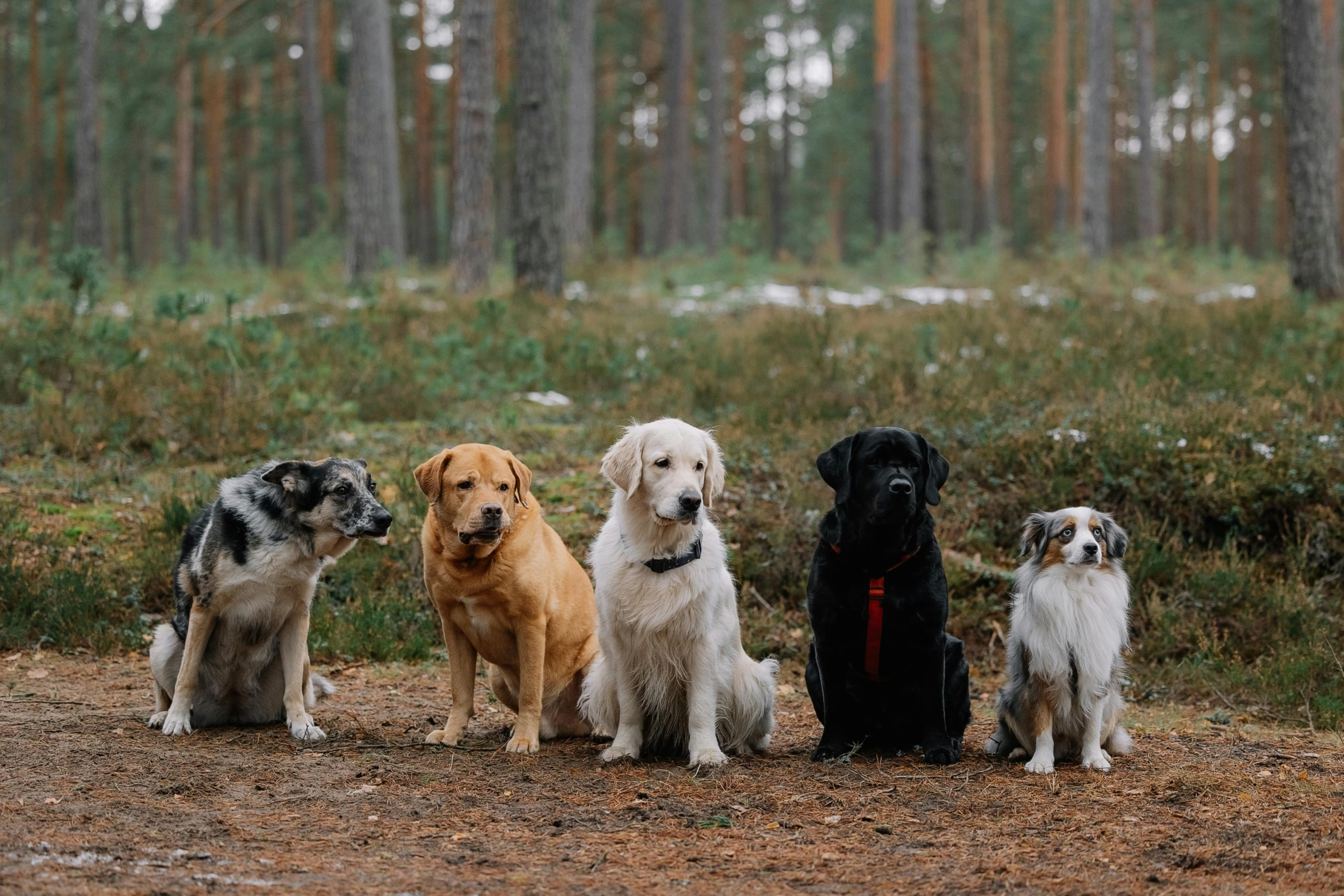
Can Dogs Eat Chia Seeds? Find out if chia seeds dogs safe or are chia seeds bad for dogs. Discover the truth about chia seeds and canine health! Learn the risks & benefits now!
Can Dogs Eat Chia Seeds? A Comprehensive Guide to Chia Seed Safety and Benefits for Your Canine Companion
Are you considering adding chia seeds to your dog’s diet? This comprehensive guide explores the question: Can dogs eat chia seeds? We’ll delve into the safety aspects, potential benefits, and crucial considerations to ensure your furry friend enjoys the nutritional perks without any risks.
Are Chia Seeds Safe for Dogs?
The short answer is: yes, generally, chia seeds are safe for dogs in moderation. However, “moderation” is key. Like any new food introduction, starting slowly and monitoring your dog’s reaction is crucial. While chia seeds offer several potential health advantages, consuming excessive amounts can lead to digestive upset and other complications. Always consult your veterinarian before making significant dietary changes, especially if your dog has pre-existing health conditions. Remember, even seemingly healthy foods can trigger allergies or interact negatively with medications your dog might be taking. For example, if your canine companion requires regular vaccinations such as the canine distemper vaccine or canine bordetella vaccine, you should discuss dietary supplements with your vet. Understanding preventative care, such as knowing what a canine DHPP vaccine is and understanding your dog’s health needs is important.
Chia Seeds Dog Benefits: Nutritional Powerhouse for Canines
Chia seeds are tiny nutritional powerhouses packed with essential nutrients beneficial for both humans and dogs. They boast an impressive profile of:
Fiber: Chia seeds are exceptionally high in fiber, which aids in digestion and can help regulate bowel movements. This is especially beneficial for dogs prone to constipation or diarrhea. However, sudden dietary changes can upset your dog’s digestive system, so it’s best to introduce chia seeds gradually. Giving your dog too much of a treat, like those tempting canine carry-outs, can also create a similar issue.
Omega-3 Fatty Acids: These essential fatty acids are crucial for maintaining healthy skin and coat, reducing inflammation, and supporting brain function. Chia seeds are a good source of omega-3s, contributing to your dog’s overall well-being.
Antioxidants: Chia seeds contain various antioxidants that combat free radicals, potentially reducing the risk of cellular damage and supporting a healthy immune system. A strong immune system is vital for preventing illnesses. Knowing about vaccinations like the canine bordetella is another part of caring for your dog’s health.
Protein: Chia seeds provide a decent amount of protein, essential for building and repairing tissues, supporting muscle development, and promoting overall growth in puppies.
Minerals: Chia seeds are a good source of minerals such as manganese, calcium, phosphorus, and magnesium, all vital for various bodily functions.
How to Introduce Chia Seeds to Your Dog’s Diet
Introducing chia seeds to your dog’s diet should be a gradual process. Start with a small amount, perhaps a teaspoon for a small dog and a tablespoon for a large dog, and observe for any adverse reactions. Watch for changes in stool consistency, energy levels, or any digestive upset. If your dog tolerates the initial amount well, you can gradually increase the quantity over several days.
Important Note: Always ensure that your dog has access to plenty of fresh water when consuming chia seeds, as they can absorb significant amounts of liquid. This helps prevent dehydration and ensures proper digestion.
Safe Ways to Incorporate Chia Seeds into Your Dog’s Food
There are several ways to incorporate chia seeds into your dog’s diet safely and appetizingly:
Sprinkle on Food: Simply sprinkle a small amount of chia seeds over your dog’s regular food.
Mix with Yogurt: Mix chia seeds with plain, unsweetened yogurt (ensure it’s xylitol-free, as xylitol is toxic to dogs) for a tasty and nutritious treat.
Make Chia Seed Pudding (for Occasional Treats): You can prepare a small batch of chia seed pudding using water or broth and let it sit to thicken. This can be given as a special treat in moderation.
Add to Homemade Dog Treats: Incorporate chia seeds into homemade dog treats for an added nutritional boost.
Remember, even though chia seeds are safe for dogs, moderation is crucial. Always consult with your veterinarian for personalized guidance on appropriate amounts and how to incorporate them into your dog’s diet effectively.
Potential Side Effects of Excessive Chia Seed Consumption
While chia seeds are safe for dogs in moderation, overfeeding can lead to several potential side effects:
Digestive Upset: Excessive fiber intake can cause diarrhea, vomiting, or other digestive issues.
Dehydration: Chia seeds absorb a lot of water, so inadequate water intake can lead to dehydration.
Blockages: In rare cases, large quantities of chia seeds can cause intestinal blockages, particularly in smaller breeds.
Allergic Reactions: Although rare, some dogs may develop an allergic reaction to chia seeds. Observe your dog closely for any signs of allergy, such as itching, swelling, or difficulty breathing.
Can Dogs Eat Chia Seeds – Addressing Common Concerns
Many pet owners have questions about the safety and efficacy of chia seeds for their furry companions. Here, we’ll tackle some commonly raised concerns.
Q: My dog has a sensitive stomach. Can they still have chia seeds?
A: If your dog has a sensitive stomach, introduce chia seeds very gradually. Start with a tiny amount and monitor their stool closely for any signs of digestive upset. It’s best to consult your veterinarian before adding any new food, especially if your dog has known digestive issues.
Q: Are there any specific breeds that should avoid chia seeds?
A: While there’s no specific breed that should absolutely avoid chia seeds, smaller breeds might be more susceptible to intestinal blockages if they consume excessive amounts.
Q: My dog is on medication. Should I still give them chia seeds?
A: Always consult with your veterinarian before introducing any new food or supplement to your dog’s diet, especially if they are on medication. Some medications may interact with the nutrients in chia seeds.
Conclusion: The Verdict on Can Dogs Eat Chia Seeds?
So, can dogs eat chia seeds? The answer is a qualified yes. Chia seeds are safe for dogs when fed in moderation and as part of a balanced diet. They offer numerous health benefits, including improved digestion, a healthier coat, and potential immune system support. However, always prioritize a gradual introduction, closely monitor your dog for any adverse reactions, and consult your veterinarian for personalized guidance. Remember, responsible pet ownership involves making informed decisions about your dog’s nutrition.
Remember to always consult your veterinarian before making any significant changes to your dog’s diet. For further reading on canine health, you can explore resources such as the American Kennel Club (AKC) and the Veterinary Information Network (VIN). For more information on other aspects of canine health and wellness you can also visit the following links: American Veterinary Medical Association, and the Centers for Disease Control and Prevention (CDC).
Now, we want to hear from you! Share your experiences with feeding chia seeds to your dog in the comments below. Did you notice any benefits? Did your dog tolerate them well? Let’s create a helpful community resource for pet owners interested in incorporating chia seeds into their canine companions’ diets.

Frequently Asked Questions: Can Dogs Eat Chia Seeds?
Here are some frequently asked questions about chia seeds and dogs:
1. Can dogs eat chia seeds?
Yes, dogs can eat chia seeds, but in moderation. While chia seeds aren’t toxic to dogs, feeding them large quantities can lead to digestive upset. Always introduce new foods gradually to monitor your dog’s reaction. Are chia seeds safe for dogs? Generally, yes, in small amounts.
2. Are chia seeds safe for dogs?
Are chia seeds safe for dogs? Yes, generally, as long as they’re given in moderation and your dog doesn’t have any underlying health conditions. However, overconsumption can cause digestive issues like diarrhea or constipation. Always consult your veterinarian before introducing new foods, especially if your dog has pre-existing health problems, like allergies or sensitivities. Just like with any new food, introducing chia seeds gradually is key. For a better understanding of canine health, learn more about the Canine DHPP vaccine [https://pupquotes.com/blog/what-is-canine-dhpp-vaccine/].
3. What are the benefits of chia seeds for dogs?
Chia seeds are a good source of fiber, omega-3 fatty acids, and antioxidants. Chia seeds dog benefits include improved digestion and a healthier coat. However, remember moderation is key. Too many chia seeds can have the opposite effect.
4. How many chia seeds can I give my dog?
The amount of chia seeds you should give your dog depends on their size and weight. A small teaspoon for a small dog and a tablespoon for a large dog is a reasonable starting point. Always start with a small amount and monitor their stool for any changes. Never substitute chia seeds for a balanced diet.
5. Can chia seeds cause digestive problems in dogs?
Yes, excessive amounts of chia seeds can cause digestive upset in dogs, leading to diarrhea or constipation. This is because chia seeds absorb a lot of water, which can affect their stool consistency.
6. My dog ate a lot of chia seeds, should I be worried?
If your dog has consumed a large quantity of chia seeds, monitor them closely for any signs of digestive distress such as vomiting, diarrhea, or lethargy. If you notice any concerning symptoms, contact your veterinarian immediately. Regular checkups, including vaccinations like the Canine Bordetella vaccine [https://pupquotes.com/blog/what-is-canine-bordetella-vaccine/], are also crucial for your dog’s well-being.
7. Can I give my dog chia seeds every day?
While chia seeds offer some health benefits, it’s not recommended to give them to your dog every day. A few times a week is sufficient to reap the benefits without risking digestive upset. A balanced diet is key for your canine friend’s health and happiness.
8. Are chia seeds better than other dog treats?
Chia seeds shouldn’t replace a balanced diet or other dog treats. They’re a supplement, offering additional nutrients. They’re not a replacement for regular food or treats. For example, you should ensure your dog receives proper vaccinations like the Canine Distemper vaccine [https://pupquotes.com/blog/what-is-the-canine-distemper-vaccine/].
9. My dog has allergies, can he eat chia seeds?
If your dog has allergies, it’s best to introduce chia seeds very cautiously and in tiny amounts. Monitor them closely for any allergic reactions, such as skin irritation or itching. Consult your veterinarian before introducing chia seeds or any new food to your dog’s diet. Understanding Canine Bordetella [https://pupquotes.com/blog/what-is-canine-bordetella/] and its prevention is also important for your dog’s health.
10. Where can I buy chia seeds for my dog?
You can purchase chia seeds at most pet stores, grocery stores, or online retailers. Make sure to buy human-grade chia seeds, avoiding those intended for animals as these may contain additives that are not suitable for your pet. For added insights into canine nutrition, you might find it helpful to learn about the importance of proper canine nutrition, possibly even exploring if canine carry-outs are good for dogs [https://pupquotes.com/blog/are-canine-carry-outs-good-for-dogs/].

Can Dogs Eat Chia Seeds? A Guide for Pet Owners
Chia seeds have become increasingly popular as a superfood for humans, but are they safe for our canine companions? The answer is a cautious yes, but with important considerations. While chia seeds offer some nutritional benefits for dogs, they also present potential risks if not fed correctly.
Nutritional Benefits of Chia Seeds for Dogs
Chia seeds are a good source of fiber, omega-3 fatty acids, and antioxidants. Fiber can aid in digestion and help regulate bowel movements, which is particularly beneficial for dogs prone to constipation. Omega-3s are essential for maintaining healthy skin and coat, and can even contribute to reducing inflammation. Antioxidants help protect cells from damage. However, it’s crucial to remember that a balanced commercial dog food already provides many of these nutrients. Supplementation should be done cautiously and under veterinary guidance.
Potential Risks and Health Considerations
Despite their benefits, several factors need careful consideration before including chia seeds in your dog’s diet.
Bloating: Chia seeds absorb significant amounts of water, expanding in the stomach. This can lead to bloating, especially in large quantities, potentially causing discomfort or even gastric distress. Always introduce chia seeds gradually to allow your dog’s digestive system to adjust. This is particularly important for dogs with pre-existing digestive issues.
Choking Hazard: Whole chia seeds can pose a choking hazard, especially for smaller breeds. Grinding the seeds into a powder before feeding minimizes this risk.
Water Intake: Because chia seeds absorb water, ensure your dog has access to plenty of fresh water. Dehydration can be a serious concern if not properly managed.
Interactions with Medications: Chia seeds can interact with certain medications. If your dog is on any medication, consult your veterinarian before introducing chia seeds into their diet. This is especially important if your dog has received its canine DHPP vaccine or any other vaccinations recently, or if it’s recovering from illnesses like canine Bordetella or needs to receive the canine Bordetella vaccine or the canine distemper vaccine.
Allergic Reactions: While rare, some dogs may be allergic to chia seeds. Introduce them slowly and monitor your dog for any signs of an allergic reaction, such as itching, vomiting, or diarrhea.
How to Introduce Chia Seeds to Your Dog’s Diet
If you decide to incorporate chia seeds, start with a very small amount, perhaps a teaspoon for a large dog, mixed into their food. Gradually increase the amount over several days, carefully monitoring for any adverse reactions. Always grind the seeds into a powder before feeding to avoid choking hazards. Never replace a balanced dog food with chia seeds. Consider consulting your veterinarian to discuss appropriate quantities and potential interactions with your dog’s specific health needs and pre-existing conditions.
Remember, always prioritize your dog’s health and well-being. While chia seeds can offer some nutritional benefits, a balanced diet and regular veterinary care remain essential. Be wary of relying on treats or supplements as a major part of your dog’s nutrition; remember what we’ve discussed concerning canine carry-outs.
Can Dogs Eat Chia Seeds, chia seeds dogs safe, are chia seeds bad for dogs