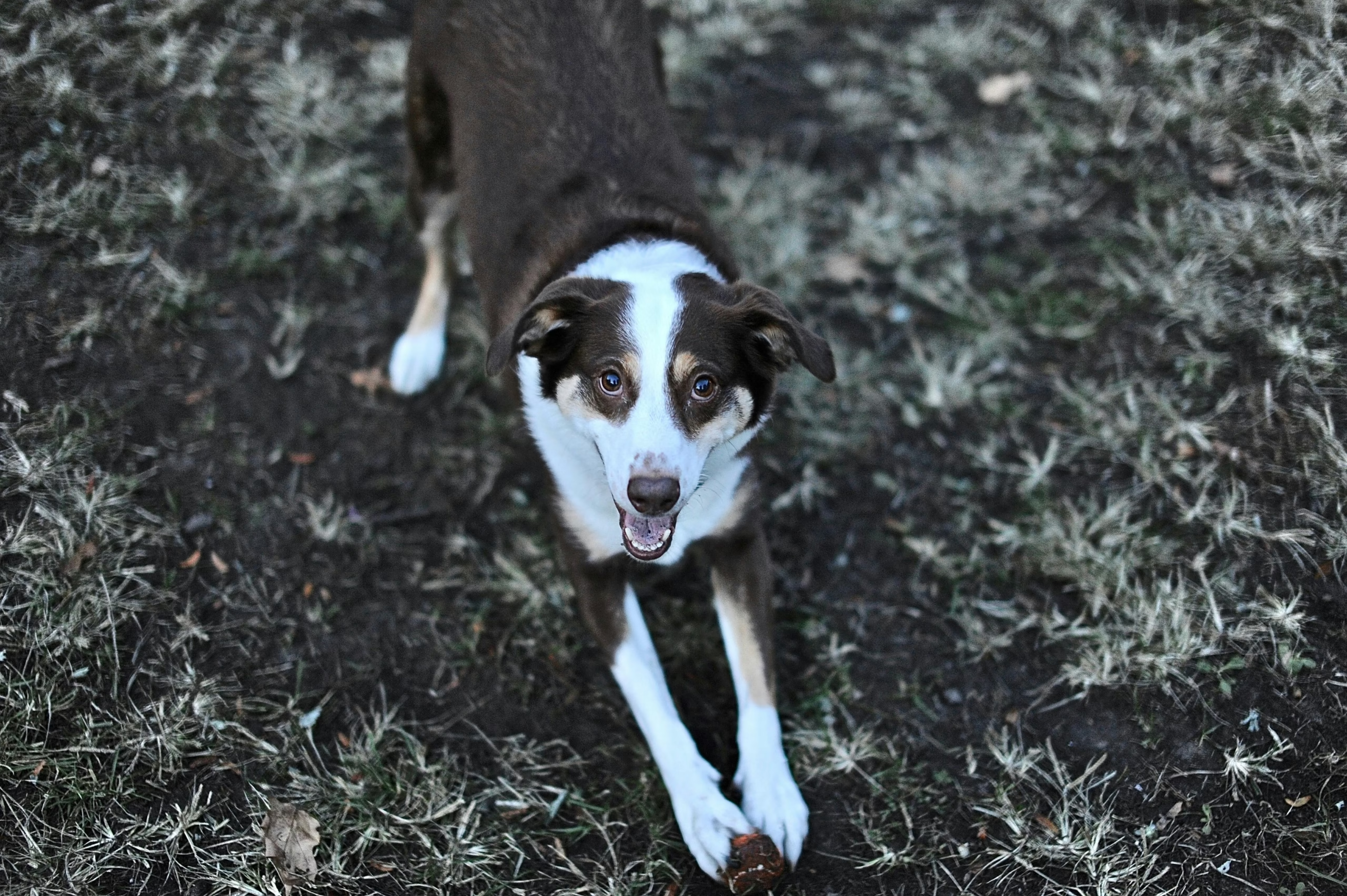
Can Dogs Eat Chicken Bones? Are chicken bones safe for dogs? Discover the chicken bone dangers for dogs & learn the truth about feeding your pup cooked or raw chicken bones. Find out now!
Can Dogs Eat Chicken Bones? A Comprehensive Guide
The question, “Can dogs eat chicken bones?” is a frequently asked one among dog owners. The short answer is complex: it depends. While the idea of giving your furry friend a tasty chicken bone might seem harmless, the reality is that chicken bones for dogs can pose significant risks. This comprehensive guide will explore the dangers, benefits (if any), and safe alternatives to satisfy your dog’s chewing needs.
Are Chicken Bones Bad for Dogs? Understanding the Risks
The primary concern regarding chicken bones for dogs lies in their structure. Unlike larger, denser bones from beef or lamb, chicken bones are brittle and splinter easily. These sharp fragments can cause serious internal injuries if ingested.
Imagine your dog happily crunching on a seemingly harmless chicken bone. Those tiny, sharp splinters can pierce the esophagus, stomach, or intestines, leading to:
- Internal injuries: These can range from minor cuts and abrasions to life-threatening perforations.
- Obstructions: Bone fragments can get lodged in the digestive tract, causing blockages that require veterinary intervention. This often necessitates surgery to remove the obstruction.
- Infections: Wounds caused by splinters can become infected, leading to further complications.
- Dental problems: While not directly related to splintering, the sharp edges of chicken bones can damage your dog’s teeth, especially their delicate canine teeth. Learning more about your dog’s teeth development, from when canine teeth erupt in the horse to when do canine teeth fall out, can help you understand their vulnerability even further. You can also discover how to make your canine teeth less sharper at https://pupquotes.com/blog/how-to-make-your-canine-teeth-less-sharper/.
These risks are significantly higher for smaller dogs due to their smaller digestive systems. Larger dogs might be able to pass smaller fragments without serious consequences, but the risk remains.
Cooked vs. Raw Chicken Bones for Dogs: Is There a Difference?
The myth that cooked chicken bones are safer than raw bones persists. However, cooking makes chicken bones even more brittle and prone to splintering, increasing the risk of injury. Raw bones, while still posing a risk, are slightly less likely to shatter into numerous sharp pieces. However, the safest approach is to avoid chicken bones altogether.
Safe Alternatives to Chicken Bones for Dogs
Satisfying your dog’s chewing instincts is crucial for their dental health and overall well-being. Instead of risking injury with chicken bones for dogs, consider these safer options:
Dog chews: Commercially available chew toys are specifically designed to withstand chewing and are made from durable, non-toxic materials. These range from durable rubber to nylon and even natural options like bully sticks.
Rawhide chews: These provide a long-lasting chew, but always ensure they are from reputable sources to avoid potential health risks. Check out a guide on Canine Carry Outs and whether they are good for your dog.
Frozen Kong toys: Fill a Kong toy with peanut butter or other dog-friendly treats and freeze it. This provides a mentally stimulating and long-lasting chew.
Nylabones: These are strong, durable chew toys specifically designed to help maintain dental hygiene.
Can Dogs Eat Chicken Bones? The Verdict
To reiterate, the answer to “Can dogs eat chicken bones?” is a resounding no. The risks far outweigh any potential benefits. While the occasional small, cooked bone fragment might not cause immediate harm, the likelihood of serious injury is too great to take the chance.
Remember that even if your dog has previously eaten chicken bones without apparent issues, that doesn’t guarantee future safety. The potential for serious injury always exists. The consequences of ignoring this risk can be costly both financially (through veterinary bills) and emotionally (due to the potential for suffering and even loss of your pet).
Understanding the anatomy of canine teeth is also vital in this context. The size and sharpness of a dog’s canine teeth can influence how they handle bones. While it’s tempting to satisfy your dog with a readily available chicken bone, there are a lot of other factors to consider. The information regarding what predator has the largest canine teeth might be of interest to you as it highlights the importance of strong, well-maintained teeth – but certainly, not from chicken bones https://pupquotes.com/blog/what-predator-has-the-largest-canine-teeth/.
Addressing Specific Concerns About Chicken Bones and Dogs
Many dog owners wonder about specific scenarios involving chicken bones. Let’s tackle some common questions:
What about small pieces of cooked chicken bones? Even small fragments can still splinter and cause damage. It’s best to err on the side of caution.
My dog ate a chicken bone, what should I do? Monitor your dog closely for signs of distress such as vomiting, diarrhea, lethargy, or loss of appetite. If you notice any concerning symptoms, contact your veterinarian immediately.
Are there any types of chicken bones that are safer than others? No. All chicken bones carry a significant risk of splintering and causing internal damage.
Further Resources for Responsible Dog Ownership
For more in-depth information on dog health and nutrition, you can consult these reputable sources:
- The American Veterinary Medical Association (AVMA): [Insert AVMA link here – replace this with an actual link to a relevant AVMA page on dog nutrition or health.]
- The American Kennel Club (AKC): [Insert AKC link here – replace this with an actual link to a relevant AKC page on dog health or nutrition.]
These organizations provide valuable resources and expert advice on various aspects of canine care.
Conclusion: Prioritize Your Dog’s Safety
Avoid giving your dog chicken bones. The risks of internal injuries, obstructions, and infections far outweigh any perceived benefits. There are many safe and enjoyable alternatives available to satisfy your dog’s chewing needs. Prioritize your dog’s health and well-being by choosing safe chews and avoiding the temptation of chicken bones.
We encourage you to share your experiences and comments below. Have you ever had to deal with a dog ingesting chicken bones? What alternative chews have you found successful? Let’s learn from each other and keep our canine companions safe!

Frequently Asked Questions: Can Dogs Eat Chicken Bones?
1. Can dogs eat chicken bones?
No, generally speaking, dogs should not eat chicken bones. While the occasional small, soft piece of cooked chicken bone might not cause immediate harm, the risk of splintering and causing internal injuries is significant. Are chicken bones bad for dogs? Yes, they are a serious choking hazard and can puncture the digestive tract.
2. Are cooked chicken bones safer than raw chicken bones for dogs?
No. While raw chicken bones might be slightly more flexible, both cooked and raw chicken bones pose a danger to your dog. Cooked chicken bones are more brittle and splinter easily, increasing the risk of injury.
3. Are chicken bones for dogs ever okay?
There are virtually no circumstances where offering chicken bones to your dog is advisable. The potential harm far outweighs any perceived benefit. If your dog is craving a chew, consider safer alternatives like tough, appropriate chew toys.
4. My dog ate a chicken bone, what should I do?
If you know your dog has ingested a chicken bone, monitor them closely for signs of distress, such as vomiting, lethargy, or loss of appetite. Contact your veterinarian immediately; prompt veterinary attention may be crucial.
5. What are the risks of giving my dog chicken bones?
The main risks associated with chicken bones for dogs are choking, internal injuries from splinters, and intestinal blockages. These can lead to costly and painful veterinary procedures. Remember, even small bones can pose a significant threat.
6. Are there any types of chicken bones that are safe for dogs to eat?
No, there are no types of chicken bones considered safe for dogs to consume. This applies to all sizes and cooking methods.
7. My puppy ate a chicken bone, is that different?
Even puppies, with their developing digestive systems and potentially less-developed canine teeth, are at risk from chicken bones. The potential for internal injury is still very high.
8. My dog loves to chew. What are some safe alternatives to chicken bones?
Instead of risking your dog’s health with chicken bones, provide them with appropriate chew toys designed for their size and breed. Consider consulting with your vet or a pet professional.
9. How can I prevent my dog from eating chicken bones?
Supervise your dog closely when handling or eating chicken. Dispose of chicken bones carefully and out of your dog’s reach. Train your dog with positive reinforcement methods to leave food items alone when instructed.
10. Are there any other bones dogs can safely eat?
While some large, raw, meaty bones (like beef knuckle bones) are sometimes given to dogs under veterinary supervision, the safest approach is to avoid all bones entirely. The risk of injury always remains and safer chews are readily available. For information on canine teeth and their care, see how to make your canine teeth less sharper. Learn more about canine carry-outs and responsible pet ownership. Understanding your dog’s chewing habits is crucial, particularly in relation to their canine teeth. The information about the largest canine teeth in the animal kingdom is interesting but irrelevant to dog safety.

Can Dogs Eat Chicken Bones? A Guide to Safety and Health
The question of whether dogs can eat chicken bones is a common one, and the answer is a nuanced “sometimes, but with extreme caution.” While some believe chicken bones provide beneficial chewing, the risks significantly outweigh the rewards. Let’s delve into the details.
The Dangers of Chicken Bones
Raw chicken bones, particularly those that are cooked, pose several significant dangers to your canine companion:
Splintering: Cooked chicken bones are brittle and easily splinter into sharp fragments. These fragments can pierce the dog’s mouth, throat, esophagus, or intestines, causing severe pain, internal bleeding, and potentially life-threatening infections. Even seemingly harmless pieces can cause serious injury. This risk increases dramatically depending on the size of your dog and the size of the bone fragments.
Choking: Larger pieces of bone can easily become lodged in the throat, causing choking and respiratory distress. This is particularly true for smaller dog breeds or puppies. You should be aware of your dog’s age and the size and shape of their mouth when do canine teeth erupt in the horse.
Digestive Obstruction: Even if swallowed whole, bones can cause blockages in the digestive tract. This requires veterinary intervention, which can be costly and stressful for both you and your pet. The severity depends on your dog’s size and the bone’s size and shape, and may even require surgical intervention.
Dental Damage: While chewing bones might seem to help clean their teeth, the sharp edges and potential splintering can easily damage their delicate dental enamel and gums, leading to infection and discomfort. Remember to consider your dog’s dental health and how to manage any potential damage how to make your canine teeth less sharper.
Safer Alternatives for Chewing
If your dog enjoys chewing, there are many safer alternatives to chicken bones:
Commercial Chew Toys: These come in a variety of shapes, sizes, and durabilities to suit different breeds and chewing styles.
Dental Chews: These are designed to help clean teeth and provide mental stimulation.
Raw Bones (with Caution): Raw, meaty bones from larger animals (like beef marrow bones) are generally considered safer than cooked chicken bones due to their greater flexibility. Always supervise your dog carefully when providing any bones and consider their size when offering bones are canine carry-outs good for dogs.
Health Considerations
Regularly assess your dog’s teeth. When do canine teeth fall out and any related concerns can impact the safety and advisability of giving your dog any kind of bone at all. If you’re uncertain about the size or type of bones and their impact on your dog’s jaw or teeth what predator has the largest canine teeth, consult your veterinarian.
In summary: While the instinct to provide chicken bones might seem natural, the risks are simply too high. Opt for safer alternatives to keep your furry friend healthy and happy. Always prioritize your dog’s safety and wellbeing.
Can Dogs Eat Chicken Bones, are chicken bones safe for dogs, chicken bone dangers for dogs