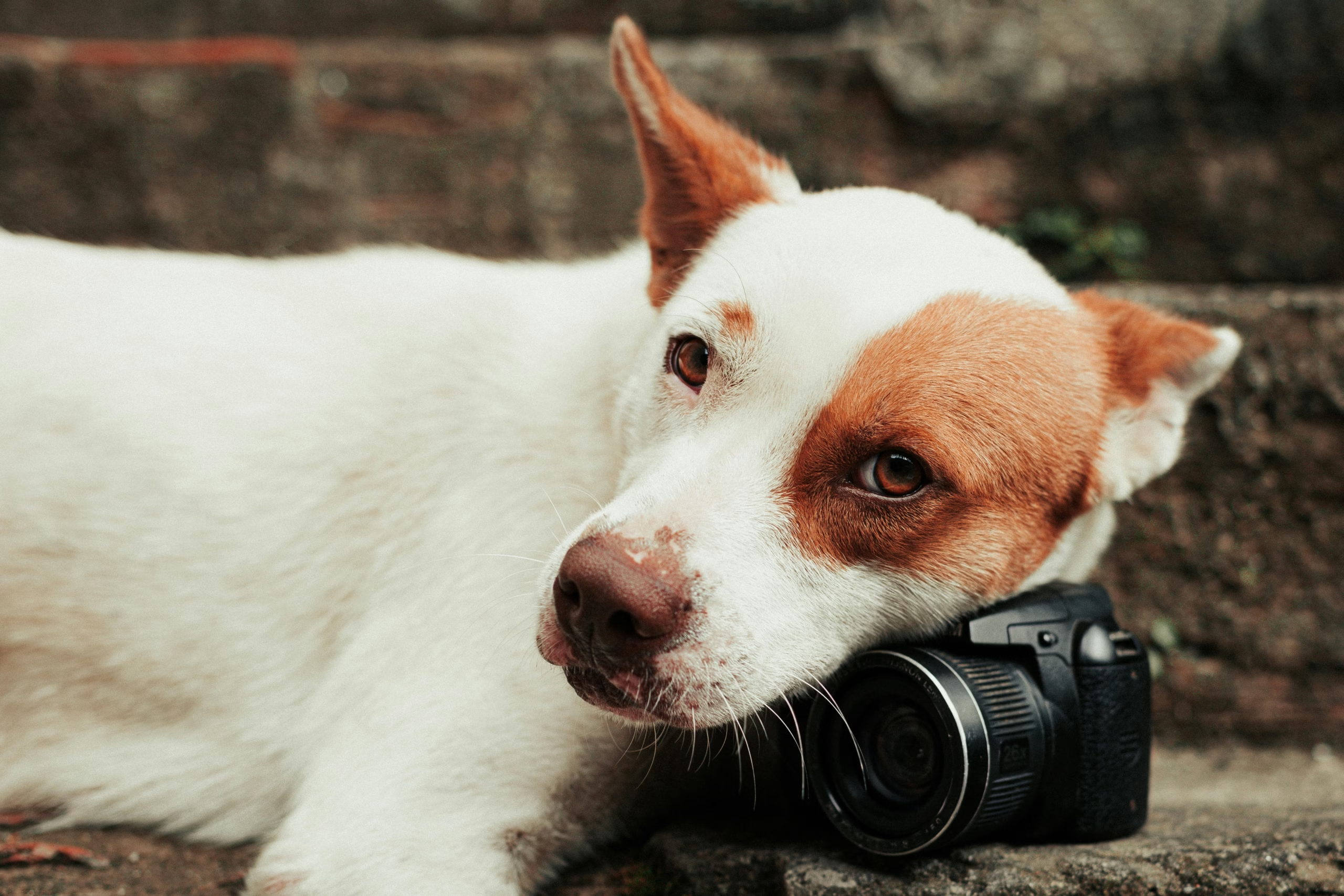
Can Dogs Eat Pork Bones? Find out if pork bones are safe for dogs or are pork bones bad for dogs. Discover the risks & benefits! Learn the truth about feeding your pup pork bones.
Can Dogs Eat Pork Bones? A Comprehensive Guide
Many dog owners love the idea of giving their furry friends a tasty, natural chew. Pork bones often come to mind, but the question remains: Can dogs eat pork bones? The short answer is complex, and it depends heavily on several factors. This comprehensive guide will explore the safety of pork bones for dogs, weighing the benefits against the risks, and helping you make informed decisions for your canine companion.
Are Pork Bones Safe for Dogs? The Risks and Rewards
While the act of chewing on bones can provide several benefits for dogs, like cleaning their teeth and satisfying their natural chewing instincts, pork bones dogs can consume present unique challenges. The biggest concern revolves around the risk of splintering. Pork bones, unlike beef or lamb bones, are often more brittle and prone to shattering into sharp fragments. These splinters can cause serious internal injuries, leading to:
- Internal organ damage: Swallowed splinters can puncture the stomach, intestines, or other vital organs, leading to severe pain, infection, and potentially life-threatening complications.
- Choking hazards: Larger pieces of bone can cause a dog to choke, requiring immediate veterinary intervention.
- Tooth breakage: Chewing on hard bones can chip or break a dog’s teeth, leading to painful infections and expensive veterinary bills. Remember, even a seemingly healthy dog’s teeth can weaken over time. To learn more about canine teeth, check out our article on when canine teeth erupt in puppies: https://pupquotes.com/blog/when-do-canine-teeth-erupt-in-the-horse/. And if you’re curious about when a dog’s baby teeth fall out, this article is for you: https://pupquotes.com/blog/when-do-canine-teeth-fall-out/.
Another factor to consider is the cooking process. Cooked pork bones are significantly more brittle than raw bones, increasing the risk of splintering. Raw bones, while still potentially dangerous, are generally less likely to shatter. However, raw bones carry their own set of risks, including bacterial contamination.
Can Dogs Eat Pork Bones? A Detailed Analysis of Bone Types
The type of pork bone significantly impacts its safety for dogs. For example, small, thin bones like ribs are much more likely to splinter than larger, denser bones like femurs. Therefore, offering a dog a whole pork chop bone is far riskier than giving them a large, meaty femur bone. Even then, supervision is crucial.
Remember, every dog is different. A large, powerful dog with strong jaws might handle a larger bone better than a small, delicate breed. However, even large dogs can still suffer from bone splinters. Consider your dog’s size, chewing habits, and overall strength before ever considering offering them a pork bone.
Safer Alternatives to Pork Bones for Dogs
Given the significant risks associated with pork bones dogs may consume, it’s essential to explore safer alternatives for satisfying their chewing needs. Many excellent options exist, including:
- Beef bones: Generally denser and less likely to splinter than pork bones.
- Lamb bones: Similar to beef bones in terms of density and safety.
- Commercial dog chews: A wide variety of durable and safe chews are available at pet stores, designed to meet different chewing needs and preferences. These often offer the added benefit of being digestible, unlike bones.
- Dental chews: Specifically formulated to promote dental health and satisfy chewing instincts.
- Nylabones: These durable synthetic bones offer a safe and long-lasting chewing experience.
Considering the potential dangers, it’s important to consider other ways to cater to your dog’s chewing habits. You might enjoy our blog post discussing the pros and cons of canine carry outs: https://pupquotes.com/blog/are-canine-carry-outs-good-for-dogs/.
Are Pork Bones Safe for Dogs? Supervised Chewing and Responsible Ownership
Even with safer bone choices, constant supervision is crucial when your dog is chewing on any bone. Remove the bone if it becomes significantly smaller or shows signs of splintering. Never leave your dog unsupervised with a bone, especially during nighttime. Regular veterinary check-ups are also essential to monitor your dog’s dental health and overall well-being. Knowing the signs of dental issues will help you take swift action if problems occur.
For a completely different perspective on canines, check out our article on the predator with the largest canine teeth: https://pupquotes.com/blog/what-predator-has-the-largest-canine-teeth/. And for a fun read, consider this article about a luxurious country canine resort: https://pupquotes.com/blog/a-country-canine-resort/.
Understanding the Risks: A Veterinary Perspective
Veterinarians generally advise against giving dogs pork bones due to the high risk of splintering and subsequent internal injuries. The American Veterinary Medical Association (AVMA) advocates for safe chewing options and emphasizes the importance of responsible pet ownership, including mindful bone selection. For more detailed information, you can consult the AVMA website. (Insert external link to AVMA resource on dog health here).
Another credible source, the ASPCA (American Society for the Prevention of Cruelty to Animals), also provides comprehensive guidelines on safe dog treats and toys. (Insert external link to ASPCA resource on safe dog chews here). Their website offers a wealth of information for responsible pet ownership.
The potential for serious complications resulting from bone splinters necessitates careful consideration. The cost of veterinary care for internal injuries significantly outweighs the perceived benefit of giving a dog a pork bone.
Conclusion: Making the Right Choice for Your Canine Companion
Ultimately, the decision of whether or not to give your dog pork bones rests on understanding the associated risks. While chewing bones offers certain benefits, the high probability of splintering and consequent internal damage makes it a risky proposition. Safer alternatives exist, offering similar benefits without the potential for severe health consequences. Prioritize your dog’s health and well-being by choosing safe and appropriate chew toys.
We encourage you to share your experiences and opinions in the comments section below. Have you ever given your dog a pork bone? What were your experiences? Let’s discuss the safety of pork bones for dogs and help other pet owners make informed choices. Remember to use relevant keywords like “can dogs eat pork bones,” “pork bones dogs,” and “are pork bones safe for dogs” in your comments.

Frequently Asked Questions: Can Dogs Eat Pork Bones?
1. Can dogs eat pork bones?
No, generally speaking, it’s not recommended that you feed your dog pork bones. While the question “Can dogs eat pork bones?” is common, the answer is often a cautious no. Pork bones are more brittle than beef bones and splinter easily, posing a significant choking hazard and potentially causing internal injuries. This risk outweighs any potential benefit.
2. Are pork bones safe for dogs?
Are pork bones safe for dogs? The answer is largely no. While some dogs might tolerate them without incident, the risk of splintering and subsequent internal damage makes pork bones a risky choice. Always prioritize your dog’s safety and opt for safer chews.
3. What are the dangers of giving my dog pork bones?
The primary danger of giving pork bones dogs is the risk of splinters. These sharp fragments can puncture the mouth, esophagus, or stomach, leading to serious injury, infection, or even death. This is why the question “Can dogs eat pork bones?” should be answered with careful consideration of the potential risks.
4. Are cooked pork bones safer than raw pork bones for dogs?
No, cooked pork bones are even more dangerous than raw pork bones. The cooking process makes them more brittle and prone to splintering. Avoid giving your dog any type of pork bone.
5. What are some safe alternatives to pork bones for dogs?
Instead of risking the dangers associated with the question “Can dogs eat pork bones?”, offer your dog safer chews like Nylabones, bully sticks, or large beef marrow bones (ensure they’re from a reputable source and supervised). You can learn more about appropriate dog treats at https://pupquotes.com/blog/are-canine-carry-outs-good-for-dogs/.
6. My dog ate a pork bone, what should I do?
If your dog has already ingested a pork bone, monitor them closely for signs of distress such as vomiting, lethargy, or loss of appetite. If you notice any unusual symptoms, contact your veterinarian immediately.
7. Are all types of bones dangerous for dogs?
No, not all bones are equally dangerous. Large, raw beef bones are generally considered safer than pork bones, though always supervise your dog while they chew. Learn more about canine teeth at https://pupquotes.com/blog/when-do-canine-teeth-fall-out/ and https://pupquotes.com/blog/when-do-canine-teeth-erupt-in-the-horse/ for better understanding of their dental health.
8. Can puppies eat pork bones?
Absolutely not. Puppies have developing teeth and digestive systems, making them even more vulnerable to the dangers of splintering pork bones dogs may encounter.
9. What other foods should I avoid giving my dog?
Besides pork bones, avoid giving your dog chocolate, grapes, raisins, onions, garlic, xylitol (artificial sweetener), and macadamia nuts. These can be toxic.
10. Where can I find more information about dog care?
For more information about dog care and responsible pet ownership, you can check out resources such as your veterinarian or reputable online sources. And if you are considering a canine resort, you might be interested in https://pupquotes.com/blog/a-country-canine-resort/. For further interesting information on canines, check out https://pupquotes.com/blog/what-predator-has-the-largest-canine-teeth/.

Can Dogs Eat Pork Bones? A Guide to Safe Snacking
Giving your dog a bone can be a fun and enriching experience, but choosing the right type is crucial for their safety and well-being. Pork bones, while tempting, present some specific health considerations. Let’s explore the pros and cons.
Potential Benefits
One potential benefit is the chewing action itself. Chewing on a bone can help clean teeth and satisfy a dog’s natural instinct. This is especially relevant for puppies, whose teeth are developing (learn more about when canine teeth erupt in puppies here: when do canine teeth erupt in the horse). However, the benefits must be weighed against the risks.
Significant Risks and Health Considerations
Splintering: Cooked pork bones are significantly more brittle than raw bones and are prone to splintering. These splinters can get lodged in your dog’s throat, causing choking, or puncture their digestive tract, leading to serious internal injuries and requiring veterinary intervention. This risk significantly outweighs any potential benefit.
Bacterial Contamination: Pork bones, like any raw meat, can carry bacteria such as Salmonella or E. coli. These bacteria can cause serious illness in dogs. Thorough cooking reduces this risk but doesn’t eliminate it.
Dental Issues: While chewing can be beneficial, large or hard bone fragments can damage a dog’s teeth. This is particularly relevant as your dog ages and their teeth might not be as strong. For information about canine teeth loss, refer to our article on when canine teeth fall out.
Pancreatitis: The high fat content in pork bones can contribute to pancreatitis, a serious and potentially life-threatening inflammation of the pancreas.
Constipation: Large bone fragments can cause constipation or intestinal blockages.
Safer Alternatives to Pork Bones
Instead of pork bones, consider safer alternatives like:
- Raw, meaty bones (from larger animals): These are less likely to splinter but still require supervision.
- Commercial dog chews: Designed to be durable and digestible, these minimize the risks associated with bones. Consider that even these require responsible use and observation. Learn more about responsible feeding and canine carry-outs at are canine carry-outs good for dogs?.
Conclusion
While the idea of giving your furry friend a pork bone might seem appealing, the risks associated with splintering, bacterial contamination, and pancreatitis far outweigh any potential benefits. Opting for safer alternatives ensures the well-being of your beloved pet. If you’re looking for a fun and engaging experience for your dog, consider a stay at a country canine resort, where they can enjoy supervised playtime and activities. Always prioritize your dog’s health and safety. If you have any concerns about your dog’s diet or behavior, consult your veterinarian. Remember, choosing the right chew is crucial, and understanding the potential threats helps you become a responsible pet owner. And for more insights into the world of canines, explore more articles on our blog, including one about the what predator has the largest canine teeth.
Can Dogs Eat Pork Bones, pork bones dogs safe, are pork bones bad for dogs