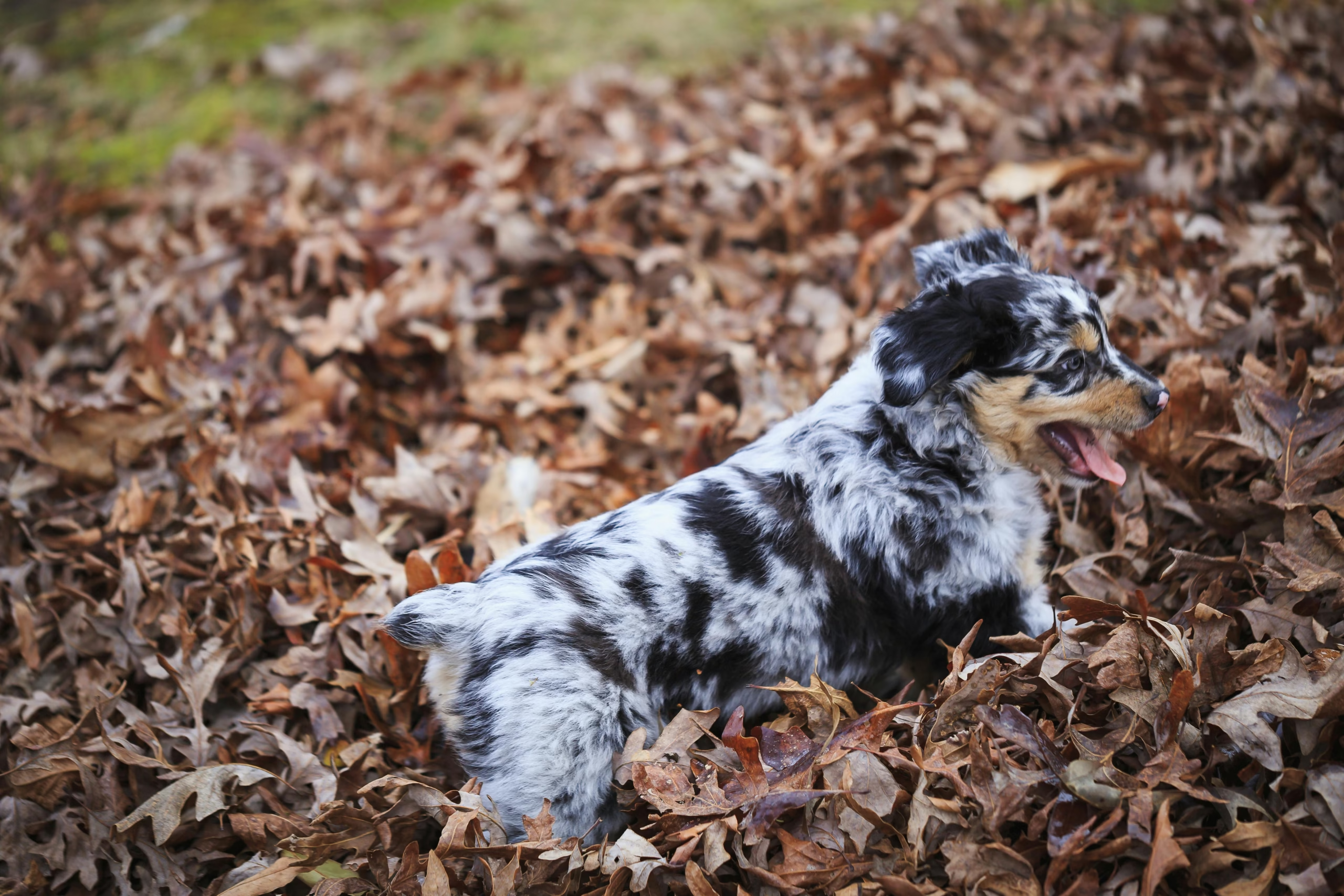
Can Dogs Have Ham Bones? Ham Bones Safe for Dogs? Are Ham Bones Bad for Dogs? Find out the truth about giving your dog ham bones in this informative article! Discover potential risks & safer alternatives. Learn now!
Can Dogs Have Ham Bones? A Comprehensive Guide to Ham Bone Safety for Dogs
Many dog owners wonder, Can dogs have ham bones? The short answer is a cautious “no,” and this article will delve into the reasons why. While the image of a happy dog gnawing on a bone is idyllic, ham bones, in particular, present several significant risks to canine health. Understanding these risks is crucial for responsible pet ownership. This guide will comprehensively address the question “Are Ham Bones Bad For Dogs?” and offer safer alternatives to satisfy your dog’s chewing instincts.
Ham Bones Dogs Safe? Debunking the Myth
The belief that ham bones are a safe treat for dogs is a misconception. While some bones might seem harmless, ham bones pose a unique set of dangers. Their hardness and splintering potential make them a significant threat to your dog’s digestive system and overall well-being. Let’s explore the specific dangers in detail.
The Dangers of Ham Bones for Dogs
Splintering: Ham bones are notoriously brittle. As your dog chews, the bone can easily splinter into sharp fragments. These fragments can cause serious internal injuries, including cuts and punctures to the mouth, throat, esophagus, and stomach. This can lead to severe pain, infections, and even life-threatening obstructions requiring emergency veterinary surgery.
Choking Hazard: Larger pieces of ham bone can easily become lodged in your dog’s throat, causing choking. This is a life-threatening emergency requiring immediate intervention. Even smaller fragments can accumulate and obstruct the digestive tract.
Dental Problems: The hard texture of ham bones can damage your dog’s teeth, leading to cracks, fractures, and periodontal disease. Regular veterinary check-ups are crucial, especially after incidents involving hard bones [learn more about canine vaccines like the DHPP vaccine here: https://pupquotes.com/blog/what-is-canine-dhpp-vaccine/].
Gastrointestinal Issues: Ingesting bone fragments can cause irritation and inflammation of the digestive tract. This can manifest as vomiting, diarrhea, loss of appetite, and abdominal pain. Severe cases may require hospitalization and intensive treatment. Consider the risks carefully before offering any cooked bones. You may even want to opt for alternative dog care services if needed, like at a https://pupquotes.com/blog/a-country-canine-resort/.
Are Ham Bones Bad For Dogs? A Resounding Yes
Based on the dangers outlined above, the answer to “Are Ham Bones Bad For Dogs?” is a definitive yes. The risks far outweigh any potential benefits. Providing ham bones to your dog is simply not worth the potential consequences.
Safer Alternatives to Ham Bones for Chewing
Your dog’s need to chew is natural, so it’s essential to find safe and satisfying alternatives. Here are some better options:
Raw, meaty bones: Unlike cooked bones, raw bones are more flexible and less likely to splinter. However, always supervise your dog while they are chewing on raw bones.
Dental chews: The market offers a wide variety of commercially available dental chews designed to satisfy your dog’s chewing instincts and promote dental health. Look for chews made from durable, non-splintering materials.
Nylabones: These durable nylon bones are designed to withstand intense chewing and can provide your dog with a safe and satisfying outlet for their chewing needs.
Frozen Kong toys: Stuffing a Kong toy with your dog’s favorite treats and freezing it can provide hours of entertainment and mental stimulation.
Tough, durable toys: Many rope toys, plush toys, and other durable chew toys can provide a safe alternative to ham bones. Always supervise your dog with toys to ensure they don’t ingest pieces.
Understanding Canine Health: Prevention is Key
Responsible pet ownership includes being aware of potential hazards and taking preventative measures. Just as you’d ensure your dog receives their necessary vaccinations [learn more about the Bordetella vaccine here: https://pupquotes.com/blog/what-is-canine-bordetella-vaccine/], you must also be mindful of what they consume. Providing safe and appropriate chews is a crucial aspect of preventative care.
If your dog accidentally ingests a ham bone or shows any signs of digestive distress, such as vomiting, diarrhea, or lethargy, contact your veterinarian immediately. Early intervention can significantly improve the outcome. Remember, responsible dog ownership is all about making informed choices to ensure your furry friend’s health and well-being. [Learn about canine carry-outs here: https://pupquotes.com/blog/are-canine-carry-outs-good-for-dogs/]
Additional Resources on Canine Health
For further information on canine health, please refer to these reputable resources:
The American Veterinary Medical Association (AVMA): [Link to AVMA website – replace with actual link] – This website offers comprehensive information on various aspects of canine health.
The American Society for the Prevention of Cruelty to Animals (ASPCA): [Link to ASPCA website – replace with actual link] – Provides valuable resources on pet care, including information on toxic substances and safe food practices.
Understanding the potential risks of giving ham bones to dogs is paramount. Knowing the answer to “Can Dogs Have Ham Bones?” is only half the battle; acting on that knowledge is what truly counts. By choosing safe and appropriate alternatives and being vigilant, you can ensure the health and happiness of your canine companion. Remember, it’s always better to err on the side of caution when it comes to your dog’s health. [Learn more about zoonotic diseases, like can humans get canine distemper? https://pupquotes.com/blog/can-humans-get-canine-distemper/]
Share Your Experiences
Have you had any experiences with your dog and bones? Share your stories and tips in the comments below! Let’s create a community of responsible dog owners committed to canine safety and well-being. Use keywords like “Ham Bones Dogs Safe,” “Can Dogs Have Ham Bones?,” and “Are Ham Bones Bad For Dogs?” in your comments.

Frequently Asked Questions: Can Dogs Have Ham Bones?
1. Can dogs have ham bones?
No, dogs generally shouldn’t have ham bones. While the thought of giving your pup a tasty ham bone might seem appealing, the risks outweigh the benefits. Ham bones are brittle and can splinter easily, causing internal injuries like cuts to the mouth, throat, or intestines. This makes the question “Are ham bones bad for dogs?” a resounding yes.
2. Are ham bones bad for dogs?
Yes, ham bones are considered bad for dogs. The risk of splintering and causing internal damage is very high. Even cooked ham bones are dangerous. For safer alternatives, consider giving your dog other appropriate chew toys. Learning about responsible dog care is vital, and understanding what treats are safe is a crucial part of that.
3. What are safer alternatives to ham bones for dogs?
Safer chews for your dog include tough, durable dog toys made of rubber or nylon, or specific bones designed for canine consumption such as bully sticks or certain types of rawhide (always supervise chewing). Never leave your dog unsupervised with any chew, regardless of material.
4. Ham Bones Dogs Safe: Is it ever safe?
No, ham bones are rarely, if ever, truly safe for dogs. The risk of splintering and the potential for serious injury makes them a poor choice. Choosing safer alternatives protects your canine companion’s health.
5. My dog ate a ham bone, what should I do?
If your dog has eaten a ham bone, monitor them closely for signs of distress such as vomiting, diarrhea, lethargy, or loss of appetite. If you see any of these symptoms, contact your veterinarian immediately. This is especially crucial if you notice any blood in their stool or vomit. Your vet can assess if a more serious health concern, such as an internal injury, requires treatment.
6. Are cooked ham bones safer than raw ham bones?
No, both cooked and raw ham bones pose a significant risk of splintering and causing internal damage to your dog. The cooking process might make them more brittle and therefore even more dangerous.
7. Can ham bone consumption affect a dog’s vaccination schedule?
While a ham bone wouldn’t directly impact vaccines like the Canine DHPP vaccine (https://pupquotes.com/blog/what-is-canine-dhpp-vaccine/) or the Canine Bordetella vaccine (https://pupquotes.com/blog/what-is-canine-bordetella-vaccine/), any resulting illness from a splintered bone could compromise your dog’s immune system, potentially affecting their response to vaccinations. It’s vital to prioritize responsible feeding practices.
8. Can humans get sick from handling a ham bone a dog has chewed on?
It’s advisable to avoid direct contact with a ham bone that a dog has chewed on. There’s a small risk of zoonotic diseases transmission, such as from bacteria found in saliva. For example, although rare, you can learn more about canine distemper transmission at https://pupquotes.com/blog/can-humans-get-canine-distemper/. Proper hygiene is crucial.
9. Are there any specific breeds of dogs more prone to issues with ham bones?
All dog breeds are susceptible to the dangers of ham bones. Their size or breed doesn’t affect the risk of splintering and internal injury. Responsible ownership dictates avoiding ham bones for all dogs. If you want a great place for your dog to socialize with other dogs safely, check out https://pupquotes.com/blog/a-country-canine-resort/.
10. Can dogs have other types of bones besides ham bones?
Some larger, softer bones might be suitable for your dog, but it’s essential to supervise them while chewing and choose appropriately sized bones for their breed and size. Always look for bones specifically marketed for canine consumption. Remember to always consult your veterinarian before introducing any new food or chews into your dog’s diet. For more on responsible treats, read more about canine carry-outs at https://pupquotes.com/blog/are-canine-carry-outs-good-for-dogs/.

Can Dogs Have Ham Bones? A Comprehensive Guide
Giving your dog ham bones might seem like a harmless treat, but it’s crucial to understand the potential risks involved before offering them. While the act of chewing can be beneficial for dental health, ham bones pose several significant dangers.
Risks Associated with Ham Bones
Cooked ham bones, especially those that are brittle, can easily splinter into sharp fragments. These splinters can cause:
- Internal injuries: Sharp bone fragments can pierce the dog’s mouth, throat, or intestines, leading to severe pain, infection, and potentially life-threatening internal bleeding. This necessitates immediate veterinary attention.
- Dental problems: While chewing can be good for their teeth, hard bones can chip or crack teeth, leading to expensive dental procedures.
- Choking hazards: Large bone fragments can easily lodge in the dog’s throat, causing choking. This is a particularly serious emergency.
Safer Alternatives to Ham Bones
Instead of risking your dog’s health with ham bones, consider these safer alternatives:
- Approved chew toys: These are designed to be durable and safe, providing a satisfying chewing experience without the risk of splintering.
- Dental chews: Specifically formulated to clean teeth and freshen breath, dental chews are a healthier and safer option.
- Raw meaty bones (with supervision): Large, raw bones (like beef marrow bones) are less likely to splinter than cooked bones. However, always supervise your dog while they’re chewing on raw bones to prevent choking or ingestion of large pieces. Ensure your dog is up-to-date on their core vaccines, including the Canine DHPP vaccine https://pupquotes.com/blog/what-is-canine-dhpp-vaccine/ and Canine Bordetella vaccine https://pupquotes.com/blog/what-is-canine-bordetella-vaccine/, to minimize the risk of infection from raw bones. Consider the potential impact on their overall health before offering raw bones, especially for dogs with existing health issues.
Health Considerations
Before offering any treats, always consult your veterinarian. They can advise on appropriate treats based on your dog’s breed, size, age, and any pre-existing health conditions. Remember that even seemingly harmless treats can cause issues. Providing your dog with a healthy diet and regular exercise is crucial for their wellbeing. If you’re looking for a safe and fun environment for your canine companion, check out our article on A Country Canine Resort(https://pupquotes.com/blog/a-country-canine-resort/).
Additional Notes
- Never leave your dog unsupervised while chewing on any bone.
- Monitor your dog for signs of discomfort or distress after consuming any bone.
- If you suspect your dog has swallowed a bone fragment, seek immediate veterinary attention. Remember, canine carry-outs from restaurants are equally dangerous and should be strictly avoided https://pupquotes.com/blog/are-canine-carry-outs-good-for-dogs/.
- Be aware of the potential for zoonotic diseases. While rare, it’s important to remember that humans can get canine distemper https://pupquotes.com/blog/can-humans-get-canine-distemper/, which highlights the importance of good hygiene.
In conclusion, while the temptation to give your dog a ham bone might be strong, the risks far outweigh the benefits. Prioritize your dog’s safety and well-being by choosing safer alternatives.
Can Dogs Have Ham Bones, Ham Bones Safe for Dogs, Are Ham Bones Bad for Dogs