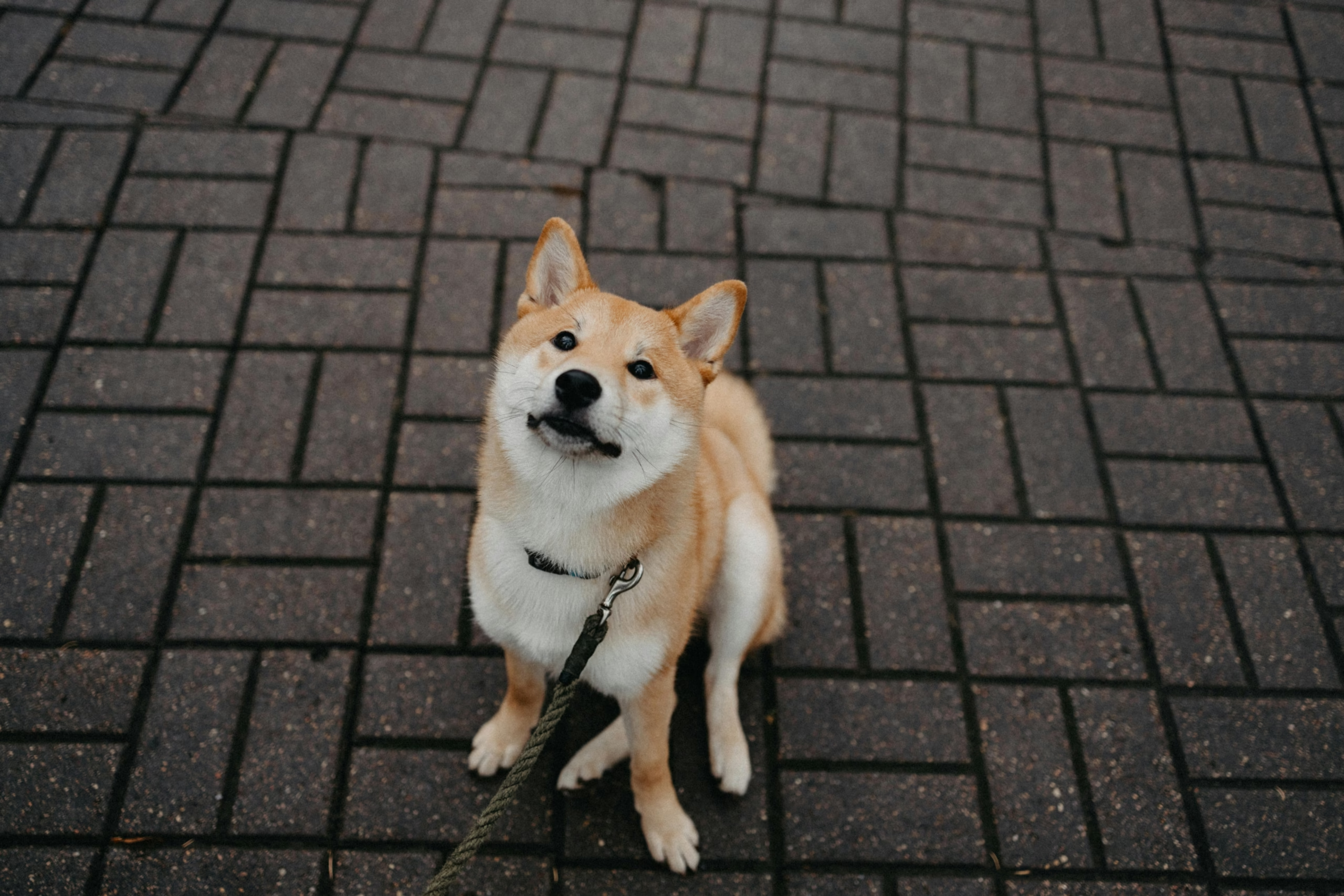
Can Puppies Eat Carrots? Find out about puppy carrot safety and if raw carrots are safe for your furry friend. Learn the benefits & risks! #PuppyFood #PuppyCare #CanPuppiesEatCarrots
Can Puppies Eat Carrots? A Comprehensive Guide to Puppy Carrot Safety
Bringing home a new puppy is an exciting experience, filled with cuddles, playtime, and of course, lots of questions about their diet. One common query among new puppy owners is: Can puppies eat carrots? The short answer is yes, but with important caveats. This comprehensive guide will delve into the nuances of puppy carrot safety, exploring the benefits, risks, and best practices for incorporating carrots into your puppy’s diet.
Are Carrots Good for Puppies? Nutritional Benefits and Considerations
Carrots are a fantastic source of several nutrients beneficial to puppies. They’re rich in beta-carotene, a type of carotenoid that the body converts into vitamin A, crucial for eye health, immune function, and coat health. A healthy coat is a visible sign of a healthy dog and a good immune system, preventing issues like those potentially caused by canine diseases such as Canine Bordetella (learn more about this at https://pupquotes.com/blog/what-is-canine-bordetella/). They also provide fiber, which aids in digestion and prevents constipation, a common problem, especially in puppies. Furthermore, carrots are low in calories and fat, making them a healthy treat option.
However, moderation is key. While carrots offer numerous benefits, they shouldn’t replace a balanced and complete puppy food formulated to meet their specific nutritional needs during their crucial growth phase. Just as we need to consider the right timing for the canine DHPP vaccine (https://pupquotes.com/blog/what-is-canine-dhpp-vaccine/), we need to be mindful about the right amount and type of treats. Overfeeding carrots can lead to digestive upset or even weight gain.
Puppy Carrot Safety: Preparing and Serving Carrots Safely
Before offering carrots to your puppy, proper preparation is crucial for puppy carrot safety. Raw carrots are perfectly safe and offer the added benefit of helping to clean your puppy’s teeth, aiding in preventing dental issues later in life. However, always supervise your puppy while they’re chewing on them, and ensure the carrots are appropriately sized to prevent choking hazards. For younger puppies, especially those whose canine teeth are still erupting (learn more about this at https://pupquotes.com/blog/when-do-canine-teeth-erupt-in-the-horse/), you might consider finely chopping or grating the carrots to make them easier to eat and swallow safely. Remember that this period often coincides with the time when canine teeth fall out (https://pupquotes.com/blog/when-do-canine-teeth-fall-out/). Overly large pieces could be a choking hazard.
Cooked carrots are also a viable option, but they lose some of their nutritional value during the cooking process. Steaming is a preferable cooking method as it retains more nutrients compared to boiling. Avoid adding salt, sugar, or any other seasonings to your puppy’s carrots, as these can be harmful to their health. Moreover, ensure you are selecting carrots of good quality and free from pesticides or other harmful substances. Always wash the carrots thoroughly before feeding them to your puppy.
Potential Risks: Considering Allergies and Digestive Issues
While generally safe, some puppies might exhibit allergies or sensitivities to carrots. Symptoms can range from mild digestive upset (such as diarrhea or vomiting) to more severe reactions. If you notice any adverse reactions after introducing carrots into your puppy’s diet, discontinue their use immediately and consult with your veterinarian. Similarly, excessive consumption of carrots can lead to digestive problems, even in the absence of an allergy. Remember, treats should only constitute a small portion of your puppy’s daily caloric intake.
Can Puppies Eat Carrots: A Comprehensive Guide to Portion Control
Determining the appropriate portion size is crucial when feeding carrots to your puppy. A good rule of thumb is to start with small amounts, and gradually increase the quantity as you observe your puppy’s tolerance and digestive response. Remember that carrots should never replace a nutritionally balanced meal, so it’s crucial to maintain a healthy balance between your puppy’s main food and carrot treats. A well-formulated puppy food (unlike canine carry-outs, as discussed at https://pupquotes.com/blog/are-canine-carry-outs-good-for-dogs/) should meet your puppy’s nutritional requirements. Use carrots as a supplementary treat only, not a replacement for crucial nutrients they need to develop properly.
Consider factors such as your puppy’s breed, size, age, and activity level when deciding on a suitable serving size. Larger breeds with higher activity levels may tolerate slightly larger amounts of carrots than smaller, less active puppies. It is always advisable to consult with a veterinarian or a certified canine nutritionist to determine the ideal amount of treats, including carrots, appropriate for your puppy’s specific needs.
Alternatives to Carrots: Expanding Your Puppy’s Treat Options
While carrots are a healthy and safe treat option for most puppies, it’s essential to diversify your puppy’s treats to provide a wide range of nutrients. Other healthy options include small pieces of plain cooked sweet potato, apples (without the core and seeds), and blueberries. Always introduce new treats gradually to monitor for any allergies or sensitivities. Remember that treats should never replace a well-balanced diet.
Conclusion: A Balanced Approach to Puppy Nutrition
Can puppies eat carrots? Yes, in moderation and with proper preparation, carrots can be a healthy and delicious addition to your puppy’s diet. However, maintaining puppy carrot safety requires understanding the potential risks, proper preparation techniques, and suitable portion control. By following these guidelines, you can confidently incorporate this nutritious vegetable into your furry friend’s treat repertoire, ensuring they thrive and remain happy and healthy. Always remember to consult your veterinarian if you have any concerns about your puppy’s diet.
Remember to share your experiences in the comments below! Let us know what your puppy thinks of carrots, and any other healthy treat suggestions you have. Use the keywords can puppies eat carrots, puppy carrot safety, and are carrots good for puppies in your comments to help others find this valuable information.
External Links:
- [American Kennel Club (AKC) on Puppy Nutrition](Insert relevant AKC link here)
- [Veterinary Partner on Canine Nutrition](Insert relevant Veterinary Partner link here)
- [ASPCA on Toxic and Non-Toxic Foods for Dogs](Insert relevant ASPCA link here)
Remember to replace the “Insert relevant…” placeholders with actual links from the suggested credible sources.

Frequently Asked Questions: Can Puppies Eat Carrots?
1. Can puppies eat carrots?
Yes, puppies can eat carrots! Carrots are a safe and healthy treat in moderation. They’re a good source of fiber and vitamins. However, always ensure they are thoroughly cleaned and cut into appropriately sized pieces for your puppy to prevent choking. Understanding puppy carrot safety is key to ensuring a healthy diet.
2. Are carrots good for puppies?
Yes, carrots are good for puppies. They offer several health benefits including improved digestion due to their fiber content and a boost in Vitamin A. Remember to offer them as treats, supplementing a balanced diet, rather than as a meal replacement. Learn more about canine health and how diet impacts their development by reading about topics such as Canine Bordatella and the importance of vaccination, like the Canine DHPP vaccine.
3. How should I prepare carrots for my puppy?
Wash carrots thoroughly to remove any dirt or pesticides. Cut them into small, bite-sized pieces to prevent choking hazards, especially crucial for younger puppies. Steaming or boiling them slightly can make them softer and easier for your puppy to digest.
4. How many carrots can my puppy eat?
Carrots should only be given as an occasional treat, not a staple of their diet. The quantity depends on your puppy’s size and age. A small puppy should only have a tiny piece, while a larger puppy might tolerate a few small pieces. Too many carrots can lead to digestive upset.
5. Can carrots cause any problems for my puppy?
While generally safe, too many carrots can cause diarrhea or upset stomach. Also, ensure you remove the green tops as they can be mildly toxic. Always monitor your puppy for any adverse reactions after introducing new foods. Understanding puppy carrot safety is paramount.
6. What are the benefits of feeding my puppy carrots?
Carrots are a good source of fiber, promoting healthy digestion. They’re also rich in beta-carotene, which converts to Vitamin A, essential for eye and coat health. A balanced diet, including appropriate treats like carrots, supports their overall wellbeing and healthy development. For instance, a good diet supports the process of canine teeth eruption and later, canine teeth falling out.
7. My puppy doesn’t seem to like carrots, is that okay?
Not all puppies enjoy carrots, and that’s perfectly fine. There are many other healthy and safe treats you can offer. Focus on providing a balanced diet and varied healthy options.
8. Can I feed my puppy raw carrots?
While raw carrots are safe, cooked or steamed carrots are easier to digest for puppies. Cooking softens them, making them less of a choking hazard.
9. Are baby carrots safe for puppies?
Baby carrots are safe as long as they’re washed thoroughly and cut into smaller pieces if necessary. Again, remember moderation is key. You should always prioritize puppy carrot safety.
10. Are there any other healthy treats besides carrots I can give my puppy?
Yes, many other healthy treats are suitable for puppies, such as small pieces of cooked sweet potato, green beans, or apples (removing the core and seeds). Avoid feeding any foods that are known to be toxic to dogs. Always check with your vet before introducing new foods into your puppy’s diet, and remember that healthy treats should only supplement a complete and balanced dog food. Learning about things like canine carry-outs can give you a broader understanding of healthy canine diets.

Can Puppies Eat Carrots? A Guide for Puppy Owners
Carrots can be a healthy and tasty treat for your puppy, but there are important considerations to keep in mind. Offering carrots in moderation as part of a balanced diet can provide several benefits.
Benefits of Carrots for Puppies
Carrots are a good source of fiber, which aids in digestion. They also contain beta-carotene, a type of vitamin A that supports eye health and a strong immune system. The crunchy texture can help clean your puppy’s teeth, contributing to better oral hygiene. However, it’s crucial to remember that carrots shouldn’t replace a complete and balanced puppy diet. Overfeeding any treat, even a healthy one, can lead to nutritional imbalances.
Health Considerations & Precautions
Choking Hazard: Always cut carrots into small, bite-sized pieces, especially for smaller breeds or very young puppies whose canine teeth erupt in the horse at different rates. Larger pieces can pose a choking hazard. Ensure your puppy is chewing thoroughly, and supervise them during feeding time.
Pesticide Residue: Wash carrots thoroughly to remove any potential pesticide residue. Organic carrots are a safer option if you are concerned.
Digestive Upset: While carrots are generally well-tolerated, introducing them gradually can prevent digestive upset in sensitive puppies. Start with a small amount and monitor your puppy for any signs of diarrhea or vomiting. If your puppy experiences any issues, discontinue feeding carrots and consult your veterinarian.
Dental Concerns: Although the crunchy texture helps clean teeth, very hard carrots could damage canine teeth that are still developing. Soft or cooked carrots are gentler on sensitive puppy gums.
Allergies: Although rare, some puppies might have allergies to carrots. Watch for signs of allergic reactions like skin rashes or itching.
Nutritional Balance: Remember that carrots are treats, not a meal replacement. A balanced diet specifically formulated for puppies is essential for their growth and development. Over-reliance on treats like carrots can lead to nutritional deficiencies. Avoid feeding your puppy unhealthy canine carry-outs.
Other Considerations
Vaccinations: Ensure your puppy is up-to-date on their vaccinations, including the canine DHPP vaccine and protection against canine bordetella. This helps maintain their overall health and allows them to better tolerate treats and new foods.
Veterinary Advice: Always consult your veterinarian before introducing new foods into your puppy’s diet, especially if your puppy has any pre-existing health conditions.
By following these guidelines, you can safely and enjoyably incorporate carrots into your puppy’s diet as a healthy and delicious treat. Remember moderation is key, and always prioritize a complete and balanced nutritional plan for your furry friend.
Can Puppies Eat Carrots, Puppy Carrot Safety, Can Puppies Eat Raw Carrots