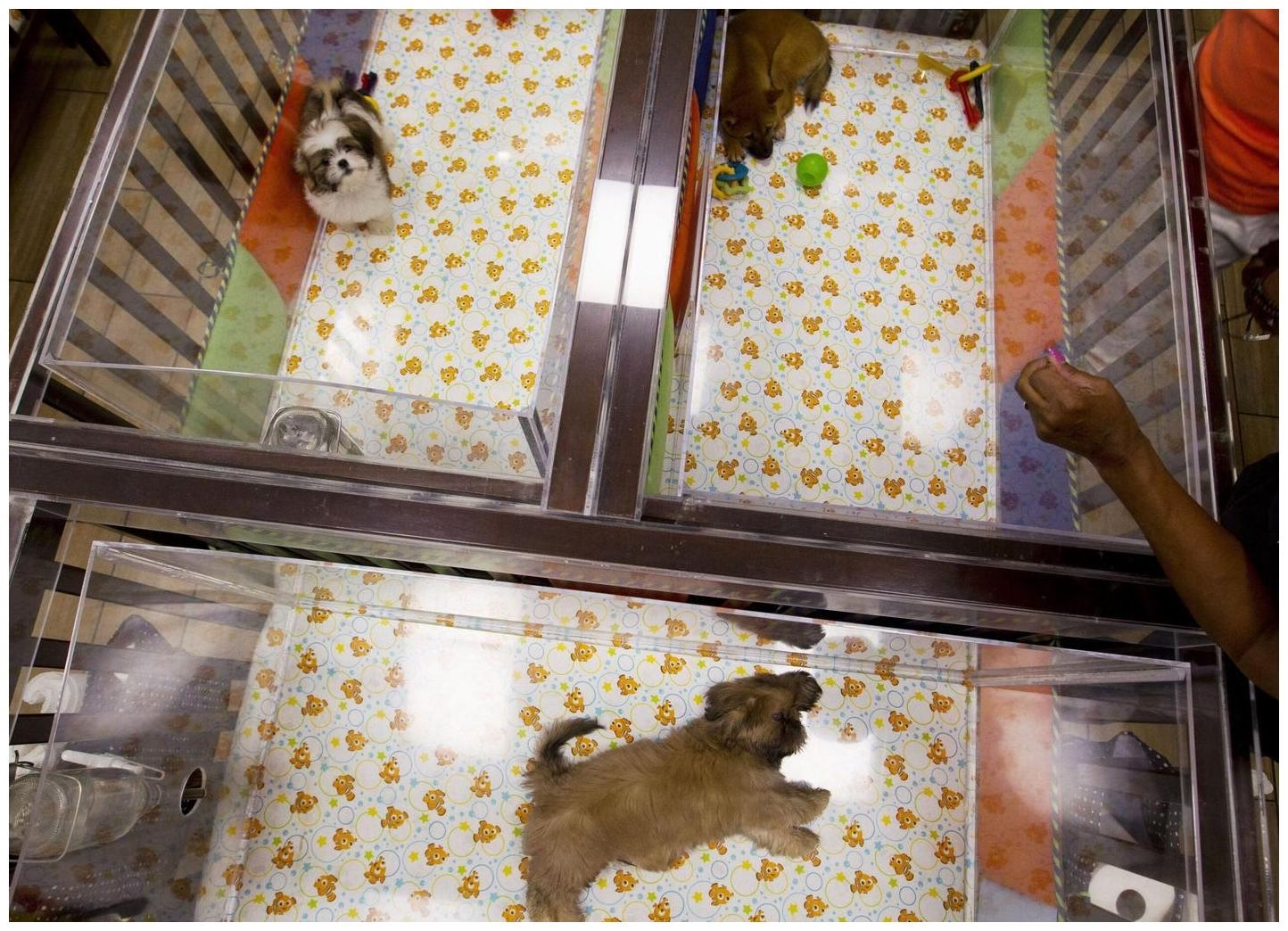
Understand the impactful Colorado pet store ban legislation affecting pet sales. Discover 5 crucial insights for responsible dog parents to navigate new animal welfare laws with confidence.

Have you heard about the significant legislative buzz in Colorado that could change how we find our beloved canine companions? The proposed Colorado pet store ban is making waves, aiming to reshape the landscape of pet sales and promote animal welfare across the state. As caring modern dog parents, understanding these developments is crucial, not just for the well-being of future puppies but also for the integrity of responsible pet ownership.
This evolving legislation directly impacts where and how you might acquire a new dog, striving to put an end to practices associated with inhumane breeding facilities often dubbed “puppy mills.” It’s a move designed to protect both animals and consumers from deceptive practices and unhealthy breeding conditions. So, what exactly does this Colorado pet store ban mean for you and your furry family, and why is it drawing so much attention?
We’re here to break down the ins and outs of this important bill, providing you with all the essential information you need to stay informed and make the best choices for your family. Let’s dive into the heart of the matter and explore how this Colorado pet store ban could create a healthier, happier future for dogs in the Centennial State, and how it impacts your journey as a responsible pet parent.
Understanding the Colorado Pet Store Ban: Why This Matters for Your Furry Friend
The core of the recent legislative efforts in Colorado revolves around a singular, powerful goal: to elevate animal welfare standards and curb the proliferation of what many consider to be unethical commercial breeding operations. For us, as dog parents, this isn’t just a political debate; it’s a deeply personal issue that touches the lives of countless animals and prospective pet owners. The push for a comprehensive Colorado pet store ban stems from years of advocacy highlighting the often-deplorable conditions found in large-scale commercial breeding facilities, commonly referred to as puppy mills.
These facilities, driven by profit, often prioritize quantity over quality, leading to animals suffering from inadequate housing, poor nutrition, lack of veterinary care, and insufficient socialization. Puppies born in these environments can face severe health and behavioral issues throughout their lives, leaving new owners heartbroken and burdened with significant vet bills. This proposed legislation is a direct response to these concerns, aiming to disrupt the supply chain that connects such breeders to unsuspecting consumers through pet stores, making the Colorado pet store ban a critical step.
Why should this matter to you and your family? Because every time a puppy is purchased from a source linked to a puppy mill, it inadvertently supports an industry that harms animals. The intention behind the Colorado pet store ban is to ensure that pets sold within the state come from more humane and transparent sources, ultimately fostering a more compassionate pet-owning community. It’s about ensuring that the newest member of your family has the best start in life, free from the shadow of neglect and suffering, and that you are making an ethically sound choice.
The Core of the Colorado Pet Store Legislation: What’s Changing?
The legislative journey in Colorado has seen various bills introduced, all with the common objective of reforming pet sales. The latest iteration of the Colorado pet store legislation, building upon previous efforts, focuses on a fundamental shift in how pet stores operate. At its heart, the bill seeks to prevent pet stores from sourcing dogs and cats from commercial breeders. This isn’t just about stopping the sale of “dogs as cats,” as humorously mentioned in early versions, but about a much broader move towards responsible animal sourcing, directly impacting the spirit of the Colorado pet store ban.
Banning Commercial Dog and Cat Sales in Stores
One of the most significant changes proposed by the Colorado pet store ban is the prohibition of pet stores selling dogs and cats that originate from commercial breeders. Instead, the legislation encourages, and in some interpretations, mandates, that pet stores wishing to offer dogs and cats for adoption must partner with animal shelters and rescue organizations. This pivot is designed to give homeless animals a better chance at finding forever homes and to cut off the financial incentive for puppy mills, fundamentally altering the pet retail model.
Imagine walking into a pet store and knowing that every adorable puppy or kitten you see is a rescue, waiting for a second chance. That’s the vision proponents of the Colorado pet store law are working towards. This shift also means that stores would transition from being mere retail outlets for animals to becoming adoption centers, fostering a more ethical model for connecting pets with families. It’s a transformative step that aims to redefine the role of pet stores in our communities, strengthening the intent of the Colorado pet store ban.
Protecting Consumers and Promoting Animal Welfare
Beyond the direct impact on breeding facilities, the pet store animal sales ban in Colorado also seeks to protect consumers. Many individuals who purchase puppies from pet stores are unaware of the often-troubled origins of these animals. They might be promised healthy, well-adjusted pets, only to discover serious genetic defects, chronic illnesses, or behavioral issues that stem from poor breeding and early life experiences, leading to significant emotional and financial strain for families.
By enforcing stricter sourcing requirements, the legislation aims to reduce the incidence of sick or poorly socialized animals being sold to unsuspecting families. It promotes transparency and ensures that when you bring a new pet home, you’re doing so with confidence in their background and health. This aspect of the Colorado pet store regulations is vital for both the emotional and financial well-being of new pet parents, ensuring they receive a healthy companion and promoting overall animal welfare. The underlying principle is that the Colorado pet store ban should lead to healthier, happier pets in homes.
Navigating the New Pet Store Dog Cat Ban Landscape
For caring modern dog parents, the prospect of a new pet store dog cat ban can bring up questions about how to find a new pet responsibly. Rest assured, this legislation isn’t about limiting your ability to find a wonderful companion; it’s about guiding you towards more ethical and sustainable options. The landscape of pet acquisition is evolving, and understanding these changes will empower you to make informed decisions that align with your values and support the goals of the Colorado pet store ban.
Finding Your Next Companion: Ethical Sourcing Options
If pet stores can no longer sell commercially bred animals, where should you look for your next furry family member? The good news is that numerous ethical avenues already exist and will become even more prominent. Adopting from local animal shelters and rescue organizations remains a fantastic choice. These organizations are often overflowing with loving animals of all ages, breeds, and temperaments, all desperately seeking a forever home. By adopting, you not only save a life but also support the vital work these groups do, perfectly aligning with the spirit of the Colorado pet store ban.
Alternatively, if you have your heart set on a specific breed, seeking out reputable, hobby breeders is still an option. A responsible breeder will be transparent about their breeding practices, health test their dogs, allow you to visit their facility, and provide extensive health guarantees and support. They prioritize the health and temperament of their animals over profit. Understanding the nuances of the Colorado pet store ban means knowing how to identify and support these ethical sources, ensuring your next dog comes from a loving and responsible environment.
The Debate: Opponents’ Concerns vs. Advocates’ Vision
Like any significant legislative change, the Colorado pet store ban has sparked considerable debate. Opponents, primarily pet store owners and some consumer groups, raise concerns about consumer choice being restricted. They argue that legitimate pet stores provide valuable services, offer diverse breeds, and allow potential owners to interact with puppies before making a decision. There are also worries that a ban could lead to a surge in a “black market” for pets, driving people to unregulated online sales or out-of-state breeders where conditions might be even less transparent and potentially worse, undermining the very purpose of the Colorado pet store ban.
On the other hand, animal welfare advocates and proponents of the bill emphasize that the current system often perpetuates cruelty. They believe that while some pet stores may operate ethically, the industry as a whole is too intertwined with puppy mills. Their vision is one where all pets are sourced responsibly, whether through adoption or from truly reputable breeders, ensuring that no animal has to suffer for commercial gain. This ongoing discussion underscores the complexities of balancing consumer access with robust animal protection standards under the emerging Colorado pet store law, which is an integral part of the larger Colorado pet store ban movement.
Preparing for the Colorado Pet Store Law: Steps for Responsible Dog Parents
As the Colorado pet store law takes shape, it’s wise for prospective dog parents to adapt their approach to finding a new furry family member. Being prepared means understanding your options and committing to responsible sourcing. This proactive stance ensures that you not only comply with new regulations but also contribute positively to the welfare of animals statewide, which is the heart of the Colorado pet store ban. What steps can you take to make sure you’re ready for these changes?
Researching Reputable Sources for Dogs
The most crucial step is to dedicate time to thorough research. If you’re looking for a specific breed, connect with breed-specific rescue groups or national breed clubs that can provide lists of ethical breeders. These breeders will typically have waiting lists, conduct extensive interviews, and provide comprehensive health records for both parents and puppies. They often specialize in one or two breeds, are passionate about improving the breed, and adhere to strict ethical guidelines, often emphasizing the importance of ethical sourcing in the context of the Colorado pet store ban.
For those open to any wonderful dog, explore the websites of your local animal shelters, humane societies, and independent rescue organizations. Many allow you to filter by age, size, and even breed mix. Reading reviews, checking their adoption processes, and asking for references can help you identify truly reputable sources. This due diligence is paramount in light of the new Colorado pet store ban, ensuring you find a healthy, happy dog from a trustworthy background, and supporting the overarching goal of animal welfare.
Supporting Local Shelters and Rescues
One of the most direct and impactful ways to align with the spirit of the Colorado pet store ban is to support local animal shelters and rescues. These organizations are on the front lines, caring for countless animals in need. Adopting from them not only gives a deserving animal a second chance but also frees up resources for another animal to be saved. It’s a selfless act that directly supports rescue groups affected by the new pet store animal sales ban and helps prepare animals for their forever homes.
Many shelters and rescues also provide comprehensive services, including spaying/neutering, vaccinations, and microchipping, often included in a modest adoption fee. They invest time in understanding each animal’s personality, helping to match them with the right family. By supporting these vital organizations, you play a direct role in improving animal welfare and helping to reduce the demand for animals from questionable sources, fostering a community that prioritizes compassion over commercial profit. This embodies the true spirit of the pet store animal welfare law and the goals of the Colorado pet store ban.
Common Misconceptions About the Colorado Pet Store Ban
Whenever significant legislative changes like the Colorado pet store ban are proposed, misunderstandings can arise. It’s important for caring dog parents to separate fact from fiction to fully grasp the implications of this new law. Let’s address some common myths that might be circulating and clarify what the ban truly means for pet ownership in Colorado and for the future of our furry companions.
One prevalent misconception is that the ban will eliminate the ability to get purebred dogs. This is simply not true. The legislation targets the commercial sale of animals from large breeding facilities through pet stores. Reputable, hobby breeders who prioritize the health and well-being of their specific breeds will still operate. You can still find purebred dogs; the key is to seek out ethical breeders directly or through breed-specific rescues, rather than relying on pet store sourcing, a practice the Colorado pet store ban seeks to curtail.
Another concern is that the ban will lead to an overall shortage of puppies or drive prices exorbitantly high. While the immediate supply chain through pet stores will change, the goal is to shift demand towards existing ethical channels—shelters, rescues, and responsible breeders. This redirection is intended to ensure that animals come from healthier environments, rather than creating a scarcity of pets. The focus is on quality and ethical sourcing, not limiting pet ownership, thereby enhancing the impact of the Colorado pet store ban without undue restriction.
Expert Advice on the Colorado Pet Store Regulations and Best Practices
As responsible dog parents, navigating the evolving landscape of pet acquisition under the new Colorado pet store regulations requires a thoughtful approach. Experts in animal welfare and responsible pet ownership consistently offer guidance that aligns perfectly with the spirit of this legislation. Their advice centers on education, patience, and a commitment to doing what’s best for our future companions, ultimately supporting the intent of the Colorado pet store ban.
Always prioritize transparency. A reputable source, whether a shelter, rescue, or breeder, will be open about their practices, provide detailed health records, and allow you to ask as many questions as you need. They should encourage you to meet the animal in person (or via video call if distance is an issue) and often require home visits or extensive applications to ensure a good match. Don’t be afraid to ask for references or to see the environment where the animals are raised. This due diligence is a hallmark of best practices for responsible pet parents in Colorado.
Consider fostering. Fostering provides a temporary home for an animal in need and is an excellent way to determine if pet ownership is right for you, or if a particular animal fits into your lifestyle, without the long-term commitment. It’s a selfless act that directly supports rescue organizations affected by the new pet store animal sales ban and helps prepare animals for their forever homes. Ultimately, the best practice is to always put the welfare of the animal first, ensuring they come from a place of care and ethical breeding, a core tenet of the Colorado pet store ban.
Conclusion: The Future of Pet Adoption and the Colorado Pet Store Ban
The proposed Colorado pet store ban represents a significant step forward in the ongoing effort to improve animal welfare and promote responsible pet ownership. For caring modern dog parents, this legislation isn’t just about rules and regulations; it’s about ensuring that every puppy gets a fair chance at a healthy, happy life, free from the suffering associated with commercial breeding mills. It encourages a shift towards more ethical sourcing—championing adoption from shelters and rescues, and supporting truly reputable breeders who prioritize the well-being of their animals.
As this new era of pet acquisition unfolds in Colorado, your informed choices will play a vital role. By understanding the intent behind the Colorado pet store ban, educating yourselves on ethical sourcing, and supporting organizations dedicated to animal welfare, you contribute to a more compassionate community. The future of finding your beloved canine companion in Colorado looks brighter, focused on health, happiness, and humane practices. Let’s embrace these changes and help build a better world for all our furry friends, thanks to the forward-thinking nature of the Colorado pet store ban.
Tips
- Research Reputable Breeders Diligently: If you seek a specific breed after the Colorado pet store ban, commit to finding a responsible hobby breeder. Verify health clearances, visit their facility if possible, and ensure they prioritize the well-being and genetic health of their dogs over profit. This ensures a healthy start for your new puppy.
- Embrace Local Animal Shelters and Rescues: Shelters and rescue organizations are brimming with amazing dogs of all ages and breeds needing homes. Consider adopting as your first choice; it saves a life and supports ethical animal welfare. These organizations often provide comprehensive support and vet care.
- Understand the “Why” Behind the Legislation: Take time to educate yourself on the reasons for the new Colorado pet store ban. Learning about the issues with commercial breeding operations helps reinforce your commitment to responsible pet ownership and ethical sourcing. It empowers you to make informed decisions.
- Be Wary of Online Sales and Unverified Sources: While the ban targets pet stores, a potential risk is a rise in unregulated online sellers. Always be extremely cautious with online ads, refuse to buy from anyone unwilling to meet in person, and never send money before confirming the animal’s legitimacy and health.
- Consider Fostering a Dog: Fostering offers a wonderful opportunity to help an animal in need and gain experience, without the long-term commitment. It’s a valuable way to support rescue groups impacted by shifting regulations and discover if a certain dog is the right fit for your home.
- Prepare Your Home Before Bringing a Pet: Regardless of where your new dog comes from, ensure your home is puppy-proofed and ready. Have food, bowls, toys, a bed, and safety gates in place. A prepared environment helps ease the transition for any new furry family member.
- Prioritize Early Socialization and Training: From day one, focus on positive reinforcement training and careful socialization for your new dog. A well-adjusted dog is a joy to live with, and early experiences shape their temperament for life. This investment pays dividends in their happiness and yours.
- Support Advocacy for Animal Welfare: Beyond individual choices, consider supporting organizations that advocate for stronger animal welfare laws. Your voice and contributions help ensure that future legislation, like the Colorado pet store ban, continues to protect vulnerable animals. Together, we can make a difference.

- Research Reputable Breeders Diligently: If you seek a specific breed after the Colorado pet store ban, commit to finding a responsible hobby breeder. Verify health clearances, visit their facility if possible, and ensure they prioritize the well-being and genetic health of their dogs over profit. This ensures a healthy start for your new puppy.
- Embrace Local Animal Shelters and Rescues: Shelters and rescue organizations are brimming with amazing dogs of all ages and breeds needing homes. Consider adopting as your first choice; it saves a life and supports ethical animal welfare. These organizations often provide comprehensive support and vet care.
- Understand the “Why” Behind the Legislation: Take time to educate yourself on the reasons for the new Colorado pet store ban. Learning about the issues with commercial breeding operations helps reinforce your commitment to responsible pet ownership and ethical sourcing. It empowers you to make informed decisions.
- Be Wary of Online Sales and Unverified Sources: While the ban targets pet stores, a potential risk is a rise in unregulated online sellers. Always be extremely cautious with online ads, refuse to buy from anyone unwilling to meet in person, and never send money before confirming the animal’s legitimacy and health.
- Consider Fostering a Dog: Fostering offers a wonderful opportunity to help an animal in need and gain experience, without the long-term commitment. It’s a valuable way to support rescue groups impacted by shifting regulations and discover if a certain dog is the right fit for your home.
- Prepare Your Home Before Bringing a Pet: Regardless of where your new dog comes from, ensure your home is puppy-proofed and ready. Have food, bowls, toys, a bed, and safety gates in place. A prepared environment helps ease the transition for any new furry family member.
- Prioritize Early Socialization and Training: From day one, focus on positive reinforcement training and careful socialization for your new dog. A well-adjusted dog is a joy to live with, and early experiences shape their temperament for life. This investment pays dividends in their happiness and yours.
- Support Advocacy for Animal Welfare: Beyond individual choices, consider supporting organizations that advocate for stronger animal welfare laws. Your voice and contributions help ensure that future legislation, like the Colorado pet store ban, continues to protect vulnerable animals. Together, we can make a difference.
