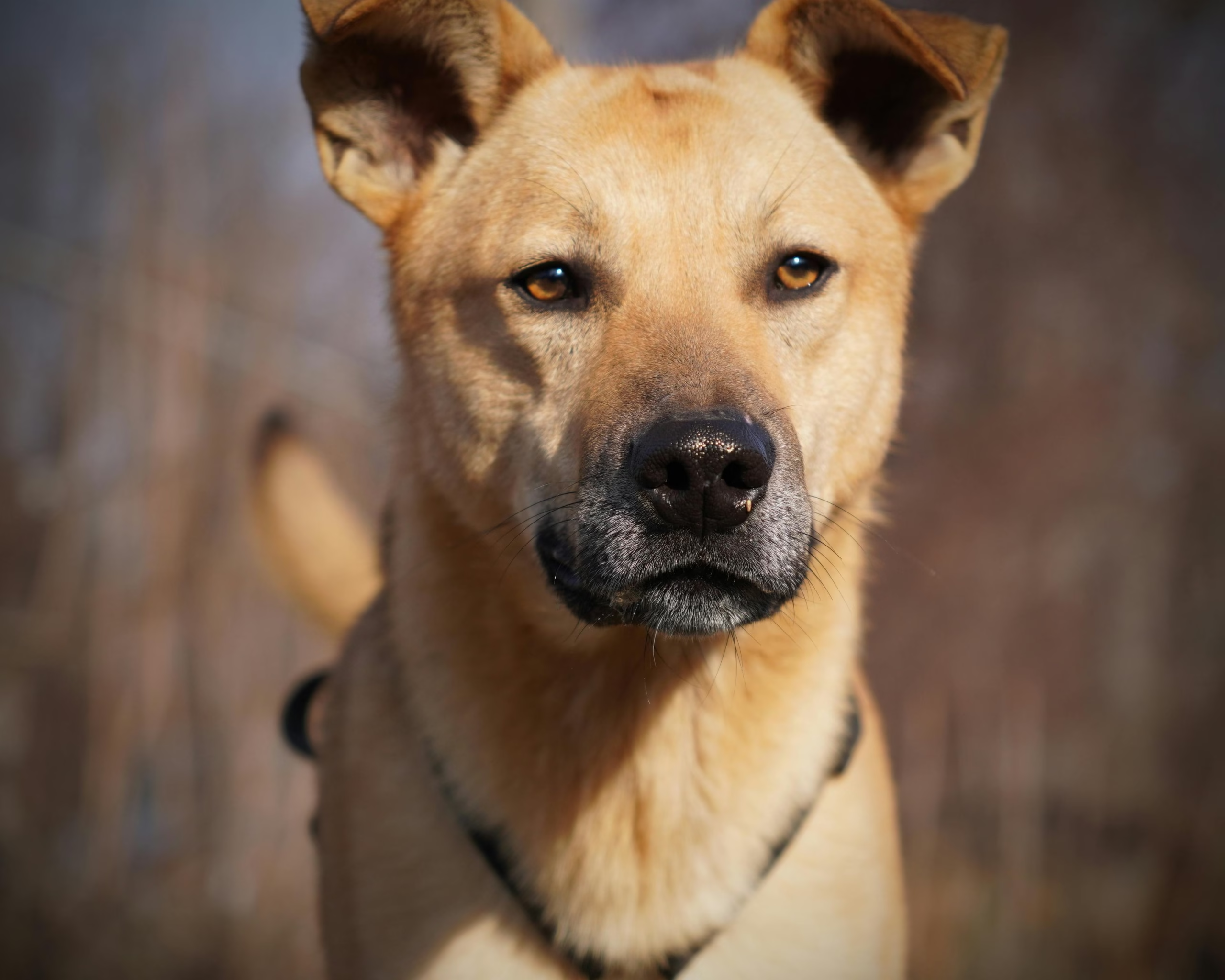
Do Mosquitoes Bite Dogs? Find out if your furry friend is at risk & learn how to protect them from pesky mosquito bites. Discover effective Dog Mosquito Repellent solutions now! Learn about Mosquito Bites on Dogs & prevention.
Do Mosquitoes Bite Dogs? A Comprehensive Guide to Mosquito Bites in Canines
Many pet owners wonder, Do mosquitoes bite dogs? The short answer is a resounding yes. While dogs might not be the preferred meal for mosquitoes like humans are, they are certainly not immune to these pesky insects. Understanding how mosquitoes affect our canine companions is crucial for ensuring their health and well-being. This comprehensive guide delves into the world of mosquitoes biting dogs, exploring the symptoms, potential dangers, and preventative measures you can take.
Do Mosquitoes Bite Dogs? The Prevalence and Impact
The simple answer to “Do mosquitoes bite dogs?” is yes. Mosquitoes are opportunistic feeders, meaning they will bite any warm-blooded animal, including dogs. While dogs typically don’t suffer as many bites as humans (due to their fur providing some protection), they are still vulnerable, especially in areas with high mosquito populations. This is particularly true for dogs with thinner coats or those spending extended periods outdoors. The frequency of bites can vary greatly depending on factors like the season, geographic location, and your dog’s individual behavior. Dogs who spend time in wooded areas or near standing water are at a significantly higher risk.
Understanding the Mechanics of Mosquitoes Biting Dogs
Mosquitoes bite to feed on blood, which is essential for their egg development. Female mosquitoes possess a proboscis, a needle-like structure, which they use to pierce the skin and suck blood. Their saliva contains anticoagulants, which prevent the blood from clotting. It’s this saliva that causes the majority of the irritation and reactions associated with mosquito bites. While a single bite is usually inconsequential for a healthy dog, multiple bites can lead to discomfort and, in some cases, more serious health problems.
Dog Mosquito Bites: Symptoms and Reactions
The most common symptom of a dog mosquito bite is localized itching and swelling. The bite site might appear red and inflamed. Your dog might exhibit excessive scratching, licking, or chewing at the affected area. While this is usually a minor annoyance, it can quickly become a problem if your dog manages to break the skin, leading to secondary infections. Just like with humans, some dogs may have a more severe allergic reaction to mosquito bites, potentially leading to significant swelling, hives, or even anaphylaxis, though this is rare.
Recognizing Serious Reactions to Dog Mosquito Bites
In rare cases, dog mosquito bites can lead to more severe health issues. These include:
- Infections: If your dog excessively scratches a bite, it can break the skin and lead to bacterial or fungal infections. This requires immediate veterinary attention.
- Heartworm: This is a significant risk associated with mosquito bites. Mosquitoes can carry heartworm larvae, transmitting the parasite to your dog during a bite. Heartworm is a serious condition that can affect the heart, lungs, and other organs. Learn more about preventative measures for canine diseases like heartworm here. Regular preventative medication is crucial to protect your dog. You should also consult your vet about other routine vaccinations such as the canine DHPP vaccine https://pupquotes.com/blog/what-is-canine-dhpp-vaccine/.
- Allergic Reactions: As mentioned earlier, some dogs can experience severe allergic reactions to mosquito saliva. These reactions can range from localized swelling to systemic anaphylaxis, requiring immediate veterinary intervention.
Preventing Mosquitoes Biting Dogs
Preventing mosquito bites is the best approach to safeguarding your dog’s health. Here are some effective strategies:
- Mosquito Repellents: Several dog-safe mosquito repellents are available on the market. Always choose a product specifically formulated for dogs and follow the instructions carefully. Never use human repellents on your dog, as many contain ingredients that are toxic to animals.
- Environmental Control: Reduce mosquito breeding grounds around your home by eliminating standing water. This includes emptying flower pots, cleaning gutters, and regularly changing pet water bowls.
- Limit Outdoor Time During Peak Hours: Mosquitoes are most active during dawn and dusk. Limit your dog’s outdoor time during these periods, especially in areas with high mosquito populations.
- Protective Clothing: Consider using protective clothing for your dog, such as a lightweight shirt or jacket, especially if you’re in a high-risk area.
- Regular Veterinary Checkups: Regular vet visits are essential for identifying and treating potential health problems, including heartworm disease.
Living with Mosquitoes Biting Dogs: Treatment and Management
If your dog does get bitten by mosquitoes, there are steps you can take to manage the symptoms and prevent complications:
- Clean the Bite Area: Gently clean the bite area with mild soap and water.
- Prevent Scratching: Prevent your dog from scratching or licking the bites. A protective Elizabethan collar (cone) can be helpful.
- Cold Compress: Applying a cold compress can help reduce swelling and itching.
- Over-the-Counter Treatments: In some cases, your veterinarian might recommend an over-the-counter anti-itch cream or spray formulated for dogs. Never use human medications without veterinary approval. If you are worried about your dog’s health, it is always best to consult your veterinarian. Perhaps your dog will benefit from a relaxing stay at a canine resort, like A Country Canine Resort.
Beyond the Bite: The Broader Canine Health Landscape
Understanding mosquitoes biting dogs is just one piece of the puzzle when it comes to overall canine health. Regular preventative care, including vaccinations and parasite control, is crucial for keeping your furry friend happy and healthy. For example, understanding when your dog’s teeth fall out is important for their overall dental hygiene. Learn more about canine teeth here. Additionally, responsible pet ownership often includes mindful decisions regarding feeding practices; are those canine carry-outs actually good for your dog?.
Authoritative External Resources
For additional information on mosquito-borne diseases in dogs, you can refer to these reputable sources:
- The American Veterinary Medical Association (AVMA): [Link to relevant AVMA page on mosquito-borne diseases] – (replace with actual link)
- The Centers for Disease Control and Prevention (CDC): [Link to relevant CDC page on mosquito-borne diseases] – (replace with actual link)
- A reputable veterinary journal or website specializing in parasitology – (replace with actual link)
Remember to always consult with your veterinarian for personalized advice regarding your dog’s health and well-being.
Share Your Experiences!
Have you had experiences with mosquitoes biting dogs? Share your stories, tips, and questions in the comments below! Let’s create a supportive community for pet owners to learn and share their knowledge about dog mosquito bites and other canine health concerns.

Frequently Asked Questions: Do Mosquitoes Bite Dogs?
1. Do mosquitoes bite dogs?
Yes, absolutely! Mosquitoes are opportunistic feeders and do mosquitoes bite dogs. They’re not picky about their blood source and will happily bite dogs, just like they bite humans. This leads to the common issue of dog mosquito bites.
2. Are dog mosquito bites dangerous?
While most dog mosquito bites are just itchy nuisances, they can transmit diseases. Some mosquitoes carry heartworm, a serious and potentially fatal parasitic infection in dogs. Regular heartworm preventative medication is crucial for your dog’s health. Learn more about preventative care and how to choose the best options for your canine companion. For example, are you properly vaccinating your dog? Check out information on the canine DHPP vaccine at https://pupquotes.com/blog/what-is-canine-dhpp-vaccine/.
3. What are the signs of a mosquito bite on a dog?
Dog mosquito bites often appear as small, red bumps or welts on your dog’s skin. They may be itchy, causing your dog to scratch or lick the area excessively. If you notice swelling or unusual behavior, contact your veterinarian immediately.
4. How can I prevent mosquitoes from biting my dog?
Preventing mosquitoes biting dogs involves a multi-pronged approach. Use mosquito repellents specifically formulated for dogs, ensure your dog is up to date with their heartworm preventative medication, and limit your dog’s exposure to mosquito-prone areas, especially during dawn and dusk when they are most active. Consider also using mosquito nets or screens in your home, particularly in areas where dogs sleep.
5. My dog is scratching excessively after being outside. Could it be Mosquitoes Biting Dogs?
Excessive scratching could be due to mosquitoes biting dogs, but it could also indicate other skin conditions like allergies or parasites. If you are unsure, consult your veterinarian to determine the cause and get appropriate treatment. Remember, a proper diet is also vital. Are canine carry-outs good for your dog’s health? Find out more at https://pupquotes.com/blog/are-canine-carry-outs-good-for-dogs/.
6. What should I do if I think my dog has a heartworm infection from Mosquitoes Biting Dogs?
If you suspect your dog has a heartworm infection due to mosquitoes biting dogs, take them to a veterinarian immediately. Early diagnosis and treatment are crucial for the best outcome. Remember to also check out the importance of other vaccinations such as the canine bordetella vaccine at https://pupquotes.com/blog/what-is-canine-bordetella-vaccine/.
7. How can I treat a dog mosquito bite?
Most dog mosquito bites can be treated with simple home remedies like applying a cold compress to reduce swelling and itching. Avoid using human-grade insect bite remedies on your dog without consulting your vet. If the bites become infected or excessively bothersome, your vet can recommend appropriate treatment options.
8. Are certain dog breeds more susceptible to Mosquitoes Biting Dogs?
While all dogs can be bitten by mosquitoes, some breeds with longer or thinner coats may be slightly more susceptible. However, the risk of disease transmission is generally not breed-specific, but rather depends on the presence of infected mosquitoes in the environment.
9. Where can I find reliable information about canine health and care?
Reliable information on canine health can be found through your veterinarian, reputable veterinary websites, and trusted organizations.
10. Where can I find a safe and comfortable place for my dog while I’m away?
Consider a reputable boarding facility or dog sitter. For example, you might want to explore options like a country canine resort at https://pupquotes.com/blog/a-country-canine-resort/. And don’t forget to consider your dog’s dental health; learn more about when canine teeth fall out at https://pupquotes.com/blog/when-do-canine-teeth-fall-out/.

Do Mosquitoes Bite Dogs? Yes, and Here’s What You Need to Know
Yes, mosquitoes definitely bite dogs. While your furry friend might not swat at them like you do, they are susceptible to mosquito bites and the associated health risks. Understanding these risks and taking preventative measures is crucial for your dog’s well-being.
Health Risks Associated with Mosquito Bites
Mosquitoes are more than just an itchy nuisance for dogs. They can transmit several diseases, some of which can be serious. Heartworm disease is perhaps the most well-known risk. Heartworm is a parasitic worm that can cause severe damage to the heart, lungs, and other organs. Preventing heartworm infection is vital for your dog’s long-term health. Regular preventative medication, prescribed by your veterinarian, is the best way to protect your dog.
Other mosquito-borne illnesses, though less common, can still impact your dog’s health. It’s important to be aware of these possibilities and to contact your veterinarian if you notice any unusual symptoms in your dog after a mosquito-heavy period. Regular vet checkups, including vaccinations like the Canine DHPP vaccine https://pupquotes.com/blog/what-is-canine-dhpp-vaccine/, are crucial for overall health.
Symptoms to Watch Out For
While not all mosquito bites will lead to serious illness, it’s important to watch for symptoms that could indicate a problem. These might include:
- Lethargy or fatigue
- Persistent coughing
- Difficulty breathing
- Swollen limbs
- Loss of appetite
If you notice any of these symptoms, especially after a period of high mosquito activity, contact your veterinarian immediately. Early diagnosis and treatment are crucial for the best outcome. Remember that a healthy dog is a happy dog! Consider treating your canine companion to a fun day out at a place like A Country Canine Resort https://pupquotes.com/blog/a-country-canine-resort/ after a successful vet visit.
Preventing Mosquito Bites
Protecting your dog from mosquito bites involves a multi-pronged approach:
- Preventative Medications: Consult your veterinarian about heartworm preventative medication. This is the most effective way to protect your dog from this serious disease.
- Environmental Control: Reduce mosquito breeding grounds around your home by eliminating standing water.
- Topical Repellents: Some pet-safe mosquito repellents are available. Always follow the instructions carefully and choose a product specifically designed for dogs.
- Timing of Walks: Avoid walking your dog during peak mosquito hours, typically dawn and dusk.
Other Considerations
While we’ve focused on mosquitoes, it’s important to remember that other parasites and diseases can affect your dog. Regular veterinary care, including vaccinations like the Canine Bordetella vaccine https://pupquotes.com/blog/what-is-canine-bordetella-vaccine/, is essential for maintaining their health. Providing your dog with good quality food also plays a part in building their resistance to diseases. Think carefully about the nutrition you provide; are canine carry-outs good for dogs? https://pupquotes.com/blog/are-canine-carry-outs-good-for-dogs/ Finally, remember that a healthy immune system is key to fighting off infections, ensuring your beloved dog enjoys a long and happy life. Oh, and one more thing! Did you know when canine teeth fall out? https://pupquotes.com/blog/when-do-canine-teeth-fall-out/
Do Mosquitoes Bite Dogs, Mosquito Bites on Dogs, Dog Mosquito Repellent