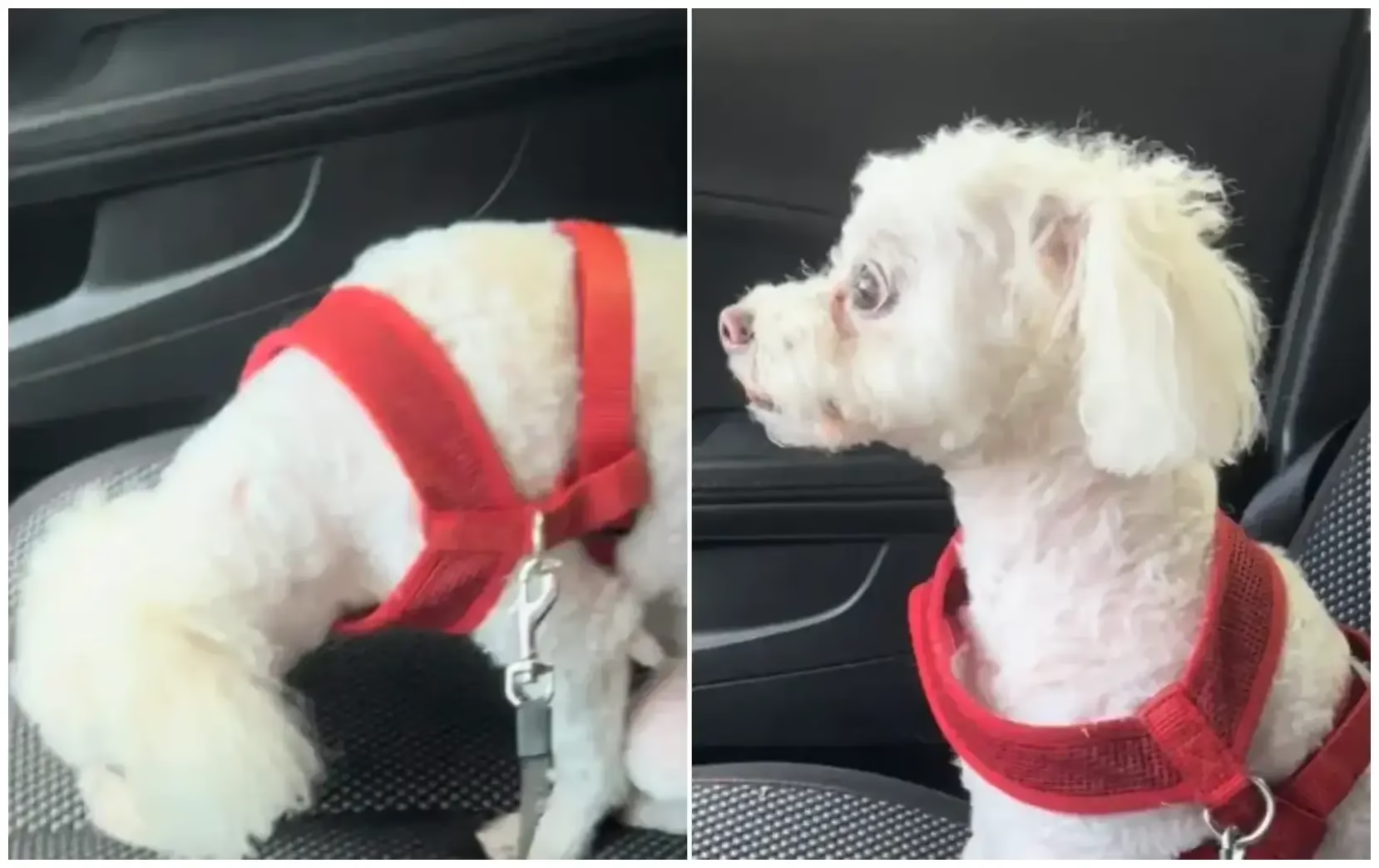
Understand how dogs mourn deceased owners and grieve their loss. Learn signs of canine grief, expert tips to support your grieving dog, and effective ways to help them cope with ownership death. For caring modern dog parents.
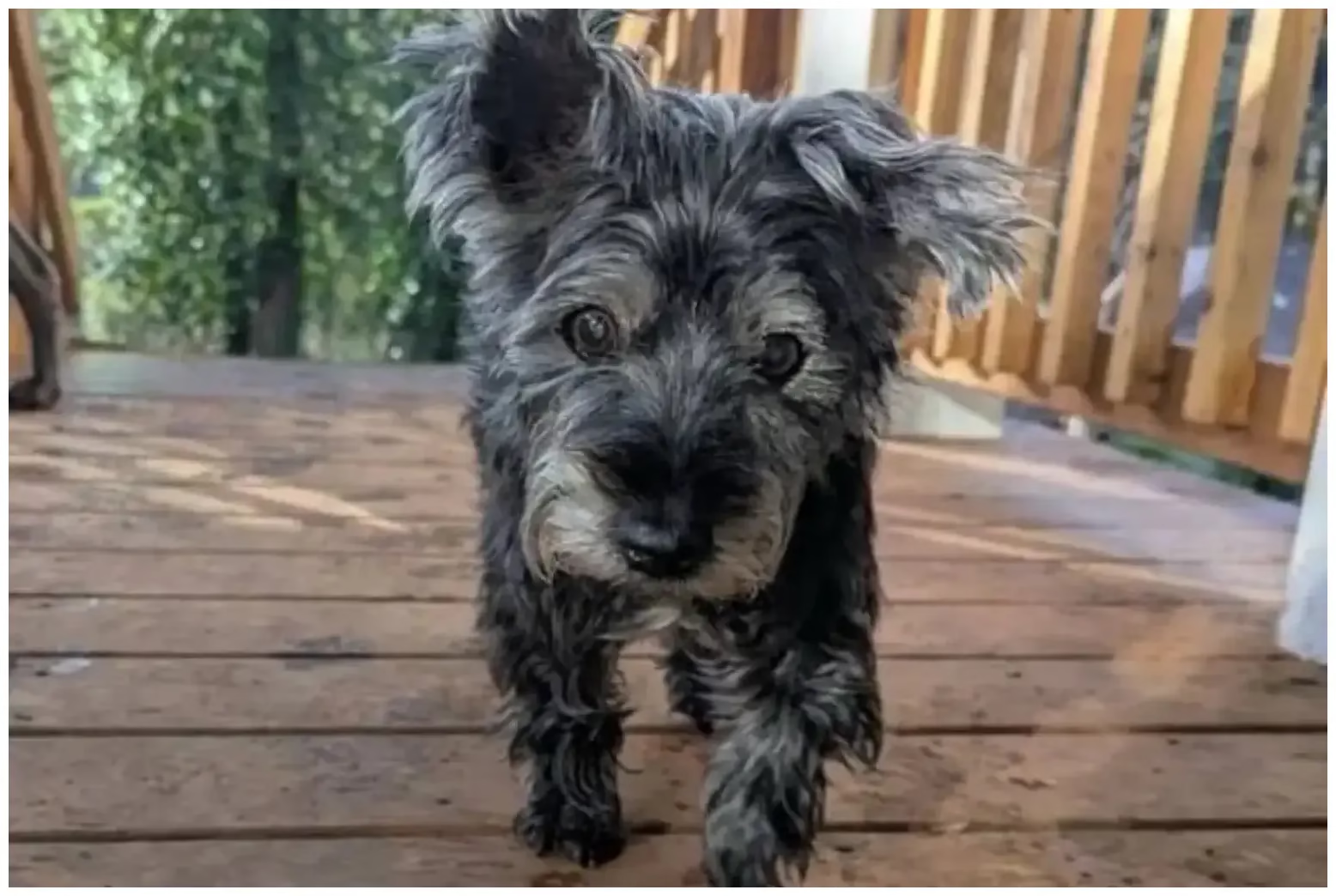
Dog Mourns Deceased Owner: A Heartbreaking Guide to Canine Grief
Have you ever wondered how dogs mourn deceased owners when their human family member is gone? This poignant story from Newsweek explores the depth of a dog’s emotional response when faced with the sudden absence of their companion. Dogs don’t just forget; they grieve, and this grief can manifest in ways that surprise even the most attentive pet parents.
Imagine witnessing a dog sitting silently by their owner’s coffin, whining softly, or refusing to eat for days. These behaviors aren’t just random—they’re signs of profound emotional distress. Understanding how dogs mourn deceased owners is crucial for modern dog parents who want to provide comfort and healing during this vulnerable time.
In this article, we’ll break down the science behind canine grief, explore practical ways to support a grieving dog, and share heartfelt tips to help them adjust to life after loss. Let’s dive into this sensitive yet critical topic together.
Why Understanding How Dogs Mourn Deceased Owners Matters
For centuries, dogs have been called man’s best friend, forming deep emotional bonds with their human companions. When an owner dies, this bond isn’t severed overnight. Science confirms that dogs experience grief, often displaying behaviors like lethargy, loss of appetite, or excessive clinginess. Recognizing how dogs mourn deceased owners helps us respond with empathy and action rather than dismissal.
The Science Behind Canine Grief
Dogs don’t mourn in the same way humans do, but their brains release stress hormones like cortisol when they sense loss. Studies show that dogs bonded to their owners for years may develop symptoms resembling depression, including altered sleep patterns or withdrawal from family members. This isn’t just ‘acting’—it’s a genuine emotional response.
Common Signs a Dog Is Grieving an Owner’s Death
- Pacing or restlessness near the owner’s belongings or resting spot
- Excessive vocalization, such as whining or howling
- Refusal to eat or sudden weight loss
- Avoidance of usual activities or favorite places
The Emotional Journey: How Dogs Cope with Loss
While dogs don’t fully understand death, they do notice absence. A grieving dog might stare at the spot where their owner sat or follow the sound of their footsteps. This behavior stems from their instinct to remain alert for potential threats—a vestigial trait from their wild ancestors.
Why Some Dogs Take Longer to Adjust
Not all dogs grieve the same way. Factors like age, breed, and the strength of the bond influence recovery time. For example, a rescue dog adopted late in life might struggle more with loss than a dog raised from a puppy. Patience is key when supporting a grieving dog’s unique timeline.
Practical Steps to Help a Dog Mourn a Deceased Owner
- Maintain Routine: Keep feeding times and walks consistent to reassure your dog.
- Keep Their Belongings: Leave a favorite toy or blanket near them for comfort.
- Avoid Sudden Changes: No major moves or new pets during this period.
Common Mistakes to Avoid When a Dog Losses Its Owner
One of the biggest errors is dismissing a dog’s grief as ‘just acting up.’ Phrases like ‘They’ll get over it’ minimize their emotional pain. Another mistake is introducing new distractions too soon, which can prolong anxiety. Consistency and patience are non-negotiable here.
Expert Advice for Supporting a Grieving Dog
Veterinarians often recommend gentle interactions and controlled socialization. For instance, letting your dog sniff the ashes (if physically possible) can help them process the loss. Always consult a vet or animal behaviorist if symptoms persist beyond two months.
In conclusion, understanding how dogs mourn deceased owners is the first step in helping them heal. By recognizing their unique grieving process and offering tailored support, dog parents can ease their pet’s transition through this tough time.
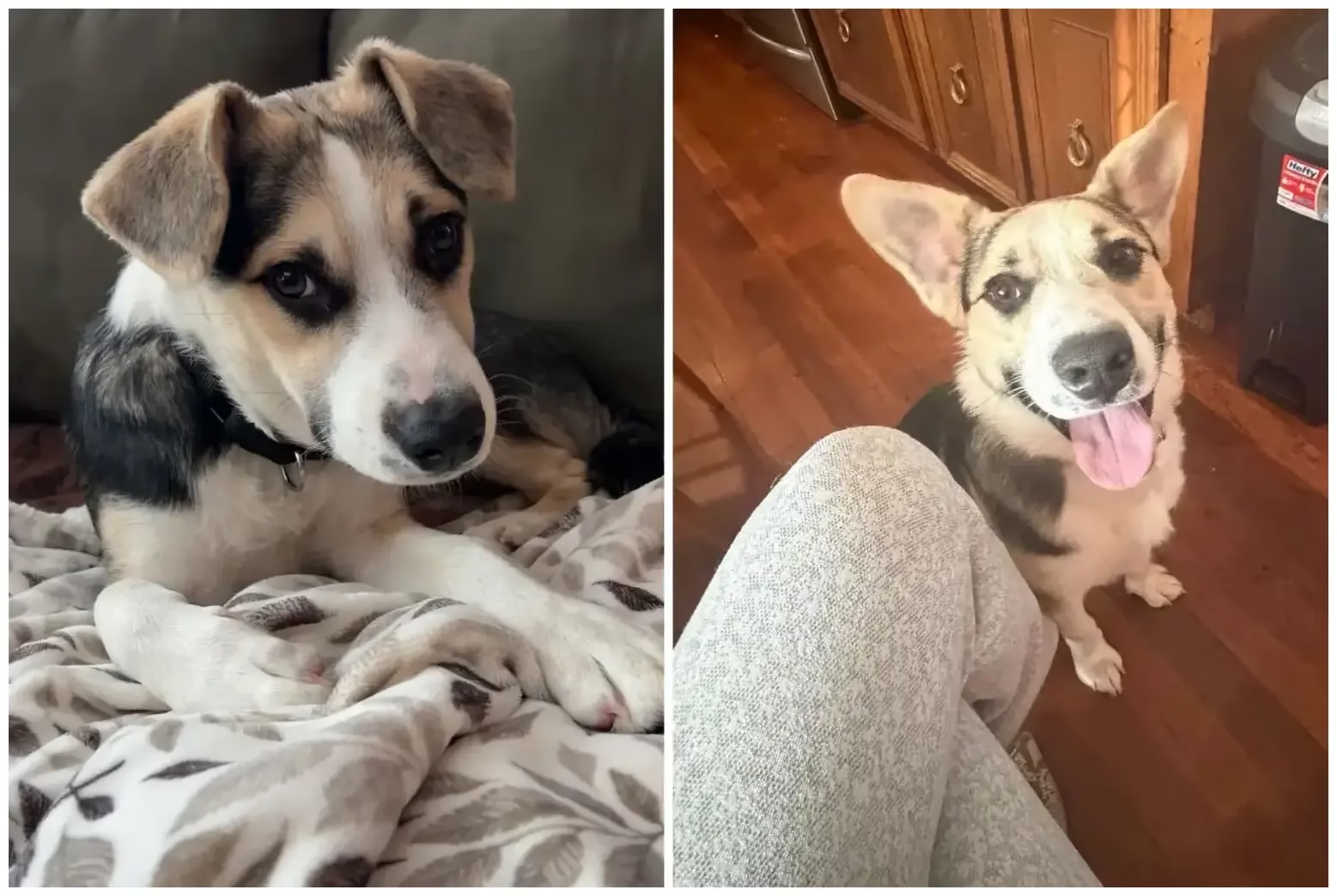
- Recognize the Primary Signs of Canine Grief: Understanding how dogs mourn deceased owners includes noticing changes like loss of interest in play or sudden clinginess. You can find more information on signs your dog misses owner.
- Create a Safe Space: Designate a quiet area with their familiar items to provide security during recovery.
- Use Positive Reinforcement: Reward calm behavior with treats to build confidence. Consider different types of dog treats and snacks.
- Document Their Progress: Track improvements in appetite or sleep to adjust your approach as needed.
- Involve Other Family Members: Ensure everyone interactions with the dog remain calm and consistent. Teaching kids to pet that dog safely is important.
- Consider Professional Support: A vet or animal therapist can offer personalized strategies if grief seems prolonged for supporting a grieving dog.
- Engage in Bonding Activities: Short walks or gentle petting sessions help reinforce your presence without overwhelming them.
- Be Patient with Their Timeline: Grieving isn’t linear—regression is normal during this process.
