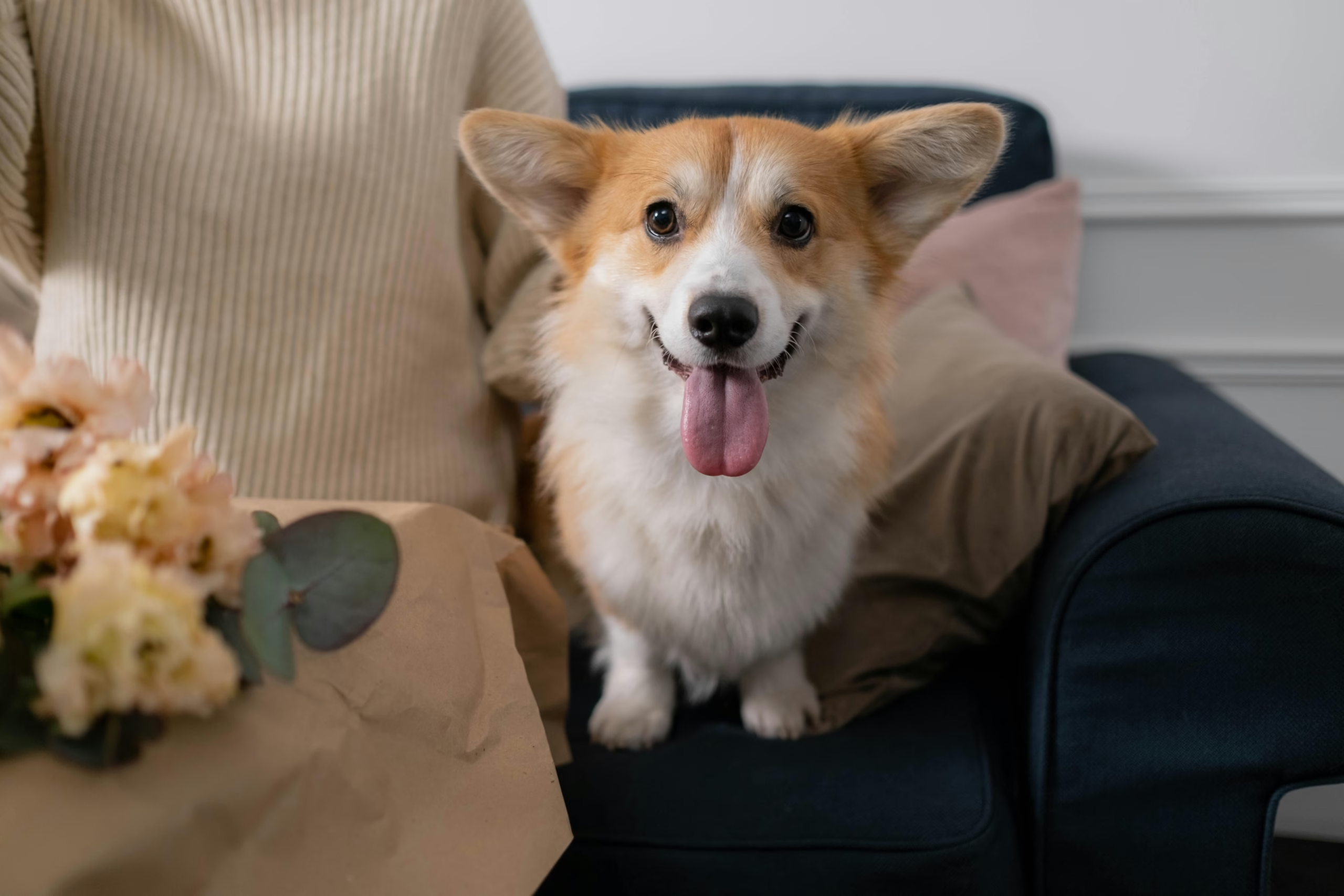
Don’t Mess With The Puppy! Learn how to protect your furry friend from aggressive puppies and understand puppy protection strategies. Expert advice inside!
Don’t Mess With The Puppy: Understanding and Addressing Aggressive Puppy Behavior Problems
Bringing home a new puppy is an exciting time, filled with playful cuddles and adorable antics. However, what happens when that adorable fluffball displays signs of aggression? Understanding why your puppy is exhibiting aggressive puppy behavior is crucial to addressing the issue before it escalates. This comprehensive guide explores the complexities of puppy behavior problems, specifically aggression, and provides actionable strategies to help you navigate this challenging phase.
Don’t Mess With The Puppy: Deciphering the Signs of Aggression
Before diving into solutions, it’s vital to accurately identify aggressive behavior in your puppy. It’s not always about full-blown attacks. Early signs can be subtle and easily misinterpreted. These might include:
- Growling: A low growl is a clear warning sign. While some puppies growl playfully, a deep, sustained growl indicates discomfort or fear.
- Snarling: This is a more serious warning than growling. It suggests your puppy feels threatened and is ready to defend itself.
- Lunging: Sudden lunges, even without biting, signify escalating aggression.
- Snapping: Snapping at hands, feet, or toys is a direct sign of aggression, indicating a need for immediate intervention.
- Stiff Body Posture: A rigid body, flattened ears, and raised hackles (fur standing on end) are classic signs of a threatened or aggressive dog.
Ignoring these early warning signs can lead to more serious aggressive puppy incidents later on. Remember, even a tiny puppy is capable of inflicting a painful bite, especially if it feels cornered or threatened. Understanding canine communication – much like understanding what the canine DHPP vaccine is for (learn more at https://pupquotes.com/blog/what-is-canine-dhpp-vaccine/ ) or the need for a canine bordetella vaccine (https://pupquotes.com/blog/what-is-canine-bordetella-vaccine/) – is key to preventing future problems.
Understanding the Roots of Aggressive Puppy Behavior Problems
Aggression in puppies stems from various factors, and understanding these underlying causes is critical to effective management. Some common contributors include:
- Fear and Anxiety: Many instances of puppy aggression are rooted in fear. A puppy who feels threatened, overwhelmed, or insecure may resort to aggression as a defense mechanism. This is particularly true for puppies separated from their mothers too early, lacking proper socialization.
- Pain or Illness: A puppy experiencing pain, discomfort, or illness may exhibit aggressive behavior. Always consult your veterinarian to rule out any underlying medical conditions. Pain can often manifest as unexpected and potentially concerning behaviors.
- Lack of Socialization: Puppies need early and positive socialization to learn appropriate social interactions. A lack of exposure to various people, dogs, and environments can lead to fear and subsequent aggression towards unfamiliar stimuli.
- Genetics: While genetics play a role, it’s rarely the sole determinant of aggression. Even genetically predisposed puppies can be rehabilitated with appropriate training and management. Think of it like understanding the canine family tree – some breeds might have predispositions, but this isn’t a certainty (learn more about surprising family connections at https://pupquotes.com/blog/are-bears-in-the-canine-family/).
- Resource Guarding: Puppies, like older dogs, might exhibit aggression when guarding resources like food, toys, or sleeping areas. This is a common puppy behavior problem that needs early intervention.
- Dominance: While the concept of “dominance” is often misinterpreted, some puppies may display aggressive behaviors to assert control over their environment or people within the household.
Addressing Aggressive Puppy Behavior Problems: A Step-by-Step Guide
Tackling aggressive puppy behavior requires patience, consistency, and professional guidance. Here’s a structured approach:
Consult a Veterinarian: Rule out any underlying medical conditions that might be causing the aggression.
Professional Help: Enlist the help of a certified professional dog trainer or veterinary behaviorist. They can assess your puppy’s behavior, identify the root cause, and develop a tailored behavior modification plan.
Positive Reinforcement Training: Focus on positive reinforcement techniques, such as rewarding calm and appropriate behavior. Avoid punishment-based training, which can worsen fear and aggression.
Controlled Socialization: Gradually introduce your puppy to new people, dogs, and environments in a controlled and safe manner. Avoid overwhelming situations that could trigger aggression.
Management: Manage your puppy’s environment to minimize triggers. This might involve creating safe spaces, preventing access to valuable resources during stressful periods, and closely supervising interactions with other animals or people.
Consistent Handling: Handle your puppy calmly and confidently, teaching them that human interaction is positive. This involves using proper handling techniques like gently supporting their body weight and avoiding sudden movements.
Addressing Fear: If fear is the root cause, desensitization and counter-conditioning are crucial. Gradually expose your puppy to their fears at a distance that doesn’t trigger aggression. Pair these exposures with positive reinforcement, associating the feared stimuli with positive experiences. If you’re looking for a luxurious vacation for your pup, consider options such as a country canine resort (https://pupquotes.com/blog/a-country-canine-resort/). While not a direct solution to behavioral issues, it might provide a stress-free environment to work on training.
Patience and Consistency: Behavior modification takes time and consistency. Don’t get discouraged if you don’t see immediate results. Stick to the plan and celebrate small victories along the way. Remember that understanding when canine teeth fall out (https://pupquotes.com/blog/when-do-canine-teeth-fall-out/) is a completely separate matter and won’t solve behavioral concerns.
Preventing Aggressive Puppy Behavior Problems
Proactive measures can significantly reduce the likelihood of developing aggressive behavior in your puppy. These include:
- Early Socialization: Expose your puppy to a variety of sights, sounds, smells, people, and other dogs from an early age. Supervise interactions and stop them if they become too intense or overwhelming.
- Positive Handling: Ensure all interactions with your puppy are positive and gentle. Avoid rough play that might unintentionally increase fear or anxiety.
- Clear Communication: Use clear and consistent communication to avoid confusing your puppy. Employ calm, gentle body language and avoid sudden or unpredictable movements.
Don’t Mess With The Puppy: Seeking Professional Guidance
Remember, you’re not alone in dealing with aggressive puppy behavior. Seeking help from qualified professionals is crucial for addressing the root causes and preventing escalation. Consider consulting the following resources for additional information:
- The American Veterinary Society of Animal Behavior (AVSAB): https://www.avsab.org/
- The American Kennel Club (AKC): https://www.akc.org/
Conclusion: Sharing Your Experiences
Dealing with aggressive puppy behavior problems can be challenging, but with patience, consistent training, and professional guidance, you can help your puppy develop into a well-adjusted and confident companion. Remember that early intervention is key. Share your experiences and questions in the comments below. Let’s learn from each other and create a supportive community for puppy owners facing similar challenges. What strategies have you found successful in managing aggressive puppy behavior? What resources have been most helpful to you? Let’s share our knowledge and support each other on this journey.

Frequently Asked Questions: Don’t Mess With The Puppy
1. Why is my puppy so aggressive?
Many factors contribute to puppy aggression. It’s not always clear cut, and early intervention is key. Understanding the root cause—fear, pain, resource guarding, or lack of socialization—is crucial. If your puppy is exhibiting Aggressive Puppy behavior, consult a veterinary behaviorist. They can help you address the underlying Puppy Behavior Problems.
2. My puppy bites; is this normal?
Nipping and biting are common in puppies, as they explore the world through their mouths. However, excessive biting indicates a need for training. Consistent “Don’t Mess With The Puppy” training, focusing on positive reinforcement and redirection, can help curb this behavior. Ignoring the behavior (leaving the room) and providing an appropriate chew toy can sometimes work well.
3. How can I socialize my puppy effectively?
Proper socialization is vital to prevent future Puppy Behavior Problems, including aggression. Expose your puppy to various sights, sounds, people, and other dogs (from a safe distance if necessary). Positive and gradual experiences are key. A well-socialized puppy is less likely to become an Aggressive Puppy.
4. What vaccines does my puppy need?
Your puppy needs core vaccines like the Canine DHPP vaccine (https://pupquotes.com/blog/what-is-canine-dhpp-vaccine/) to protect against distemper, hepatitis, parvovirus, and parainfluenza. They also need the Canine Bordetella vaccine (https://pupquotes.com/blog/what-is-canine-bordetella-vaccine/) to protect against kennel cough. Consult your veterinarian for a detailed vaccination schedule.
5. When do puppies lose their baby teeth?
Puppy teeth typically start falling out around 3-4 months of age. (https://pupquotes.com/blog/when-do-canine-teeth-fall-out/). This process can be messy, so supervision is crucial to avoid swallowing lost teeth. Provide appropriate chew toys to assist with the process.
6. My puppy is very energetic; how can I manage this?
High energy is a common puppy trait! Ensure sufficient physical and mental stimulation through daily exercise and interactive games. This will help prevent destructive behaviors and channel their energy positively. Ignoring their attempts to be disruptive could encourage them to think “Don’t Mess With The Puppy” is the best policy.
7. What should I do if my puppy shows signs of fear?
Fear in puppies can lead to Aggressive Puppy behaviors. Identify triggers and gradually desensitize your puppy to them using positive reinforcement techniques. Never force interaction. Patience is key.
8. What are some good resources for puppy training?
Many excellent resources exist! Your veterinarian can provide recommendations, or you can search online for reputable trainers in your area. Remember, consistent training and positive reinforcement are crucial for success. Implementing “Don’t Mess With The Puppy” tactics requires a structured approach.
9. Are bears in the canine family?
No, bears are not in the canine family. (https://pupquotes.com/blog/are-bears-in-the-canine-family/) Canines are part of the Canidae family, while bears belong to the Ursidae family.
10. Where can I find reliable dog boarding?
Consider using a reputable dog boarding facility, such as a country canine resort (https://pupquotes.com/blog/a-country-canine-resort/), when you need to leave your puppy. Ensure the facility is clean, safe, and staffed with knowledgeable individuals. Choosing a quality place to leave your puppy will help prevent stress and Puppy Behavior Problems.

Don’t Mess With the Puppy: A Guide to Safe and Healthy Puppyhood
Bringing home a new puppy is incredibly exciting, but it’s crucial to remember that puppies are vulnerable and require careful handling. Ignoring their needs can lead to health problems and behavioral issues later in life. This guide outlines practical tips and health considerations to ensure your puppy thrives.
Handling and Socialization
Puppies are delicate. Avoid rough play that could injure their bones or joints. Gentle handling is key, especially during the first few weeks. Learn to read their body language – a tucked tail or flattened ears often signals discomfort. Early socialization is also vital. Expose your puppy to different sights, sounds, and people in a controlled and positive way to prevent fear-based aggression later. This includes careful introductions to other animals. While bears are fascinating creatures, remember they are not in the canine family [https://pupquotes.com/blog/are-bears-in-the-canine-family/], so interactions should be strictly avoided.
Veterinary Care: Vaccinations and Preventative Measures
Routine veterinary visits are non-negotiable. Your puppy needs core vaccinations to protect against potentially life-threatening diseases. These include the DHPP vaccine [https://pupquotes.com/blog/what-is-canine-dhpp-vaccine/] (distemper, hepatitis, parvovirus, and parainfluenza) and the Bordetella vaccine [https://pupquotes.com/blog/what-is-canine-bordetella-vaccine/] (kennel cough). Discuss flea, tick, and heartworm prevention with your veterinarian. Remember, preventative care is far cheaper and less stressful than treating illness.
Oral Health and Development
Puppy teeth are temporary! Understanding canine tooth development is important [https://pupquotes.com/blog/when-do-canine-teeth-fall-out/]. Teething can be painful, so provide appropriate chew toys to alleviate discomfort and prevent destructive chewing. Regular dental care, including brushing, can help prevent dental problems in adulthood.
Nutrition and Exercise
Puppies need a balanced diet tailored to their age and breed. High-quality puppy food provides the nutrients necessary for healthy growth and development. Avoid feeding table scraps, as many human foods are toxic to dogs. Appropriate exercise is also essential, but avoid overexertion, especially in younger puppies.
Finding the Right Environment
A safe and stimulating environment is critical for a puppy’s well-being. Puppy-proof your home by removing hazards such as toxic substances and small objects they could swallow. If you need temporary care or a safe, stimulating environment for your puppy, consider a reputable canine resort [https://pupquotes.com/blog/a-country-canine-resort/]. Remember, a happy puppy is a healthy puppy.
Conclusion
Responsible puppy ownership involves understanding their physical and emotional needs. By following these tips and seeking professional veterinary care, you can help your puppy grow into a happy, healthy companion for many years to come. Remember, “Don’t mess with the puppy” means providing the best possible care from the very beginning.
Don’T Mess With The Puppy, Aggressive Puppy, Puppy Protection