
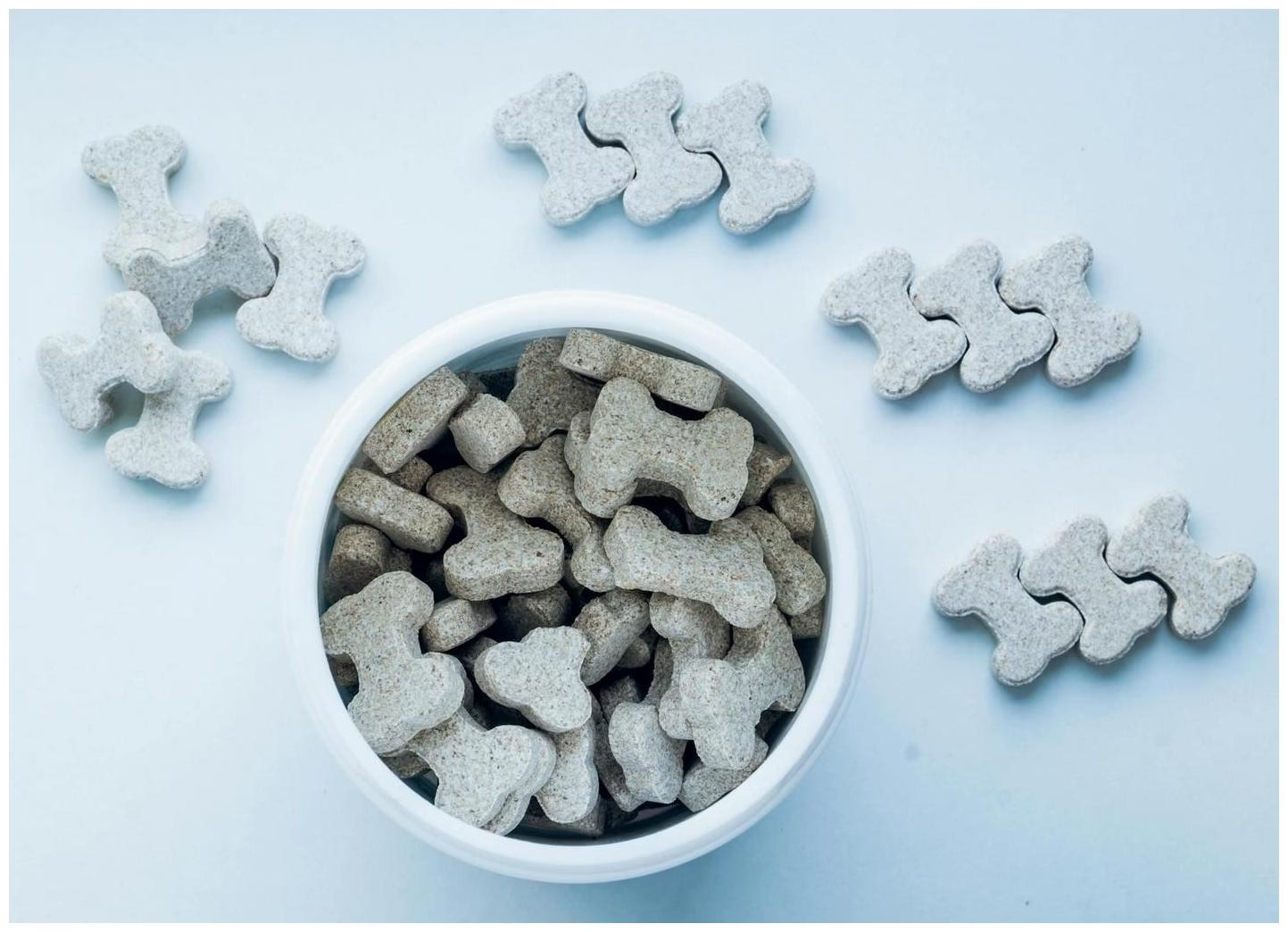
Stay informed about the latest FDA dog treat warning. Discover crucial steps to protect your pet from contaminated treats and ensure dog food safety.
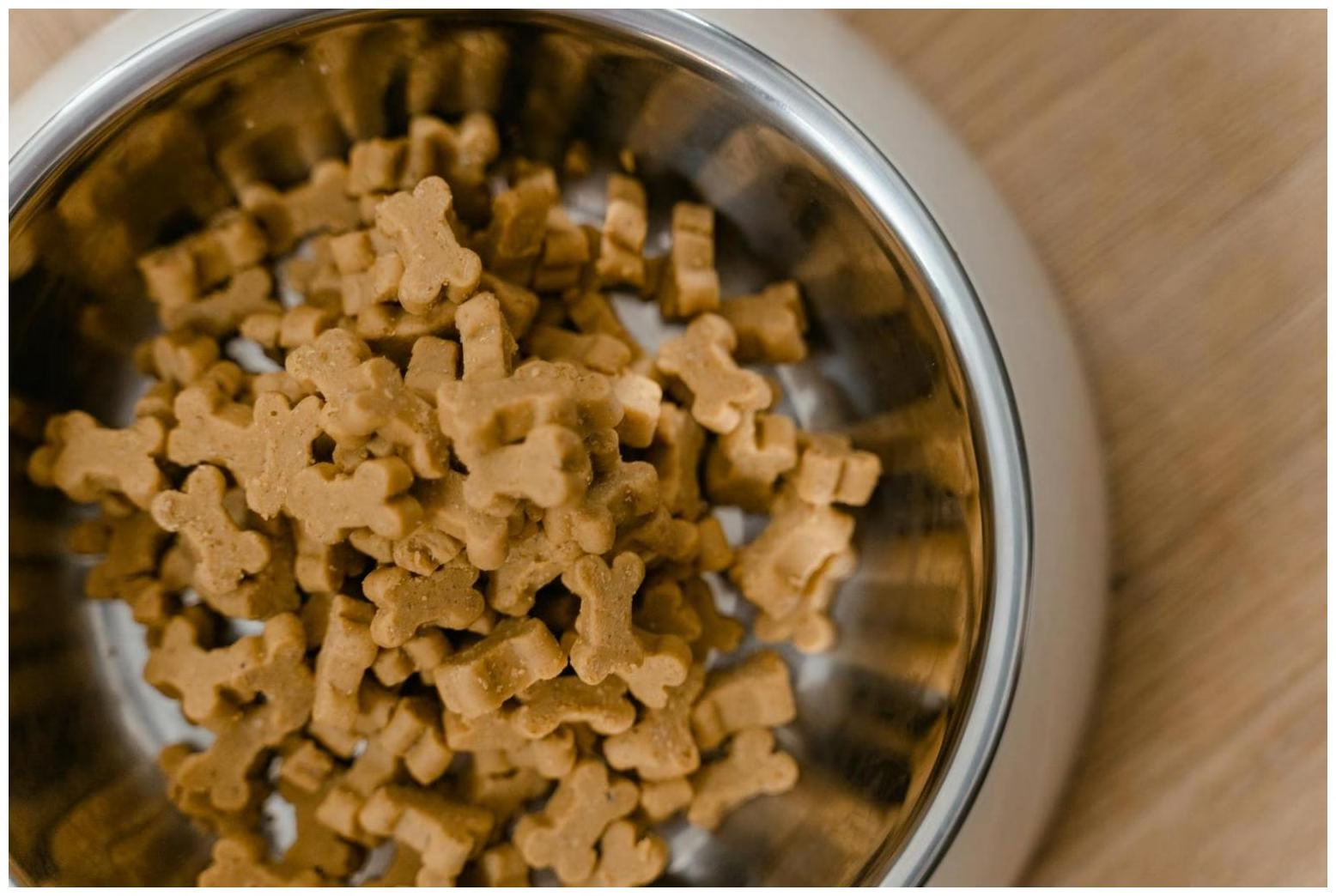
As a loving dog parent, nothing matters more than your furry friend’s health and happiness. So, when an FDA dog treat warning hits the headlines, it’s natural to feel a pang of concern. Recently, the U.S. Food and Drug Administration (FDA) issued an urgent alert regarding specific dog treats, prompting pet owners everywhere to take notice. This isn’t just about a single product; it’s a stark reminder of the importance of vigilance when it comes to what we feed our beloved companions. We’re here to break down everything you need to know about this recent recall, how to keep your dog safe, and what steps you can take to prevent future risks.
You pour your heart into caring for your dog, ensuring they get the best food, toys, and affection. But even with the best intentions, risks can emerge from unexpected places, like their favorite snacks. Understanding these warnings and knowing how to react is crucial for safeguarding your pet’s well-being. Let’s dive into the details of the latest FDA dog treat warning and empower you with the knowledge to protect your canine family member.
This comprehensive guide will walk you through the specifics of the recent recall, explain the potential dangers, and provide actionable advice to ensure your dog’s treats are always safe. Ready to become an even more informed and proactive pet parent? Let’s get started.
Overview: Why This FDA Dog Treat Warning Matters So Much
The recent FDA dog treat warning isn’t just another news story; it’s a critical alert for every pet owner. This particular warning pertains to Elite Treats Chicken Chips for dogs, specifically lot number 40423 and a best-by date of 04/04/25. The concern? Potential contamination with Salmonella. If you’re wondering why this is such a big deal, consider that Salmonella can cause serious, and sometimes fatal, infections in both animals and humans. Your dog might seem healthy one day, and the next, could be suffering from severe gastrointestinal issues.
Beyond the immediate health risk to pets, contaminated treats also pose a danger to humans. Handling contaminated products can lead to infection, especially if you don’t wash your hands thoroughly after contact. This makes the recall a household-wide concern, not just a pet-specific one. The company involved, Mid America Pet Food, has faced previous recalls, highlighting a broader issue of quality control that discerning pet parents need to be aware of. This isn’t about fear-mongering; it’s about being informed and taking proactive measures to protect everyone in your home.
The Ripple Effect of a Dog Treat Recall
When the FDA issues a dog treat recall, it triggers a chain reaction. Distributors are notified, retailers pull products from shelves, and consumers are urged to check their pantries. The goal is to quickly remove potentially harmful products from circulation before they can cause widespread illness. However, the effectiveness of a recall heavily relies on pet owners being aware and taking action. If you’ve purchased these treats, even if your dog hasn’t shown symptoms, disposing of them properly is paramount.
Understanding the Dangers of Salmonella
Salmonella is a type of bacteria that can cause a bacterial disease called salmonellosis. In dogs, symptoms can include lethargy, diarrhea (which may be bloody), fever, vomiting, and decreased appetite. Some dogs might only exhibit reduced energy and appetite. In severe cases, the infection can be life-threatening. Humans can also contract Salmonella from handling contaminated pet food or treats. Symptoms in people typically include nausea, vomiting, diarrhea, abdominal cramping, and fever. Young children, the elderly, and individuals with weakened immune systems are particularly vulnerable to severe infections. This is why a simple FDA dog treat warning carries such significant weight.
Main Topic Section 1: Identifying and Handling the Recalled Treats
Your first step in response to any FDA dog treat warning is to confirm whether the treats you have are part of the recall. For the Elite Treats Chicken Chips, you’ll need to look for the specific lot number 40423 and a best-by date of 04/04/25. This information is typically found on the packaging. Don’t assume your treats are safe just because your dog hasn’t shown symptoms; contamination might not be immediately obvious, or symptoms could be mild and easily missed.
Once you’ve identified a recalled product, the next crucial step is proper disposal. Do not feed these treats to your dog, and do not simply throw them in an open trash can where other animals or even curious children might access them. The FDA recommends securing them in a sealed bag before discarding them in a covered outdoor trash bin. This prevents further exposure and contamination.
How to Safely Dispose of Contaminated Dog Treats
Disposing of recalled treats requires a bit of care. First, place the treats inside a sturdy, sealed plastic bag. Double-bagging can provide an extra layer of protection. Then, immediately place the sealed bag into a trash receptacle that is inaccessible to pets, wildlife, and children, preferably an outdoor garbage can with a tight-fitting lid. Avoid composting these treats, as the bacteria could survive and spread. Proper disposal helps contain the potential spread of Salmonella, protecting both your household and the wider community from a potentially harmful FDA warning dog treats product.
Cleaning and Sanitizing Affected Areas
After handling the recalled treats, or if they were stored near other pet food or dishes, it’s essential to thoroughly clean and sanitize all affected surfaces. This includes countertops, food bowls, storage containers, and anything else the treats might have come into contact with. Use hot, soapy water to wash items, and then sanitize them with a diluted bleach solution (one tablespoon of bleach per gallon of water) or another pet-safe disinfectant. Remember to wash your hands thoroughly with soap and water for at least 20 seconds after any contact with the treats or potentially contaminated surfaces. This minimizes the risk of human exposure to the bacteria from an FDA warning dog treats scenario.
Main Topic Section 2: Monitoring Your Pet’s Health After a Potential Exposure
Even if you’ve quickly identified and disposed of recalled treats, it’s vital to monitor your dog closely for any signs of illness. Salmonella symptoms can sometimes take a few days to appear. Be on the lookout for changes in your dog’s behavior, appetite, or bathroom habits. Early detection can make a significant difference in your pet’s recovery, especially following an FDA dog treat warning. As a responsible dog parent, you know your pet best; trust your instincts if something seems off.
If your dog shows any symptoms like lethargy, diarrhea (especially if it’s bloody), fever, vomiting, or a sudden decrease in appetite, contact your veterinarian immediately. Be sure to inform them about the potential exposure to the recalled Elite Treats Chicken Chips, or any other treats subject to an FDA warning dog treats recall. Your vet can conduct tests to confirm Salmonella infection and recommend appropriate treatment, which might include antibiotics, fluid therapy, or supportive care.
Recognizing Subtle Signs of Illness in Dogs
Sometimes, the signs of illness in dogs can be subtle. Beyond the obvious symptoms like vomiting or diarrhea, watch for a change in energy levels; is your usually playful pup more subdued? Is their appetite not as robust as usual? Are they drinking more or less water? Even changes in the consistency or frequency of their stools, without being full-blown diarrhea, can be an indicator. Any deviation from your dog’s normal routine or behavior warrants closer observation, particularly after an FDA dog treat warning.
When to Contact Your Veterinarian
It’s always better to err on the side of caution. If you suspect your dog has consumed recalled treats, or if they develop *any* of the symptoms associated with Salmonella, contact your veterinarian right away. Don’t wait for symptoms to worsen. Provide your vet with as much information as possible, including the name of the treat, the lot number, and when your dog might have consumed it. This information is invaluable for a quick and accurate diagnosis and treatment plan, crucial steps when dealing with a popular dog treats recall.
Step-by-Step Guide: How to Stay Informed About Pet Food Recalls
As a proactive and caring dog parent, staying ahead of potential dangers is key. The best way to protect your pet from future incidents like this FDA dog treat warning is to be informed. Fortunately, there are several reliable resources available that can help you keep track of pet food and treat recalls in real-time. Making these resources a regular part of your pet care routine can significantly reduce risks.
Step 1: Subscribe to FDA Recall Alerts
The most direct way to receive information about pet food and treat recalls is to subscribe to the FDA’s email alerts. The FDA provides updates on all animal food recalls, including an FDA dog treats specific category. You can sign up for these alerts directly on the FDA’s website. This ensures you get official notifications as soon as they are issued, giving you the earliest possible warning about potentially contaminated products.
Step 2: Regularly Check Reputable Pet News Websites and Blogs
Many trusted pet news websites, like Pupquotes.com/blog/, and veterinary organizations regularly monitor and report on pet food recalls. Make it a habit to check these sites weekly or whenever you hear about a potential issue. They often provide summarized information and additional context that can be very helpful. These platforms are excellent for staying informed about broader pet food recall trends and specific warnings.
Step 3: Talk to Your Veterinarian
Your veterinarian is an invaluable resource for all aspects of your pet’s health, including food safety. During your regular check-ups or if you have concerns, ask your vet about current recalls or general advice on choosing safe pet treats. Vets often receive direct communications about widespread issues and can provide personalized guidance based on your dog’s specific needs and sensitivities. They can also offer advice on specific ingredients to avoid, which can help prevent issues beyond a direct FDA dog treat warning.
Step 4: Scrutinize Product Labels and Company Reputation
When buying any dog food or treat, make it a habit to carefully read the product label. Look for clear ingredient lists, manufacturing locations, and contact information for the company. Researching the reputation of pet food brands before you buy can also save you a lot of headaches. Companies with a history of frequent recalls, like the one associated with this recent FDA dog treat warning, might warrant extra caution. Opt for brands with strong quality control and transparency, such as by learning who makes Kirkland dog food.
Common Mistakes to Avoid Regarding Dog Food Safety
In the rush to ensure our pets are safe, it’s easy to make common mistakes that can inadvertently put them at risk. Being aware of these pitfalls can help you navigate situations like an FDA dog treat warning more effectively and maintain a higher standard of overall dog food safety. It’s about being smart and consistent in your approach to pet care.
Mistake 1: Ignoring Recall Notices
Perhaps the most critical mistake is overlooking or dismissing recall notices. It’s easy to think “it won’t happen to my dog” or “I only bought a small bag.” However, every recall is issued for a serious reason. Take every FDA dog treat warning seriously, no matter how small or localized it might seem. A quick check of your pantry can prevent a serious health crisis for your pet.
Mistake 2: Storing Recalled Treats “Just in Case”
Some pet owners might be tempted to hold onto recalled treats, perhaps thinking they’ll monitor for more information or that their batch might be safe. This is a dangerous practice. If a product is recalled, it means there’s a confirmed or high probability of contamination. Keep recalled items away from your pets and dispose of them immediately and safely, as outlined earlier. Don’t risk your dog’s health on a “wait and see” approach, especially with an FDA dog treats recall.
Mistake 3: Not Washing Hands After Handling Pet Food
Even if you’re not handling recalled items, it’s crucial to wash your hands thoroughly after touching *any* pet food or treats, especially raw pet food. This simple hygiene step is often overlooked but is fundamental in preventing the spread of bacteria like Salmonella, which can be present even in seemingly safe pet products. This practice becomes even more critical when an FDA dog treat warning is active in the community.
Mistake 4: Assuming All Treats Are Created Equal
Not all dog treats are made with the same quality standards or ingredients. Just because a treat is on a shelf doesn’t mean it’s inherently safe or beneficial. Research brands, read reviews, and understand the ingredients. Be wary of treats with vague ingredient lists, artificial additives, or those sourced from countries with less stringent food safety regulations. Your diligence here goes a long way in ensuring overall dog treat safety.
Expert Advice: Best Practices for Dog Treat Safety
Beyond reacting to specific recalls like the recent FDA dog treat warning, adopting proactive best practices for dog treat safety is paramount. These habits will empower you to make informed decisions and minimize risks, ensuring your dog enjoys treats that are both delicious and safe. Think of these as your personal guidelines for being the best pet parent possible.
Always Prioritize Quality Over Quantity
When it comes to treats, investing in high-quality products from reputable manufacturers is always a wise choice. Look for treats with limited, recognizable ingredients and clear sourcing information. While they might cost a bit more, the peace of mind and the health benefits for your dog are invaluable. Avoid treats with excessive fillers, artificial colors, or preservatives. Quality treats contribute significantly to overall dog food safety.
Understand Ingredient Labels
Become familiar with common pet food ingredients and what they mean for your dog’s health. Learn to identify potential allergens or ingredients that might not agree with your specific pet. A little knowledge about nutrition goes a long way in selecting treats that support your dog’s well-being and help you avoid products that might later be subject to an FDA dog treat warning.
Safe Storage is Non-Negotiable
Proper storage of all dog food and treats is crucial. Always store products in their original packaging or in airtight containers in a cool, dry place. This prevents spoilage, contamination from pests, and keeps the treats fresh. Pay attention to “best by” dates and use products within those guidelines. Incorrect storage can compromise even the safest treats, negating all your efforts in ensuring dog treat safety.
Vary Your Dog’s Treats
Instead of sticking to just one type of treat, offer a variety. This not only keeps things interesting for your dog but also reduces the risk associated with relying too heavily on a single product. If one treat is subject to a popular dog treats recall, you have other safe options available. Consider healthy human-grade snacks like carrot sticks, apple slices (without seeds), or green beans as occasional alternatives.
Practice Good Hygiene
As mentioned before, consistently wash your hands after handling any pet food or treats. Also, regularly clean your dog’s food and water bowls. These simple hygiene practices are fundamental in preventing the spread of bacteria and maintaining a healthy environment for your pet. This is a baseline practice that complements any response to an FDA dog treat warning.
Conclusion: Empowering Pet Parents Against FDA Dog Treat Warning
Navigating the world of pet products can sometimes feel overwhelming, especially when faced with alarming news like an FDA dog treat warning. However, as a caring modern dog parent, you now possess the essential knowledge and tools to protect your furry companion effectively. This recent recall of Elite Treats Chicken Chips serves as a powerful reminder of the importance of staying informed, vigilant, and proactive.
By understanding how to identify recalled products, safely dispose of them, monitor your dog for symptoms, and leverage reliable resources for recall alerts, you are well-equipped to handle any future pet food safety concerns. Remember, your diligence in scrutinizing labels, choosing reputable brands, and maintaining impeccable hygiene directly contributes to your dog’s health and happiness. Stay informed, stay vigilant, and continue to be the amazing pet parent your dog deserves. Your proactive efforts are the best defense against any potential FDA dog treat warning.
- Regularly Check for FDA Dog Treat Warning Updates: Make it a habit to visit the FDA’s website or subscribe to their email alerts. This is your most direct way to receive official notifications about recalls and potential dangers, ensuring you’re always one step ahead.
- Inspect Treat Packaging Before Purchase: Before buying any dog treats, visually inspect the packaging for damage, ensure lot numbers and best-by dates are clearly printed, and check for any signs of tampering. This quick check can prevent bringing compromised products home.
- Store All Dog Treats Properly: Always keep dog treats in airtight containers away from direct sunlight and humidity. Proper storage helps maintain freshness and prevents contamination from pests or environmental factors, safeguarding against issues even before an FDA dog treat warning.
- Introduce New Treats Gradually: When trying a new treat, offer a small amount first and observe your dog for any adverse reactions over 24-48 hours. This helps identify potential sensitivities or allergies before they become a larger problem.
- Prioritize Single-Ingredient or Limited-Ingredient Treats: Opt for treats with minimal, recognizable ingredients. The fewer ingredients, the easier it is to identify potential sources of issues and generally ensures higher quality and fewer artificial additives.
- Educate Family Members on Pet Food Hygiene: Ensure everyone in your household understands the importance of washing hands after handling pet food and treats, especially children. This is crucial for preventing the spread of bacteria to humans.
- Consider DIY Healthy Dog Treats: For ultimate control over ingredients, explore making your own dog treats at home using pet-safe fruits, vegetables, and lean proteins. This eliminates concerns about commercial recalls and ensures fresh, wholesome snacks.
- Consult Your Vet About Specific Treat Brands: Don’t hesitate to ask your veterinarian for recommendations on trusted treat brands or ingredients to look for or avoid, particularly in light of an FDA dog treat warning. They are a valuable resource for pet food safety advice.
- Don’t Share Human Food Without Research: While some human foods are safe for dogs, many are toxic (e.g., chocolate, grapes, onions). Always research thoroughly before sharing any human food, and avoid giving “table scraps” that might contain harmful ingredients or too much fat.
- Report Suspected Issues to the FDA: If you suspect a pet food or treat has caused illness, report it to the FDA. Your report helps them identify potential problems and issue recalls, contributing to the safety of all pets and preventing future dog treat safety situations.
