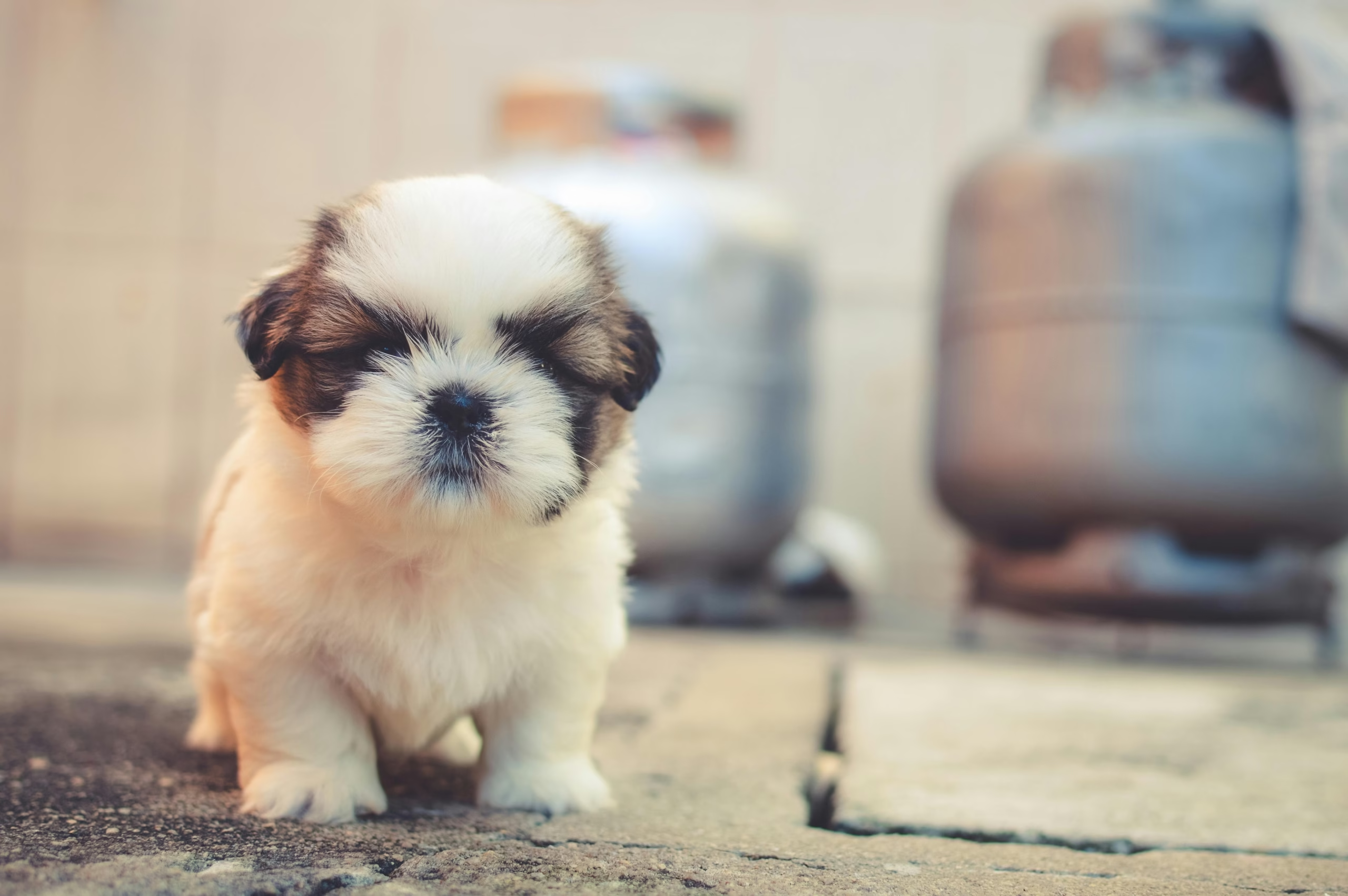
How long can a dog go without peeing? Learn about dog urinary retention & puppy bladder control. Find out crucial info on your pet’s bladder health & prevent accidents! Read now!
How Long Can A Dog Go Without Peeing? A Comprehensive Guide
For responsible dog owners, understanding their canine companion’s needs is paramount. One crucial aspect of canine care is knowing how long can a dog go without peeing. This isn’t just about convenience; it’s about preventing serious health issues like dog urinary retention. This comprehensive guide will delve into the factors influencing bladder control in dogs, address concerns about puppy bladder control, and provide you with the knowledge to ensure your furry friend’s urinary health.
Factors Affecting How Long a Dog Can Hold Their Pee
Several factors determine how long your dog can hold its urine. These factors influence bladder capacity and the dog’s ability to control their urination.
Age: Puppies, due to their underdeveloped bladders and limited bladder control, have significantly shorter holding times than adult dogs. Understanding puppy bladder control is key to successful house training. A new puppy might need to go every hour or two, while an older dog may be able to hold it for much longer. You’ll find that regular potty training helps establish a solid routine. We explore more details about canine vaccinations such as the Canine DHPP vaccine at https://pupquotes.com/blog/what-is-canine-dhpp-vaccine/ that may need to be considered.
Size and Breed: Larger dog breeds generally have larger bladders than smaller breeds. Therefore, a Great Dane can likely hold its urine longer than a Chihuahua. However, breed-specific tendencies also play a role. Some breeds are naturally prone to urinary issues.
Water Intake: A dog that drinks a lot of water will need to urinate more frequently. This is perfectly normal, but it’s crucial to ensure they have frequent access to fresh water. Conversely, limiting water intake might extend their holding time, but doing so excessively can be detrimental to their health, potentially leading to dehydration.
Health Conditions: Underlying medical conditions can significantly impact a dog’s ability to urinate. Conditions like urinary tract infections (UTIs), kidney disease, and diabetes can affect bladder control and lead to dog urinary retention. If you notice changes in your dog’s urination habits, such as increased frequency, straining to urinate, accidents in the house, or blood in the urine, consult your veterinarian immediately. These symptoms could indicate a serious health issue. We talk more about responsible pet ownership on our site, including topics such as the Canine Bordetella Vaccine, at https://pupquotes.com/blog/what-is-canine-bordetella-vaccine/.
Individual Differences: Just like humans, individual dogs have varying bladder capacities and control levels. Some dogs might naturally be better at holding their urine than others.
How Long Can a Dog Go Without Peeing? A General Guideline
There’s no single answer to how long can a dog go without peeing. It’s highly dependent on the factors discussed above. However, a general guideline is as follows:
- Puppies (under 6 months): Can typically hold their urine for approximately one hour for every month of age. So, a 3-month-old puppy can potentially hold it for around 3 hours. Consistent potty training is vital at this stage, establishing a regular elimination schedule to help with puppy bladder control.
- Adult Dogs (over 6 months): Most adult dogs can hold their urine for 6-8 hours. However, this can vary considerably based on size, breed, water intake, and individual factors. For some, it might be closer to 4 hours, while others might manage up to 10-12 hours.
Important Note: Never intentionally leave your dog for extended periods without access to urination facilities. Consistent access to outdoor breaks ensures the health of your dog’s urinary system and avoids accidents.
Dog Urinary Retention: Recognizing the Symptoms
Dog urinary retention is a serious condition where a dog is unable to empty its bladder completely or at all. It can be caused by various factors, including urinary tract blockages, nerve damage, or underlying medical conditions. Recognizing the signs early is crucial for prompt veterinary intervention. Symptoms of dog urinary retention include:
- Frequent attempts to urinate with little or no urine produced.
- Straining or crying when trying to urinate.
- Leaking urine.
- Pain or discomfort in the abdomen.
- Lethargy and decreased appetite.
- Increased thirst.
If your dog displays any of these symptoms, seek immediate veterinary care. Delaying treatment can lead to severe complications, including bladder rupture.
Preventing Urinary Issues in Dogs
Proactive measures can significantly reduce the risk of urinary problems in dogs:
- Regular Vet Checkups: Schedule regular check-ups with your veterinarian, allowing for early detection and treatment of potential issues.
- Proper Hydration: Provide your dog with access to fresh, clean water at all times.
- Balanced Diet: Feed your dog a high-quality diet tailored to its age and breed.
- Consistent Potty Training: Establish a consistent potty training routine, especially for puppies. This helps promote puppy bladder control and prevents accidents.
- Monitor Urination Habits: Pay attention to your dog’s urination habits. Any significant changes warrant a veterinary consultation.
- Exercise: Regular exercise helps maintain a healthy digestive and urinary system.
For more fun insights into the world of canines, you might find our blog post on whether bears are in the canine family interesting: https://pupquotes.com/blog/are-bears-in-the-canine-family/.
The Role of Lifestyle and Environment
Your dog’s environment and lifestyle can influence their urinary habits. Stress, anxiety, and changes in routine can affect bladder control. If you’ve recently moved, adopted a new pet, or experienced a significant life change, monitor your dog’s urination patterns carefully. Consider creating a calming and predictable environment to minimize stress. We offer a serene and relaxing atmosphere for your canine companion at our country canine resort: https://pupquotes.com/blog/a-country-canine-resort/.
For insights into canine development, you may find this helpful link about when canine teeth fall out: https://pupquotes.com/blog/when-do-canine-teeth-fall-out/.
Seeking Professional Help
Remember, this guide provides general information and shouldn’t replace professional veterinary advice. If you have concerns about your dog’s urination, always consult your veterinarian. They can accurately diagnose any underlying conditions and provide tailored treatment. This is especially important if you suspect dog urinary retention.
External Resources:
- American Kennel Club (AKC): Provides comprehensive information on dog health and care.
- American Veterinary Medical Association (AVMA): Offers resources on canine health and wellness.
- Veterinary Partner: A valuable resource for pet owners seeking information about various pet health concerns. (Link to Veterinary Partner website here. I am an AI and cannot browse the web to find this link. Please provide the relevant link)
Conclusion: Share Your Experiences!
Understanding how long can a dog go without peeing is crucial for responsible dog ownership. By paying attention to your dog’s individual needs, providing proper care, and seeking veterinary attention when necessary, you can help prevent serious urinary issues and ensure your canine companion remains healthy and happy. Now we want to hear from you! Share your experiences with puppy bladder control, dog urinary retention, or any other urinary concerns in the comments below. Let’s learn from each other and create a supportive community for dog owners!
Frequently Asked Questions: How Long Can a Dog Go Without Peeing?
1. How long can a healthy adult dog go without peeing?
A healthy adult dog can typically hold their bladder for around 6-8 hours. However, this depends on factors like size, breed, and overall health. Smaller dogs generally need to urinate more frequently than larger dogs. Prolonged periods without urination could indicate a problem, potentially pointing to Dog Urinary Retention.
2. How long can a puppy go without peeing?
Puppies have much smaller bladders and less bladder control than adult dogs. A general rule is that a puppy can hold their bladder for about one hour for every month of age, up to a maximum of 8 hours. For example, a 3-month-old puppy can usually hold it for about 3 hours. Consistent potty training is crucial for developing Puppy Bladder Control.
3. My dog seems to be straining to pee, what should I do?
Straining to urinate can be a sign of several issues, including urinary tract infections, bladder stones, or Dog Urinary Retention. It’s crucial to consult a veterinarian immediately. Delaying treatment can worsen the condition and potentially lead to more serious health problems.
4. How long can a senior dog go without peeing?
Senior dogs may experience age-related changes that affect their bladder control. They might need to urinate more frequently than younger dogs, and may not be able to hold it for as long. If you notice changes in your senior dog’s urination habits, such as increased frequency or accidents, consult your vet. This could also be linked to Dog Urinary Retention in older animals.
5. My dog hasn’t peed in 12 hours, is this normal?
No, this is not normal. If your dog hasn’t peed in 12 hours, it’s a serious concern and requires immediate veterinary attention. This could be a sign of Dog Urinary Retention and needs prompt diagnosis and treatment.
6. What are the signs of Dog Urinary Retention?
Signs of Dog Urinary Retention include straining to urinate, frequent attempts to urinate without success, restlessness, discomfort, and possibly even abdominal pain. If you suspect Dog Urinary Retention, contact your veterinarian immediately. They may recommend further tests to rule out or confirm other underlying conditions.
7. Can certain health conditions affect how long a dog can hold their urine?
Yes, many health issues, such as kidney disease, diabetes, and urinary tract infections, can affect bladder control and lead to increased urination frequency or accidents. Regular veterinary check-ups, especially for senior dogs, are important for early detection and management of such conditions. Think of it like getting your own health checked regularly, much like you’d consider the canine DHPP vaccine or the canine Bordetella vaccine for preventative care.
8. How can I improve my puppy’s bladder control?
Consistent potty training is essential for developing Puppy Bladder Control. Establish a regular potty schedule, reward successful potty breaks, and supervise your puppy closely. Crate training can also be helpful. Remember, patience and consistency are key. Perhaps consider a relaxing stay at A Country Canine Resort to ease some of the training pressures.
9. Is it cruel to leave a dog alone for 10 hours without access to pee?
For most adult dogs, leaving them for 10 hours without access to relieve themselves is likely too long. Depending on factors mentioned above, it can lead to discomfort, stress, and potential health complications. It’s always best to arrange for someone to let your dog out, or to consider shorter periods of time away from home.
10. Are there any breed-specific differences in bladder control?
While not a hard-and-fast rule, some smaller breeds may naturally have smaller bladders and need to urinate more frequently. However, individual differences within breeds are substantial. Just like not all dogs are part of the canine family – for example, are bears in the canine family? – there is individual variation in every breed. Regardless of breed, it’s important to observe your dog’s individual needs and adjust their potty schedule accordingly. Remember to check your dogs teeth as they age too, did you know when do canine teeth fall out??

How Long Can a Dog Go Without Peeing? A Guide for Responsible Pet Owners
The length of time a dog can hold their bladder varies significantly depending on several factors. Understanding these factors is crucial for responsible pet ownership and preventing potential health issues. It’s not just about convenience; it’s about their wellbeing.
Factors Affecting Bladder Control in Dogs
Several factors influence how long your furry friend can wait to relieve themselves:
- Age: Puppies, due to their underdeveloped bladders and less developed control, have shorter holding times than adult dogs. Similarly, senior dogs might experience age-related incontinence issues, needing more frequent bathroom breaks. Understanding this is crucial, especially when considering the essential vaccinations, such as the canine DHPP vaccine [https://pupquotes.com/blog/what-is-canine-dhpp-vaccine/], during a puppy’s early life.
- Breed and Size: Smaller breeds generally have smaller bladders and thus need to urinate more frequently than larger breeds.
- Health: Underlying medical conditions like urinary tract infections (UTIs), kidney disease, or diabetes can affect bladder control. If you notice changes in your dog’s urination habits, it’s vital to consult your veterinarian. A healthy dog, properly vaccinated against illnesses like canine Bordetella [https://pupquotes.com/blog/what-is-canine-bordetella-vaccine/], is less likely to experience complications.
- Water Intake: Dogs who drink more water will need to urinate more often. This is perfectly normal.
- Individual Differences: Just like humans, each dog is an individual. Some dogs naturally have better bladder control than others.
How Long is Too Long?
While there’s no single answer, a general guideline is that adult dogs can typically hold their urine for approximately 8 hours. However, this is an absolute maximum, and exceeding it regularly can be detrimental to their health. Puppies, on the other hand, will need more frequent breaks, often every 2-4 hours, depending on their age and size. Regular potty breaks are essential for their development and health.
Leaving your dog alone for extended periods, especially in inappropriate environments, can increase stress. It also has implications that extend beyond their immediate comfort, something to bear in mind when thinking about places that offer boarding and care such as a country canine resort [https://pupquotes.com/blog/a-country-canine-resort/].
Signs of Urinary Problems
Pay attention to these signs, which might indicate your dog is struggling to hold their urine or has a urinary problem:
- Frequent urination or accidents in the house.
- Straining to urinate.
- Blood in the urine.
- Excessive licking of the genital area.
- Changes in appetite or behavior.
Preventing Accidents and Maintaining Bladder Health
- Establish a regular potty schedule.
- Provide ample opportunities for your dog to urinate, particularly after waking up, eating, and playing.
- Limit water intake before bedtime.
- Never punish your dog for accidents; this can increase stress and worsen the problem.
- Consult your veterinarian if you notice any changes in your dog’s urination habits. Remember, early detection is key to addressing any potential health issues. A strong understanding of canine development, including topics such as when canine teeth fall out [https://pupquotes.com/blog/when-do-canine-teeth-fall-out/], is helpful but shouldn’t replace professional veterinary advice. Also, remember that dogs are not related to bears; while both are mammals, their lineage differs greatly, as explored in the article, are bears in the canine family? [https://pupquotes.com/blog/are-bears-in-the-canine-family/]
By paying attention to these tips and regularly monitoring your dog’s health, you can ensure their comfort and prevent potential problems. Remember to always consult your veterinarian for any concerns regarding your dog’s health.
How Long Can A Dog Go Without Peeing, Dog Urinary Retention, Puppy Bladder Control