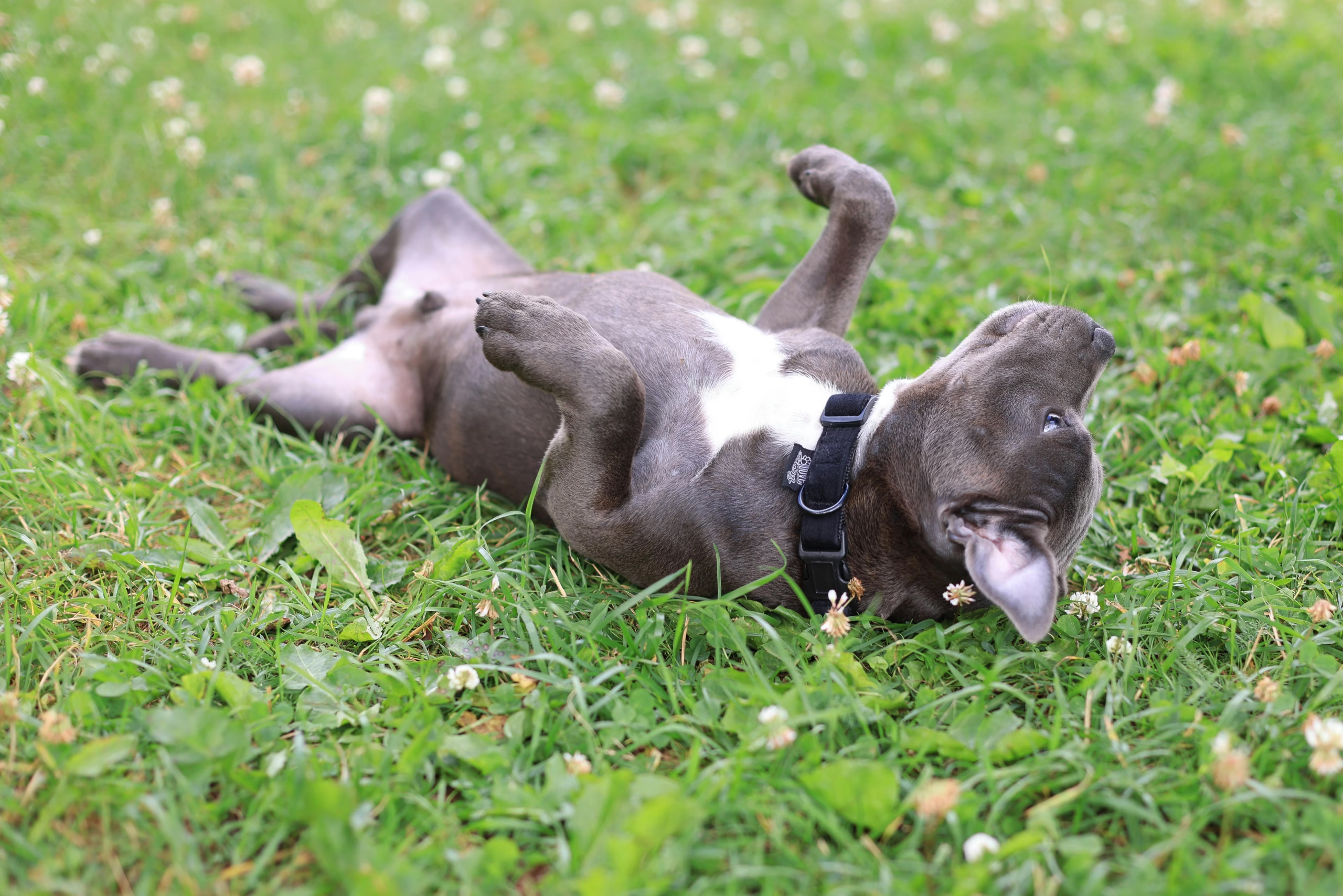
How long can a puppy be left alone? Find out the safe limits for leaving puppy alone, and how to manage puppy alone time. Expert advice to prevent anxiety & accidents! Learn more now.
How Long Can A Puppy Be Left Alone? A Comprehensive Guide
Bringing home a new puppy is an exciting time, filled with playful cuddles and endless adorable moments. However, the reality of puppy parenthood quickly sets in, and one of the first major questions new owners grapple with is: How long can a puppy be left alone? This seemingly simple question has a complex answer, dependent on several crucial factors. Understanding these factors is key to ensuring your puppy’s safety, well-being, and healthy development. Leaving your puppy alone for too long can lead to separation anxiety, destructive behaviors, and even accidents. This guide will delve into the intricacies of leaving a puppy alone, helping you determine the appropriate timeframes and providing strategies for managing alone time.
How Long Can A Puppy Be Left Alone? The Age Factor
The most significant factor determining how long you can leave a puppy alone is its age. Very young puppies, particularly those under 8 weeks old, have incredibly limited bladder and bowel control. Leaving an 8-week-old puppy alone for even an hour can lead to accidents, discomfort, and potential health issues. At this age, the ideal scenario involves frequent potty breaks and constant supervision. As they mature, their ability to hold their bladders and bowels increases gradually.
8-12 weeks: Puppies in this age range generally need a potty break every 2-3 hours. Therefore, leaving a puppy alone for longer than 2-3 hours is generally not recommended. This period is also crucial for socialization and early training, so regular interaction is essential. Remember that during this crucial developmental stage, ensuring your puppy receives the correct vaccinations is vital. You should consult your veterinarian regarding the necessary vaccines, such as the canine DHPP vaccine (learn more about it at https://pupquotes.com/blog/what-is-canine-dhpp-vaccine/), and the canine Bordetella vaccine (https://pupquotes.com/blog/what-is-canine-bordetella/) to protect them against common canine illnesses.
3-6 months: As your puppy grows, their bladder capacity increases. At this stage, they might be able to hold it for 3-4 hours, but this depends on individual factors like breed and size. However, leaving a puppy alone for extended periods even at this age isn’t ideal. Consider using a crate training method; a crate provides a safe and secure space for your puppy during periods of leaving a puppy alone. Furthermore, it helps them develop housetraining skills. Remember to consider the time taken for play, training and feeding during this critical developmental period.
6-12 months: By six months old, most puppies can comfortably hold their bladder for 4-6 hours. However, this is still a relatively short time compared to an adult dog. It’s also during this period that puppies start teething. Be aware that teething puppies may exhibit increased chewing behavior (learn more about the timeline here: https://pupquotes.com/blog/when-do-canine-teeth-fall-out/). They might also be more prone to destructive behaviors if left alone for too long.
Puppy Alone Too Long: Recognizing the Signs
Understanding your puppy’s signals is crucial. If you suspect that your puppy has been left alone too long, observe for these indicators:
- Excessive Urination or Defecation: Accidents outside their designated potty area are clear signs of needing more frequent breaks.
- Destructive Behavior: Chewing furniture, digging up plants, or excessive barking are stress responses often seen when a puppy is alone for extended periods.
- Separation Anxiety: Excessive barking, whining, pacing, or destructive behavior immediately before your departure and upon your return indicates separation anxiety.
- Lethargy or Depression: A significant change in your puppy’s usual playful attitude could indicate stress.
If you notice any of these behaviors, reconsider your puppy’s alone time. You might need to adjust your schedule, hire a dog walker, or explore alternative solutions.
Leaving Puppy Alone: Strategies for Success
Successfully managing your puppy’s alone time requires a multi-pronged approach:
Crate Training: This method provides a safe and secure space, especially beneficial for leaving a puppy alone. Ensure the crate is appropriately sized and comfortable.
Potty Training: Thorough potty training is essential to minimize accidents. Establish a regular potty routine and reward your puppy for success.
Enrichment Activities: Provide your puppy with stimulating toys and puzzles to keep them occupied while you’re away. This helps prevent boredom and destructive behavior.
Gradual Desensitization: If your puppy suffers from separation anxiety, gradually increase the duration of their alone time. Start with short periods and gradually lengthen them, rewarding calm behavior.
Dog Walker or Pet Sitter: If your schedule doesn’t allow for frequent breaks, consider hiring a dog walker or pet sitter to provide midday care.
Regular Exercise: A well-exercised puppy is less likely to be destructive or anxious when left alone. Ensure your puppy receives adequate physical and mental stimulation.
Professional Help: If separation anxiety is severe, seek guidance from a certified professional dog trainer or veterinary behaviorist.
Puppy Alone Too Long: Breed and Size Considerations
The breed and size of your puppy also influence how long they can be left alone. Small breeds generally have smaller bladders and may need more frequent bathroom breaks compared to larger breeds. Giant breeds, while having larger bladders, still need regular exercise and may develop destructive behavior if left alone for extended periods due to their higher energy levels.
How Long Can A Puppy Be Left Alone? Beyond the Basics
Remember, this guide provides general guidelines. The appropriate time your puppy can be left alone depends on multiple factors. As mentioned previously, dental development is a significant factor in a puppy’s behavior and is worth consideration. You can learn more about when canine teeth erupt at https://pupquotes.com/blog/when-do-canine-teeth-erupt-in-the-horse/. Always prioritize your puppy’s well-being. If in doubt, err on the side of caution and provide more frequent attention.
Observing your puppy’s behavior is crucial. If you notice signs of distress or anxiety, you may need to adjust the amount of time your puppy is alone or seek professional help. The American Society for the Prevention of Cruelty to Animals (ASPCA) and the Humane Society of the United States (HSUS) offer valuable resources on puppy care and responsible pet ownership. You can explore their websites for more detailed information. For instance, their guidelines on appropriate veterinary care, including vaccination schedules, are widely recognized. [Link to ASPCA resource on puppy care] [Link to HSUS resource on puppy care].
Conclusion: Share Your Experiences
Understanding how long can a puppy be left alone is a crucial aspect of responsible pet ownership. This detailed guide provides a starting point for determining the appropriate alone time for your puppy, considering factors such as age, breed, size, and individual behavior. Remember to prioritize your puppy’s safety and well-being. Always monitor their behavior and adapt your approach as needed. How do you manage your puppy’s alone time? Share your experiences and tips in the comments below! Let’s build a supportive community for new puppy parents!
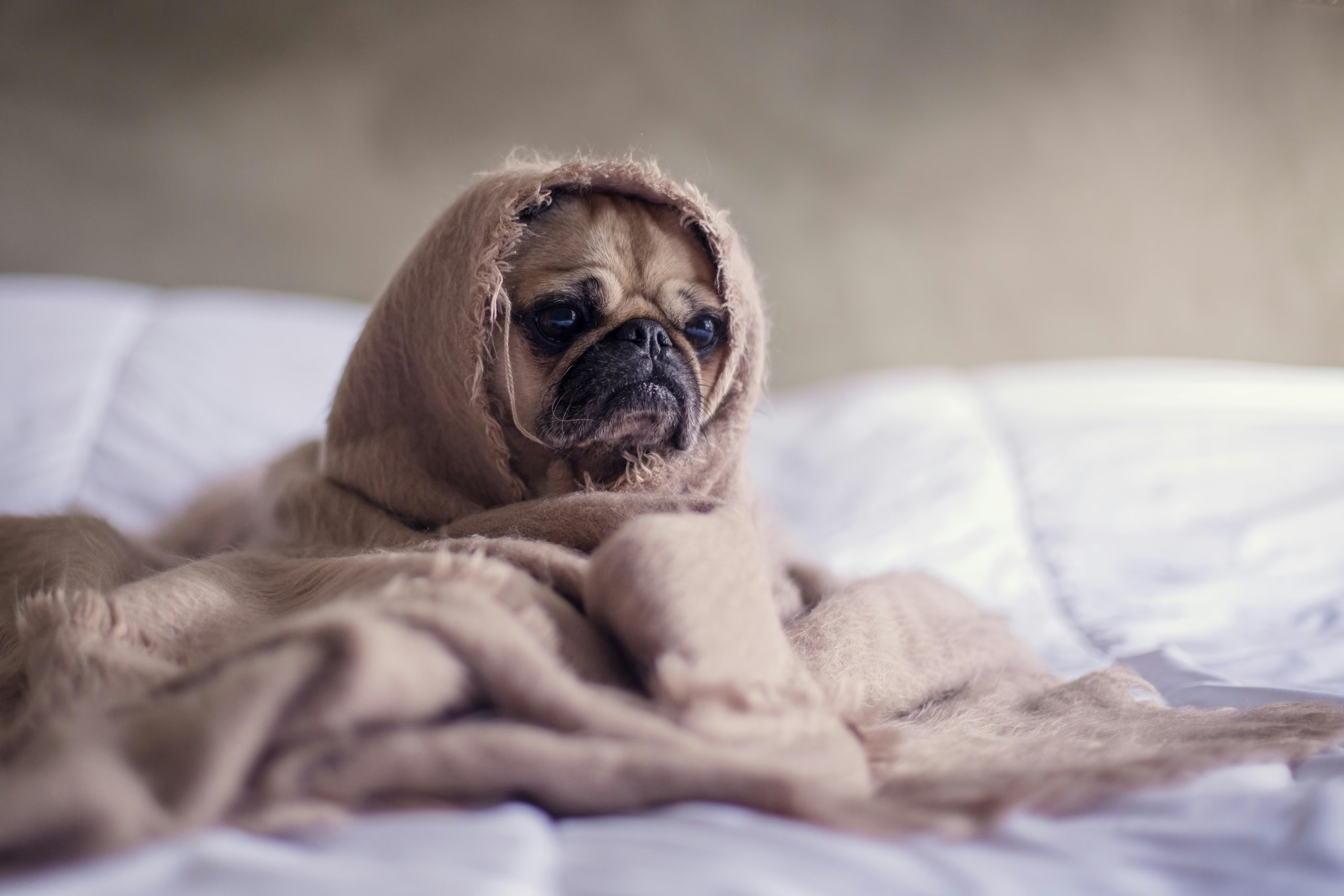
Frequently Asked Questions: Leaving a Puppy Alone
1. How long can an 8-week-old puppy be left alone?
An 8-week-old puppy should ideally never be left alone for more than 1-2 hours. At this age, they need frequent potty breaks, feeding, and social interaction. Leaving a puppy this age alone for too long can lead to accidents, anxiety, and even destructive behavior. Consider the impact of Leaving Puppy Alone for extended periods on their development.
2. How long can a 12-week-old puppy be left alone?
A 12-week-old puppy can tolerate slightly longer periods alone, perhaps up to 3-4 hours, but this still depends on their bladder control and individual needs. Remember, even with a short time Leaving Puppy Alone, accidents are possible. Ensure they have access to water and a safe, comfortable space. This is still a crucial stage for socialization, so ideally, shorter periods are better. You should ensure your puppy has had their vital vaccinations such as the Canine DHPP vaccine (https://pupquotes.com/blog/what-is-canine-dhpp-vaccine/) and Canine Bordetella vaccine (https://pupquotes.com/blog/what-is-canine-bordetella-vaccine/) before leaving them alone or introducing them to other dogs.
3. My puppy cries when I leave; is this normal?
Yes, it’s common for puppies to cry when left alone, especially initially. This is a sign of separation anxiety. Gradually increase the time you leave them alone, starting with very short periods. Never punish them for crying; instead, focus on positive reinforcement training. Ensure their vaccination status is up to date (check out information on Canine Bordetella (https://pupquotes.com/blog/what-is-canine-bordetella/)).
4. How long can a puppy be left alone overnight?
Generally, a puppy should not be left alone overnight until they are much older and fully house-trained, typically at least 6 months old. Even then, overnight alone time should be approached cautiously. Leaving Puppy Alone overnight at a young age significantly increases the likelihood of accidents and stress.
5. What are the signs my puppy has been left alone too long?
Signs your puppy has been left alone too long include accidents in the house, excessive barking or whining, destructive chewing, and changes in behavior, like increased anxiety. This is a clear indication of the dangers of Puppy Alone Too Long.
6. My puppy is alone for 6 hours a day. Is that okay?
No, six hours is generally too long to leave a puppy alone, regardless of age, unless exceptional circumstances and you have put proper preparations in place. Consider arranging for doggy daycare, a dog walker, or a pet sitter. Prolonged periods of Leaving Puppy Alone can negatively affect your puppy’s emotional and physical well-being.
7. How can I help my puppy adjust to being left alone?
Start with short periods of leaving your puppy alone, gradually increasing the duration. Use a crate or safe space. Provide engaging toys and chews. Consider pheromone diffusers. Make your departures and arrivals low-key.
8. At what age can I start leaving my puppy alone for longer periods?
The length of time a puppy can be left alone depends on their age, bladder control, and individual temperament. Generally, gradually increase the time as they mature. Even as they grow, make sure to monitor their behaviour and consider the implications of Puppy Alone Too Long. It’s not simply about age, but their ability to handle being alone.
9. My puppy is chewing everything when I’m gone. How can I stop this?
Destructive chewing when Leaving Puppy Alone is often a sign of boredom or anxiety. Provide plenty of appropriate chew toys, rotate them regularly, and ensure your puppy gets enough exercise. If the chewing persists, consult a veterinarian or professional dog trainer.
10. What is the maximum time I can leave my adult dog alone?
While adult dogs can generally tolerate longer periods alone, this also depends on their breed, training, and individual needs. Consider the breed’s history and average size, if they are prone to Canine teeth problems, such as when canine teeth erupt in the horse (https://pupquotes.com/blog/when-do-canine-teeth-erupt-in-the-horse/) or when canine teeth fall out (https://pupquotes.com/blog/when-do-canine-teeth-fall-out/). However, most experts still recommend limiting alone time to no more than 8 hours a day. Leaving an adult dog alone for extended periods is not recommended, especially if it leads to any problems similar to the scenarios mentioned above on How Long Can A Puppy Be Left Alone.

How Long Can a Puppy Be Left Alone? A Practical Guide
Leaving a puppy alone can be stressful for both you and your furry friend. The amount of time a puppy can safely be left unsupervised depends heavily on their age, breed, and training level. It’s crucial to prioritize their well-being and avoid situations that could lead to anxiety, accidents, or even harm.
Age and Bladder Control: A Key Factor
The most critical factor determining alone time is your puppy’s age and bladder control. Very young puppies (under 4 months) have limited bladder control. They need frequent potty breaks, typically every 2-3 hours, sometimes even more often. Leaving them for longer periods at this age is risky and can lead to accidents, which can impact their training and create health problems. As they grow, their bladder capacity increases. However, even older puppies might need more frequent breaks if they have a smaller bladder, like those in teacup breeds.
Puppy’s Age and Vaccination Status
Before venturing out, ensuring your puppy is adequately vaccinated is crucial. This is because puppies are especially vulnerable to illnesses like parvovirus or kennel cough. We recommend consulting your veterinarian and ensuring your puppy receives essential vaccinations such as the canine DHPP vaccine (https://pupquotes.com/blog/what-is-canine-dhpp-vaccine/), which protects against several deadly diseases. Similarly, the canine Bordetella vaccine (https://pupquotes.com/blog/what-is-canine-bordetella-vaccine/) and understanding Bordetella itself (https://pupquotes.com/blog/what-is-canine-bordetella/) are critical for protecting against kennel cough, especially if your puppy will be interacting with other dogs in a daycare or dog park setting. Until your puppy has completed their vaccination series, limit exposure to public places and other dogs. Remember, while your puppy is young their immune system needs time to fully develop.
Gradual Desensitization & Crate Training
Start by gradually increasing the time your puppy spends alone. Begin with short intervals (15-30 minutes) and gradually extend the time as they show comfort. Crate training can be immensely beneficial, providing a safe and secure space for your puppy to relax when left alone. The crate should be appropriately sized, comfortable, and not used as punishment. Positive reinforcement techniques are key in successful crate training.
Dental Development & Chewing
Keep in mind the developmental stages of your puppy. The teething process (https://pupquotes.com/blog/when-do-canine-teeth-fall-out/) can be challenging, and puppies often chew to alleviate discomfort. Understanding when canine teeth erupt (https://pupquotes.com/blog/when-do-canine-teeth-erupt-in-the-horse/) (though this link refers to horses, the principle remains the same for dogs – albeit with a different timeline) helps you anticipate this period and provide appropriate chew toys to prevent destructive chewing on your belongings.
Health Considerations
Before leaving your puppy alone, ensure they have access to fresh water and a comfortable resting area. Observe them for any signs of distress, illness, or injury. Monitor their bowel movements and eating habits. Consult your veterinarian if you notice any changes in their behavior or health.
Conclusion
Finding the right balance between your responsibilities and your puppy’s needs requires careful planning and attention. Remember, responsible pet ownership involves prioritizing your puppy’s well-being and ensuring they are safe and comfortable, even when you’re away. Gradually increase alone time, monitor their behavior, and provide them with a safe and enriching environment to minimize anxiety and ensure they thrive.
How Long Can A Puppy Be Left Alone, Leaving Puppy Alone, Puppy Alone Time