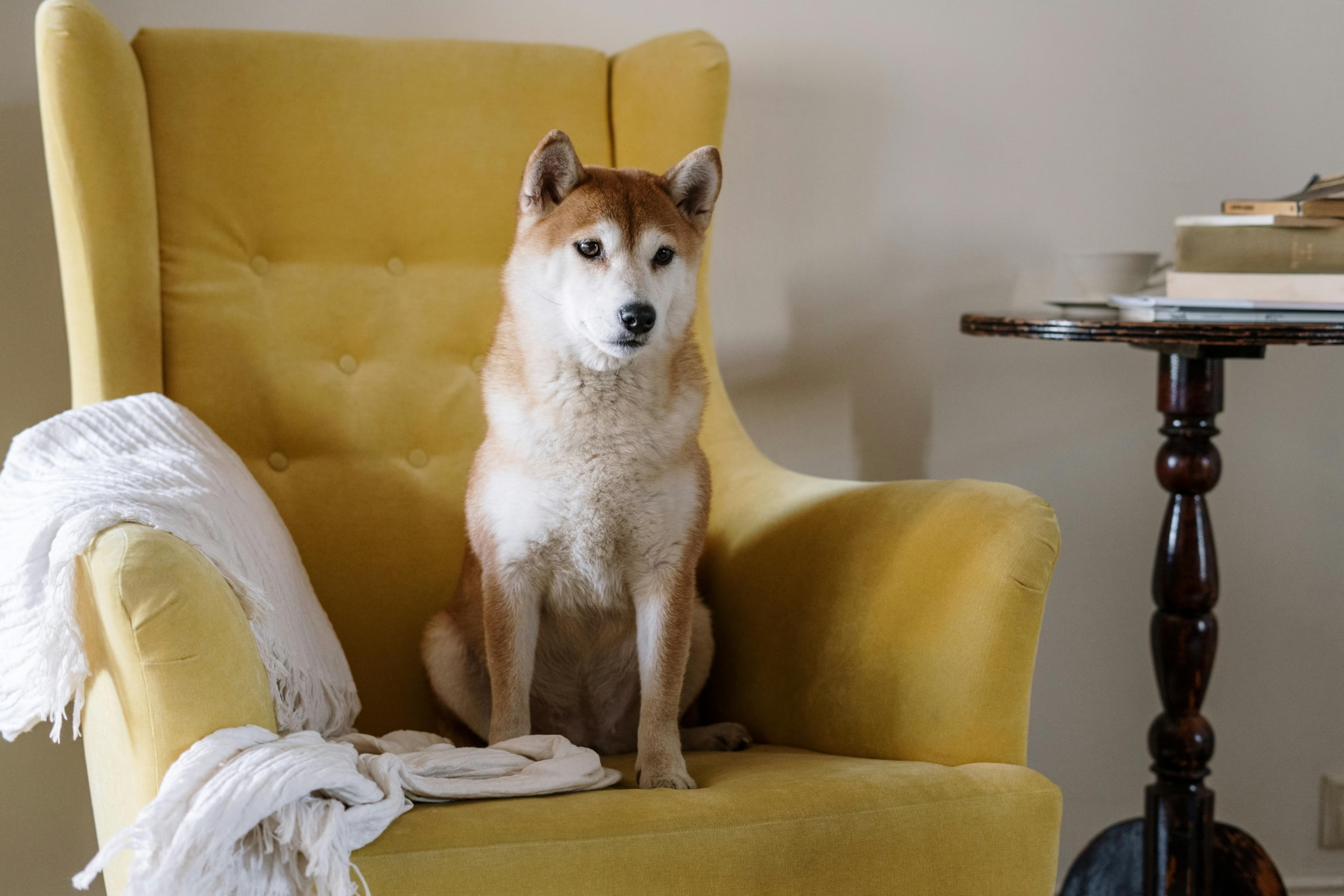
How Often Should Puppies Poop? Find out the normal puppy pooping frequency & what’s considered excessive. Learn key indicators of healthy digestion & when to see a vet. Puppy Pooping Frequency explained! How Often Do Puppies Need to Poop?
How Often Should Puppies Poop? A Comprehensive Guide to Puppy Poop Frequency
Bringing home a new puppy is an exciting experience, filled with playful moments and endless cuddles. However, it also comes with the responsibility of potty training. One of the most frequently asked questions by new puppy owners is: How Often Should Puppies Poop? Understanding your puppy’s poop frequency is crucial for successful potty training and ensuring their overall health. This comprehensive guide will explore puppy poop frequency, provide a helpful puppy potty training schedule, and address common concerns.
Understanding Puppy Poop Frequency
The frequency of puppy bowel movements varies greatly depending on several factors, including age, breed, diet, and health. Generally, you can expect a very young puppy (under 8 weeks) to need to eliminate much more frequently than an older one. While there’s no magic number, a good rule of thumb is that puppies will need to poop after every meal, after every nap, and after every playtime session.
How Often Should Puppies Poop Based on Age?
Newborn Puppies (0-4 weeks): These tiny bundles of joy will need to eliminate almost immediately after feeding. Their digestive systems are still developing, so expect frequent, small bowel movements. Their mothers will typically assist with cleanliness.
Puppies (4-8 weeks): As they begin to wean, their pooping frequency will decrease slightly, but they will still need to go several times a day. This is a critical period for establishing a consistent puppy potty training schedule.
Puppies (8-12 weeks): This is when most puppies start to hold their bowels for longer periods. You can gradually increase the time between potty breaks. Remember, consistency is key!
Puppies (12+ weeks): Older puppies should be able to hold it for several hours between potty breaks, although nighttime accidents might still occur. If your puppy is not making any progress, consult with your veterinarian. They can discuss vaccination schedules such as the canine DHPP vaccine, canine Bordetella vaccine, or canine DA2PP vaccine, and rule out any underlying health issues.
Factors Influencing Puppy Poop Frequency
Beyond age, other factors play a significant role in how often your puppy poops:
Diet: The type and quality of food greatly impact your puppy’s digestive system. A high-quality diet designed for puppies usually results in firmer and less frequent stools. Switching foods can temporarily change their bowel movements.
Breed: Larger breeds tend to have less frequent bowel movements than smaller breeds.
Hydration: Adequate water intake is vital for proper digestion. Dehydration can lead to harder stools and constipation, while overhydration can cause diarrhea.
Health: Diarrhea or constipation can indicate underlying health problems. If you notice a significant change in your puppy’s bowel movements, schedule a visit to your veterinarian immediately. Remember that regular vet check-ups are important, especially to ensure your puppy is up to date with crucial vaccines, such as the canine DHPP vaccine or the canine DA2PP vaccine.
Medication: Certain medications can impact a puppy’s digestive system and therefore affect their bowel movements.
Stress: Changes in environment, new family members, or even loud noises can affect your puppy’s gut health.
Creating a Successful Puppy Potty Training Schedule
A consistent puppy potty training schedule is essential for successfully housebreaking your puppy. This involves frequent potty breaks, positive reinforcement, and patience.
Establishing a Routine
Consistent Schedule: Puppies thrive on routine. Take your puppy outside frequently – immediately after waking up, after meals, after playtime, and before bedtime. Initially this might mean every hour or even more often.
Designated Potty Spot: Choose a consistent spot in your yard for your puppy to eliminate. This helps them learn to associate that location with relieving themselves.
Positive Reinforcement: Reward your puppy immediately and lavishly when they eliminate in the designated spot. Treats, praise, or a favorite toy work wonders.
Supervise Closely: Especially in the early stages, keep a watchful eye on your puppy. Watch for signs that they need to go, such as circling, squatting, or whining.
Crate Training (Optional): For many, crate training can be a helpful tool. Puppies generally dislike soiling their sleeping area, making accidents less likely. Remember, however, never use the crate as punishment. It should be a safe and comfortable space.
Dealing with Accidents
Accidents will happen, especially in the beginning. Don’t punish your puppy; instead, clean up the mess thoroughly using an enzymatic cleaner to remove the scent. Positive reinforcement for successful potty breaks is far more effective than punishment.
Recognizing Abnormal Puppy Poop
While understanding puppy poop frequency is important, it’s equally crucial to recognize abnormal poops. Changes in consistency, color, or frequency can indicate underlying health issues. Consult your veterinarian immediately if you notice:
Bloody stool: This could signify a number of things, from parasites to more serious conditions.
Persistent diarrhea: Prolonged diarrhea can lead to dehydration and requires immediate veterinary attention.
Constipation: Hard, dry stools can be painful for your puppy.
Changes in stool color: Unusual colors (other than brown) can point to dietary issues or health problems.
Excessive vomiting: Combining vomiting with changes in bowel movements warrants immediate veterinary consultation. Your vet may run tests to see if there is a more significant concern.
Puppy Teeth and Vaccination Schedule: A Note on Timing
It’s also important to note that certain milestones in your puppy’s development could coincide with changes in their bowel movements. For example, the eruption of canine teeth (you can learn more about this at when do canine teeth erupt in the horse) and the later process of the canine teeth fall out (when do canine teeth fall out) can temporarily upset a puppy’s gut. Furthermore, the timing of important vaccines such as the canine DHPP vaccine (what is canine DHPP vaccine), canine Bordetella vaccine (what is canine bordetella vaccine), and canine DA2PP vaccine (what is canine DA2PP vaccine) should be coordinated with your vet to ensure your puppy’s overall health.
External Resources
For additional information on puppy potty training and canine health, please refer to these reputable sources:
- The American Kennel Club: https://www.akc.org/ (Insert a relevant AKC page link related to puppy care)
- The American Veterinary Medical Association: https://www.avma.org/ (Insert a relevant AVMA page link related to puppy care)
Conclusion: Sharing Your Puppy Potty Training Experience
Understanding how often should puppies poop is a key aspect of responsible puppy ownership. By following a consistent puppy potty training schedule, paying close attention to your puppy’s bowel movements, and seeking professional advice when necessary, you can ensure your furry friend’s health and happiness. We encourage you to share your experiences and tips regarding puppy poop frequency and your puppy potty training schedule in the comments below! Let’s learn from each other and create a supportive community for new puppy parents.
Frequently Asked Questions: How Often Should Puppies Poop?
1. How often should puppies poop?
Puppy poop frequency varies greatly depending on age, diet, and breed. Generally, newborn puppies may poop after every feeding. As they get older (around 8 weeks), you can expect several bowel movements a day. Establishing a regular Puppy Potty Training Schedule is key. Expect a decrease in frequency as they mature.
2. What’s a normal Puppy Poop Frequency for a 2-month-old puppy?
A 2-month-old puppy might poop 3-5 times a day, possibly more. This is considered normal. Monitor for changes in stool consistency, as this could indicate a health issue. Don’t forget about the importance of a consistent Puppy Potty Training Schedule during this crucial developmental stage, alongside necessary vaccinations like the canine DA2PP vaccine or the canine DHPP vaccine.
3. My puppy is pooping more than usual. Should I be worried?
Increased Puppy Poop Frequency can indicate various things, from diet changes to underlying health problems. If you notice a significant change coupled with other symptoms (lethargy, vomiting, diarrhea), consult your vet. They can help rule out any issues like parasites. Regular vaccinations such as the canine Bordetella vaccine are essential for a healthy pup and help maintain a normal Puppy Poop Frequency.
4. How can I establish a good Puppy Potty Training Schedule?
Consistency is vital. Take your puppy out frequently – immediately after waking up, after meals, and after playtime. Reward successful potty breaks immediately. With regular reinforcement, your pup will quickly learn their Puppy Potty Training Schedule and you’ll notice a more regulated Puppy Poop Frequency.
5. My puppy is constipated. What should I do?
If your puppy is straining to poop or producing hard, dry stools, it’s likely constipated. Offer plenty of fresh water and consider adding a small amount of canned pumpkin to their food. If the constipation persists, consult your veterinarian. This could also affect their Puppy Poop Frequency.
6. My puppy has diarrhea. What should I do?
Diarrhea in puppies is serious. If your puppy has diarrhea, monitor their hydration levels and contact your veterinarian immediately. They can determine the underlying cause and provide appropriate treatment. Changes in Puppy Poop Frequency and consistency should always be monitored closely.
7. Does the type of food affect Puppy Poop Frequency?
Yes, diet significantly influences Puppy Poop Frequency and stool consistency. Switching foods gradually can help avoid digestive upset. Consult your vet or a veterinary nutritionist for advice on the best food for your puppy’s age and breed.
8. What is considered abnormal Puppy Poop Frequency?
There is no single answer, as it depends on the puppy’s age and overall health. However, significant changes (e.g., sudden increase or decrease, very frequent loose stools, straining, blood in the stool) should always prompt a vet visit.
9. At what age do puppies typically start to have less frequent bowel movements?
As puppies mature beyond 6 months, their Puppy Poop Frequency generally decreases. The number of daily bowel movements will naturally become less frequent as they grow.
10. My puppy’s teeth are falling out; will that affect their Puppy Poop Frequency?
While teething can sometimes cause slight digestive upset in puppies, it shouldn’t drastically change their Puppy Poop Frequency. Learn more about when canine teeth fall out at https://pupquotes.com/blog/when-do-canine-teeth-fall-out/. Conversely, you might want to read about when canine teeth erupt in the horse at https://pupquotes.com/blog/when-do-canine-teeth-erupt-in-the-horse/ to get some context (although this refers to horses). Remember, consistent veterinary care, including vaccinations like the canine DA2PP vaccine https://pupquotes.com/blog/what-is-canine-da2pp-vaccine/, the canine DHPP vaccine https://pupquotes.com/blog/what-is-canine-dhpp-vaccine/, and the canine Bordetella vaccine https://pupquotes.com/blog/what-is-canine-bordetella-vaccine/, are vital for a healthy puppy.

How Often Should Puppies Poop? A Practical Guide
Understanding your puppy’s bowel movements is crucial for their health and well-being. The frequency of bowel movements varies greatly depending on several factors, including age, diet, and overall health. Let’s delve into practical tips and health considerations.
Frequency in Early Life
Newly-weaned puppies (around 4-8 weeks old) will poop more frequently than older dogs. Expect multiple bowel movements daily, sometimes even after each meal. This is normal as their digestive systems are still developing. Keep an eye on the consistency; it should be firm but not hard. If your puppy is experiencing diarrhea at this age, consult your veterinarian immediately. Proper vaccination is also vital at this stage – ensure your puppy has received the necessary shots, including the Canine DHPP vaccine (https://pupquotes.com/blog/what-is-canine-dhpp-vaccine/), Canine DA2PP vaccine (https://pupquotes.com/blog/what-is-canine-da2pp-vaccine/), and Bordetella vaccine (https://pupquotes.com/blog/what-is-canine-bordetella-vaccine/) to protect against various diseases. Around this time, you might also notice their baby teeth erupting (https://pupquotes.com/blog/when-do-canine-teeth-erupt-in-the-horse/), and later, falling out (https://pupquotes.com/blog/when-do-canine-teeth-fall-out/).
Frequency as They Grow
As your puppy matures (beyond 8 weeks), the frequency will likely decrease. Most adult dogs poop 1-3 times a day, though some may go less frequently. A healthy puppy’s stool should be firm, well-formed, and brown. Changes in stool consistency or frequency could indicate a problem.
Factors Influencing Bowel Movements
- Diet: The type and quality of food significantly affect stool frequency and consistency. Switching foods gradually can help prevent digestive upset.
- Hydration: Dehydration can lead to hard stools, so ensure your puppy always has access to fresh, clean water.
- Exercise: Regular exercise aids digestion.
- Underlying health conditions: Diarrhea, constipation, or changes in bowel habits could signal a medical issue. Consult your vet if you notice anything unusual.
When to See a Veterinarian
Consult your veterinarian if you observe:
- Frequent diarrhea
- Constipation (hard, dry stools)
- Blood in the stool
- Changes in bowel frequency significantly different from your puppy’s normal pattern
- Vomiting along with changes in bowel movements
- Lethargy or lack of appetite
Regular veterinary checkups are essential, especially for puppies, to monitor their overall health and address any concerns early on. A healthy digestive system is a crucial component of a happy and energetic puppy!
How Often Should Puppies Poop,Puppy Pooping Frequency,How Often Do Puppies Need to Poop