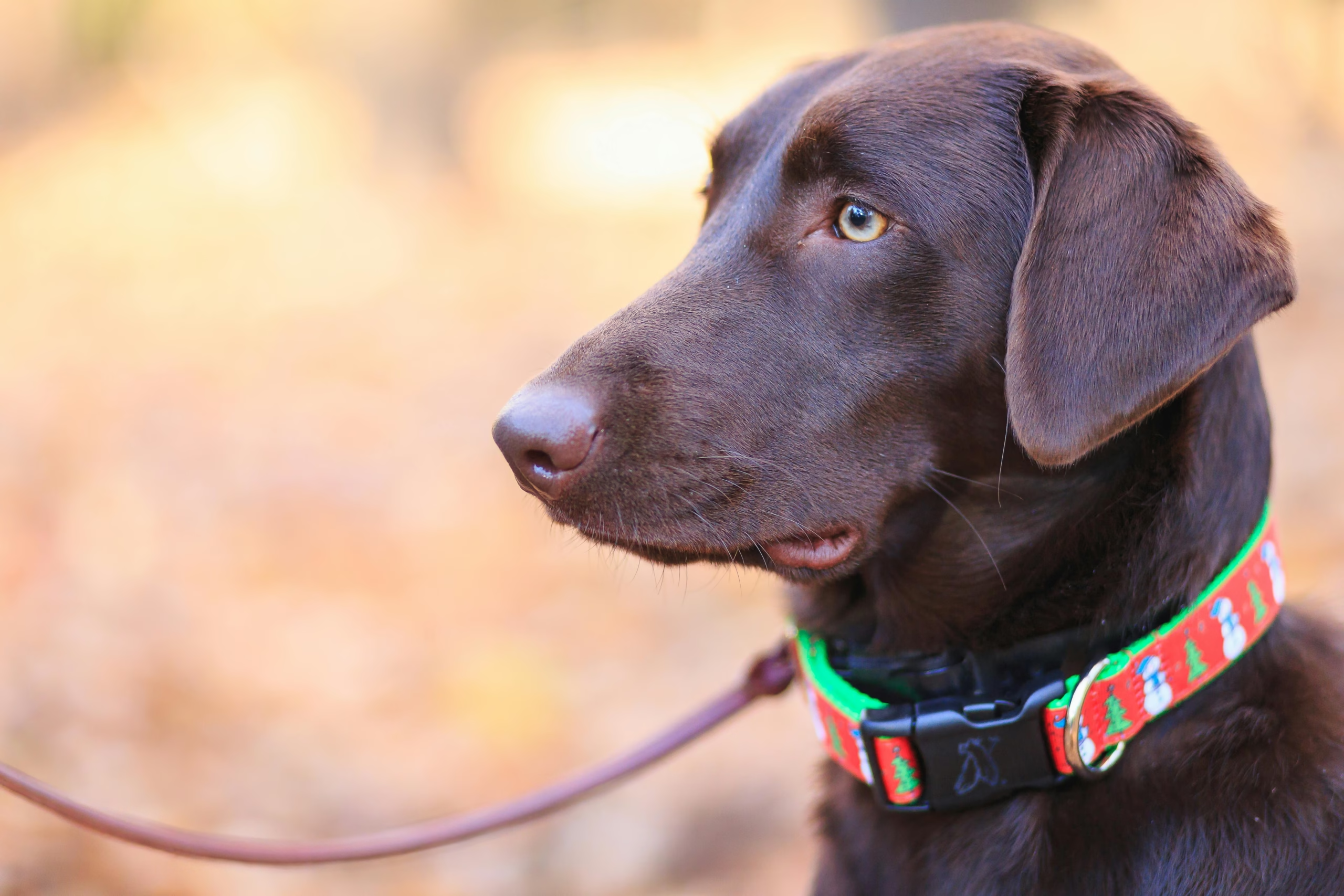
Learn how to train your dog as a service dog! Discover essential Service Dog Training techniques and Service Dog Requirements. Guide to successful service dog preparation. Get started today!
How To Get Your Dog To Be A Service Dog: A Comprehensive Guide
Transforming your beloved canine companion into a reliable service dog is a significant undertaking, requiring dedication, patience, and a deep understanding of service dog requirements. This comprehensive guide will walk you through the process, addressing key aspects of service dog training and helping you determine if your dog has the potential to become a valuable service animal. Remember, while this guide provides extensive information, it’s not a substitute for professional guidance.
Understanding Service Dog Requirements
Before embarking on the journey of how to get your dog to be a service dog, it’s crucial to understand the legal and practical requirements. Unlike emotional support animals, service dogs are specifically trained to perform tasks that mitigate a handler’s disability. These tasks must be directly related to the disability and cannot simply be providing comfort. The Americans with Disabilities Act (ADA) provides guidelines, but specific requirements can vary depending on your location and the nature of your disability. This may include navigating public spaces, alerting to specific situations, or providing physical assistance. The dog needs to reliably perform these tasks without causing disruption.
Choosing the Right Breed and Puppy: Essential Considerations
Selecting the right dog is paramount for success in service dog training. While any breed can theoretically be trained, certain breeds are better suited due to temperament, trainability, and physical characteristics. Calm, patient breeds with a strong work ethic are often preferred. Consider your own lifestyle and disability needs when making your choice.
For instance, a high-energy breed might be unsuitable for a handler with mobility limitations. Before you rush to pick a puppy, remember proper vaccination is crucial. Ensure your puppy receives the necessary vaccines like the DHPP vaccine ( learn more about what is Canine DHPP vaccine here: https://pupquotes.com/blog/what-is-canine-dhpp-vaccine/) and the Da2PP vaccine (https://pupquotes.com/blog/what-is-canine-da2pp-vaccine/), to protect them from common canine diseases. Furthermore, you might also consider the Bordetella vaccine (https://pupquotes.com/blog/what-is-canine-bordetella/) or a combination vaccine that includes Bordetella (https://pupquotes.com/blog/what-is-canine-bordetella-vaccine/). These precautions will safeguard your puppy’s health during the intensive training process. Also, remember that a puppy’s bite can be quite sharp; you might want to read about how to make your canine’s teeth less sharp https://pupquotes.com/blog/how-to-make-your-canine-teeth-less-sharper/.
Early Socialization: Building a Well-Adjusted Service Dog
Early socialization is crucial for any dog, but especially for a future service dog. Exposure to various environments, sounds, sights, and people from a young age helps build confidence and resilience. A well-socialized dog is less likely to react negatively in unpredictable situations, a vital characteristic for a successful service animal. This includes exposure to different surfaces, crowds, and sounds to help them adapt to diverse environments they’ll likely encounter while working.
Basic Obedience Training: The Foundation of Service Dog Training
Before progressing to advanced tasks, your dog needs a solid foundation in basic obedience. This includes commands like sit, stay, come, down, leave it, and drop it. These commands form the basis for all subsequent training and are essential for controlling your dog in various situations. Consistency and positive reinforcement are crucial during this phase. Reward-based training methods are generally preferred, focusing on positive reinforcement to build a strong bond and motivation.
Specialized Service Dog Training: Mastering Task-Specific Skills
This is where the journey gets truly specialized. The specific tasks your service dog will perform depend entirely on your disability. This stage may require professional assistance from a certified service dog trainer experienced in working with your specific disability. Some common service dog tasks include:
- Retrieving items: This might involve fetching medication, assisting with dressing, or retrieving dropped objects.
- Providing physical support: This could include helping with balance, opening doors, or assisting with mobility.
- Alerting to specific events: This may include alerting to low blood sugar, seizures, or other medical events.
- Providing deep pressure therapy: This can be comforting for individuals with anxiety or sensory sensitivities.
The training process will vary drastically depending on the required tasks. Expect it to be time-consuming and demanding, requiring consistent effort and patience.
Public Access Training: Navigating the World with Confidence
Once your dog has mastered basic obedience and task-specific skills, it’s time to introduce them to public access training. This involves working on their behavior in diverse environments, ensuring they can perform their duties without distraction or causing a disruption to others. This requires consistent practice in a wide array of settings, from busy shopping malls to public transport. It’s crucial to practice handling your dog in distracting environments and reinforcing calm and focused behavior.
Ongoing Maintenance and Continued Training: A Lifelong Commitment
How to get your dog to be a service dog is not a one-time achievement but rather an ongoing commitment. Continuous training and socialization are necessary to maintain your dog’s skills and ensure their continued success as a service animal. Regular refresher training sessions will help reinforce commands and adapt to changing needs. This commitment ensures your dog remains well-behaved, safe, and effective in its role.
Legal Considerations and Documentation
Depending on your location and the specific needs of your disability, there may be specific legal requirements and documentation needed. It’s advisable to thoroughly research these requirements before undertaking the training. Some organizations offer certification programs for service dogs, which can help streamline the process and provide additional validation. It is advisable to seek legal advice as the regulations are complex and can vary widely.
Finding a Reputable Service Dog Trainer
Finding a reputable and qualified service dog trainer is essential. Seek recommendations from other service dog handlers, consult with your doctor or therapist, or research training organizations with a strong track record. Choosing a trainer who uses positive reinforcement techniques and understands your specific needs will dramatically impact your success.
The cost of professional service dog training can be substantial, depending on the complexity of the tasks and the duration of the program. Budgeting for these costs is a crucial part of the planning process. Be wary of organizations or trainers that make unrealistic promises or guarantee success.
Here are some external resources that offer further insights into service dog training and requirements:
- The Americans with Disabilities Act (ADA) website: This official website provides comprehensive information on the rights of individuals with disabilities and the rules concerning service animals in public accommodations.
- Assistance Dogs International (ADI): ADI is a global organization that sets standards for assistance dog schools and organizations. They can help connect you with reputable service dog trainers in your area.
Conclusion: Your Journey to a Service Dog Partnership
The journey of how to get your dog to be a service dog is challenging yet immensely rewarding. It requires significant commitment, dedication, and patience. By thoroughly understanding the service dog requirements, carefully selecting your canine companion, and committing to consistent and professional training, you can build a strong partnership with your service dog. Share your experiences, questions, and successes in the comments below using keywords like “service dog training,” “service dog requirements“, and “how to get your dog to be a service dog.” Let’s create a supportive community to help others on this important journey!

Frequently Asked Questions: How To Get Your Dog To Be A Service Dog
1. Q: Can any dog become a service dog?
A: While many breeds excel at service dog work due to temperament and trainability, any dog can potentially become a service dog with the right training. However, certain breeds are better suited to the demands of service dog work, and temperament is paramount. The process of How To Get Your Dog To Be A Service Dog involves assessing your dog’s suitability early on. Consider your dog’s health and temperament before embarking on this rigorous journey.
2. Q: What are the Service Dog Requirements for public access?
A: The Americans with Disabilities Act (ADA) doesn’t require service dogs to be registered or certified. However, they must be individually trained to perform tasks that mitigate the handler’s disability. Understanding Service Dog Requirements is critical. This means rigorous Service Dog Training focused on specific tasks related to your disability is essential.
3. Q: How long does Service Dog Training take?
A: Service Dog Training is a significant time commitment, typically ranging from 1-2 years or even longer, depending on the dog’s aptitude and the complexity of the tasks. Professional trainers are often essential for effective training, especially for more advanced tasks.
4. Q: Where can I find a professional Service Dog Trainer?
A: Research reputable professional trainers in your area specializing in service dog training. Check online reviews and seek recommendations from other service dog handlers.
5. Q: What vaccines are essential for a service dog in training?
A: Your service dog in training should receive all core vaccines, including the DHPP vaccine (covering distemper, hepatitis, parvovirus, and parainfluenza) [https://pupquotes.com/blog/what-is-canine-dhpp-vaccine/], DA2PP vaccine [https://pupquotes.com/blog/what-is-canine-da2pp-vaccine/], and the Bordetella vaccine (kennel cough) [https://pupquotes.com/blog/what-is-canine-bordetella-vaccine/]. Understanding what constitutes proper canine preventative care, including vaccines like bordetella [https://pupquotes.com/blog/what-is-canine-bordetella/], is vital for your dog’s health throughout training.
6. Q: Can I train my service dog myself?
A: While you can certainly work with your dog to teach basic obedience, professional Service Dog Training is typically recommended for tasks directly related to managing a disability. The complexity of these tasks often requires specialized training expertise.
7. Q: What if my dog bites someone during Service Dog Training?
A: Aggression is unacceptable for a service dog. Immediate professional help from a certified dog trainer or behaviorist is needed to address aggression issues, focusing on rehabilitation and behavior modification. Addressing behavioral challenges proactively is paramount for a successful How To Get Your Dog To Be A Service Dog journey. Even if your dog has less sharp teeth [https://pupquotes.com/blog/how-to-make-your-canine-teeth-less-sharper/], aggressive behaviors are unacceptable in a service animal.
8. Q: What tasks can a service dog perform?
A: Tasks vary depending on the handler’s disability. Examples include retrieving items, providing physical support, alerting to medical events, and providing emotional support through specific trained responses.
9. Q: Is there a cost associated with How To Get Your Dog To Be A Service Dog?
A: Yes, expect significant costs associated with purchasing the dog, training (professional or private), veterinary care, food, and equipment. The expense can be substantial, depending on the length and intensity of the training.
10. Q: Are there organizations that help with Service Dog Training costs?
A: Some organizations offer financial assistance or grants for service dog training. Research available options in your area; however, funding is often competitive.

How to Get Your Dog to Be a Service Dog: A Practical Guide
Transforming your beloved canine companion into a certified service dog is a significant undertaking, demanding dedication, patience, and a deep understanding of both your dog’s capabilities and the rigorous training process. This guide offers practical tips and crucial health considerations to navigate this journey successfully.
I. Selecting the Right Canine Candidate
Not all dogs are cut out for service work. Ideal candidates possess a calm temperament, excellent focus, and a strong work ethic. Breeds known for their intelligence and trainability are often preferred, but any dog with the right personality can succeed. Early socialization is paramount. Exposure to various environments, sounds, and people from a young age will help your dog develop the necessary composure. Regular veterinary check-ups are vital throughout this process. Ensure your dog receives the appropriate vaccinations, including the DHPP vaccine (https://pupquotes.com/blog/what-is-canine-dhpp-vaccine/), which protects against distemper, hepatitis, parvovirus, and parainfluenza, as well as the DA2PP vaccine (https://pupquotes.com/blog/what-is-canine-da2pp-vaccine/), providing broader protection. Bordetella vaccination (https://pupquotes.com/blog/what-is-canine-bordetella-vaccine/ and https://pupquotes.com/blog/what-is-canine-bordetella/) is also crucial to prevent kennel cough, especially during training classes and interactions with other dogs.
II. Essential Training & Health Maintenance
Obedience training is the foundation of service dog work. Mastering commands like “sit,” “stay,” “come,” and “leave it” is non-negotiable. Advanced training involves task-specific commands tailored to your needs. This could range from retrieving medication to providing physical support. Consistent and positive reinforcement techniques are crucial.
Maintaining your dog’s dental health is also important. Addressing any issues with their teeth early can prevent problems later. Learn more about keeping your dog’s teeth healthy and less sharp (https://pupquotes.com/blog/how-to-make-your-canine-teeth-less-sharper/).
Regular veterinary check-ups are essential to identify and manage potential health problems that could impact your dog’s ability to work. Maintain a healthy weight through proper nutrition and exercise. Addressing any anxieties or fears through professional guidance can enhance your dog’s performance and overall well-being.
III. Public Access & Legal Considerations
Once your dog has mastered the necessary skills, you’ll need to ensure they are well-behaved in public settings. This involves exposure to a variety of stimuli and situations, including crowds, noises, and unfamiliar environments. Remember, a service dog must be well-mannered and not disruptive to others.
Understanding the Americans with Disabilities Act (ADA) guidelines for service dogs is crucial. The ADA does not require service dogs to be registered or wear vests. However, many handlers choose to use identification for clarity.
IV. Ongoing Commitment
Training a service dog is a marathon, not a sprint. Consistency, patience, and a strong bond between you and your dog are essential for success. Regular training sessions, ongoing veterinary care, and a commitment to your dog’s physical and mental well-being are crucial for maintaining their effectiveness as a service animal. Remember, your dog is a partner in this journey; their health and happiness are paramount.
How To Get Your Dog To Be A Service Dog, Service Dog Training, Service Dog Requirements