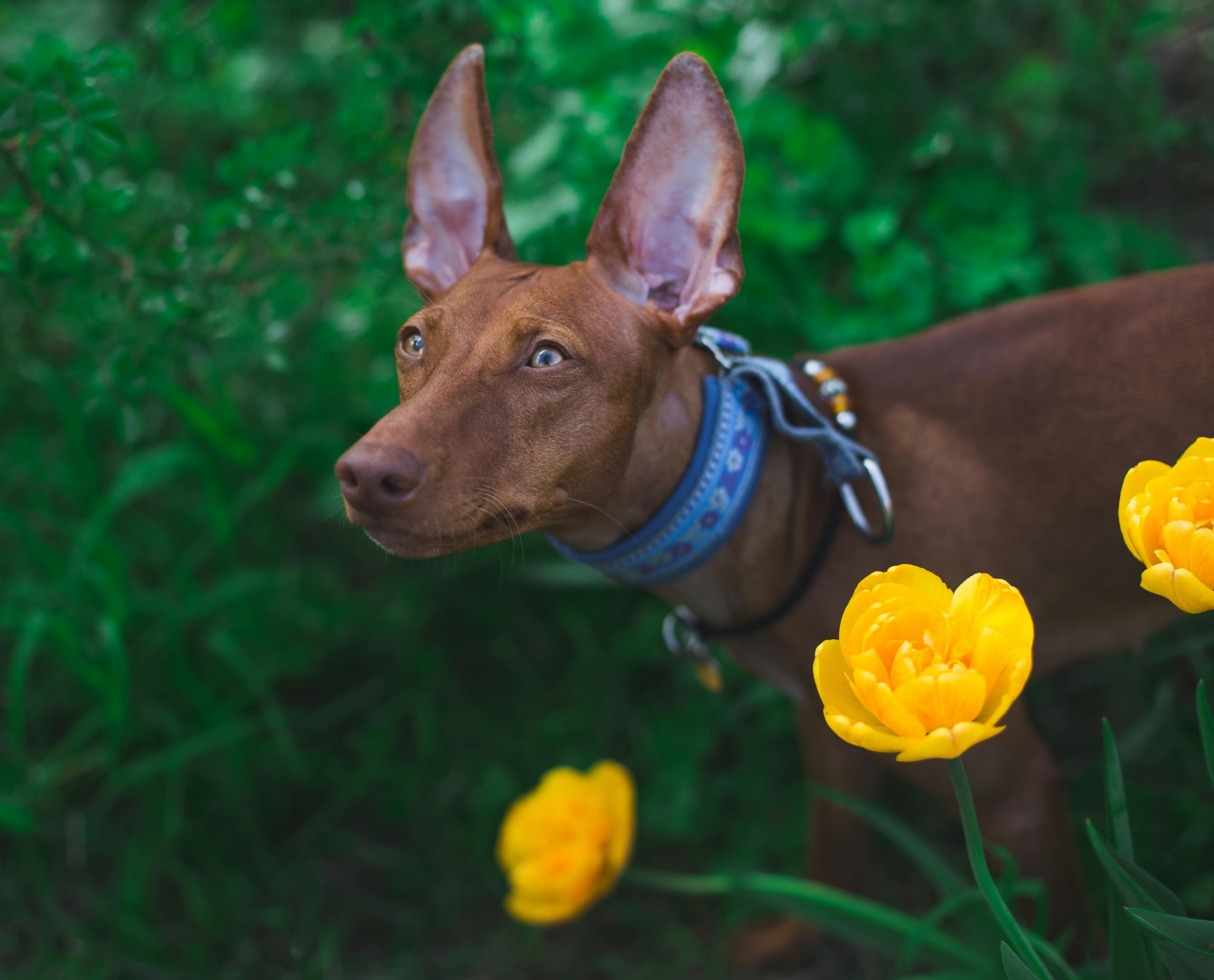
How To Keep Puppy From Eating Poop? Stop puppy coprophagia! Learn effective methods to prevent your puppy from eating poop and ensure their health. Discover solutions & regain peace of mind!
How To Keep Puppy From Eating Poop: A Comprehensive Guide to Stop Puppy Coprophagia
Coprophagia, the technical term for eating poop, is a surprisingly common problem among puppies. While it might seem disgusting to us, understanding the underlying reasons why your puppy is engaging in this behavior is the first step towards effectively stopping it. This comprehensive guide will delve into the various causes of puppy eating poop, offering practical solutions and preventative measures to help you address this issue and ensure your puppy’s health and well-being. We’ll explore effective strategies to answer the crucial question: How To Keep Puppy From Eating Poop.
Understanding the “Why” Behind Puppy Coprophagia
Before we dive into solutions for how to keep puppy from eating poop, it’s crucial to understand why your puppy is doing it. Several factors can contribute to this behavior:
Nutritional Deficiencies: A puppy’s diet plays a significant role. If their food lacks essential nutrients, they might instinctively seek them out in other sources, including their own feces or that of other animals. Ensuring your puppy receives a balanced, high-quality diet is paramount. Consider consulting your veterinarian to rule out any nutritional deficiencies, especially if your puppy’s diet is homemade.
Medical Conditions: Certain medical conditions can also lead to coprophagia. Pancreatitis, for example, can cause malabsorption of nutrients, leading to a puppy’s attempt to compensate by eating poop. Parasites such as worms are another common cause and should be ruled out with a veterinary check-up. Regular vet visits, including those for crucial vaccines like the Canine DHPP vaccine (https://pupquotes.com/blog/what-is-canine-dhpp-vaccine/) and the Canine Bordetella vaccine (https://pupquotes.com/blog/what-is-canine-bordetella-vaccine/), are crucial for your puppy’s overall health and can indirectly help with coprophagia.
Stress and Anxiety: Just like humans, puppies can experience stress and anxiety. A new environment, separation anxiety, or even changes in the household routine can trigger this behavior. Addressing the underlying stress is vital in curbing coprophagia.
Attention-Seeking Behavior: Sometimes, a puppy might eat poop to get your attention, even if that attention is negative. If you react dramatically to the behavior, they might see it as a rewarding experience.
Taste and Texture: Believe it or not, some puppies simply find the taste or texture of their poop appealing. This is particularly true for puppies who are still developing their taste preferences and those eating the feces of other animals (often mothers will clean up their puppies waste).
Effective Strategies: How To Keep Puppy From Eating Poop
Now that we understand the potential causes, let’s explore practical steps you can take to address puppy eating poop.
1. Dietary Adjustments: The Foundation of Prevention
A well-balanced diet is the cornerstone of preventing coprophagia. Ensure your puppy’s food is nutritionally complete and appropriate for their age and breed. Adding digestive enzymes to their food can also help improve nutrient absorption. If you are considering changing your puppy’s food, do so gradually to avoid upsetting their stomach.
2. Prompt and Consistent Cleanup: Removing the Temptation
This is perhaps the most straightforward solution. Remove feces immediately and consistently. Use enzymatic cleaners to eliminate odors completely, as the scent can still attract your puppy even after visible waste is removed. If you have a backyard, make it a habit to pick up any poop as soon as you spot it to minimize the likelihood your puppy has the opportunity to eat it.
3. Addressing Underlying Medical Issues: The Veterinary Role
A visit to your veterinarian is crucial. They can perform a thorough examination, test for parasites, and rule out any underlying medical conditions that might be contributing to the coprophagia. Early intervention is vital for addressing any potential health problems that might be causing the behavior. This includes discussing vaccinations, which also fall under the care of your veterinarian.
4. Managing Stress and Anxiety: Creating a Safe and Secure Environment
Create a safe and comfortable environment for your puppy. Minimize stressors as much as possible. Provide plenty of playtime and mental stimulation to reduce boredom and anxiety. Consider using calming aids like pheromone diffusers if anxiety is a significant factor.
5. Positive Reinforcement Training: Rewarding Good Behavior
Positive reinforcement is key. Reward your puppy for eliminating in the designated potty area. Use high-value treats and enthusiastic praise to reinforce good behavior. Ignore the coprophagia behavior; do not scold or punish. Reacting negatively may inadvertently reinforce the behavior.
6. Taste Deterrents: Making Poop Less Appealing
Many commercially available products act as taste deterrents. These are designed to make the poop taste unpleasant to your puppy, thus discouraging consumption. These are available online and at most pet stores, but always consult your vet before using any new product, especially if you are concerned about ingredients related to their existing diet.
7. Enzyme Supplements: Enhancing Digestion
Adding digestive enzymes to your puppy’s food can aid in better nutrient absorption. This can reduce the chances of nutritional deficiencies driving the coprophagia behavior. Consult your vet for advice on appropriate enzymes and dosages for your puppy.
8. Dental Health: Addressing Potential Oral Issues
Your puppy’s dental health can also impact their behavior. As canine teeth erupt (https://pupquotes.com/blog/when-do-canine-teeth-erupt-in-the-horse/) and later, when canine teeth fall out (https://pupquotes.com/blog/when-do-canine-teeth-fall-out/), you may need to address potential discomfort. If your puppy’s teeth are too sharp (https://pupquotes.com/blog/how-to-make-your-canine-teeth-less-sharper/), this may cause discomfort and lead to issues such as chewing on objects that may include their own feces.
Advanced Strategies for Stubborn Cases of Stop Puppy Coprophagia
If the above strategies don’t resolve the issue, consider seeking professional help. A certified veterinary behaviorist can provide a more in-depth assessment and tailored recommendations to address the root cause of the coprophagia.
Preventing Puppy Eating Poop: Long-Term Strategies
Once you’ve successfully addressed the immediate issue, focus on preventative measures to avoid recurrence.
- Maintain a consistent and balanced diet.
- Continue with prompt and thorough cleaning of fecal matter.
- Provide a stimulating and enriching environment.
- Pay close attention to your puppy’s body language and any potential changes in behavior that may indicate stress or anxiety.
Remember, consistency is key. It may take time and patience to break this habit, but with dedication and the right strategies, you can effectively address stop puppy coprophagia and provide your puppy with a healthy and happy life.
External Resources for Further Information
For additional information and support, you can consult these reputable sources:
- The American Society for the Prevention of Cruelty to Animals (ASPCA): [Insert ASPCA link related to puppy behavior or coprophagia here]
- The American Veterinary Medical Association (AVMA): [Insert AVMA link related to puppy behavior or coprophagia here]
We encourage you to share your experiences and any tips you’ve found helpful in dealing with how to keep puppy from eating poop in the comments below. Your insights could be invaluable to other pet owners facing this common challenge. Let’s work together to help puppies everywhere!

10 FAQs: How To Keep Puppy From Eating Poop
1. Why is my puppy eating poop? (Coprophagia)
Puppy eating poop, or coprophagia, is a common problem. Several reasons exist, including nutritional deficiencies (lack of essential nutrients in their diet), intestinal parasites, stress, boredom, or simply finding the smell appealing. If the behavior persists, consult your vet to rule out underlying medical issues. Understanding the cause is the first step in learning how to keep puppy from eating poop.
2. How can I stop my puppy from eating poop?
Stopping your puppy from eating poop requires a multi-pronged approach. Firstly, ensure their diet is complete and balanced. Secondly, pick up their feces immediately. Thirdly, use deterrents like enzymatic cleaners to remove the scent completely. Finally, positive reinforcement training focusing on “leave it” commands can also prove effective. Persistent coprophagia may require professional help.
3. Is puppy eating poop dangerous?
Yes, puppy eating poop can be dangerous. Ingesting their own feces might not be as harmful as eating another animal’s feces, which may contain parasites or bacteria. The parasites from infected feces can cause serious health problems in your puppy. Therefore, addressing how to keep puppy from eating poop is crucial for their health.
4. My puppy only eats his own poop. Is this still a problem?
While less dangerous than eating other animals’ feces, even consuming their own poop is still a cause for concern. It can indicate nutritional deficiencies or underlying medical issues. Consult your veterinarian to rule out any problems and implement strategies on how to keep puppy from eating poop. You may also want to explore dental care as a potential factor. Learn more about canine tooth development at https://pupquotes.com/blog/when-do-canine-teeth-erupt-in-the-horse/ and https://pupquotes.com/blog/when-do-canine-teeth-fall-out/.
5. What if my puppy eats the poop of other animals?
This is even more serious. Other animals’ feces can contain harmful parasites and bacteria that can cause serious illness in your puppy. You absolutely must address how to keep puppy from eating poop in this scenario. Regular deworming, https://pupquotes.com/blog/what-is-canine-dhpp-vaccine/ and https://pupquotes.com/blog/what-is-canine-bordetella-vaccine/ are also crucial preventative measures.
6. My puppy is teething, could this be why he’s eating poop?
Teething can sometimes contribute to unusual behaviors, but it’s not the primary cause of coprophagia. However, if your puppy is experiencing discomfort, providing appropriate chew toys can help alleviate it. You can also learn more about managing your puppy’s teeth here: https://pupquotes.com/blog/how-to-make-your-canine-teeth-less-sharper/.
7. How do I train my puppy to stop eating poop?
Positive reinforcement training is key. Use a firm “leave it” command when you see your puppy approaching feces. Reward them immediately with treats when they obey. Consistency and patience are crucial in this training process to effectively stop puppy coprophagia.
8. Are there any commercial products to help stop puppy eating poop?
Some commercial products, such as poop-deterrent sprays, are available, but their effectiveness varies. It’s best to address the underlying cause of the problem first. Changing the diet, improving hygiene, and training are often more effective than relying solely on commercial products for how to keep puppy from eating poop.
9. What should I do if my puppy continues to eat poop despite my efforts?
If your puppy persists in eating poop despite your best efforts, consult a veterinarian or a certified professional dog trainer. There might be an underlying medical condition or behavioral issue that requires professional intervention to effectively address how to keep puppy from eating poop.
10. Can I punish my puppy for eating poop?
Punishment is generally ineffective and can even worsen the problem. Instead, focus on positive reinforcement and addressing any underlying issues. Creating a positive learning environment is far more effective in learning how to keep puppy from eating poop.

How to Keep Your Puppy From Eating Poop (Coprophagia)
Coprophagia, the technical term for eating poop, is a common problem among puppies. While it might seem disgusting, understanding the underlying causes can help you address this behavior effectively. Here’s a practical guide with health considerations:
Understanding the Causes
Several factors contribute to coprophagia. It’s rarely a single issue but often a combination:
- Nutritional Deficiencies: Your puppy might be lacking essential nutrients in their diet. This is especially true if they’re not eating a balanced, high-quality puppy food. Consult your veterinarian to ensure their diet meets their needs.
- Pancreatic Insufficiency: A poorly functioning pancreas can lead to malabsorption of nutrients, potentially causing your puppy to seek out nutrients from stool. Your vet can run tests to rule this out.
- Parasites: Intestinal parasites can cause digestive upset and nutrient deficiencies, contributing to coprophagia. Regular deworming, as recommended by your veterinarian, is crucial. Ensure your puppy receives the necessary vaccinations, including the canine DHPP vaccine [https://pupquotes.com/blog/what-is-canine-dhpp-vaccine/] and the Bordetella vaccine [https://pupquotes.com/blog/what-is-canine-bordetella-vaccine/], as part of a comprehensive preventative health plan.
- Stress or Boredom: A stressed or bored puppy may engage in this behavior as a way to cope. Providing plenty of enrichment, mental stimulation, and exercise can help mitigate this.
- Learned Behavior: If your puppy has experienced positive reinforcement (like attention from you) after eating poop, they might continue the behavior.
- Puppy Teething: As your puppy’s teeth erupt [https://pupquotes.com/blog/when-do-canine-teeth-erupt-in-the-horse/] and later fall out [https://pupquotes.com/blog/when-do-canine-teeth-fall-out/], they might chew on anything they can find, including stool. You can make their teeth less sharp [https://pupquotes.com/blog/how-to-make-your-canine-teeth-less-sharper/] with appropriate chewing toys.
Practical Tips to Stop Poop Eating
- Cleanliness: Promptly clean up after your puppy eliminates. This reduces opportunities for them to access their own or other animals’ feces.
- Dietary Changes: Talk to your vet about switching to a high-quality puppy food that’s nutritionally complete and balanced.
- Enzyme Supplements: Your veterinarian might recommend digestive enzyme supplements to improve nutrient absorption.
- Positive Reinforcement: Reward your puppy with treats and praise when they exhibit appropriate behavior, such as eliminating outside and not eating poop. Never punish your puppy for coprophagia; it will likely worsen the problem.
- Enrichment: Engage your puppy in interactive games, puzzle toys, and regular walks to keep them mentally stimulated and prevent boredom.
- Supervise Closely: Supervise your puppy, especially during playtime and after meals, to intervene immediately if they approach feces.
- Taste Deterrents: Commercial products are available that make feces taste unpleasant to dogs. Consult your veterinarian before using these products.
Health Considerations
Coprophagia can expose your puppy to parasites and harmful bacteria, potentially leading to illness. It’s crucial to address this behavior promptly. Regular veterinary checkups are essential to rule out underlying medical conditions and ensure your puppy receives appropriate preventative care. If your puppy continues to eat poop despite your efforts, consult your veterinarian immediately. They can help determine the underlying cause and recommend the best course of action.
How To Keep Puppy From Eating Poop, puppy eating poop, stop puppy coprophagia