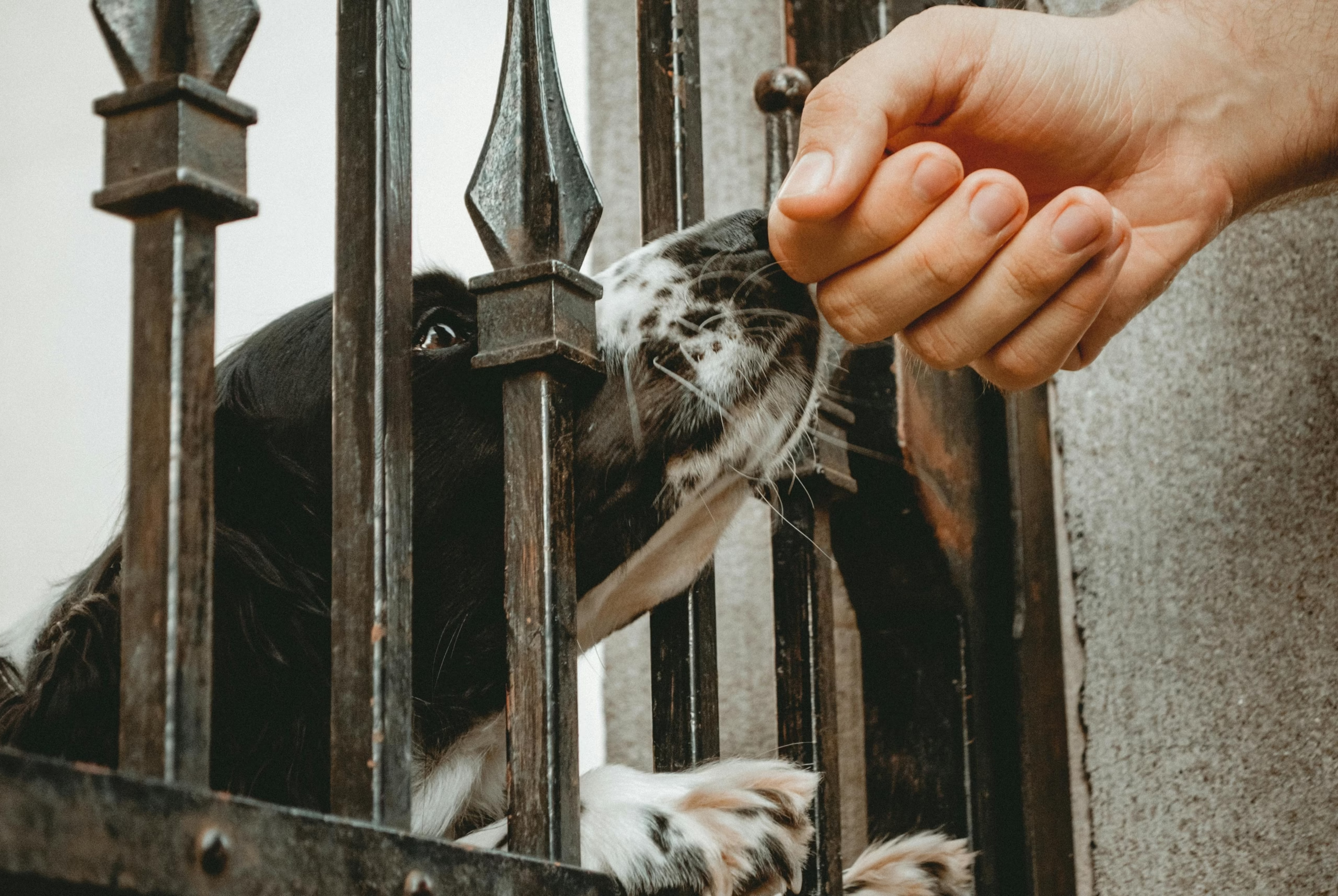
How To Stop A Dog From Eating Poop? Discover effective solutions for dog eating poop (coprophagia in dogs). Prevent this unhealthy habit & improve your dog’s health! Learn how today!
How To Stop A Dog From Eating Poop: A Comprehensive Guide to Coprophagia
Coprophagia, the technical term for dog eating poop, is a frustrating and sometimes alarming behavior for pet owners. Whether your dog is indulging in their own droppings or those of other animals (or even worse, human waste!), this article will provide a detailed, comprehensive guide on how to stop a dog from eating poop. We’ll explore the underlying causes, effective solutions, and preventative measures to help you break this unpleasant habit.
Understanding Why Dogs Eat Poop: The Root Causes of Coprophagia
Before tackling how to stop a dog from eating poop, it’s crucial to understand why your dog engages in this behavior. Several factors can contribute to coprophagia, and identifying the cause is the first step towards effective treatment.
Nutritional Deficiencies: One common reason is a lack of essential nutrients in their diet. A dog may eat poop to supplement their intake of vitamins and minerals. This is particularly true for dogs fed low-quality kibble or those with unbalanced homemade diets. Consider a review of your dog’s diet and perhaps a consultation with a veterinarian about potential nutritional deficiencies.
Pancreatitis: This inflammatory disease of the pancreas can cause malabsorption of nutrients, leading to a dog seeking out extra nutrition through coprophagia. If you suspect pancreatitis, consult your veterinarian immediately. Early detection and treatment are crucial.
Parasites: Internal parasites like worms can cause digestive upset and nutrient malabsorption, leading to a dog craving extra nutrients via poop. Regularly deworming your dog, especially puppies, is crucial for preventing and treating parasitic infections. Make sure your dog receives the appropriate vaccines such as the Canine DHPP vaccine. For more information on this vaccine, refer to our article on what is canine DHPP vaccine.
Stress and Anxiety: Believe it or not, stress and anxiety can also play a significant role. A dog experiencing separation anxiety, boredom, or fear may engage in coprophagia as a self-soothing mechanism. Addressing the underlying stress or anxiety with training, environmental enrichment, and potentially medication is important. Consider also the importance of vaccination against diseases like kennel cough, for which you might want to understand more about what is canine bordetella vaccine and what is canine bordetella.
Medical Conditions: Certain medical conditions can also contribute to coprophagia. These can include digestive disorders, hormonal imbalances, and even neurological problems. A thorough veterinary examination is crucial to rule out any underlying medical issues.
Learned Behavior: Sometimes, a dog simply learns that eating poop is acceptable. If they get away with it, they may continue to do so. This can stem from inadequate house training or inconsistent correction from the owner.
How To Stop a Dog From Eating Poop: Practical Solutions
Now that we’ve explored the “whys,” let’s delve into the “hows.” Addressing how to stop a dog from eating poop requires a multifaceted approach that targets both the underlying cause and the behavior itself.
1. Dietary Changes:
Transitioning your dog to a high-quality, balanced diet is a fundamental step. Look for food formulated with easily digestible ingredients and those that meet the Association of American Feed Control Officials (AAFCO) nutritional requirements. Adding digestive enzymes to their diet can also be beneficial.
2. Prompt Cleanup:
One of the simplest yet most effective strategies for stopping coprophagia is diligent and immediate cleanup of feces. If your dog doesn’t have access to poop, they can’t eat it! This means cleaning up after your dog immediately after they defecate, both inside and outside. For outdoor cleanup, consider picking up regularly.
3. Taste Deterrents:
Commercial products designed to make poop less palatable are available. These often contain ingredients like pineapple, pumpkin or other substances to make the feces less appealing. However, results vary depending on the individual dog.
4. Enzyme Supplements:
Adding digestive enzymes to your dog’s food can improve nutrient absorption and reduce the likelihood of them feeling the need to consume fecal matter to make up for nutritional deficiencies.
5. Addressing Underlying Medical Conditions:
If your vet identifies an underlying medical condition, addressing it is paramount. Successful treatment of any medical condition often resolves the coprophagia.
6. Behavioral Modification:
Positive reinforcement training can help. Reward your dog for avoiding poop, and use verbal cues and gentle redirection to steer them away from undesirable behavior.
7. Environmental Enrichment:
Boredom and stress are often factors. Providing plenty of mental and physical stimulation, through toys, puzzles, walks and interaction, can help reduce these factors. A tired dog is less likely to engage in this behavior.
8. Veterinary Consultation:
A comprehensive veterinary checkup is crucial. Your vet can rule out underlying medical conditions, recommend appropriate dietary changes, and suggest other interventions. Understanding your dog’s dental health is also essential, and you can read more about when do canine teeth fall out and how to make your canine teeth less sharper.
Advanced Strategies for Addressing How To Stop A Dog From Eating Poop
If the above methods prove ineffective, more advanced strategies might be necessary. These often require professional guidance from a certified veterinary behaviorist or a professional dog trainer.
Medication: In some cases, medication may be necessary to address underlying anxiety or compulsive disorders contributing to coprophagia. This decision should only be made in consultation with your veterinarian.
Positive Reinforcement Training: Advanced techniques that focus on positive reinforcement and shaping desirable behaviors may be required to address ingrained coprophagia.
Preventing Dog Eating Poop: Proactive Measures
Preventing coprophagia is easier than curing it. Here are some proactive measures:
- Regular Veterinary Checkups: Preventative care, including regular deworming and comprehensive health checks, can help identify and address potential underlying medical issues early.
- Consistent Training: From puppyhood, establish clear rules about appropriate behavior and reward positive actions consistently.
- Balanced Diet: Provide a high-quality, well-balanced diet that meets all your dog’s nutritional needs.
- Environmental Enrichment: Ensure your dog has enough mental and physical stimulation throughout the day.
External Resources for Further Information on How To Stop A Dog From Eating Poop
For additional information on dog eating poop and related concerns, consider these resources:
- The American Society for the Prevention of Cruelty to Animals (ASPCA): The ASPCA provides valuable information on canine behavior and health. [Link to relevant ASPCA page on canine behavior (replace with actual link)]
- The American Kennel Club (AKC): The AKC offers numerous resources for dog owners, including those related to behavior and training. [Link to relevant AKC page on canine behavior (replace with actual link)]
- Veterinary Partner: This website offers comprehensive information on various canine health topics. [Link to relevant Veterinary Partner page on coprophagia (replace with actual link)]
Addressing how to stop a dog from eating poop requires patience, persistence, and a multifaceted approach. Remember, identifying the underlying cause is critical for long-term success. Don’t hesitate to seek professional guidance from your veterinarian or a certified professional dog trainer if you’re struggling to resolve this issue.
Share Your Experience!
Have you successfully tackled dog eating poop (coprophagia)? Share your tips, successes, and challenges in the comments below! Let’s learn from each other’s experiences and help fellow dog owners navigate this common problem. What strategies worked best for you? What challenges did you encounter? Your insights could be invaluable to others facing this issue. Use relevant keywords like “how to stop a dog from eating poop,” “dog eating poop,” and “stop coprophagia” in your comments.
Frequently Asked Questions: How To Stop a Dog From Eating Poop
1. Why is my dog eating poop? (Coprophagia)
Many dogs engage in coprophagia, the act of eating poop. Reasons can include nutritional deficiencies (lack of essential nutrients in their diet leading them to seek them elsewhere), a medical condition (like parasites or exocrine pancreatic insufficiency), or simply learned behavior. To effectively address how to stop a dog from eating poop, you need to identify the underlying cause. A vet visit is crucial to rule out medical reasons.
2. How can I stop my dog from eating poop immediately?
There’s no magic bullet for immediate results in stopping dog eating poop. However, closely supervising your dog, especially during potty breaks, is crucial. Promptly cleaning up feces prevents opportunities for this behavior. While supervision helps, it’s not a long-term solution for how to stop a dog from eating poop.
3. My puppy is eating poop – is this normal?
Puppy coprophagia is more common. While it’s not ‘normal,’ it’s more prevalent in young dogs. Puppies may explore the world through their mouths, including their own or other animals’ waste. Addressing how to stop a dog from eating poop early is vital.
4. Is dog eating poop dangerous?
Yes, dog eating poop can be dangerous. Ingesting feces can transmit parasites and bacteria, leading to illness. It can also expose your dog to toxins depending on the source of the feces.
5. What are the health risks associated with coprophagia?
Health risks associated with coprophagia include intestinal parasites (worms), bacterial infections, and the potential for exposure to toxins. If your dog is showing symptoms of illness after eating poop, immediately consult a vet.
6. My dog eats only its own poop. Is that different?
While any dog eating poop is concerning, dogs eating only their own stool might indicate a different problem than eating other animals’ feces. This often points to nutritional deficiencies; their own stool might seem to contain something missing in their diet.
7. How can I improve my dog’s diet to help stop coprophagia?
Nutritional deficiencies can contribute to dog eating poop. Consult your vet for advice on a diet tailored to your dog’s needs. They might suggest adding digestive enzymes or other supplements.
8. What role does training play in stopping coprophagia?
Training is a crucial aspect of how to stop a dog from eating poop. Positive reinforcement, such as rewarding your dog immediately after it eliminates and praising appropriate behavior, can help.
9. My dog’s teeth seem sharp; could this encourage coprophagia?
While not directly linked, a dog’s sharp teeth might make it easier for them to get to and consume poop. If concerned about your dog’s canine teeth, consult a vet. Are their canine teeth falling out prematurely?
10. Are there any vaccines relevant to preventing illnesses from coprophagia?
Vaccines like the canine DHPP vaccine and the canine Bordatella vaccine or canine Bordatella protect against certain diseases, but these vaccines do not directly prevent diseases from dog eating poop. Preventing dog eating poop is the best way to avoid exposure to these illnesses.

How to Stop a Dog From Eating Poop (Coprophagia)
Coprophagia, the consumption of feces, is a common but unpleasant canine behavior. While it might seem gross to us, understanding the underlying causes is crucial to effectively addressing it. Here’s a practical guide incorporating health considerations:
Identifying the Cause: A Holistic Approach
Before implementing any solution, determine why your dog is eating poop. Several factors can contribute:
Nutritional Deficiencies: A diet lacking essential nutrients can lead dogs to seek them out in feces. Ensure your dog’s food is complete and balanced, consulting your veterinarian if you suspect deficiencies. This is particularly important during puppyhood, as their nutritional needs are higher, especially around the time when their canine teeth fall out (https://pupquotes.com/blog/when-do-canine-teeth-fall-out/). A balanced diet also supports healthy canine teeth, minimizing the potential for issues that might encourage poop-eating (https://pupquotes.com/blog/how-to-make-your-canine-teeth-less-sharper/).
Gastrointestinal Issues: Pancreatitis, exocrine pancreatic insufficiency, and other digestive problems can alter nutrient absorption, prompting coprophagia. Consult your vet for a thorough examination, including stool analysis, to rule out underlying medical conditions.
Stress and Anxiety: Boredom, separation anxiety, or a stressful environment can trigger this behavior as a coping mechanism. Addressing the underlying stress is critical.
Behavioral Habit: Sometimes, it’s simply a learned behavior, especially if your dog has witnessed other dogs engaging in it.
Health Considerations & Preventative Measures:
Parasite Prevention: Regular deworming is essential. Internal parasites can cause nutrient malabsorption, potentially leading to coprophagia. Discuss appropriate preventative measures, like regular fecal exams, with your veterinarian.
Vaccination: Ensure your dog is up-to-date on core vaccines, including the Canine DHPP vaccine (https://pupquotes.com/blog/what-is-canine-dhpp-vaccine/) and, depending on their lifestyle, the Canine Bordetella vaccine (https://pupquotes.com/blog/what-is-canine-bordetella-vaccine/) or Bordetella (https://pupquotes.com/blog/what-is-canine-bordetella/). These vaccines help protect against diseases that can impact your dog’s overall health and potentially contribute indirectly to coprophagia.
Regular Vet Check-ups: Regular check-ups are vital for early detection of any underlying health problems that might cause or exacerbate coprophagia.
Practical Strategies to Deter Poop Eating:
Enzyme Supplements: Adding digestive enzyme supplements to your dog’s food can improve nutrient absorption, potentially reducing the incentive to eat feces.
Prompt Cleanup: Immediately pick up all feces in your yard and during walks. Reduce opportunities for access.
Taste Deterrents: Commercial products with bitter-tasting ingredients can make feces unappealing.
When to Seek Veterinary Help:
If you’ve tried various methods and your dog continues to eat feces, consult your veterinarian. They can perform diagnostic tests to rule out medical causes and recommend appropriate treatment strategies. Persistent coprophagia can be a symptom of a serious underlying condition.
This information is for general knowledge and does not substitute professional veterinary advice. Always consult your veterinarian for diagnosis and treatment of your dog’s health concerns.
How To Stop A Dog From Eating Poop, Dog Eating Poop, Coprophagia in Dogs