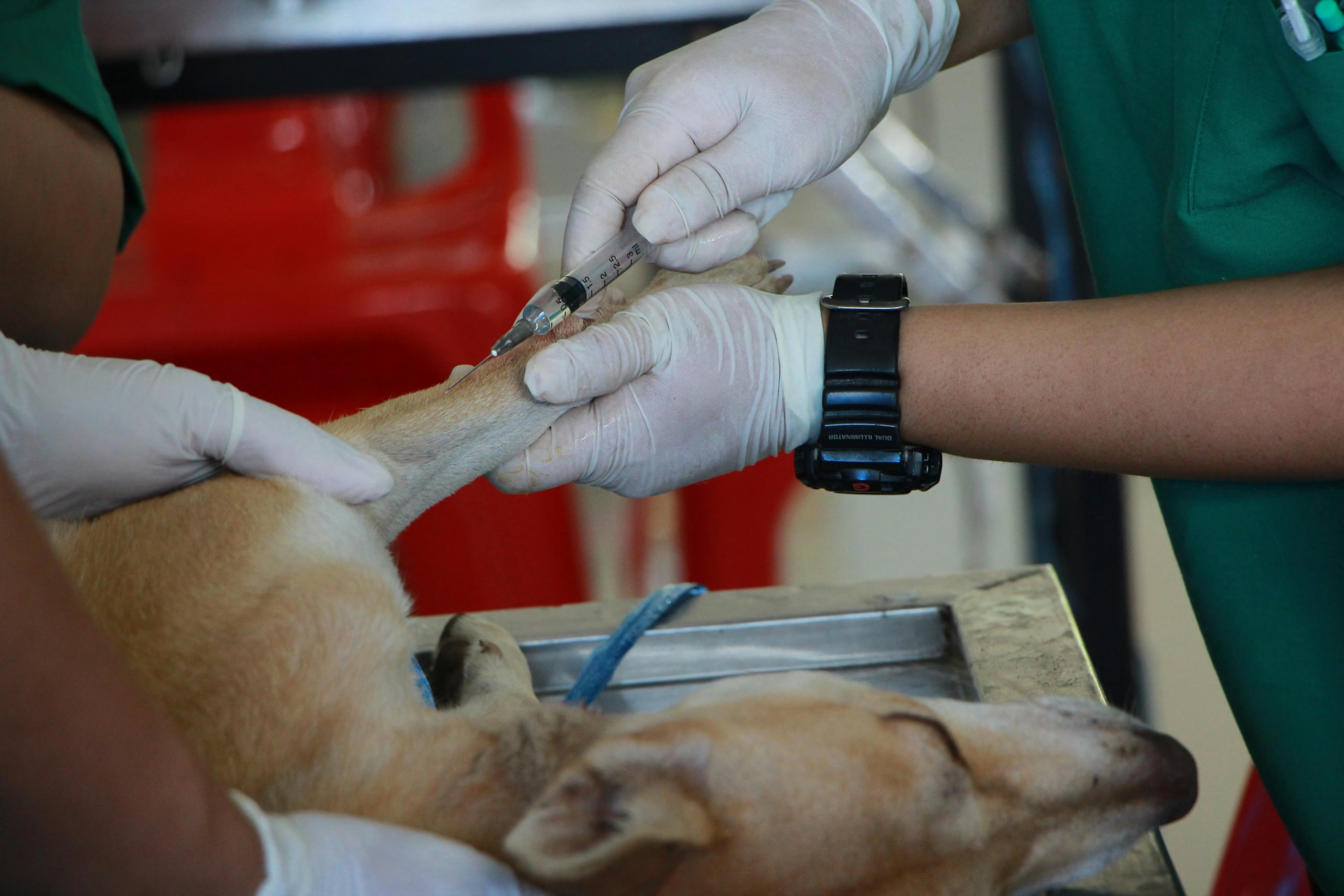
Is It Normal For Dogs To Have Double Canine Teeth? Discover if extra canine teeth in dogs & double canine teeth in puppies are common. Learn more now! Get expert insights & understand your dog’s dental health.
Is It Normal For Dogs To Have Double Canine Teeth? Understanding Canine Tooth Issues in Dogs
Witnessing your beloved canine companion with a seemingly extra set of teeth can be alarming. You might find yourself wondering, “Is It Normal For Dogs To Have Double Canine Teeth?” The answer is a bit complex, but in short, no, it’s not ideal and usually indicates a problem called retained deciduous teeth. This article will delve into the specifics of double canine teeth in dogs, explore potential complications, and discuss necessary steps to ensure your furry friend maintains a healthy, happy smile.
The Canine Teeth: A Vital Part of Your Dog’s Anatomy
Canine teeth, those long, pointed teeth located between the incisors and premolars, play a crucial role in a dog’s life. These teeth are essential for grasping, tearing, and holding food, as well as for defense and playing. Understanding their importance makes recognizing potential issues, such as double canine teeth, all the more critical. For further insight into canine teeth across species, you might find exploring “https://pupquotes.com/blog/what-predator-has-the-largest-canine-teeth/” interesting.
What are Double Canine Teeth in Dogs?
Double canine teeth occur when both the puppy (deciduous) canine tooth and the adult (permanent) canine tooth are present in the dog’s mouth at the same time. This means the adult tooth has erupted without the puppy tooth being shed. This condition is also known as retained puppy teeth in dogs. Instead of the puppy tooth naturally falling out to make way for its adult counterpart, it remains firmly rooted, resulting in two canine teeth occupying the same space.
Is It Normal For Dogs To Have Double Canine Teeth? Absolutely Not Ideal
While it might seem like your dog is simply getting a head start on their adult dentition, having double canine teeth is not normal and can lead to various dog teeth problems. Ideally, the roots of the puppy teeth should resorb as the adult teeth erupt, causing the puppy teeth to loosen and fall out on their own. When this process doesn’t happen correctly, it results in the retention of deciduous teeth.
Why Does This Happen? Understanding Retained Puppy Teeth in Dogs
Several factors can contribute to the retention of puppy teeth, including:
- Genetics: Certain breeds are predisposed to retained deciduous teeth. Small and toy breeds, such as Yorkshire Terriers, Chihuahuas, and Pomeranians, are particularly susceptible.
- Jaw Size: In smaller breeds, there might be insufficient space in the jaw for the adult teeth to erupt properly, preventing the puppy teeth from being pushed out.
- Tooth Position: Abnormal positioning of the adult tooth can also hinder the natural shedding process of the puppy tooth.
- Lack of Chewing: While not the primary cause, inadequate chewing opportunities may contribute by not providing the necessary stimulation for the puppy teeth to loosen. Consider how to make your canine teeth less sharper https://pupquotes.com/blog/how-to-make-your-canine-teeth-less-sharper/ and imagine the need for natural stimulation.
The Problems Associated with Double Canine Teeth: Dog Teeth Problems
Ignoring double canine teeth can lead to a cascade of dental and health problems for your dog. Here are some of the common issues associated with retained deciduous teeth:
- Malocclusion (Misalignment of Teeth): The presence of both puppy and adult canine teeth in the same space can force the adult tooth to erupt in an abnormal position, resulting in malocclusion. This can interfere with proper chewing, leading to digestive issues and discomfort.
- Periodontal Disease (Gum Disease): Retained puppy teeth create tight spaces that are difficult to clean, trapping food debris and bacteria. This buildup leads to inflammation of the gums (gingivitis) and, if left untreated, can progress to periodontal disease. Periodontal disease can damage the supporting structures of the teeth, leading to tooth loss and even affecting the heart, liver, and kidneys. Studies show that periodontal disease is highly prevalent in dogs, affecting a significant percentage of the canine population by the time they reach three years of age [1].
- Increased Risk of Tooth Decay: The crowded environment created by double canine teeth increases the risk of tooth decay, as bacteria have more surfaces to adhere to and cause damage.
- Pain and Discomfort: The presence of extra teeth can cause discomfort and pain, especially when chewing or when the gums become inflamed.
- Damage to the Permanent Teeth: Retained puppy teeth can erode or damage the roots of the developing permanent teeth.
- Cyst Formation: In rare cases, retained deciduous teeth can lead to the formation of cysts around the unerupted adult teeth.
Recognizing Double Canine Teeth: Identifying the Issue
Identifying double canine teeth early is crucial for preventing further complications. Here’s what to look for:
- Persistence of Puppy Teeth: The most obvious sign is the presence of puppy teeth alongside adult teeth. By the time a dog is around 6-7 months old, all puppy teeth should have been shed and replaced by adult teeth.
- Crowded Teeth: Notice if the teeth appear overcrowded or misaligned.
- Inflammation of the Gums: Check for redness, swelling, or bleeding along the gum line, especially around the canine teeth.
- Bad Breath: Persistent bad breath (halitosis) can be an indicator of dental problems, including those associated with retained puppy teeth.
- Difficulty Chewing: Your dog may show signs of difficulty chewing, such as dropping food or chewing on one side of the mouth. If you are interested in related articles, perhaps when do canine teeth fall out? https://pupquotes.com/blog/when-do-canine-teeth-fall-out/ might be helpful.
When to Seek Veterinary Attention: A Timely Intervention
If you suspect your dog has double canine teeth, it’s essential to consult with your veterinarian as soon as possible. Early intervention is key to preventing serious dental problems.
Your veterinarian will perform a thorough oral examination to assess the extent of the problem. They may also recommend dental X-rays to evaluate the roots of the teeth and check for any underlying issues, such as damage to the permanent teeth.
Treatment Options for Double Canine Teeth in Dogs
The primary treatment for double canine teeth involves extracting the retained puppy teeth. This is typically done under general anesthesia to ensure the dog’s comfort and safety. Here’s what you can expect:
- Anesthesia: Your dog will be placed under general anesthesia for the procedure.
- Extraction: The veterinarian will carefully extract the retained puppy teeth, taking care to avoid damaging the surrounding tissues.
- Cleaning and Polishing: After the extraction, the veterinarian will thoroughly clean and polish the remaining teeth to remove plaque and tartar buildup.
- Post-Operative Care: You will receive instructions on how to care for your dog’s mouth after the procedure, which may include administering pain medication and feeding a soft diet for a few days. The procedure could be quite different than what you would see if you needed sharp canine teeth https://pupquotes.com/blog/how-to-make-your-sharp-canine-teeth/.
In some cases, if the adult tooth is severely misaligned due to the retained puppy tooth, orthodontic treatment may be necessary to correct the malocclusion.
Preventing Double Canine Teeth: Is Prevention Possible?
While genetics play a significant role in the development of retained puppy teeth, there are some steps you can take to minimize the risk:
- Choose a Reputable Breeder: If you are purchasing a puppy, choose a reputable breeder who screens their dogs for genetic predispositions to dental problems.
- Provide Chew Toys: Providing your puppy with appropriate chew toys can help stimulate the natural shedding process of puppy teeth. However, always supervise your dog with chew toys and choose toys that are safe and non-toxic. If you are interested in similar information, check this out: https://pupquotes.com/blog/when-do-canine-teeth-erupt-in-the-horse/
- Regular Dental Checkups: Regular veterinary dental checkups are crucial for early detection and prevention of dental problems. Your veterinarian can identify retained puppy teeth and other potential issues before they become serious.
- Home Dental Care: Establishing a regular home dental care routine, including brushing your dog’s teeth regularly with a dog-specific toothpaste, can help prevent plaque and tartar buildup and promote healthy gums.
Breed Predispositions to Retained Deciduous Teeth
As previously mentioned, certain breeds are more prone to retained deciduous teeth than others. These breeds include, but are not limited to:
- Yorkshire Terriers
- Chihuahuas
- Pomeranians
- Maltese
- Shih Tzus
- Toy Poodles
If you own one of these breeds, it’s especially important to be vigilant about checking for retained puppy teeth.
The Long-Term Impact of Untreated Retained Puppy Teeth
Leaving retained puppy teeth untreated can have significant long-term consequences for your dog’s health and well-being. As mentioned earlier, periodontal disease can develop, which can not only lead to tooth loss but also affect other organs in the body.
Studies have shown a link between periodontal disease and heart disease in dogs [2]. Bacteria from the mouth can enter the bloodstream and damage the heart valves, leading to endocarditis. Periodontal disease has also been linked to kidney and liver problems.
Furthermore, chronic dental pain can significantly impact a dog’s quality of life. Dogs with dental pain may become less active, lose their appetite, and exhibit behavioral changes.
Home Care Strategies to Support Dental Health
While professional veterinary care is essential for treating double canine teeth, there are several things you can do at home to support your dog’s dental health:
- Brushing: Aim to brush your dog’s teeth daily with a dog-specific toothpaste. Human toothpaste contains ingredients that are toxic to dogs.
- Dental Chews and Toys: Provide your dog with dental chews and toys that are designed to help remove plaque and tartar.
- Dental Diets: Consider feeding your dog a dental diet that is formulated to promote oral health. These diets often contain ingredients that help reduce plaque and tartar buildup.
- Water Additives: There are water additives available that can help reduce bacteria in the mouth.
Cost Considerations for Treating Double Canine Teeth
The cost of treating double canine teeth can vary depending on several factors, including the number of teeth that need to be extracted, the location of the practice, and whether any additional procedures are required, such as dental X-rays or orthodontic treatment.
Generally, you can expect to pay several hundred dollars for the extraction of retained puppy teeth. It’s best to get an estimate from your veterinarian before proceeding with the treatment.
Conclusion: Prioritizing Your Dog’s Dental Health
So, “Is It Normal For Dogs To Have Double Canine Teeth?” We’ve established that it’s not and highlights underlying dog teeth problems, specifically retained puppy teeth in dogs. Addressing this issue promptly is crucial for preventing a range of dental and health problems. By understanding the causes, recognizing the signs, and seeking timely veterinary care, you can ensure your canine companion maintains a healthy, pain-free smile for years to come. Remember, proactive dental care is an investment in your dog’s overall well-being.
[1] American Veterinary Dental College: avdc.org
[2] American Heart Association: heart.org
Now, we’d love to hear from you! Have you ever encountered double canine teeth in your dog? Share your experiences and tips in the comments below using the keywords: double canine teeth, dog teeth problems, or retained puppy teeth.
<img class="wp-image-471 size-large" src="/blog/wp-content/uploads/2025/02/Is-It-Normal-For-Dogs-To-Have-Double-Canine-Teeth-2-scaled.avif" alt="Is It Normal For Dogs To Have Double Canine Teeth" width="1024" height="683" />Is It Normal For Dogs To Have Double Canine Teeth

# Frequently Asked Questions: Double Canine Teeth in Dogs

Here are 10 frequently asked questions regarding double canine teeth in dogs, along with detailed answers:

**1. Is It Normal For Dogs To Have Double Canine Teeth?**

Not usually. Having two canine teeth occupying the same space, often referred to as 'double canines,' is most often caused by *retained puppy teeth in dogs*. While puppy teeth are meant to fall out, sometimes they persist, preventing the adult teeth from erupting correctly. Therefore, it's generally *not* normal.

**2. What causes double canine teeth in dogs?**

The primary cause is *retained puppy teeth in dogs*. When the adult canine teeth erupt, they should push out the corresponding puppy teeth. If this doesn't happen, the adult tooth may erupt alongside the baby tooth, leading to double canines. This also leads to other *dog teeth problems*.

**3. At what age should my dog lose their puppy canine teeth?**

Puppy canine teeth typically start to fall out around 4-6 months of age. If your dog is older than 7 months and still has both puppy and adult canine teeth, this could indicate *retained puppy teeth in dogs* which could indicate potential *dog teeth problems*. See *https://pupquotes.com/blog/when-do-canine-teeth-fall-out/* for more information on the process.

**4. What problems can double canine teeth cause for my dog?**

Double canine teeth can lead to several *dog teeth problems*, including incorrect bite alignment, increased risk of periodontal disease due to food trapping, and discomfort. Consider how canine teeth function by looking at *https://pupquotes.com/blog/what-predator-has-the-largest-canine-teeth/*.

**5. How are retained puppy canine teeth treated?**

The most common treatment for *retained puppy teeth in dogs* is extraction by a veterinarian. This involves surgically removing the persistent puppy teeth, allowing the adult teeth to settle into their correct position.

**6. What happens if retained puppy teeth are left untreated?**

Ignoring *retained puppy teeth in dogs* and other *dog teeth problems* can lead to severe dental issues, including gum disease, tooth decay, bone loss, and potential systemic infections. The long-term consequences can be painful and expensive to treat.

**7. How can I prevent my dog from developing double canine teeth?**

Regularly check your puppy's mouth as their adult teeth erupt. If you notice any signs of *retained puppy teeth in dogs*, schedule a veterinary appointment promptly. Early intervention can prevent more serious complications. Remember that canine teeth need to be sharp, see *https://pupquotes.com/blog/how-to-make-your-sharp-canine-teeth/* for more details on dental care.

**8. Is it more common in certain dog breeds to have *retained puppy teeth in dogs*?**

Yes, smaller breeds are often more prone to *retained puppy teeth in dogs*. Toy breeds and small breeds often have smaller mouths which leads to teeth being too crowded. This can also cause the need to learn *how to make your canine teeth less sharper*.

**9. Does having double canine teeth affect my dog's bite?**

Yes, double canine teeth often negatively impact the dog's bite, leading to malocclusion (misalignment of the teeth). Malocclusion can affect the dog's ability to chew and can increase the risk of dental trauma.

**10. How much does it cost to have *retained puppy teeth in dogs* extracted?**

The cost of extracting *retained puppy teeth in dogs* varies depending on the veterinarian, location, and the complexity of the extraction. Generally, you can expect to pay anywhere from $100 to $500 per tooth, including anesthesia and post-operative care. Consult with your veterinarian for an accurate estimate.


<img class="wp-image-470 size-large" src="/blog/wp-content/uploads/2025/02/Is-It-Normal-For-Dogs-To-Have-Double-Canine-Teeth-scaled.avif" alt="Is It Normal For Dogs To Have Double Canine Teeth" width="1024" height="683" />Is It Normal For Dogs To Have Double Canine Teeth

# Double Canine Teeth in Dogs: Is It Normal? A Comprehensive Guide

Seeing your dog with two rows of canine teeth can be alarming. This condition, called persistent deciduous teeth or retained baby teeth, is relatively common, especially in small breed dogs. So, **is it normal for dogs to have double canine teeth?** While it's *not* ideal and requires attention, it's a situation many dog owners encounter.

## Understanding Double Canine Teeth

The issue arises when the adult canine teeth erupt before the baby (deciduous) canine teeth fall out naturally. This leaves the puppy with both sets of canines, resulting in the "double canine" appearance. To understand the normal timeline, check out this resource on *when do canine teeth fall out*: [https://pupquotes.com/blog/when-do-canine-teeth-fall-out/](https://pupquotes.com/blog/when-do-canine-teeth-fall-out/).

## Why Does It Happen?

Several factors contribute to retained deciduous teeth:

*   **Genetics:** Some breeds are predisposed to this condition.
*   **Small Breed Dogs:** Smaller breeds often have less space in their mouths, hindering proper eruption.
*   **Crowding:** If teeth are crowded, the adult tooth might not properly push out the baby tooth.
*   **Improper Bite Alignment (Malocclusion):** Misalignment can prevent the natural shedding process.

While focusing on dogs, it's interesting to note that tooth eruption differs across species; for example, see *when canine teeth erupt in the horse*: [https://pupquotes.com/blog/when-do-canine-teeth-erupt-in-the-horse/](https://pupquotes.com/blog/when-do-canine-teeth-erupt-in-the-horse/).

## Health Considerations and Potential Problems

Leaving double canine teeth untreated can lead to several dental problems:

*   **Malocclusion:** The presence of baby teeth can force adult teeth to erupt in abnormal positions, leading to a bad bite.
*   **Periodontal Disease:** The extra teeth create pockets that trap food and bacteria, increasing the risk of gum disease and tooth decay.
*   **Pain and Discomfort:** A crowded mouth can cause discomfort, especially when chewing.
*   **Damage to Palate:** Improperly positioned teeth can rub against the roof of the mouth (palate), causing trauma.
*   **Increased Risk of Tooth Decay:** The tight spaces created by double teeth make it harder to clean, increasing the risk of cavities.

## What to Do If Your Dog Has Double Canine Teeth

1.  **Veterinary Examination:** The first and most important step is to consult your veterinarian. They will assess the situation and determine the best course of action.
2.  **Extraction:** In most cases, the retained baby teeth will need to be extracted. This is usually done under anesthesia.
3.  **Monitor Bite Alignment:** After extraction, your vet will monitor the alignment of the adult teeth. In some cases, further orthodontic intervention may be necessary.
4.  **Home Dental Care:** Regular brushing is crucial to maintain good oral hygiene and prevent future dental problems.

## Prevention and Early Detection

*   **Regular Dental Checkups:** Schedule regular dental checkups with your veterinarian, especially during puppyhood.
*   **Monitor Teeth Eruption:** Pay close attention to your puppy's teeth as they erupt. Note any signs of retained deciduous teeth.
*   **Appropriate Chew Toys:** Providing appropriate chew toys can encourage natural shedding of baby teeth.

While our focus is on dog teeth, it is interesting to consider how sharp canine teeth can be in other animals. You can explore topics such as *how to make your sharp canine teeth*: [https://pupquotes.com/blog/how-to-make-your-sharp-canine-teeth/](https://pupquotes.com/blog/how-to-make-your-sharp-canine-teeth/) and for contrast *how to make your canine teeth less sharper*: [https://pupquotes.com/blog/how-to-make-your-canine-teeth-less-sharper/](https://pupquotes.com/blog/how-to-make-your-canine-teeth-less-sharper/).

## In Summary

Double canine teeth are a relatively common issue in dogs, particularly small breeds. While not ideal, early detection and treatment can prevent serious dental problems. Regular veterinary checkups, proper dental care, and prompt extraction of retained baby teeth are essential for maintaining your dog's oral health. Remember to consult with your veterinarian for personalized advice and treatment plans. Considering canine teeth across the animal kingdom, see *what predator has the largest canine teeth*: [https://pupquotes.com/blog/what-predator-has-the-largest-canine-teeth/](https://pupquotes.com/blog/what-predator-has-the-largest-canine-teeth/).


Is It Normal For Dogs To Have Double Canine Teeth, extra canine teeth in dogs, double canine teeth in puppies