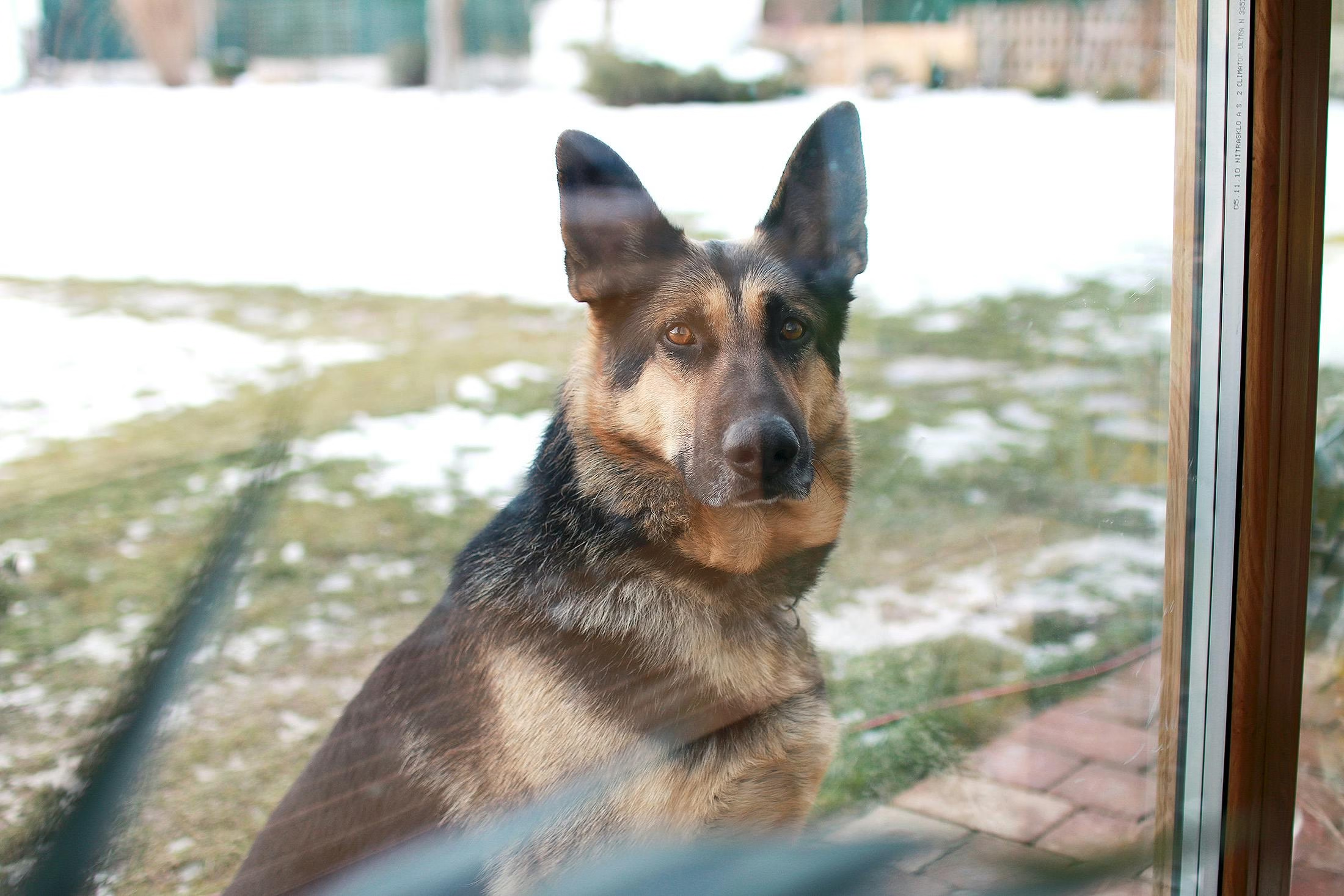
Is Peppermint Oil Safe For Dogs? Discover the truth about peppermint oil dog toxicity. Learn about the potential dangers & safe usage of peppermint oil for dogs. Find answers now! Dogs and Peppermint Oil.
Is Peppermint Oil Safe For Dogs? A Comprehensive Guide to Peppermint Oil Dog Toxicity
The aromatic scent of peppermint is refreshing for humans, but is peppermint oil safe for dogs? This is a crucial question for pet owners who may be considering using peppermint oil for various purposes, from calming their anxious pups to addressing minor skin irritations. The short answer is complex: while peppermint oil offers certain potential benefits, its toxicity to dogs necessitates caution and careful consideration. This in-depth guide will explore the potential risks and benefits, helping you understand peppermint oil dog toxicity and make informed decisions about its use around your canine companion.
Understanding Peppermint Oil and its Composition
Peppermint oil is derived from the peppermint plant (Mentha x piperita) and is rich in menthol, a potent compound responsible for its characteristic scent and many of its properties. While menthol can have soothing effects on humans, it’s the very potency that makes us ask: Is peppermint oil toxic to dogs? Dogs metabolize substances differently than humans, and the concentration of menthol in peppermint oil can easily exceed safe levels for canines. Ingestion, even in small amounts, can lead to serious consequences. This is why a thorough understanding of peppermint oil dog toxicity is essential before considering its use.
Potential Risks of Peppermint Oil for Dogs: Peppermint Oil Dog Toxicity
The primary concern regarding peppermint oil dog toxicity stems from the menthol content. Ingestion of peppermint oil can cause a range of symptoms, from mild gastrointestinal upset to more severe neurological problems. These symptoms can include:
- Vomiting and Diarrhea: These are often the first signs of peppermint oil ingestion and are generally indicative of gastrointestinal irritation.
- Loss of Coordination (Ataxia): Menthol can affect the central nervous system, leading to incoordination and difficulty walking.
- Tremors and Seizures: In more severe cases, high levels of menthol can trigger tremors and even seizures, particularly in smaller dog breeds.
- Depression and Lethargy: The dog may appear unusually sluggish and unresponsive.
- Increased Heart Rate and Breathing: The heart rate and respiratory rate may accelerate as the body attempts to compensate for the effects of the toxin.
- Death: In extreme cases of ingestion of large quantities of highly concentrated peppermint oil, death can occur. This underscores the seriousness of peppermint oil dog toxicity.
Even topical application of peppermint oil isn’t entirely risk-free. Skin irritation, redness, and allergic reactions are possible, particularly in sensitive dogs. It’s vital to remember that even seemingly “natural” substances can pose risks to our pets.
Is Peppermint Oil Safe For Dogs in Diffusers?
While you may find some articles suggesting the use of peppermint oil diffusers to calm anxious dogs, the scientific evidence supporting this is limited and anecdotal. More importantly, even diffused peppermint oil presents a risk. Dogs can still inhale the oil, leading to respiratory irritation or other adverse effects. The lack of precise concentration control in diffusers adds to the uncertainty, further highlighting the question: Is peppermint oil safe for dogs? For pet safety, we strongly advise against using peppermint oil diffusers in homes with dogs. It’s always best to explore safer alternatives for managing anxiety, such as providing a comfortable and secure environment or consulting with a veterinarian for potential behavioral therapy or medication if necessary. Remember, responsible pet ownership includes prioritizing your dog’s safety above all else.
Safer Alternatives for Calming Anxious Dogs
Instead of relying on potentially harmful substances like peppermint oil, numerous safe and effective methods exist to help calm anxious dogs. These include:
- Creating a Safe and Comfortable Space: Providing a cozy den or bed where your dog feels secure can reduce anxiety significantly.
- Training and Positive Reinforcement: Through positive reinforcement training, you can help your dog learn to cope with anxiety triggers.
- Phero-monatherapy: Diffusers containing calming pheromones (synthetic canine appeasing pheromones) can be used as a safe alternative.
- Veterinary Consultation: If your dog’s anxiety is severe or persistent, consulting a veterinarian is crucial. They can provide guidance and potentially prescribe appropriate medication if needed.
The Importance of Veterinary Care for Peppermint Oil Ingestion
If you suspect your dog has ingested peppermint oil, immediate veterinary care is essential. The severity of the symptoms will depend on the amount ingested and the concentration of the oil. Early intervention is key in mitigating the potential risks of peppermint oil dog toxicity. Your veterinarian can provide appropriate treatment, potentially including inducing vomiting or administering supportive care to manage the symptoms. Don’t hesitate; prompt action could save your dog’s life. Moreover, you should always consult your vet before introducing any new substance to your dog’s environment, whether it’s a new food, supplement, or essential oil like peppermint. Their expertise will ensure your pet’s safety and wellbeing.
Thinking about other aspects of your dog’s health? Check out these helpful articles on canine vaccines: Learn about the Canine DHPP vaccine here, and the Canine Bordetella vaccine here. Worried about contagious diseases? Find out if humans can contract canine distemper here and learn more about the canine distemper vaccine here. And if you’re considering supplemental foods, ensure you research thoroughly before introducing them to their diet, such as finding out more about canine carry-outs here.
Further Research and Resources
For additional information on essential oil safety for pets, you can consult the following reputable resources:
ASPCA Animal Poison Control Center: The ASPCA provides a comprehensive database of toxic substances and offers emergency assistance for pet poisonings. [Link to ASPCA APCC website – replace with actual link]
Pet Poison Helpline: This helpline offers 24/7 expert advice on pet poisonings and can guide you on what steps to take if your dog has ingested peppermint oil. [Link to Pet Poison Helpline website – replace with actual link]
Veterinary Partner: A reliable source for information on pet health and safety, including topics related to essential oil toxicity. [Link to Veterinary Partner website – replace with actual link]
Conclusion: Prioritize Your Dog’s Safety
In conclusion, is peppermint oil safe for dogs? The answer is a resounding no. The potential risks associated with peppermint oil dog toxicity far outweigh any perceived benefits. While the alluring scent of peppermint might be tempting, it’s crucial to prioritize your dog’s health and well-being. Always choose safe and proven methods for managing your dog’s health and behavioral needs.
We urge you to share your experiences and knowledge in the comments below. Have you encountered situations involving peppermint oil and your dog? What safer alternatives have you found effective for calming your furry friend? Let’s build a community of informed pet owners dedicated to ensuring the safety and well-being of our canine companions. Use the keywords Is Peppermint Oil Safe For Dogs, Peppermint Oil Dog Toxicity, Is Peppermint Oil Toxic To Dogs in your comments to help others find this valuable information.

Frequently Asked Questions: Is Peppermint Oil Safe For Dogs?
1. Is peppermint oil safe for dogs?
No, peppermint oil is generally considered not safe for dogs. While small amounts might not cause immediate harm, ingestion or even topical application can lead to issues. Peppermint oil dog toxicity is a concern due to its potential to irritate the skin and gastrointestinal tract. Always err on the side of caution and avoid using it on or near your dog.
2. What are the symptoms of peppermint oil poisoning in dogs?
Symptoms of peppermint oil toxicity to dogs can vary depending on the amount ingested and the dog’s size. They can include vomiting, diarrhea, loss of coordination, tremors, and even depression. If you suspect your dog has ingested peppermint oil, contact your veterinarian immediately.
3. Is a tiny amount of peppermint oil harmful to my dog?
Even small amounts of peppermint oil can potentially cause problems. It’s best to avoid any exposure altogether. The risk of Peppermint oil dog toxicity outweighs any potential benefit. There are many dog-safe alternatives for things like flea prevention or aromatherapy.
4. Can I use peppermint oil to repel fleas on my dog?
No, do not use peppermint oil as a flea repellent for your dog. There are many safe and effective flea treatments available. Using peppermint oil for this purpose risks peppermint oil toxicity to dogs. Consult your veterinarian for recommendations on suitable flea and tick prevention.
5. My dog licked a surface with a small amount of peppermint oil on it. Should I be worried?
While a small lick might not cause severe problems, it’s still best to monitor your dog closely for any symptoms. Watch for vomiting, diarrhea, or changes in behavior. If you see any signs of distress, contact your vet immediately. The potential for peppermint oil dog toxicity requires vigilance.
6. Is peppermint oil toxic to dogs if applied topically?
Topical application of peppermint oil can cause skin irritation and even allergic reactions in some dogs. Avoid direct contact with your dog’s skin. Again, the potential for peppermint oil toxicity to dogs exists even with topical application.
7. What should I do if my dog ingests peppermint oil?
If you suspect your dog has ingested peppermint oil, contact your veterinarian or an animal poison control center immediately. Timely intervention is crucial in minimizing the effects of peppermint oil dog toxicity.
8. Are there any essential oils that are safe for dogs?
Some essential oils, used very sparingly and under veterinary guidance, may be considered safer than others. However, it’s always advisable to consult your vet before using any essential oils around your dog. The risks associated with peppermint oil dog toxicity highlight the importance of this precaution.
9. My dog has canine distemper. Can peppermint oil help?
No, peppermint oil is not a treatment for canine distemper. Canine distemper is a serious viral disease requiring veterinary care. For information on the Canine Distemper Vaccine, you can visit this link. Furthermore, information on the disease itself can be found here: Can humans get canine distemper?. Focus on proper veterinary care and not on unproven remedies.
10. My dog needs vaccinations. Are there any essential oils that can replace the need for vaccines like the Canine DHPP vaccine or Bordetella vaccine?
No, essential oils cannot replace necessary vaccinations such as the Canine DHPP vaccine or the Canine Bordetella vaccine. These vaccines are crucial for your dog’s health. While you might be interested in what constitutes good dog food, remember that canine carry-outs are not a good substitute for proper nutrition. Always follow your veterinarian’s recommendations for vaccinations and preventative care.

Is Peppermint Oil Safe For Dogs?
Peppermint oil, with its refreshing scent, is a popular household item. However, its safety for dogs is a different story. While it offers some potential benefits, the risks significantly outweigh the rewards. Therefore, it’s crucial to understand the potential dangers before considering using it on your canine companion.
Potential Risks of Peppermint Oil for Dogs
Dogs’ bodies process things differently than humans. Peppermint oil’s active ingredient, menthol, can be toxic to dogs if ingested or applied topically in large amounts. Symptoms of peppermint oil poisoning can include:
- Gastrointestinal upset: Vomiting, diarrhea, and loss of appetite.
- Central nervous system depression: Lethargy, weakness, and tremors. In severe cases, this can lead to seizures.
- Respiratory issues: Difficulty breathing.
- Skin irritation: Burning, redness, and inflammation if applied directly to the skin.
Even seemingly small amounts can trigger these reactions, particularly in small dog breeds. If you suspect your dog has ingested or been exposed to peppermint oil, contact your veterinarian immediately. This is especially urgent if you see signs of distress or illness beyond mild gastrointestinal discomfort. Remember to always keep essential oils, including peppermint oil, out of reach of your pets. Regular vaccination against canine illnesses, such as those covered by the Canine DHPP vaccine and Canine Bordetella vaccine, are essential to maintaining your dog’s overall health. Preventing exposure to diseases like Canine Distemper, for which there is a Canine Distemper Vaccine, is crucial for ensuring their well-being.
Alternatives to Peppermint Oil for Dog Health
Instead of using peppermint oil, explore safer alternatives for common dog health concerns. For example, if you’re concerned about your dog’s diet, research healthy and appropriate dog food options instead of relying on questionable home remedies. Consider consulting your veterinarian before making any dietary changes, particularly those involving supplements or treats. They can help you avoid potential problems and ensure you’re making the right choices. This is particularly relevant if you’re considering giving your dog any kind of human food; you should thoroughly research the safety of canine carry-outs first.
Conclusion
While the enticing aroma of peppermint oil might be tempting, it poses significant health risks to dogs. Always prioritize your dog’s safety and consult your veterinarian before introducing any new substances into their environment or diet. Preventing accidental ingestion or topical exposure is the best way to ensure your furry friend remains healthy and happy.
Is Peppermint Oil Safe For Dogs,Peppermint Oil Dog Toxicity,Dogs and Peppermint Oil