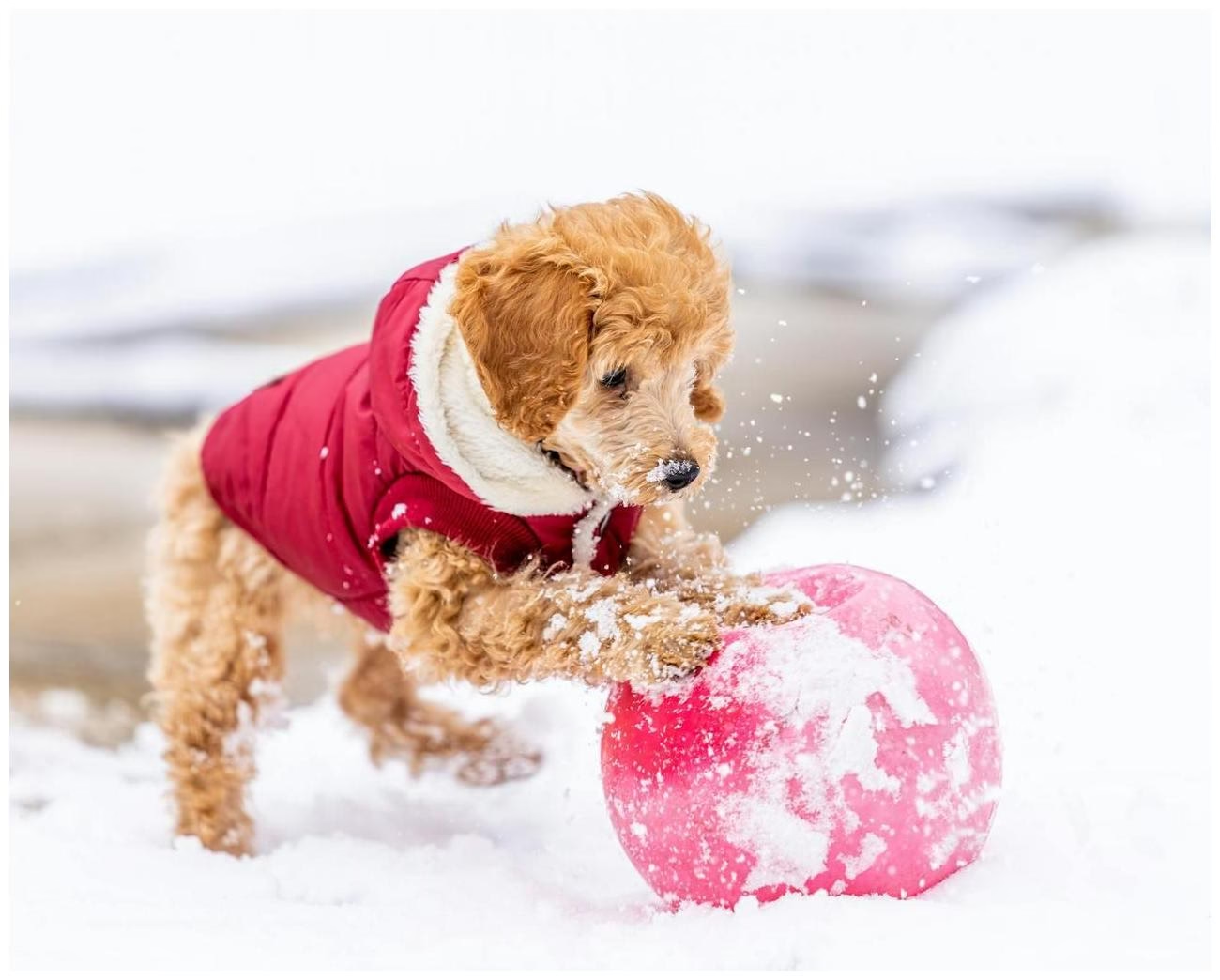
Discover 7 essential tips to keep your dog safe in a blizzard. Learn how to protect your furry friend from harsh winter weather and ensure their well-being. Read our ultimate guide for dog parents.
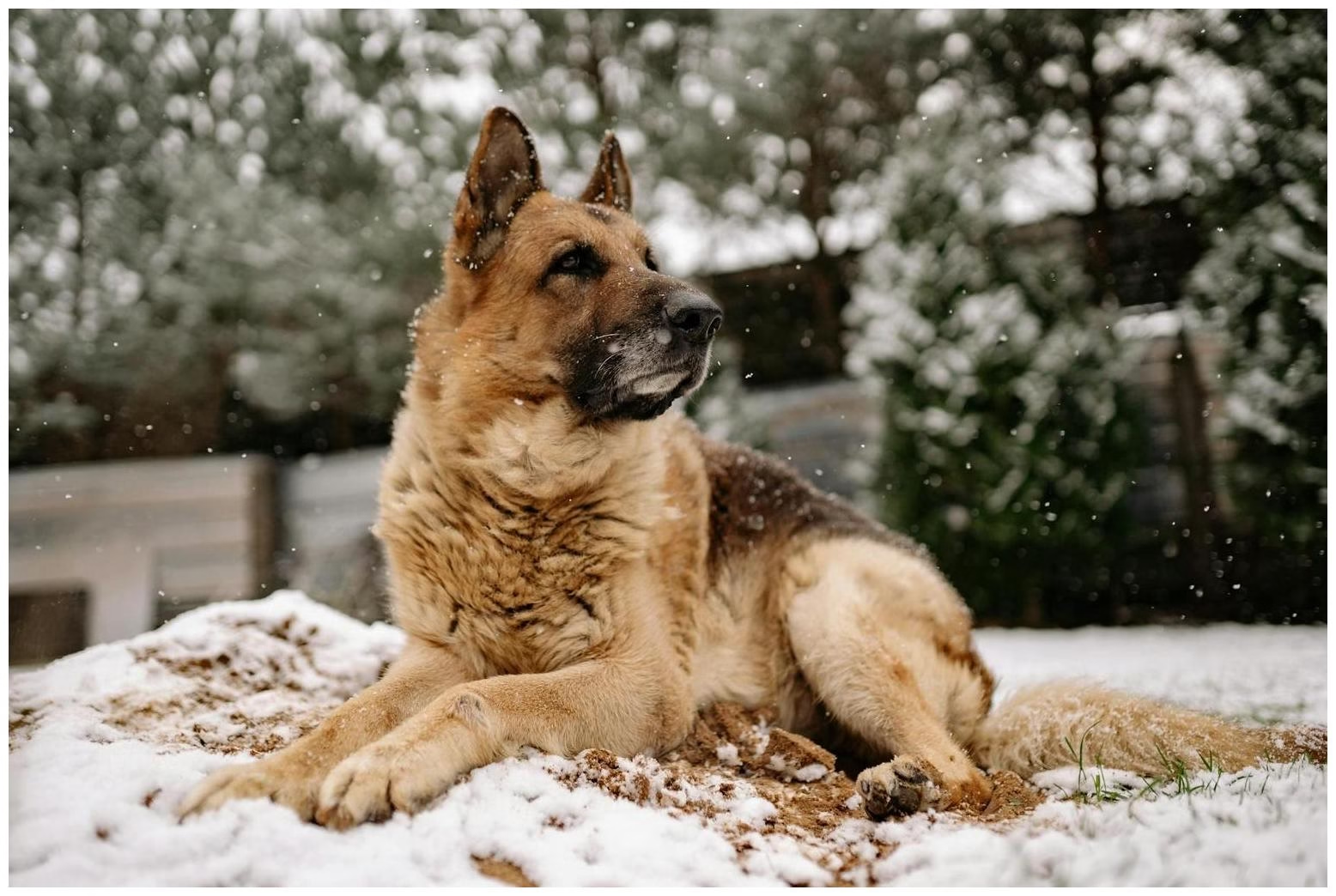
When a blizzard rages outside, your immediate concern likely turns to your beloved canine companion. Knowing how to keep your dog safe when blizzard conditions demand isn’t just a good idea – it’s crucial for their well-being. Are you prepared to protect your furry family member from the biting cold, deep snow, and potential dangers that a winter storm brings? Every modern dog parent wants to ensure their pup is warm, secure, and happy, even when the world outside is covered in a blanket of white.
Winter storms, especially blizzards, pose significant threats to our pets, from hypothermia and frostbite to getting lost in deep snow. As responsible pet parents, understanding the risks and implementing proactive safety measures is paramount. This comprehensive guide will walk you through everything you need to know, offering practical advice and expert insights to ensure your dog remains safe, warm, and comfortable when the snow starts falling heavily.
From essential preparations before the storm hits to crucial care during its peak, we’ll cover all bases. Get ready to arm yourself with the knowledge to navigate even the harshest winter weather, making sure your best friend is protected at every turn.
The Ultimate Guide to Keep Dog Safe in a Blizzard: Why It Matters
Understanding why blizzards are particularly dangerous for dogs is the first step in ensuring their safety. Unlike us, dogs often don’t fully grasp the severity of extreme cold, leading them to stay outdoors longer than is safe or to venture into dangerous conditions. The combination of freezing temperatures, strong winds, and heavy snowfall can rapidly lead to life-threatening situations such as hypothermia, frostbite, and disorientation. Furthermore, invisible hazards like hidden ice, sharp frozen debris, and toxic de-icing chemicals pose additional threats.
For modern dog parents, the responsibility to protect our pups from these elements is a non-negotiable aspect of pet ownership. Our dogs rely on us entirely for their well-being, and during a blizzard, this dependency is magnified. Proactive measures are not just about comfort; they are about survival. By taking the right steps, you can significantly reduce the risks and provide a secure environment for your dog, allowing both of you to weather the storm with peace of mind. Learning how to keep dog safe in blizzard weather brings is a testament to your commitment as a pet parent.
Essential Preparations: Before the Snow Hits to Keep Dog Safe Blizzard Ready
Preparation is key when it comes to any natural disaster, and blizzards are no exception. Getting your home and your dog ready before the first snowflake falls can make all the difference. Think of it as creating a fortress of warmth and safety for your beloved companion. This goes beyond just stocking up on kibble; it involves a comprehensive approach to winter readiness.
Building Your Dog’s Blizzard Emergency Kit
Just as you have an emergency kit for your family, your dog needs one too. This kit should include a minimum of 3-7 days’ worth of food and fresh water, easily accessible in case of power outages or travel restrictions. Don’t forget any necessary medications, with extra doses if possible. A comfortable, warm blanket or an old towel, along with a few favorite toys, can provide much-needed comfort and reduce anxiety during stressful times. A manual can opener if you use canned food, and a copy of your dog’s vaccination records, veterinarian’s contact information, and a current photo are also crucial. Having a well-stocked kit ensures you’re ready to handle blizzard conditions present.
Insulating Your Home and Outdoor Spaces for Pet Safety
While your dog should primarily be indoors during a blizzard, taking steps to insulate your home can enhance their comfort and safety. Seal any drafts around windows and doors to prevent cold air from seeping in. If you have outdoor pets or animals that might temporarily need shelter (though indoor is always best), ensure any outdoor shelters are elevated, well-insulated, and windproof. For indoor dogs, identify the warmest, safest spot in your home – away from drafty windows or heating vents that could become too hot – and set up their bed there. This thoughtful preparation contributes significantly to a robust pet safety routine.
During the Storm: Protecting Your Pup When the Blizzard Rages
Once the blizzard is in full swing, your focus shifts to active protection and careful management of your dog’s daily routine. The goal is to minimize exposure to the harsh elements while still meeting their basic needs. This period requires vigilance and a clear understanding of the immediate dangers.
Safe Outdoor Practices: Potty Breaks and Limited Exposure
Outdoor potty breaks are inevitable, but they must be managed with extreme caution. Keep these excursions as brief as possible – just long enough for your dog to relieve themselves. Always accompany your dog outside, even if you have a fenced yard, as deep snow can create escape routes over fences or hide dangerous objects. Clear a small, safe path for them to do their business, minimizing their contact with deep snow and ice. For short-haired breeds or those particularly sensitive to cold, appropriate dog clothing for snow, like an insulated coat or sweater, is essential to help them with staying warm dogs in blizzard conditions.
Keeping Paws Protected: The Unsung Heroes of Winter Walkies
Your dog’s paws are highly susceptible to cold, ice, and chemicals like road salt. Investing in dog booties is one of the most effective ways to protect them. Ensure they fit properly to prevent discomfort or injury. If booties aren’t an option, apply a paw balm or petroleum jelly to create a protective barrier before going out. Immediately after coming inside, thoroughly wipe your dog’s paws to remove snow, ice, and any toxic de-icing agents. Regularly check their paws for signs of redness, cracking, or irritation – early detection is key to preventing painful issues and ensuring overall paw health is comprehensive.
Recognizing and Responding to Winter Dangers: How to Protect Dogs in a Snowstorm
Even with the best preparations, accidents can happen. Knowing how to identify and react to common winter emergencies is crucial for ensuring your dog’s survival and well-being during a blizzard. This knowledge empowers you to act swiftly and effectively when every second counts.
Spotting the Signs of Hypothermia and Frostbite
Hypothermia occurs when your dog’s body temperature drops dangerously low. Signs include intense shivering, lethargy, weakness, stiff muscles, shallow breathing, and pale gums. As hypothermia worsens, shivering may stop, and your dog might become unresponsive. Frostbite, on the other hand, affects extremities like paws, ears, and tail, appearing as pale, waxy, or discolored skin that feels cold to the touch. In severe cases, the affected area may turn black. If you suspect either, immediately bring your dog to a warm area, wrap them in blankets, and contact your veterinarian. Do not rub the affected areas, as this can cause further damage. This is a critical part of dog hypothermia prevention.
What to Do in a Pet Emergency During a Blizzard
Having an emergency plan is vital. Know the route to your emergency veterinary clinic and check if they are open during a blizzard. Keep their phone number readily accessible. If you lose power, know how to safely create a warm space for your dog, perhaps using extra blankets or a designated pet-safe heating pad. In extreme cases, if you cannot reach veterinary care, be prepared to follow basic first-aid steps as advised by a remote vet, such as gently warming your dog or applying clean bandages to minor injuries. Your ability to calmly and effectively respond is paramount to successfully navigating pet emergencies during a crisis.
Beyond the Basics: Winter Dog Care Guide for Optimal Well-being
Keeping your dog safe in a blizzard goes beyond just avoiding immediate dangers; it also encompasses maintaining their overall physical and mental health during a period of confinement and extreme weather. A holistic winter dog care guide ensures their comfort and happiness.
Nutrition and Hydration: Fueling Your Dog for Cold Weather
Cold weather can increase your dog’s energy expenditure as their body works harder to stay warm. Consult your vet about adjusting their food intake slightly, especially for active dogs. Ensure constant access to fresh water; water bowls can freeze quickly if placed near cold drafts. Consider a heated water bowl if your dog spends any time in an unheated garage or protected outdoor space (though, again, indoor is best). Proper nutrition and hydration are fundamental to maintain their immune system and energy levels, both critical for keeping dogs safe in a blizzard.
Mental Stimulation Indoors: Battling Cabin Fever
Extended indoor periods during a blizzard can lead to boredom, anxiety, and destructive behaviors. Combat cabin fever with engaging indoor activities. Puzzle toys that dispense treats, interactive games like hide-and-seek, or even learning new tricks can provide crucial mental stimulation indoors. Rotate their toys regularly to keep them interested. Structured playtime helps burn off excess energy and keeps their minds sharp, making the confinement less stressful for both you and your dog. This ensures their emotional well-being is addressed, which is just as important as physical safety.
Common Mistakes to Avoid When Trying to Keep Dog Safe Blizzard Conditions
Even the most well-intentioned dog parents can make mistakes during a blizzard. Being aware of these common pitfalls can help you avoid them and provide even better care for your pup. One significant mistake is underestimating the speed at which cold can affect dogs. What might feel like a quick dash outside for you could be dangerously long for a small or short-haired dog.
Another common error is assuming that all dogs are naturally resilient to cold. Breeds with thick double coats are more tolerant, but even they have limits. Small, short-haired, elderly, or very young dogs are particularly vulnerable. Neglecting proper paw care is also a frequent oversight; frozen ground and chemicals can cause serious damage quickly. Lastly, failing to prepare an adequate emergency kit or not having a plan for power outages leaves both you and your dog vulnerable. By consciously avoiding these errors, you significantly enhance your ability to provide optimal care in blizzard weather.
Expert Advice: Your Blizzard Pet Safety Checklist
To summarize, here’s a quick checklist compiled from expert recommendations to ensure your dog’s maximum safety during a blizzard:
- Bring ALL pets indoors: No exceptions for extreme cold.
- Limit outdoor time: Brief, supervised potty breaks only.
- Protect paws: Use booties or paw balm, clean paws after every outing.
- Provide proper warmth: Ensure a warm, draft-free resting area with blankets. Consider a dog coat for vulnerable breeds.
- Ensure ample food and water: Stock extra supplies and prevent water from freezing.
- Prepare an emergency kit: Include food, water, meds, blankets, and vet contacts.
- Recognize distress signals: Know the signs of hypothermia and frostbite.
- Clear paths: Shovel a small area for bathroom breaks.
- Check ID tags and microchip info: Ensure they are current in case your dog gets lost.
- Engage indoors: Provide mental stimulation to combat boredom.
Following this blizzard pet safety checklist will help you navigate the winter storm confidently.
Conclusion: Keeping Your Dog Safe in a Blizzard is Your Top Priority
As devoted dog parents, our primary goal is always to provide the best possible care for our furry companions. When blizzards strike, this commitment is tested, requiring extra vigilance and preparation. By understanding the unique dangers winter storms pose to dogs and implementing the comprehensive strategies outlined in this guide, you can ensure your beloved pet remains safe, warm, and happy, no matter how fierce the weather outside becomes.
From building an emergency kit and protecting delicate paws to recognizing the subtle signs of hypothermia, every step you take contributes to their well-being. Remember, your proactive care makes all the difference in helping your dog thrive through the coldest months. Continue to be their advocate, their protector, and their source of warmth, ensuring you always know how to keep dogs safe when blizzard conditions may bring. Stay safe and warm, and cherish those cozy moments with your cherished canine.
- Create a “Blizzard Buddy Box”: Assemble a dedicated emergency kit for your dog with extra food, water, medications, a warm blanket, and a favorite toy. This ensures quick access to essentials when the storm hits, providing peace of mind for you and comfort for your pup.
- Test Booties Before the Storm: Don’t wait until the blizzard to introduce paw protection. Practice wearing dog booties indoors for short periods to get your dog accustomed to them, making outdoor bathroom breaks less stressful when snow and ice cover the ground.
- Designate an Indoor Potty Spot (If Necessary): For very severe blizzards where outdoor access is dangerous, consider training your dog to use an indoor potty pad or designated area. This is a crucial backup plan to help keep your dog safe in a blizzard emergencies might necessitate.
- Elevate Food and Water Bowls: If your home is prone to drafts or cold spots near the floor, elevate your dog’s food and water bowls slightly. This can help prevent water from freezing or becoming too cold, ensuring continuous hydration in chilly conditions.
- “De-Paw” Your Entryway: Keep a towel by the door specifically for wiping your dog’s paws immediately after coming inside. This removes snow, ice, and harmful de-icing chemicals, preventing irritation and ingestion and contributing to overall blizzard safety tips for dogs.
- Know Your Dog’s Breed-Specific Needs: Short-haired, small, and elderly dogs are more susceptible to cold. Research your specific breed’s tolerance and invest in appropriate dog clothing for snow, like insulated coats or sweaters, to provide extra warmth.
- Indoor Enrichment is Key: Blizzards often mean extended indoor time. Combat boredom and anxiety by rotating toys, playing indoor fetch, or engaging in puzzle feeders. A mentally stimulated dog is a happier and calmer dog during periods of confinement.
- Charge Backup Power for Warmth: If you rely on electric heating, consider a small, battery-operated space heater (used safely and supervised) or backup power banks to charge warming pads. This can be vital for staying warm dogs in blizzard power outages.
- Check for Escape Routes Regularly: Snowdrifts can create unexpected ramps over fences. Regularly check your yard perimeter during a blizzard to ensure no new escape routes have formed, protecting your dog from wandering into dangerous conditions.
- Recognize Subtle Hypothermia Signs: Beyond shivering, look for lethargy, stiff muscles, or slow breathing. Early recognition is vital for dog hypothermia prevention; immediately warm your dog and contact your vet if you suspect a problem.
