Philadelphia to temporarily ban unlicensed puppy breeding
Learn how to comply with Philadelphia’s new puppy breeding ban. Essential tips for responsible dog ownership. Adopt don’t shop!
Philadelphia’s recent temporary ban on unlicensed puppy breeding has sent shockwaves through dog lovers. If you’re a caring modern dog parent, this news likely raises urgent questions: How does this affect my ability to get a puppy? What does it mean for responsible dog ownership? And most importantly, how can I navigate these changes while still finding a healthy, happy companion? Let’s break down what this ban entails and how you can adapt. The temporary measure targets unlicensed breeders, aiming to crack down on puppy mills and promote ethical practices. While it’s a step toward better animal welfare, it also creates challenges for those seeking puppies. But fear not! With the right knowledge and approach, you can still find your perfect furry friend while supporting responsible breeding. Avoid Common Sourcing Mistakes to navigate the changes successfully.
Let’s break down what this ban entails and how you can adapt. The temporary measure targets unlicensed breeders, aiming to crack down on puppy mills and promote ethical practices. While it’s a step toward better animal welfare, it also creates challenges for those seeking puppies. But fear not! With the right knowledge and approach, you can still find your perfect furry friend while supporting responsible breeding.
Why Philadelphia’s Puppy Breeding Ban Matters
This isn’t just about regulations; it’s about the future of dog welfare in the city. By targeting unlicensed operations, Philadelphia is taking a stand against inhumane practices that often lead to health and behavioral issues in puppies. For modern dog parents who prioritize ethical sourcing, this ban aligns with values of compassion and responsibility. Explore Local Animal Rescues often have waiting lists and provide puppies that need loving homes. It encourages adoption from shelters and reputable breeders who prioritize animal well-being over profit.
Finding Puppies Responsibly Post-Ban
With unlicensed breeders facing restrictions, finding a puppy requires extra diligence. Here’s how to navigate this new landscape:
- Verify Licensing: Always ask for proof of licensing. Reputable breeders will be transparent about their status.
- Visit in Person: See the breeding environment firsthand. A responsible breeder will welcome visits and show you where the puppies are raised. When scheduling visits, ensure you’re thorough — Find Reputable Breeders by checking their reputation and facilities.
- Ask About Health: Demand health clearances for both parents, including OFA hip and elbow certifications, and eye exams. Learn more about ethical dog care from responsible dog ownership resources.
- Adopt, Don’t Shop: Consider adoption from shelters or rescue groups. Many have puppies available and are eager to find them loving homes. Discover adoption resources via adopt don’t shop materials.
- Take the Quiz: Use our guide to find your ideal puppy match. Discover Your Puppy Match now.
Understanding Puppy Mill Legislation
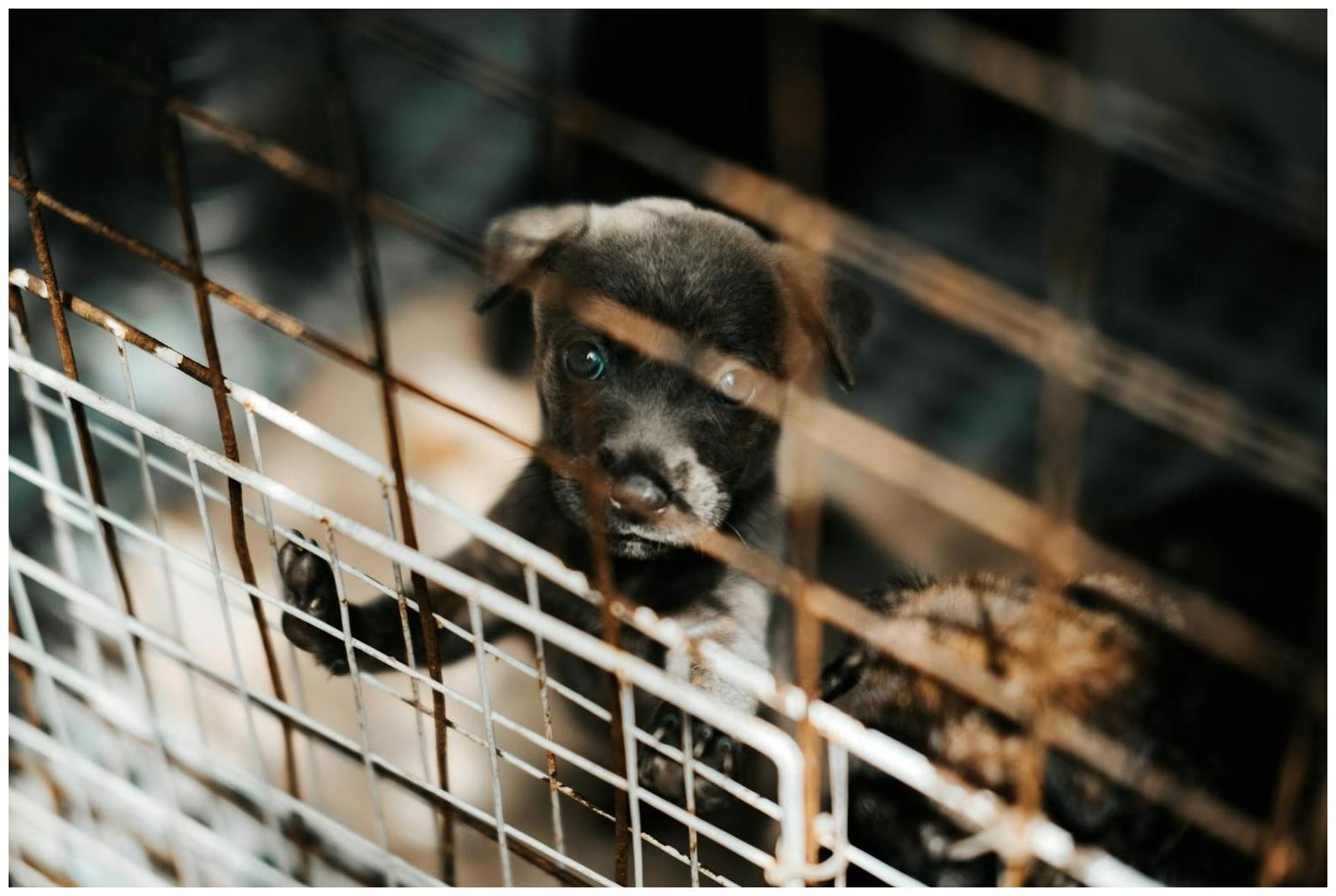
Puppy mills are large-scale breeding operations prioritizing profit over animal welfare. They often house dogs in cramped, unsanitary conditions and neglect their health and socialization needs. Philadelphia’s ban targets these operations, but it’s essential to recognize the signs of a mill versus a responsible breeder.
Reponsible breeders focus on the health and temperament of their dogs. They participate in health testing, provide proper socialization, and allow potential buyers to meet the parents. In contrast, mills hide their operations, avoid health screenings, and may offer puppies at suspiciously low prices. Read more about puppy mill laws through puppy mill legislation books.
Common Mistakes to Avoid
Even well-intentioned dog parents can make errors when sourcing puppies post-ban. Avoid these pitfalls:
- Rushing the Process: Don’t settle for the first available puppy. Take time to find the right match. Avoid Rushing Common Mistakes by researching thoroughly.
- Ignoring Red Flags: If a breeder seems evasive or refuses visits, walk away.
- Skipping Health Checks: Always request health clearances for parents to prevent future medical issues.
- Overlooking Adoption: Remember that shelters often have puppies needing homes. Don’t dismiss adoption as an option.
Step-by-Step Guide to Getting a Puppy Legally
Navigating the post-ban process requires patience and research. Here’s a step-by-step approach:
- Research Local Breeders: Use online directories and ask for recommendations from veterinarians or local dog groups.
- Verify Credentials: Check licensing status with Philadelphia’s animal control or the Pennsylvania Department of Agriculture.
- Schedule Visits: Meet the breeder and observe the conditions. Ask detailed questions about their practices.
- Review Contracts: Ensure the contract includes health guarantees and return policies.
- Prepare Your Home: Puppy-proof your space and gather supplies before bringing your new companion home.
Expert Advice for New Dog Parents
Experts emphasize that responsible sourcing is just the beginning. Once you bring your puppy home, focus on proper care and training:
- Start Early Training: Enroll in puppy classes to build good habits.
- Prioritize Socialization: Expose your puppy to various people, animals, and environments.
- Maintain Health Records: Keep up with vaccinations and vet visits. Learn more about responsible dog ownership through responsible dog ownership guides.
- Consider Pet Insurance: Protect against unexpected medical costs.
Conclusion
Philadelphia’s temporary ban on unlicensed puppy breeding is a significant step toward ethical dog ownership. While it requires more effort from prospective puppy parents, it ultimately benefits everyone involved. By choosing adoption, verifying breeder credentials, and prioritizing health and welfare, you contribute to a kinder, more responsible pet community. Remember, the journey to finding your perfect companion starts with compassion and diligence. Together, we can ensure every dog has a loving, ethical home. Take the Puppy Match Quiz to find your ideal match.
- Research Local Shelters: Research local shelters and rescue groups thoroughly. Many have puppies available and can provide detailed histories. Explore Local Shelters for more information.
- Health Clearances: Always request health clearances for both parents, including OFA hip and elbow certifications, and eye exams. Learn more from responsible dog ownership resources.
- Visit in Person: Visit the breeder’s facility in person before committing. Look for clean, spacious conditions and well-socialized puppies. Don’t skip this step to avoid common sourcing errors.
- References: Ask for references from previous buyers to gauge the breeder’s reputation and the health of their puppies.
- Adopt Adult Dogs: Consider adopting an adult dog or senior pet. They often have lower energy levels and are already trained, making them great companions. Discover adoption options through adopt don’t shop materials.
- Join Groups: Join local dog owner groups on social media. They can offer insights into reputable breeders and share adoption success stories.
- Wait Patiently: Be prepared to wait for a reputable breeder. Ethical breeders often have waiting lists, ensuring each puppy goes to a prepared home.
- Legal Compliance: Understand the legal requirements in Philadelphia. Know what licenses are needed and how to verify a breeder’s compliance. Get details from dog breeding laws guides.
