
Concerned about a potential UK dog breed ban? Discover if your furry friend could be affected by new welfare rules. Stay informed on proposed legislation and protect your pet.
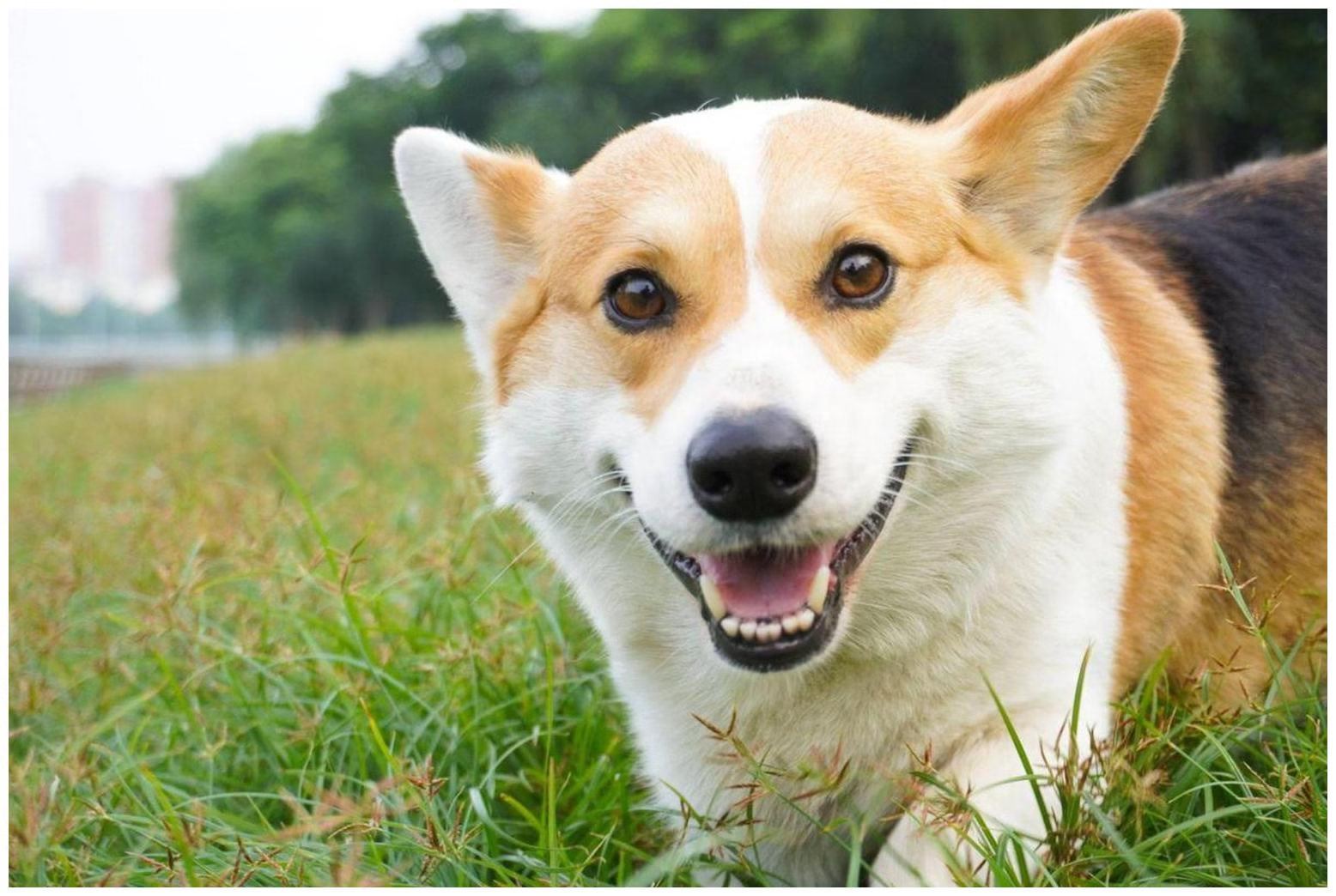
Pondering the latest headlines about your beloved canine companion? You’re not alone if you’ve heard whispers of a potential UK dog breed ban that could impact numerous breeds across the nation. For caring modern dog parents like you, any news concerning the welfare and legality of owning certain breeds is understandably alarming. The idea of new UK dog welfare rules sends shivers down the spine of many, prompting a flurry of questions about what this truly means for our four-legged family members. Is your furry friend safe, or could they be among the 67 breeds potentially facing new restrictions? Let’s dive into the details surrounding this significant discussion, helping you understand the implications and how best to prepare.
This proposed legislation stems from growing concerns over animal welfare, aiming to address health issues linked to extreme breeding practices. While no definitive list of banned dog breeds UK has been officially published, the discourse centers around breeds with exaggerated physical features that often lead to severe health problems. Understanding these proposed changes is crucial for every responsible dog owner in the UK, ensuring we continue to provide the best possible lives for our pets.
It’s a complex issue, balancing animal welfare with the rights of responsible owners, and it requires careful consideration. Staying informed about the latest uk dog breed legislation will empower you to advocate for your dog and adapt to any forthcoming changes.
Understanding the Potential UK Dog Breed Ban: Why Now?
The conversation around a possible UK dog breed ban isn’t a sudden development; it’s the culmination of years of growing concern from veterinary professionals, animal welfare organizations, and even some responsible breeders. The primary driver behind these potential new UK dog welfare rules is the ethical dilemma posed by breeds suffering from severe, often painful, health conditions directly attributable to their selective breeding for specific aesthetic traits. Think about those adorable flattened faces or excessively long backs – while appealing to some, these features can severely compromise a dog’s quality of life. Are we truly putting our dogs’ well-being first when we perpetuate such issues?
Government bodies are responding to increasing evidence of widespread health problems, particularly in certain popular breeds. This isn’t just about appearance; it’s about animals struggling to breathe, walk, or live comfortably without constant veterinary intervention. The aim of any proposed legislation is to safeguard animal welfare, preventing suffering that could be avoided through more responsible breeding practices. This proactive step aims to ensure that dogs born in the UK have the best possible chance at a healthy, happy life, free from inherited ailments caused by extreme conformation. The push for a UK dog breed ban in certain contexts highlights a serious commitment to improving animal welfare standards across the nation.
What a UK Dog Breed Ban Means: Which Breeds Could Be Affected?
While an official, confirmed list of banned dog breeds UK isn’t yet public, discussions frequently highlight breeds characterized by extreme physical traits. The Daily Star article, for instance, mentions the potential for 67 breeds to be affected, though it doesn’t detail all of them. This makes it challenging for owners to know for certain if their specific dog breed could face new UK dog breed restrictions. However, we can look at the types of dogs that are most commonly cited in welfare discussions due to health issues, which could inform the scope of a potential UK dog breed ban.
How a UK Dog Breed Ban Could Affect Brachycephalic Breeds
Perhaps the most prominent group under scrutiny are brachycephalic (flat-faced) breeds. Dogs like French Bulldogs, Pugs, English Bulldogs, and Cavalier King Charles Spaniels are often admired for their distinctive looks, but these very features can lead to severe respiratory problems (BOAS), dental issues, and overheating. Imagine struggling for every breath just to go for a walk. Their compressed skulls and narrow nostrils make breathing a constant effort, leading to a diminished quality of life for many. This isn’t just about aesthetics; it’s a profound welfare concern that demands attention and could be a significant factor in any UK dog breed ban considerations.
Understanding Other Breeds Under Scrutiny for a Potential UK Dog Breed Ban
Beyond brachycephalic dogs, other breeds known for exaggerated features or predispositions to specific inherited conditions could also be part of the discussion surrounding a UK dog breed ban. This might include breeds with excessively wrinkled skin (leading to skin fold dermatitis), very short legs and long backs (prone to spinal issues like IVDD in breeds such as Dachshunds), or giant breeds that suffer from severe skeletal and joint problems at an early age. The focus of the potential uk dog breed legislation is on traits that consistently compromise welfare, rather than targeting breeds indiscriminately. This proactive approach seeks to identify and mitigate breeding practices that cause suffering, influencing the shape of future dog breed restrictions UK. This is a critical aspect of understanding the potential impact of a UK dog breed ban.
Navigating New UK Dog Welfare Rules: What Owners Should Know
For modern dog parents, the prospect of new UK dog welfare rules can feel overwhelming. It’s crucial to remember that these are proposed changes, and the exact nature of any future legislation is still being shaped. The government’s approach typically involves a period of public consultation, allowing stakeholders, including dog owners, breeders, and welfare organizations, to voice their opinions and provide evidence. Understanding this process is your first step in being an informed and proactive advocate for your pet, especially concerning the potential for a UK dog breed ban.
Understanding the Consultation Process for UK Dog Breed Legislation
The consultation process is a vital democratic step in shaping public policy. It provides an opportunity for the public to submit feedback on proposed changes to uk dog breed legislation. This means you have a chance to contribute to the discussion, highlighting the importance of responsible dog ownership and the potential impact of broad bans versus targeted regulations. Keeping an eye on government announcements and welfare charity campaigns will alert you to when and how you can participate. Your voice matters in ensuring any new rules are fair, effective, and truly beneficial for dogs, mitigating the broader implications of a UK dog breed ban.
Preparing for Potential UK Dog Breed Restrictions
Regardless of the final outcome of any potential UK dog breed ban, preparing for stricter welfare standards is always a responsible step. This could involve ensuring your dog’s health records are up-to-date, engaging with your vet to understand any breed-specific health predispositions, and supporting ethical breeding practices. Consider getting a comprehensive health check, especially if they belong to a breed commonly associated with health concerns. Being proactive means you’re well-equipped to navigate any changes, ensuring your dog remains happy and healthy, no matter what the future holds under new UK dog welfare rules or potential dog breed restrictions UK.
Your Guide to UK Dog Breed Legislation: Steps for Responsible Owners
As dedicated dog parents, you want to ensure your furry family members are always safe and cherished. The evolving landscape of UK dog breed legislation means staying informed and proactive is more important than ever. If changes related to a potential UK dog breed ban come into effect, how can you best adapt and protect your pet? This section offers practical steps to ensure you’re always ahead of the curve, providing the best care while adhering to future regulations.
Checking Your Dog’s Health and Genetics Amidst UK Dog Breed Restrictions
One of the most powerful steps you can take is to be intimately aware of your dog’s health and genetic background. Regular veterinary check-ups are paramount, but also discuss any breed-specific predispositions with your vet. For instance, if you own a brachycephalic breed, understanding conditions like Brachycephalic Obstructive Airway Syndrome (BOAS) and seeking early intervention can significantly improve their quality of life. Proactive health management is not only good for your dog but also demonstrates responsible ownership, which may be crucial if new UK dog welfare rules are implemented, potentially influencing future UK dog breed ban discussions.
Engaging with Breed-Specific Clubs and Vets for UK Dog Breed Legislation
Connecting with breed-specific clubs and maintaining open communication with your veterinarian are invaluable resources. These clubs often have deep knowledge of their breed’s health challenges and responsible breeding guidelines. Your vet can provide expert advice on your dog’s individual needs and interpret any new uk dog breed legislation. They can help you understand what, if any, specific actions you might need to take, such as health screening or lifestyle adjustments, to ensure your dog remains compliant and thriving under any new dog breed restrictions UK. Building a strong support network is key to navigating these complex discussions surrounding a potential ban.
Common Mistakes to Avoid with the UK Dog Breed Ban Discussion
In the face of emotionally charged discussions about a potential UK dog breed ban, it’s easy to fall into certain traps that can hinder constructive dialogue and cause unnecessary worry. One common mistake is succumbing to panic and misinformation. Rumours can spread quickly, especially online, often without factual basis. Always verify information from official government sources, reputable animal welfare organizations, and veterinary professionals before drawing conclusions or taking drastic action. Jumping to conclusions without all the facts can lead to unfounded anxiety for both you and your pet.
Another pitfall is to become complacent or dismissive of the concerns driving these welfare proposals. While it’s vital not to panic, it’s equally important to acknowledge the genuine welfare issues that prompted the discussion about new UK dog welfare rules in the first place. Dismissing these concerns entirely risks undermining the efforts to improve canine health across the board. Engaging thoughtfully, understanding different perspectives, and focusing on solutions rather than just problems will contribute more positively to the welfare of all dogs. Remember, this isn’t about blaming owners, but about improving standards, even amidst talks of a UK dog breed ban.
Expert Advice on Adapting to Potential UK Dog Breed Restrictions
As modern dog parents, you’re always seeking the best for your furry companions. In light of potential UK dog breed restrictions, adopting a proactive and informed approach is paramount. Experts consistently emphasize the importance of prioritizing your dog’s health and well-being above all else. This means going beyond basic care and truly understanding your dog’s specific breed needs and potential vulnerabilities. Consult regularly with your veterinarian to establish a comprehensive health plan tailored to your dog, including preventative care and early detection of breed-specific conditions. For instance, if your dog is part of the breeds mentioned in discussions, your vet can advise on monitoring for relevant symptoms that might relate to the impetus for a UK dog breed ban.
Furthermore, staying engaged with the legislative process and supporting responsible breeding initiatives is crucial. While a comprehensive UK dog breed ban might sound daunting, the underlying goal is to reduce suffering. By supporting breeders who prioritize health and temperament over extreme aesthetics, and by advocating for fair and enforceable legislation, you contribute to a better future for all dogs. This involves educating yourself and others about responsible pet ownership and recognizing the signs of good health versus welfare compromises, ensuring that any new uk dog breed legislation serves its intended purpose effectively, shaping the future of dog breed restrictions UK.
Conclusion: Protecting Our Pups Amidst the UK Dog Breed Ban
The potential for a UK dog breed ban and the introduction of new UK dog welfare rules understandably raises many questions for loving dog parents. While the landscape is still evolving, the core message remains clear: the welfare of our dogs is paramount. By staying informed, engaging responsibly with official consultations, and prioritizing your dog’s health through regular veterinary care and proactive measures, you can navigate these discussions with confidence and ensure your companion continues to thrive.
Remember, this isn’t about fear, but about fostering a future where all dogs in the UK can live healthier, happier lives, free from preventable suffering caused by extreme breeding. Your vigilance and dedication as a dog owner are crucial in shaping this future. Let’s continue to be the best advocates for our four-legged friends, embracing knowledge and compassion to ensure their well-being under any forthcoming uk dog breed legislation.
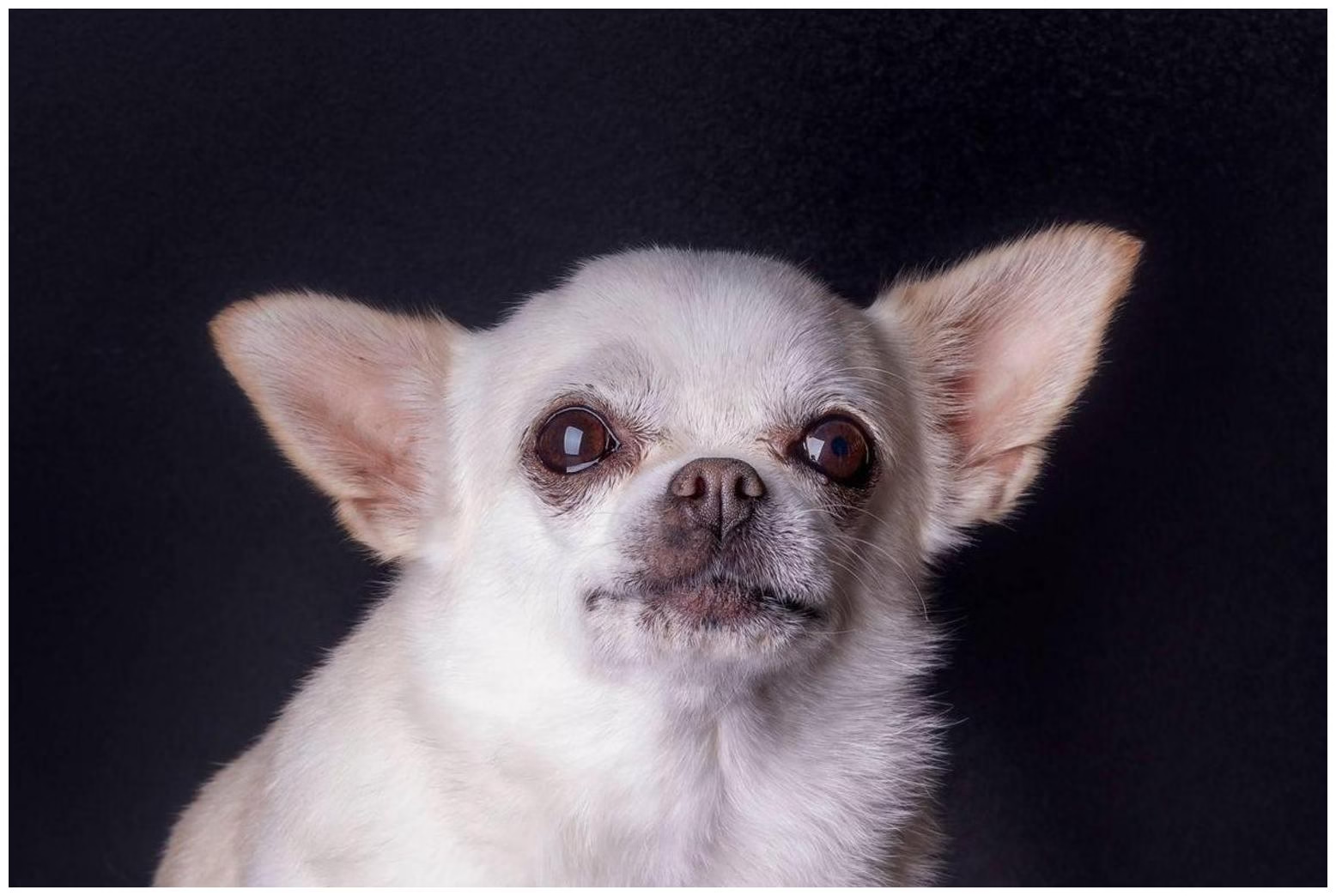
- Stay Updated on UK Dog Breed Ban News: Sign up for newsletters from reputable animal welfare organizations and government animal health bodies. This ensures you receive accurate, timely information directly, helping you differentiate facts from rumors regarding any new UK dog welfare rules.
- Consult Your Vet Proactively: Don’t wait for legislation; discuss your dog’s breed-specific health predispositions with your vet now. They can offer preventative strategies and ensure your dog’s health records are robust, which is vital for any future dog breed restrictions UK.
- Support Responsible Breeders: If considering a new puppy, research breeders who prioritize health testing and temperament over exaggerated physical traits. Your choices directly impact the demand for ethical breeding, helping to counter the issues driving a potential UK dog breed ban.
- Get Your Dog Microchipped and Registered: Ensure your dog’s microchip details are up-to-date and registered with a compliant database. This is a basic legal requirement in the UK and crucial for identification under any new uk dog breed legislation.
- Educate Yourself on Breed Standards (Health-Focused): Learn about ideal health-focused breed standards for your dog’s type, not just aesthetics. Understanding what makes a healthy example of your breed can empower you to make informed decisions about care and advocacy.
- Participate in Public Consultations: When government consultations on animal welfare or dog breed restrictions UK are open, make your voice heard. Thoughtful, evidence-based feedback from responsible owners is invaluable in shaping fair and effective policy.
- Socialize Your Dog Broadly: Ensure your dog is well-socialized and well-behaved in various environments. A well-adjusted dog is less likely to face behavioral issues, which can be particularly important if dog ownership laws become stricter.
- Consider Pet Insurance for Health Concerns: Explore comprehensive pet insurance options, especially if your dog’s breed is known for health issues. This provides peace of mind and financial support for any breed-specific conditions that might become more scrutinized.
- Navigating the UK Dog Breed Ban with Local Support: Connect with other caring modern dog parents in your area or online. These communities can provide support, share local resources, and collectively discuss how best to prepare for changes.
