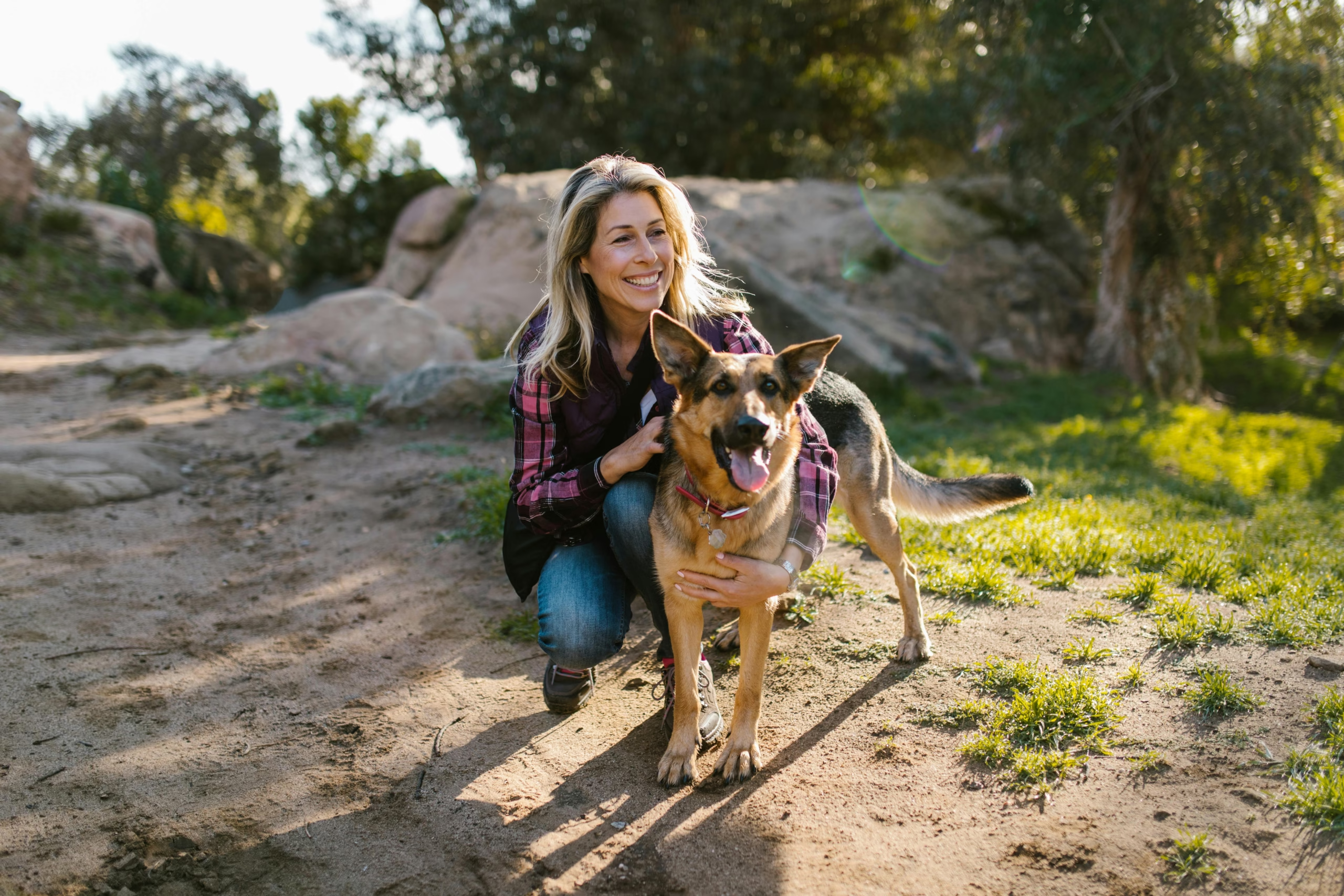
When can a puppy leave its mom? Find out the ideal puppy weaning age & how long a puppy should stay with its mother. Learn crucial info for responsible pet ownership! Get expert advice now.
When Can A Puppy Leave Its Mom? A Comprehensive Guide
Bringing a new puppy home is an exciting time, but it’s crucial to understand the optimal timeframe for separation. Knowing when can a puppy leave its mom is vital for the puppy’s physical and emotional well-being. This comprehensive guide explores the critical factors influencing this decision, providing clarity on puppy weaning age, and how long should a puppy stay with mom.
The Importance of Mother’s Milk and Early Socialization
The first few weeks of a puppy’s life are paramount. Mother’s milk provides essential antibodies vital for building a robust immune system. These antibodies protect against diseases like parvovirus and distemper, before vaccinations fully take effect. [What is canine DHPP vaccine]? provides a detailed explanation of this crucial immunization. Furthermore, the time with the mother is crucial for early socialization. Puppies learn crucial social skills from their littermates and mother, establishing a foundation for appropriate canine behavior. These early experiences lay the groundwork for a well-adjusted adult dog. A premature separation can lead to behavioral problems and emotional distress.
Puppy Weaning Age: A Gradual Transition
Puppy weaning age is not a fixed number of days but a gradual process typically starting around 3-4 weeks of age. This involves a gradual introduction of solid food alongside mother’s milk. By 6-8 weeks, puppies should primarily be consuming solid food and fully weaned from their mother. This transition should be carefully managed to prevent digestive upsets.
However, simply being weaned doesn’t equate to readiness for leaving their mother. The process should be gradual. Introducing solid food early will allow the puppy to gradually develop a strong digestive system before separation from its mother.
How Long Should a Puppy Stay with Mom? The 8-Week Rule and Beyond
The widely accepted guideline suggests that puppies should stay with their mothers until at least 8 weeks old. This timeframe allows for adequate weaning, crucial socialization with the litter and mother, and the development of essential immune system components from the mother’s milk. Before 8 weeks, the puppy’s immune system isn’t fully developed. Moreover, separation before this age can result in increased anxiety and behavioral issues later in life. This is a critical consideration for responsible breeders and those adopting puppies. Leaving the puppy too soon impacts its chances of thriving.
While 8 weeks is a general guideline, some breeds or individual situations may warrant a slightly longer stay. Consider seeking advice from a veterinarian if you have any concerns or questions about a specific puppy’s development. There is significant information online about the benefits of allowing puppies to stay with their mothers longer, especially when combined with other puppies.
Assessing Puppy Development: Key Indicators of Readiness
Beyond the 8-week guideline, consider these crucial indicators of readiness:
- Consistent bowel and bladder control: While accidents will occur, puppies approaching 8 weeks should show a reasonable degree of control.
- Solid food consumption: They should be confidently eating solid puppy food without requiring supplementary mother’s milk.
- Stable weight gain: Healthy weight gain indicates proper nutrition and overall well-being.
- Confidence and social skills: The puppy should demonstrate an ease around other dogs and people, showing appropriate play behavior. This confidence is crucial for their future adaptation to a new home.
Health Considerations: Vaccinations and Parasite Prevention
Prior to separation, a veterinarian should examine the puppy, performing necessary vaccinations and preventative measures. These typically include core vaccines like [What is canine DHPP vaccine] and [what is canine Bordetella vaccine]? or [what is canine Bordetella]? These vaccinations help protect the puppy from several common and potentially fatal diseases. Parasite prevention, such as deworming, is also essential. Ensuring the puppy receives these protections before leaving their mother minimizes health risks in the new environment. This preventative care significantly increases the chances that the puppy is ready and will remain healthy.
The Emotional Impact of Early Separation
It’s important to note that early separation, even if physically possible, can cause significant emotional distress for puppies. The bond between a mother and her puppies is strong and provides essential security and comfort. Premature separation can result in:
- Increased anxiety and fear: Puppies deprived of adequate maternal care may exhibit heightened anxiety, fear of new environments, and people.
- Behavioral problems: Lack of proper socialization can lead to aggression, excessive barking, or other undesirable behaviors.
- Attachment issues: Early separation can hinder the development of secure attachments, impacting the puppy’s ability to form healthy relationships with their human family.
Dental Development: Canine Teeth Eruption and Loss
Another factor to consider when determining a puppy’s readiness for separation is its dental development. While not a primary factor determining the exact timing, observing the eruption of teeth can hint at the puppy’s overall development. Check out [when do canine teeth erupt in the horse] and [when do canine teeth fall out] for more information on canine dental development. However, this should not be the sole determining factor on when a puppy leaves its mother, instead it should be considered one of several key indicators.
Finding a Reputable Breeder: A Crucial Step
Finding a responsible breeder is paramount for ensuring a healthy and well-adjusted puppy. Reputable breeders prioritize the well-being of their puppies, adhering to appropriate weaning and separation protocols. They carefully monitor the puppies’ health and development, ensuring that they are ready both physically and emotionally before leaving their mothers. They will also provide invaluable guidance and support during the transition to your home.
Conclusion: Prioritizing Puppy Welfare
Determining when can a puppy leave its mom is a decision demanding careful consideration. While the 8-week guideline provides a general framework, various factors, including the puppy’s health, development, and emotional well-being, must be prioritized. Prioritizing early socialization and a gradual weaning process, combined with responsible breeding practices, guarantees a smooth transition for the puppy and fosters a healthy relationship with its new family.
Remember that responsible breeding practices are essential to ensuring a healthy and well-adjusted puppy. Many puppies may remain with their mothers a little longer.
We’d love to hear your experiences! Share your thoughts and stories on when can a puppy leave its mom, puppy weaning age, and how long should a puppy stay with mom in the comments below. What factors influenced your decision?
External Resources:
- American Kennel Club (AKC): [Insert relevant AKC link on puppy care]
- American Veterinary Medical Association (AVMA): [Insert relevant AVMA link on puppy health]
- The Humane Society of the United States (HSUS): [Insert relevant HSUS link on responsible pet ownership]

Frequently Asked Questions: When Can a Puppy Leave Its Mom?
1. What is the ideal age for a puppy to leave its mother?
Most breeders and veterinarians agree that the ideal age for a puppy to leave its mother is between 8 and 12 weeks old. This allows for sufficient time for Puppy Weaning Age completion, essential socialization, and the development of crucial life skills learned from the mother and littermates. Before this age, puppies are still heavily reliant on their mother for nursing and warmth.
2. How long should a puppy stay with its mother for proper development?
A puppy should ideally stay with its mother for at least 8 weeks, sometimes longer depending on the breed and individual puppy’s development. This period is vital for How Long Should a Puppy Stay with Mom, ensuring proper socialization, nursing, and learning essential canine behaviors. Leaving earlier can negatively impact their emotional and social development.
3. What are the signs that a puppy is ready to leave its mother?
Signs include fully weaned from mother’s milk (completed Puppy Weaning Age), eating solid food comfortably, exhibiting self-confidence, and interacting appropriately with littermates and humans. They should also have received their initial vaccinations, such as the Canine DHPP vaccine [https://pupquotes.com/blog/what-is-canine-dhpp-vaccine/], and potentially the Canine Bordetella vaccine [https://pupquotes.com/blog/what-is-canine-bordetella-vaccine/], and be free from parasites.
4. Is it harmful to take a puppy away from its mother too early?
Yes, removing a puppy from its mother too early can be very harmful. It can lead to behavioral problems, emotional insecurity, and increased risk of illness due to lack of proper nursing and antibodies. The critical period for socialization and learning from the mother and littermates is during those early weeks.
5. What happens during the Puppy Weaning Age?
Puppy Weaning Age typically begins around 3-4 weeks, when puppies start showing interest in solid food alongside their mother’s milk. The weaning process gradually transitions them completely to solid food by 7-8 weeks, coinciding with when they’re ready to leave their mother.
6. My puppy is only 6 weeks old, is it too early to take it home?
Six weeks is generally too early. It’s crucial to allow the puppy to complete its Puppy Weaning Age and develop essential social skills with its littermates and mother before separating it. Speak to your breeder to determine the ideal time for your puppy.
7. What if the mother dog rejects her puppies?
If the mother rejects her puppies, it’s a serious situation requiring immediate veterinary intervention. There might be underlying medical reasons or behavioral issues needing professional attention.
8. Can canine teeth eruption affect when a puppy leaves its mom?
While the eruption of canine teeth [https://pupquotes.com/blog/when-do-canine-teeth-erupt-in-the-horse/] and their eventual falling out [https://pupquotes.com/blog/when-do-canine-teeth-fall-out/] are important developmental milestones, they aren’t the sole determining factor for when a puppy is ready to leave. The overall health, development, and socialization are equally important considerations.
9. What vaccinations should my puppy have before leaving its mother?
Your puppy should ideally have at least its initial series of vaccinations, including the Canine DHPP vaccine [https://pupquotes.com/blog/what-is-canine-dhpp-vaccine/] which protects against distemper, hepatitis, parvovirus, and parainfluenza. Bordetella vaccinations [https://pupquotes.com/blog/what-is-canine-bordetella/] are also commonly recommended. Consult your veterinarian for a specific vaccination schedule.
10. My breeder wants me to take the puppy home at 7 weeks, is that acceptable?
While 7 weeks is close to the minimum, it’s still considered slightly early. Ideally, 8 weeks is preferred for most breeds. Discuss your concerns with the breeder and your veterinarian to ensure the puppy’s well-being. Consider How Long Should a Puppy Stay with Mom to assess the best timeline for your specific situation.

When Can a Puppy Leave Its Mom?
Separating a puppy from its mother is a crucial decision with significant implications for the puppy’s health and development. While there’s no single magic number, generally, puppies should stay with their mother and littermates for at least 8 weeks, ideally until 8-12 weeks of age. This timeframe allows for vital development in several key areas.
Physical Development: A Foundation for Life
During the first 8 weeks, puppies undergo rapid physical growth. They are entirely dependent on their mother’s milk for nutrition, which provides essential antibodies crucial for building a strong immune system. This period also sees the eruption of their deciduous teeth. You can learn more about canine tooth development by reading about when canine teeth erupt here. While this link refers to horses, the basic developmental principles are similar. Subsequently, those puppy teeth will fall out; you can learn more about that process here. Waiting until at least 8 weeks ensures that puppies have had sufficient time to develop strong, healthy bodies.
Socialization and Behavior: Learning the Ropes
The time spent with the mother and littermates is crucial for socialization. Puppies learn bite inhibition, appropriate play behavior, and essential social skills from their siblings and mother. Early separation can lead to behavioral problems later in life.
Vaccination and Health: Protecting Your Puppy
Before a puppy leaves its mother, it should have received at least its first round of core vaccinations. These typically include the DHPP vaccine, which protects against distemper, hepatitis, parvovirus, and parainfluenza. Learn more about the DHPP vaccine here. Bordetella vaccines are also often given, protecting against kennel cough. You can learn about canine bordetella here and the vaccine itself here. Waiting until the vaccination process is well underway significantly reduces the risk of your puppy contracting life-threatening diseases.
Signs of Readiness: Observing Your Puppy
While the 8-12 week guideline is important, some breeders may wean puppies a bit earlier, depending on the breed and litter’s individual development. Observe the puppies carefully. Are they weaned from their mother’s milk, eating solid food comfortably, and displaying healthy social interaction? If so, they might be ready to move on to their new homes a bit earlier. However, always prioritize their well-being and consult with your vet or breeder.
Conclusion
The decision of when a puppy leaves its mother is crucial for its overall health and well-being. Prioritize the 8-12 week timeframe to ensure the puppy receives adequate physical, social, and health development. Consult with your breeder and veterinarian to determine the best time for your specific situation.
When Can A Puppy Leave Its Mom, puppy weaning age, how long should a puppy stay with its mother