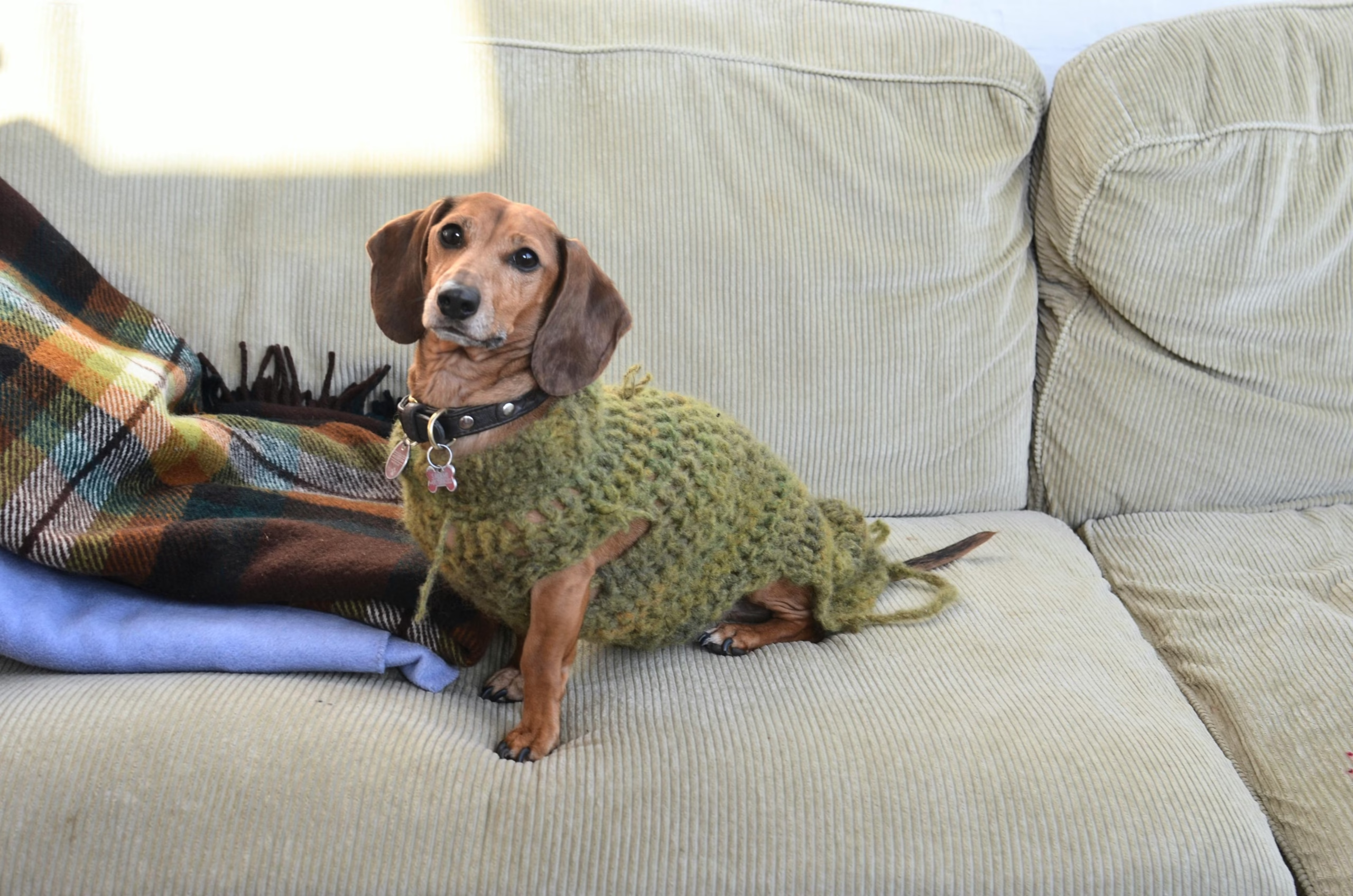
Discover the worst puppy teething stages & a complete puppy teething timeline. Learn when your pup’s teething will be toughest and how to best support them through it! Find relief now! #puppyteething #puppies
When Do Puppies Teeth The Worst? A Comprehensive Guide to Puppy Teething Pain
Puppyhood is a whirlwind of adorable antics, playful nips, and… a whole lot of teething. For new puppy owners, understanding when do puppies teeth the worst is crucial for managing this challenging phase. This detailed guide explores the puppy teething pain timeline, providing you with the knowledge and tools to navigate this period smoothly. We’ll cover everything from the initial signs to effective remedies, ensuring your furry friend remains happy and comfortable.
Teething Puppies Timeline: Understanding the Stages
The teething puppies timeline varies slightly depending on breed and individual puppy, but generally follows a predictable pattern. The first teeth to appear are the incisors, usually starting around 3 weeks of age. These are followed by the premolars and canines. By the time your puppy is around 6 months old, most of their baby teeth should have erupted.
When Do Puppies Teeth The Worst? The Peak Period
The most intense puppy teething pain typically occurs between the ages of 4 and 6 months. This is when most of their adult teeth are pushing through, causing significant discomfort. During this period, your puppy might exhibit increased chewing, drooling, and irritability. They may bite more frequently, even accidentally hurting you or others. This isn’t intentional; it’s simply a response to the intense pressure and pain in their gums. Understanding this timeline allows you to be better prepared and offer more support to your furry friend.
Early Signs of Teething (Weeks 3-4):
- Mild gum discomfort: You might notice your puppy gently gnawing on objects, a sign of early gum irritation.
- Increased drooling: While not always a sign of illness, increased salivation can indicate teething discomfort.
- Restlessness: Your puppy might be more fussy than usual, possibly due to the discomfort in their mouth.
Peak Teething Pain (Months 4-6):
- Excessive chewing: This is a common symptom. Your puppy will try to relieve the pressure by chewing on everything they can get their teeth on – furniture, shoes, your hands!
- Intense biting: The pain in their gums makes it difficult for them to control their bite, leading to accidental nips.
- Lethargy: Sometimes, the pain can make your puppy feel tired and less playful than usual.
- Loss of appetite: In some cases, the discomfort can affect their appetite.
- Swollen gums: You might notice redness and swelling of the gums.
Later Stages (Months 6-7):
- Baby teeth falling out: As the adult teeth come in, the baby teeth will gradually loosen and fall out. You might find some on the floor or in your puppy’s food bowl.
- Reduced chewing: As the adult teeth fully emerge, the chewing will lessen. However, chewing remains a normal behavior throughout a dog’s life. You might still need to manage inappropriate chewing behavior, even after teething is over.
- Normal chewing: Remember that some chewing is normal, even in fully-grown dogs. However, excessive chewing or destruction can be a sign of other issues, so always check with your vet if concerned.
Managing Puppy Teething Pain: Effective Strategies
Understanding when do puppies teeth the worst is only half the battle. Equally important is knowing how to effectively manage the associated discomfort. Here are some helpful tips:
- Provide appropriate chew toys: Offer a variety of safe and durable chew toys. These can help soothe their gums and redirect their chewing instincts away from your belongings. Consider frozen chew toys for extra pain relief. Hard toys may be less appealing during this stage as pressure on the gums may be uncomfortable.
- Cold treats: Offering cold treats like frozen carrots, bananas, or a frozen KONG stuffed with peanut butter can provide temporary relief from the pain and swelling.
- Dental chews: Many brands offer specifically formulated dental chews that can help keep your puppy’s teeth and gums healthy.
- Gentle massage: Gently massaging your puppy’s gums can help soothe the discomfort. Use a clean finger or a soft toothbrush.
- Distraction: When your puppy is exhibiting excessive biting, distract them with a toy or a game.
- Positive reinforcement: Reward your puppy for good behavior, such as gentle chewing on their toys.
- Avoid harsh methods: Never punish your puppy for biting, especially during teething. This will only increase their anxiety and make the situation worse. Instead, redirect and reward.
- Monitor for complications: If your puppy seems unusually lethargic, refuses to eat, or exhibits excessive drooling or bleeding, consult your veterinarian immediately.
Understanding Canine Teeth: Further Exploration
While this article focuses on puppy teething, understanding canine teeth more broadly is valuable for responsible pet ownership. For instance, knowing when the canine teeth fall out is a great marker of development, explained here in our piece on ‘When do canine teeth fall out?’ https://pupquotes.com/blog/when-do-canine-teeth-fall-out/. If you’re interested in the broader context of canine teeth, you might find it useful to check out our article on when canine teeth erupt in horses ( https://pupquotes.com/blog/when-do-canine-teeth-erupt-in-the-horse/), though it’s a somewhat different context. Or perhaps you’re intrigued by the powerful bite of predators – learn more about ‘What predator has the largest canine teeth?’ https://pupquotes.com/blog/what-predator-has-the-largest-canine-teeth/.
If your dog’s sharp teeth pose an issue and you’re curious about solutions, we’ve got you covered! Explore our guides on ‘How to make your canine teeth less sharper’ https://pupquotes.com/blog/how-to-make-your-canine-teeth-less-sharper/ and ‘How to make your sharp canine teeth less sharp’ https://pupquotes.com/blog/how-to-make-your-sharp-canine-teeth/. These articles help ensure the safety of everyone involved.
Beyond the Basics: Seeking Professional Advice
While this guide offers comprehensive information on when do puppies teeth the worst and managing puppy teething pain, it’s crucial to remember that every puppy is unique. If you have any concerns about your puppy’s teething or overall health, don’t hesitate to contact your veterinarian. They can provide personalized advice and address any specific issues. The American Veterinary Medical Association (AVMA) https://www.avma.org/ is a great resource for finding a vet in your area and accessing reliable information on canine health. The American Kennel Club (AKC) https://www.akc.org/ also offers valuable resources and breed-specific information that can help you better understand your puppy’s needs.
Share Your Experiences!
We hope this comprehensive guide has helped you understand when do puppies teeth the worst and how to manage the associated challenges. Now, we want to hear from you! Share your experiences with your puppy’s teething in the comments below. What strategies did you find most effective in relieving your puppy’s puppy teething pain? What unexpected challenges did you encounter? Let’s build a supportive community for puppy owners navigating this exciting and sometimes challenging phase together!

Frequently Asked Questions: When Do Puppies Teeth The Worst?
1. When exactly do puppies experience the worst teething pain?
The worst of puppy teething pain typically occurs between 3 and 8 months old. This is when the majority of their baby teeth are being replaced by adult teeth. The teething puppies timeline varies slightly by breed and individual puppy, but this period is generally the most challenging.
2. What are the signs my puppy is experiencing severe teething pain?
Signs of puppy teething pain include excessive chewing, drooling, whining or whimpering, gum swelling, loss of appetite, and attempts to bite. If your puppy seems unusually distressed, consult your vet.
3. How long does the puppy teething phase last?
While the most intense teething pain is usually between 3-8 months, the entire teething process can last until around 6-8 months, depending on the breed and individual puppy. The entire teething puppies timeline, from the first baby tooth eruption to the last adult tooth appearing, can stretch out a bit longer.
4. My puppy is chewing everything! Is this normal during the ‘When Do Puppies Teeth The Worst’ phase?
Yes, excessive chewing is a very common sign of teething puppies. Chewing helps relieve the discomfort of their sore gums. Providing plenty of appropriate chew toys is crucial during this period.
5. How can I help relieve my puppy’s teething pain?
You can help soothe your puppy’s teething pain with frozen chew toys, puppy-safe teething biscuits, and chilled, wet washcloths. Gentle gum massage can also provide some relief. For information on making your puppy’s teeth less sharp (if you’re concerned about bites), check out this helpful guide: how to make your canine teeth less sharper.
6. Are there any home remedies for puppy teething pain?
While vet-approved chew toys are best, some pet owners find that things like chilled carrots or cucumbers offer temporary relief. Never give your puppy anything that could be a choking hazard, though.
7. My puppy’s adult teeth are coming in, but the baby teeth aren’t falling out. Should I be worried?
If your puppy’s adult teeth are erupting, but the baby teeth haven’t fallen out, it’s best to consult your veterinarian. They can determine if intervention is necessary. (To learn more about when canine teeth fall out in general, see our article on when do canine teeth fall out.
8. When do canine teeth erupt in puppies?
The timing of canine teeth eruption varies, but it typically happens sometime between the ages of 3 to 8 months, which is also the time period for the worst of the ‘When Do Puppies Teeth The Worst’ experience. For a more detailed understanding of canine tooth development across species, read about when do canine teeth erupt in the horse.
9. What can I do to prevent my puppy from biting during teething?
Consistent training and providing ample chew toys are essential. Positive reinforcement techniques work best. Remember that biting is a normal puppy behavior, especially during teething. For insight into managing a related issue, see our article on how to make your sharp canine teeth less painful.
10. My puppy’s bite seems unusually aggressive, even for teething. Is this normal?
While biting is common during teething, excessive aggression might indicate an underlying issue. Consult your veterinarian to rule out any medical or behavioral problems. If you’re interested in the sheer power of canine teeth, learn about the what predator has the largest canine teeth.

When Do Puppies Teeth the Worst? A Guide for Puppy Parents
Puppies go through a teething phase that can be challenging for both the puppy and their owners. Understanding when this phase hits hardest and how to manage it is crucial for a happy and healthy pup.
Timing of the Worst Teething
The most intense teething period for puppies typically occurs between 3 and 7 months of age. This is when the sharp baby teeth are being replaced by adult teeth. While some puppies might show signs earlier or later, this timeframe generally encompasses the most significant discomfort and behavioral changes. You can learn more about the eruption of canine teeth in other animals for comparison, like horses, at when do canine teeth erupt in the horse. This period overlaps with the shedding of their deciduous (baby) teeth, as described in when do canine teeth fall out.
Symptoms of Puppy Teething
During this intense period, expect your puppy to exhibit several common symptoms:
- Excessive chewing: This is their primary way of relieving gum discomfort. Be prepared for chewed shoes, furniture, and anything else within reach!
- Drooling: Increased saliva production is another common sign.
- Gingivitis: Inflammation of the gums can occur.
- Irritability and whining: The pain and discomfort can make your puppy fussy and less playful.
- Loss of appetite (sometimes): The pain can temporarily affect their desire to eat.
Health Considerations
While teething is a normal process, certain health issues should be monitored:
- Delayed eruption or shedding: If your puppy’s teeth aren’t coming in or falling out as expected, consult your veterinarian.
- Retained baby teeth: Sometimes baby teeth don’t fall out, leaving insufficient space for the adult teeth. Veterinary intervention may be needed to remove them.
- Infections: Pay close attention to signs of infection, such as excessive swelling, redness, or pus. Seek veterinary care immediately if you suspect an infection.
Managing Teething Discomfort
Here’s how you can help your puppy through this phase:
- Provide plenty of chew toys: Offer a variety of safe and durable chew toys, such as rubber toys, rope toys, and frozen kongs. These can help to soothe their gums and relieve pain.
- Cold items: Cold chew toys or frozen washcloths can provide additional relief.
- Dental chews: While not a substitute for proper brushing later on, they can help soothe those sore gums.
- Puppy-safe teething solutions: Your veterinarian can suggest safe and effective solutions for soothing teething pain.
- Positive reinforcement: Encourage appropriate chewing behaviors by rewarding your puppy with praise or treats when they chew on their toys.
If you find your puppy is excessively chewing, reducing the sharpness of their teeth might help. You can find some tips about how to make your canine teeth less sharper and how to make your sharp canine teeth (this applies to adult dogs, but the principles are similar). Remember, though, these methods are supplementary to addressing the underlying discomfort of teething.
Important Note: While your puppy’s canine teeth will be impressively sharp (what predator has the largest canine teeth), remember that teething is a temporary phase. By understanding the timing, symptoms, and how to manage this period, you can make it a more comfortable experience for both you and your furry friend. Always consult your veterinarian if you have any concerns about your puppy’s teething.
When Do Puppies Teeth The Worst, puppy teething timeline, worst puppy teething stages