
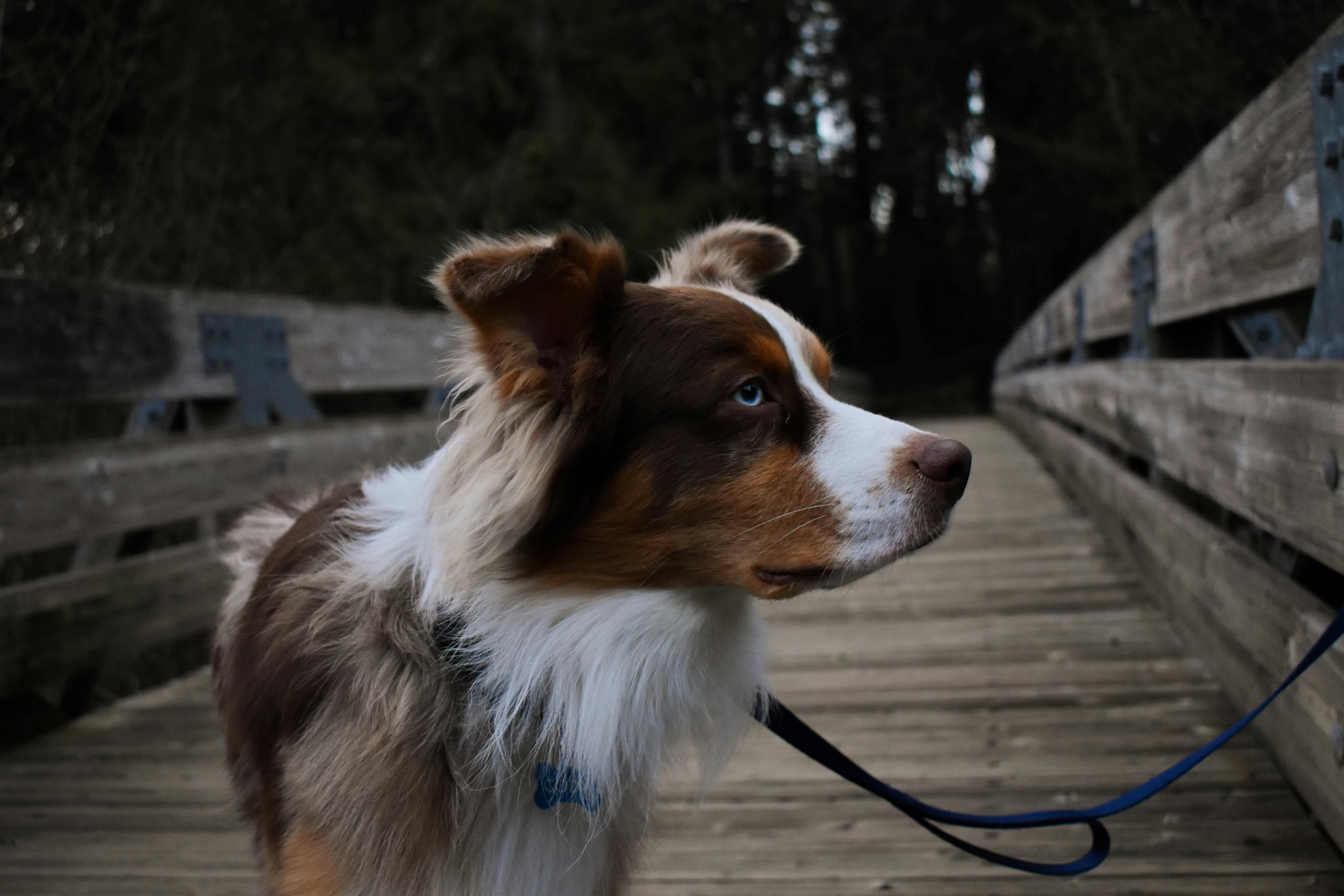
Why does your dog lick your face? Uncover the meaning behind dog licking face behavior. Learn why dogs lick and explore the various reasons behind this common canine action. Get answers to “Why does my dog lick me?” Discover the truth now!
Why Does My Dog Lick My Face? Decoding Canine Affection and Hygiene
Many dog owners share a special bond with their furry friends, often sealed with a slobbery kiss – or rather, a lick to the face. But why does my dog lick my face? It’s a question that puzzles many, and understanding the reasons behind this common canine behavior is crucial for building a stronger relationship with your pet. This comprehensive guide explores the various meanings behind a dog licking its owner’s face, addressing questions like why does my dog lick my face so much, and helping you decipher the nuances of your dog’s affection.
Dog Licking Face Meaning: A Multifaceted Behavior
Why does my dog lick my face? The answer isn’t always straightforward. A dog’s lick isn’t just a random act; it’s a complex behavior stemming from a combination of instinct, learned behavior, and possibly even underlying health issues. Let’s break down the key reasons:
1. Affection and Bonding:
This is perhaps the most common reason. Dogs, especially those with strong bonds with their owners, use licking as a way to show love and affection. Think of it as their equivalent of a hug or a kiss. The act of licking releases endorphins, creating a positive feeling for both the dog and the owner. This bonding behavior is often seen more frequently in dogs who’ve experienced consistent positive reinforcement and socialization.
2. Taste and Smell:
Your skin has a unique scent and taste, which can be intriguing to your dog. They might be trying to sample the residue of your food or lotion. This is especially true if you’ve recently eaten something salty or sweet. Keep in mind though, while this might be harmless, it’s a good idea to maintain good hygiene to minimize any potential transfer of bacteria or germs.
3. Attention-Seeking Behavior:
Sometimes, a dog might lick your face simply to get your attention. If you react positively – even negatively by scolding – you are still rewarding the behavior and might inadvertently encourage it. Consistent training and redirection can help minimize this type of attention-seeking behavior.
4. Grooming and Cleaning:
Dogs are naturally inclined to groom themselves and their pack members. Licking can be a way for your dog to clean or groom you, removing dirt, sweat, or other perceived impurities from your skin. This instinct is particularly strong in dogs raised with a litter, where mutual grooming is a crucial part of pack life.
5. Anxiety and Stress:
Excessive licking, particularly when coupled with other signs of anxiety (like panting, pacing, or hiding), could indicate underlying stress or anxiety in your dog. This could be caused by changes in routine, fear, or even separation anxiety. If you notice excessive licking, it’s important to consult your veterinarian to rule out any medical conditions or address potential behavioral issues.
6. Medical Reasons: Why Does My Dog Lick My Face So Much?
In some cases, excessive licking could be a symptom of a medical problem. Certain conditions can cause compulsive licking or changes in behavior. These include allergies (leading to itchy skin), pain, cognitive dysfunction syndrome (similar to Alzheimer’s in humans), or even obsessive-compulsive disorder. If your dog suddenly starts licking your face excessively, or if the licking seems compulsive and out of character, a vet visit is crucial. This is particularly true if you notice any other symptoms like changes in appetite, increased thirst, or lethargy. Consider consulting your vet if your dog shows signs of illness like canine distemper (learn more about its contagious nature at https://pupquotes.com/blog/can-humans-get-canine-distemper/), canine bordetella (https://pupquotes.com/blog/what-is-canine-bordetella/), or canine pneumonia (https://pupquotes.com/blog/is-canine-pneumonia-contagious/).
Addressing Excessive Licking
If why does my dog lick my face so much is a concern for you, addressing the root cause is critical. This might involve:
- Veterinary checkup: Rule out any underlying medical conditions.
- Behavior modification: Consult a certified professional dog trainer to address attention-seeking or anxiety-related licking.
- Enrichment and exercise: A tired dog is a less anxious dog. Ensure your dog gets sufficient physical and mental stimulation. Consider providing puzzle toys or engaging in interactive games.
- Consistent training: Use positive reinforcement techniques to discourage unwanted licking.
The Importance of Hygiene
While your dog’s lick might be an expression of affection, it’s crucial to maintain good hygiene. Dogs’ mouths can contain bacteria, so it’s recommended to wash your face after being licked, especially if your dog has recently eaten. This precaution is particularly important for people with weakened immune systems or open wounds. Remember that regular dental care for your dog is essential for their health and to reduce the amount of bacteria in their mouths. Consider supplementing their diet with healthy canine treats, but avoid excessive treats, as these can have negative impacts on their dental health. For more on dietary options, consider reading about canine carry-outs at https://pupquotes.com/blog/are-canine-carry-outs-good-for-dogs/.
Understanding the Stages of Canine Development
A dog’s licking behavior can also change as they age. Understanding the development stages is important. For instance, puppy teeth fall out at certain ages; if you’re concerned about your dog’s teeth development you can find more information on https://pupquotes.com/blog/when-do-canine-teeth-fall-out/. This can influence their licking habits, especially if they’re experiencing discomfort. Changes in licking behavior in older dogs could be linked to cognitive decline or other age-related issues.
Conclusion: A Deeper Understanding of Canine Communication
Ultimately, understanding why does my dog lick my face? involves a holistic view of your dog’s behavior, physical health, and emotional state. While a lick on the face is often a sweet display of affection, it’s crucial to observe your dog’s behavior carefully and consult a veterinarian or a certified dog trainer if you have any concerns. By paying attention to the nuances of your dog’s communication, you can build a stronger and healthier bond with your beloved companion.
Share your experiences! Have you ever wondered why your dog licks your face so much? Share your stories and insights in the comments below! Let’s help each other understand the fascinating world of canine communication and affection.
External Links:
- American Veterinary Medical Association (AVMA): Provides comprehensive information on canine health and behavior.
- The American Kennel Club (AKC): Offers resources on dog breeds, training, and responsible pet ownership.
- Veterinary Partner: Provides detailed information on various canine health issues.

Frequently Asked Questions: Why Does My Dog Lick My Face?
1. Why does my dog lick my face so much? This is a common question, and the answer often lies in a combination of factors. Dogs lick to show affection, as a way of greeting, and to taste the salt on our skin. Sometimes, excessive licking (‘Why Does My Dog Lick My Face So Much?’) can indicate anxiety or a medical issue. If you’re concerned about the frequency, consult your vet.
2. What does it mean when a dog licks your face? The Dog Licking Face Meaning can vary. While affection is a primary reason, it can also be a sign of seeking attention, attempting to groom you (they see you as part of the pack!), or even trying to taste something on your skin. Excessive licking, however, could warrant a vet visit.
3. Is it bad if my dog licks my face excessively? While generally harmless, excessive licking (‘Why Does My Dog Lick My Face So Much?’) can sometimes indicate underlying health problems. Check for any skin issues and consult your vet if you notice changes in behavior or increased licking. They could be seeking attention due to discomfort or illness. Consider whether there are specific triggers, like when you’re stressed or they’re feeling anxious.
4. Could my dog be trying to tell me something by licking my face? Yes, licking your face can be a form of communication. It’s often a sign of affection, but it can also indicate that your dog wants something—attention, food, or a walk. Understanding your dog’s body language alongside the licking can help decipher their message. Is this accompanied by other behavior such as whining?
5. Can my dog lick my face and transmit diseases? While rare, diseases can be transmitted through saliva. Proper hygiene practices are essential. It’s wise to wash your hands after any close contact with your pet, including face-licking. Consult your veterinarian regarding vaccinations to ensure your dog is protected against common canine diseases like canine distemper (https://pupquotes.com/blog/can-humans-get-canine-distemper/), canine bordetella (https://pupquotes.com/blog/what-is-canine-bordetella/), and canine pneumonia (https://pupquotes.com/blog/is-canine-pneumonia-contagious/).
6. My puppy licks my face a lot; is this normal? Yes, puppies often lick faces more frequently than adult dogs. This is often due to exploration and bonding behaviors. However, excessive licking should still be monitored. Are they teething? Do they require more attention? If so, consider puppy training methods.
7. Why does my dog lick my face more when I’m sick? Dogs have an incredibly sensitive sense of smell. They can detect subtle changes in your body odor associated with illness. They may be trying to comfort you or are simply reacting to the shift in your scent. This does not mean they’ll pick up your illness.
8. How can I discourage excessive face licking? If the licking is excessive, try to identify and address the underlying cause (anxiety, boredom, medical issues). Positive reinforcement training, providing enrichment activities, and spending quality time with your dog can help. If the problem persists, consult your vet.
9. Is it okay to give my dog treats for licking my face? No, rewarding excessive licking can reinforce the behavior. Focus on redirecting your dog’s attention with alternative positive behaviors instead. Consider giving them a treat after some playful time.
10. My dog’s licking behavior changed recently; should I be worried? A sudden change in licking behavior, especially if accompanied by other symptoms, warrants a visit to the vet. It could signify an underlying medical condition. Is your dog losing teeth (https://pupquotes.com/blog/when-do-canine-teeth-fall-out/) or experiencing mouth pain? Do you feed them “canine carry-outs” (https://pupquotes.com/blog/are-canine-carry-outs-good-for-dogs/) frequently? Consult a professional for peace of mind.

Why Does My Dog Lick My Face? A Guide to Understanding Canine Affection (and Hygiene)
Dogs licking faces is a common behavior, often interpreted as a sign of affection. However, understanding the reasons behind this behavior and the potential health implications is crucial for both you and your furry friend.
Reasons for Face Licking:
Affection and Bonding: This is the most common reason. Licking releases endorphins in both dogs and humans, creating a positive feedback loop and strengthening the bond.
Taste and Smell: Your skin has a unique smell and taste that your dog finds interesting. They may be investigating your scent or enjoying the salty taste of your skin.
Attention Seeking: Licking can be a way for your dog to get your attention, especially if they are seeking playtime, treats, or simply your company.
Grooming: Some dogs may lick your face as a way of grooming you, mirroring pack behavior where dogs groom each other.
Anxiety or Stress: In some cases, excessive licking can be a sign of anxiety or stress in your dog.
Health Considerations:
While face licking is usually harmless, several health aspects need consideration:
Bacterial Transfer: Your dog’s mouth harbors bacteria, some of which can be transmitted to humans. While most are harmless, maintaining good hygiene is essential. Regular brushing of your dog’s teeth can help minimize this risk.
Parasitic Infections: Though less common, parasites can be transmitted through saliva. Regular vet checkups and parasite prevention are vital.
Zoonotic Diseases: While rare, some diseases can be passed from dogs to humans. Although unlikely from simple licking, it’s important to be aware. For example, you should be aware of the risks of canine distemper. Other illnesses like canine bordetella and canine pneumonia are contagious among dogs but don’t typically spread to humans via licking.
Dental Hygiene: A dog’s mouth health impacts their licking. If your dog has poor dental hygiene or a condition affecting their mouth, the saliva may contain more bacteria. Regular dental check-ups are essential, especially as canine teeth fall out and issues can arise.
Dietary Factors: The food your dog eats can also affect the composition of their saliva. Giving your dog canine carry-outs is not generally advisable due to the increased risk of them causing digestive problems which might then affect their saliva.
Practical Tips:
- Maintain Good Hygiene: Wash your hands thoroughly after your dog licks your face.
- Regular Vet Checkups: Ensure your dog receives regular veterinary checkups for parasite prevention and overall health.
- Dental Care: Practice good dental hygiene for your dog by brushing their teeth regularly.
- Observe Your Dog’s Behavior: Pay attention to the frequency and context of the licking. Excessive licking could indicate underlying issues.
- Address Underlying Anxiety: If you suspect anxiety is the cause, consider consulting a veterinarian or a certified dog behaviorist.
By understanding the reasons behind your dog’s face licking and taking appropriate precautions, you can enjoy this affectionate behavior while ensuring both your and your dog’s well-being.
Why Does My Dog Lick My Face,Dog Licking Face Meaning,Why Does My Dog Lick Me